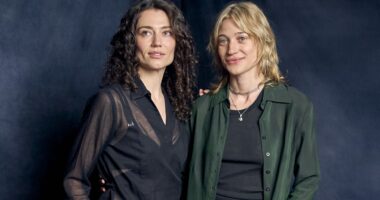

“We were also delivering a cinematic feature,” Nowlan says. “This is a one off, huge feature film–a David Attenborough epic–so it had to look great. There were a lot of challenges, but we feel excited to bring these images to the world.”
In an effort to save our waters, Attenborough urges for dramatic changes to commercial fishing regulations around the world. The film isn’t a call to stop fishing, however. It’s a plea to protect local fishermen from what Attenborough bluntly dubbed, “modern colonialism,” where wealthy nations deplete communities of their resources.
Some of the most touching parts of the film are not only underwater. Unlike other Attenborough projects, people are featured prominently. You get to hear from local fishermen and people living in coastal communities directly about how these practices affect their livelihoods.
Nowlan was incredibly inspired to work on this film because of the real change that can be quickly achieved through conservation, even on a small-scale. The film shows an inspiring glimpse of the restoration happening in the waters of the Channel Islands. The oceans surrounding the archipelago, once disgustingly overfished, have been designated as “no-take zones” to protect the fragile marine environment and the diverse species that live within it.
Within five years, marine life not only returned; it flourished. The documentary captures how protecting just a mere portion of the ocean can completely bring it back to life.
“The process of protecting the ocean is really different from the process of protecting land. It’s easier, it’s way faster and it really, really works,” Nowlan says. “You protect one area and it fills up with life super quickly, and it spreads out and fills up surrounding areas. It’s already happening. This is a real, tangible bit of hope that we should shout from the rooftop.”