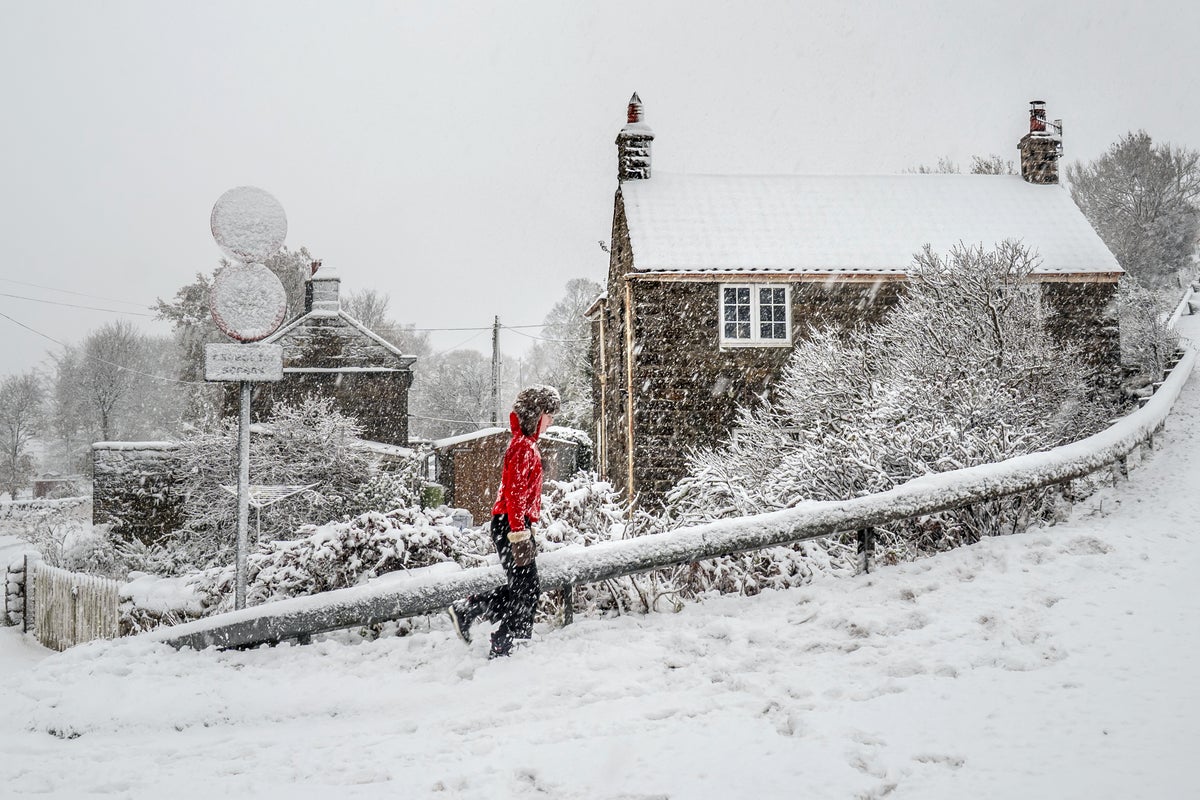

Heavy snow is set to hit the UK as the Met Office has issued a New Year’s Day weather warning.
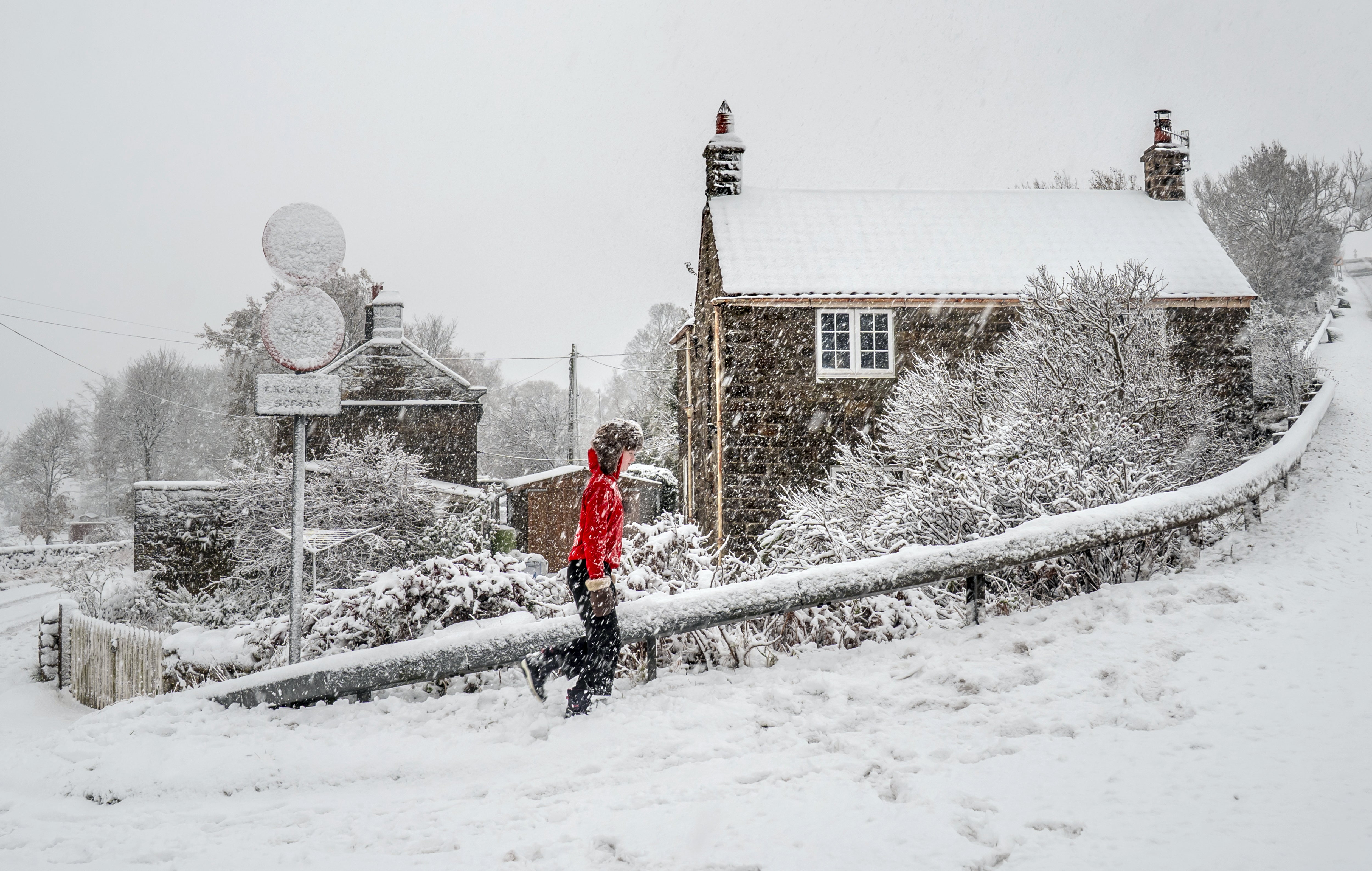
A yellow alert for snow and ice will be in place for parts of Scotland from 6am on 1 January until midnight on 2 January, with up to 30cm of snow expected in some places, causing potential travel chaos.
The warning comes as an amber cold health alert has been issued for the north east and north west of England, which is due to remain in place until noon on 5 January, with temperatures expected to plummet to as low as 3C, bringing a possible surge in deaths among the vulnerable.
The Met Office warned that the yellow warning for snow and ice means “frequent and heavy snow showers may lead to some travel disruption”.
By Friday morning, the weather service is predicting there will be 2-5cm of snow, with 10cm in certain local areas and 10-20cm in some areas above 200m. On the highest routes and hills, 30cm or more may build through the period.
Meanwhile, the UK Health Security Agency (UKHSA) issued the amber alert, and said it means the weather is “likely” to cause significant impacts across health and social care services, including a rise in deaths among those with health conditions or aged 65 or over.
Temperatures elsewhere are expected to be 4-6C from New Year’s Day and there is a yellow health alert in place.
The Met Office said the final days of 2025 will not be “particularly fantastic”, with temperatures of 7-8C, but the weather will take a turn as the new year arrives.
Northern parts of the country are expected to bear the brunt of the chillier conditions from 1 January onwards, with brisk winds bringing increasingly wintry showers to the north as the week progresses.
Forecaster Dan Stroud said: “We’re losing this sort of settled but chilly conditions, and bringing in something a little bit more showery with more wintry hazards in the forecast, particularly for the north of the country.”
The UKHSA warned there will likely be an increase in demand for health services across the regions. With even younger people potentially impacted by the weather, it said that a drop in temperature leads to more risks for vulnerable people, while a fall in places like hospitals and care homes could bring it below the levels recommended for assessing health risks.
It also warned of staffing issues due to external factors such as travel delays, and said other sectors, such as transport and energy, could start to be affected by the weather.
The agency has issued a yellow cold health alert for the East Midlands, West Midlands, South East, South West, East of England, Yorkshire and the Humber, and London. A yellow alert means there is the potential for significant impacts.
Dr Agostinho Sousa, head of extreme events and health protection at UKHSA, said: “As the colder weather sets in, it is vital to check in on friends, family and neighbours that are most vulnerable. The forecasted temperatures can have a serious impact on the health of some people, leading to increased risk of heart attacks, strokes and chest infections, particularly for individuals over the age of 65 and those with pre-existing health conditions.”
The Alzheimer’s Society said colder temperatures can be difficult for people with dementia to adjust to and they may not recognise they are cold or be able to communicate it.
The charity has urged people to check in on loved ones, friends and neighbours living with dementia to ensure they are dressed appropriately, in a warm room and eating, drinking and moving regularly. It added that making the most of natural daylight, sticking to a routine and encouraging smaller, slower steps in slippery conditions can also help to keep them safe.
This is a breaking news story, more to follow…