What is Chesney Hawkes’ Net Worth?
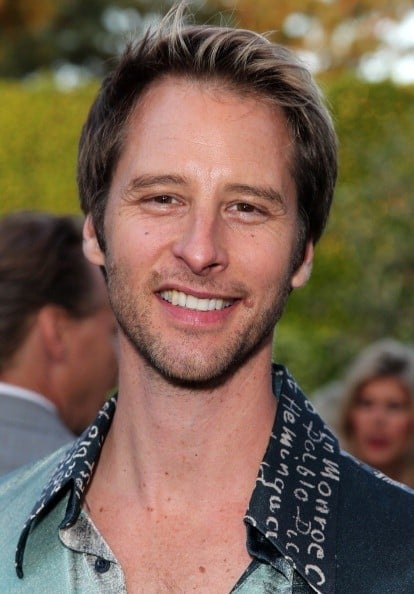
Chesney Hawkes is an English musician and actor who has a net worth of $10 million. Chesney Hawkes is best known for one of the most enduring pop singles of the early 1990s, “The One and Only.” The song, released in 1991, became a cultural phenomenon, reaching No. 1 on the UK Singles Chart and turning Hawkes into an overnight star at just 19 years old. Unlike many artists whose fame burns out as quickly as it ignites, Hawkes built a career defined by reinvention, resilience, and longevity rather than chart dominance alone. While “The One and Only” remains his signature track, his story is not simply that of a one-hit wonder. Over the decades, Hawkes has remained active as a recording artist, live performer, songwriter, and television personality, carving out a stable and respected place in British pop culture. His career spans studio albums, West End theatre, songwriting collaborations, reality television, and decades of touring, with his early breakout success serving as a foundation rather than a limitation.
Early Life
Chesney Hawkes was born on September 22, 1971, in Windsor, Berkshire, England. Music was central to his upbringing. His father, Chip Hawkes, was a member of the 1960s beat group The Tremeloes, exposing Chesney to the realities of the music industry from an early age. Growing up around professional musicians gave him both inspiration and a grounded understanding of the business side of entertainment. He attended the Sylvia Young Theatre School in London, an institution known for producing future stars in music, film, and television. At school, Hawkes developed his skills as a singer and performer while building confidence on stage, laying the groundwork for his future career.
Breakthrough With “The One and Only”
Hawkes’ life changed dramatically in 1991 when he starred in the film “Buddy’s Song,” directed by David Hayman. The coming-of-age movie featured Hawkes as a young musician navigating adolescence and ambition, a role that closely mirrored his own life. The film’s soundtrack included “The One and Only,” written by Nik Kershaw, which quickly eclipsed the movie itself. The song spent five weeks at No. 1 in the UK and became a global hit, charting across Europe, Australia, and the United States.
“The One and Only” became an anthem of youthful confidence, fueled by its infectious chorus and Hawkes’ charismatic delivery. Almost instantly, he was thrust into international fame, performing on major television programs and touring extensively. While the song’s success brought enormous visibility, it also created expectations that would shape public perception of his career for years to come.
Early Albums and Commercial Pressures
Hawkes released his debut album “Buddy’s Song” in 1991, which performed strongly on the UK Albums Chart. His follow-up album, “Get the Picture,” arrived in 1993 and showcased a more mature sound. Although it produced several singles, it did not replicate the explosive success of his debut era. The rapid shift in the pop landscape during the early 1990s, combined with the weight of expectations after such a massive first hit, made sustaining chart dominance difficult.
Rather than chasing formulas or retreating from music altogether, Hawkes gradually stepped back from the spotlight to reassess his direction. This period proved crucial in allowing him to redefine success on his own terms.
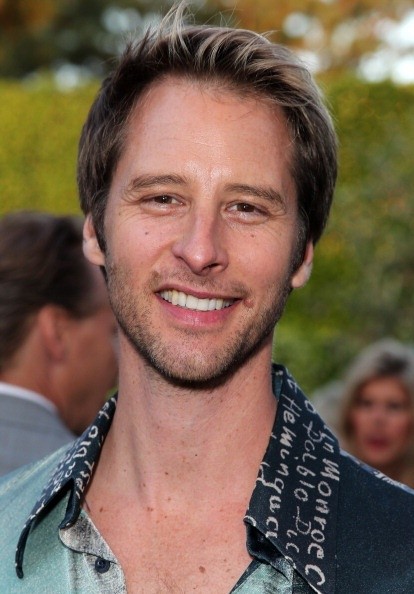
David Buchan/Getty Images
Songwriting, Independence, and Reinvention
In the late 1990s and 2000s, Hawkes focused increasingly on songwriting and independent releases. He wrote material for himself and collaborated with other artists, honing his craft away from mainstream pressures. Albums such as “Another Fine Mess” reflected a more personal, guitar-driven approach that contrasted sharply with the polished pop of his early fame.
During this time, Hawkes also built a reputation as a reliable live performer. His concerts leaned into audience connection, storytelling, and musicianship, earning him a loyal fanbase that appreciated his authenticity rather than chart placement.
Stage Work and Television Appearances
Hawkes expanded his career beyond recording by stepping into musical theatre and television. He appeared in stage productions including “Can’t Smile Without You,” a jukebox musical featuring the songs of Barry Manilow, where his vocal strength and stage presence translated naturally to live theatre.
He also became a familiar face on British television, appearing on shows such as “Hit Me Baby One More Time,” where established artists revisit their biggest hits, and various reality and panel programs. These appearances reintroduced him to new audiences while reinforcing his status as a respected figure from the golden era of early-1990s pop.
Later Music and Continued Touring
In the 2010s and beyond, Hawkes continued to release new music independently, including albums like “Real Life Love” and “Living Arrows.” These projects emphasized songwriting maturity, family life, and personal reflection, demonstrating artistic growth rather than nostalgia alone.
Touring remained a cornerstone of his career. Hawkes regularly performed at festivals, 1990s revival tours, and solo headline shows, where “The One and Only” remained a celebratory high point rather than a creative burden. His willingness to embrace the song’s legacy while continuing to write new material allowed him to maintain relevance without being confined by his past.
All net worths are calculated using data drawn from public sources. When provided, we also incorporate private tips and feedback received from the celebrities or their representatives. While we work diligently to ensure that our numbers are as accurate as possible, unless otherwise indicated they are only estimates. We welcome all corrections and feedback using the button below.