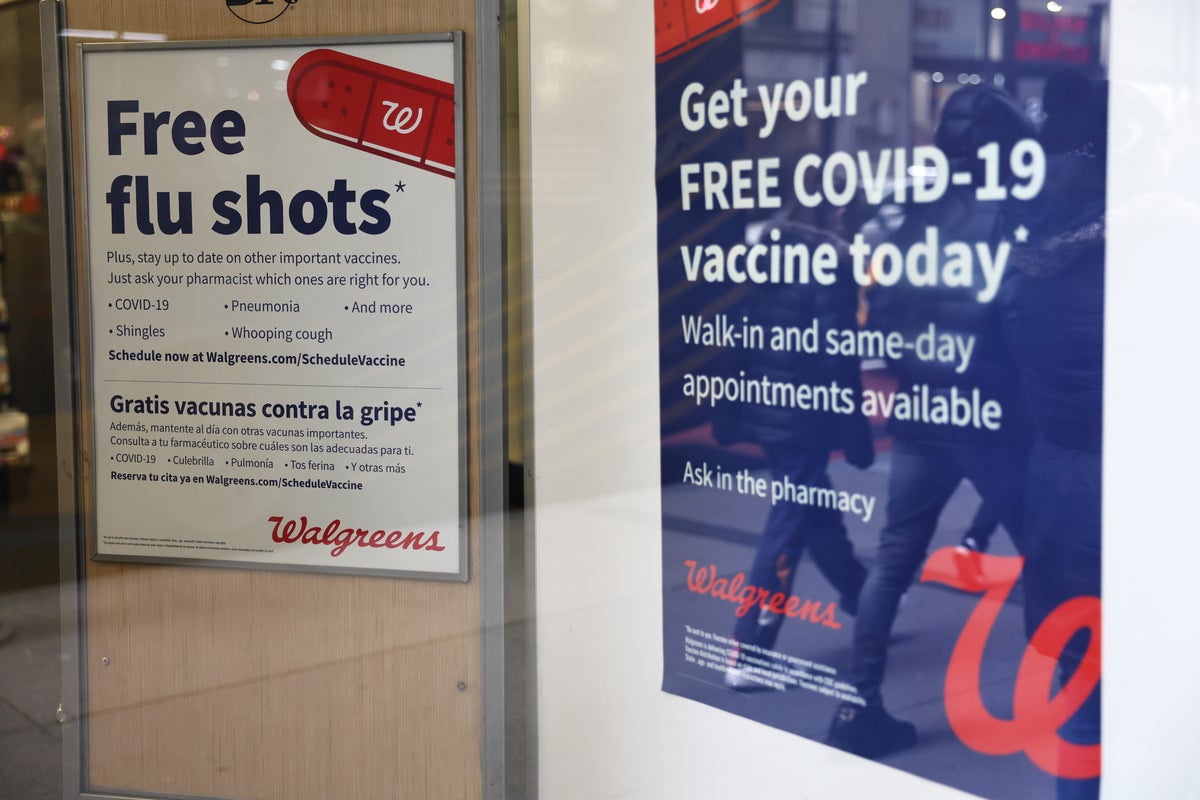

Fewer kids are getting the flu vaccine this year, despite this being the worst season in decades.
The so-called super flu is surging through communities with at least 18 million Americans infected this season, according to the Centers for Disease Control and Prevention. Of those infected, 230,000 were hospitalized and 9,300 died, the CDC said.
“This is definitely a banner year,” Dr. Caitlin Rivers, an epidemiologist and senior scholar at Johns Hopkins Center for Health Security, told CNN. “It’s the worst we’ve had in at least 20 years. We’re seeing a majority of the country is experiencing very high levels of activity, and we’re still in the thick of it.”
While the CDC says the flu shot can keep people from getting infected with the flu and reduce the severity of the illness, fewer parents are choosing to vaccinate their kids.
As of January 3, 42.5 percent of children, aged 6 months to 17 years old, have received a flu shot this season, compared to 44 percent at the same time last year — that’s a 1.5 percentage point drop.
Under the leadership of Health and Human Services Secretary Robert F. Kennedy Jr., a vaccine skeptic, the CDC reduced the number of vaccines recommended for all children. Now, the flu and five other illnesses are only recommended for “high risk” kids or after consulting with a health care provider.
The drop in children getting flu shots speaks to a broader decline in vaccination rates among children in recent years. Vaccination coverage among kindergartners during the 2024 to 2025 school year decreased for all reported vaccines from the previous year, according to the CDC.
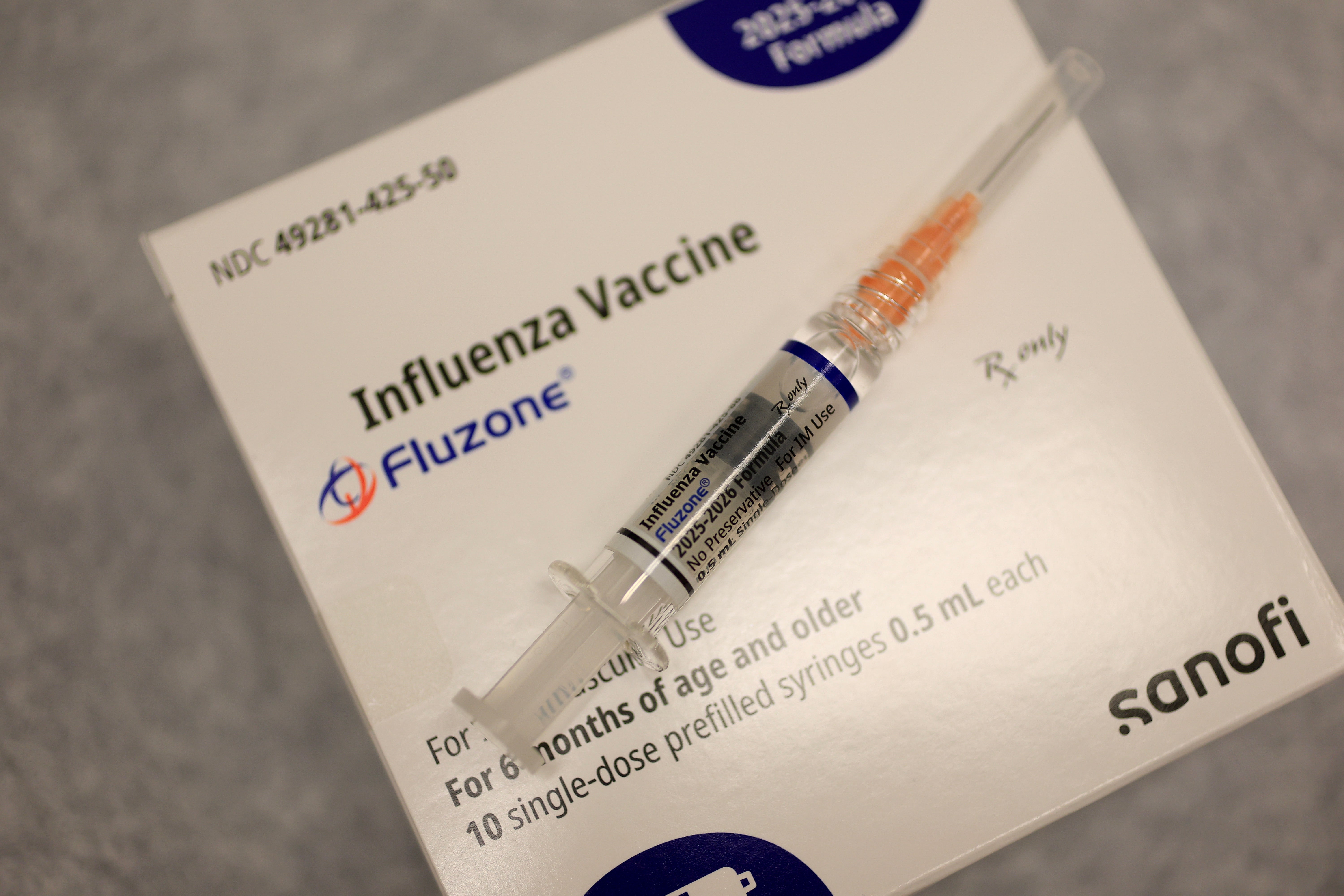
It’s not just the contagiousness of the flu that has people worried this season, but also the symptoms.
Dr. Partha Nandi wrote in an article published by WXYZ Detroit, “Doctors are seeing longer fevers lasting 3 to 5 days, and coughs that make breathing difficult. This can make people feel worse and raise the risk of hospitalization, with children and seniors especially vulnerable.”
The CDC advises parents to take their children to the hospital if they experience trouble breathing, severe muscle pain, dehydration, a fever above 104 degrees Fahrenheit that is not controlled by medicine and/or other serious symptoms.