A stress-relief toy has become the center of a viral controversy that many internet users are calling “gross and insane.”
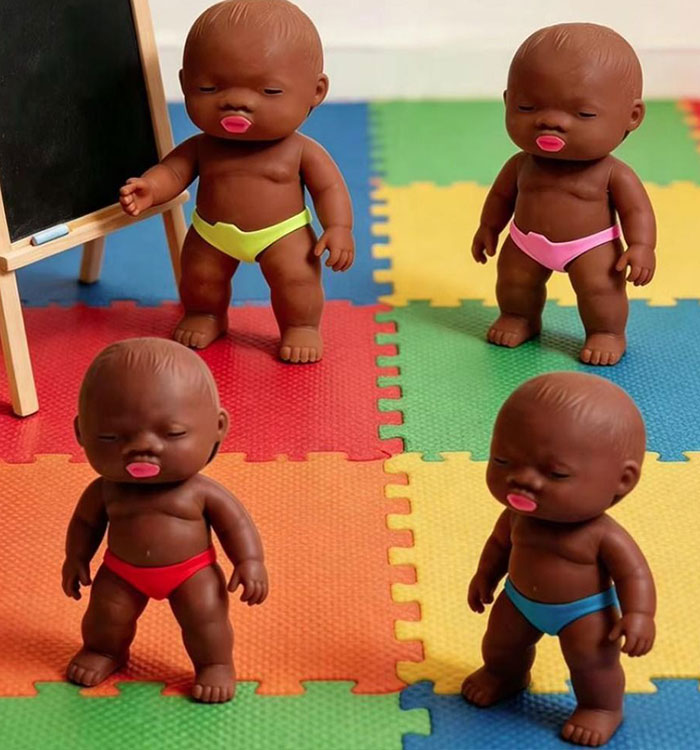
The “Natasha” doll, a popular squishy toy originating in China, has gone viral after users noticed a troubling pattern in videos featuring the product.
Despite multiple color variations being available, many online clips focus on the Black version of the doll, leading critics to question why it has become the preferred target for serious mistreatment.
An alleged explanation did little to ease concerns, instead triggering another wave of criticism, with one netizen writing, “That explanation made it more racist than if the explanation was not there.”
The viral stress-relief “Natasha” doll has allegedly been described as a “cute ugly stress-relief toy” on Chinese social media
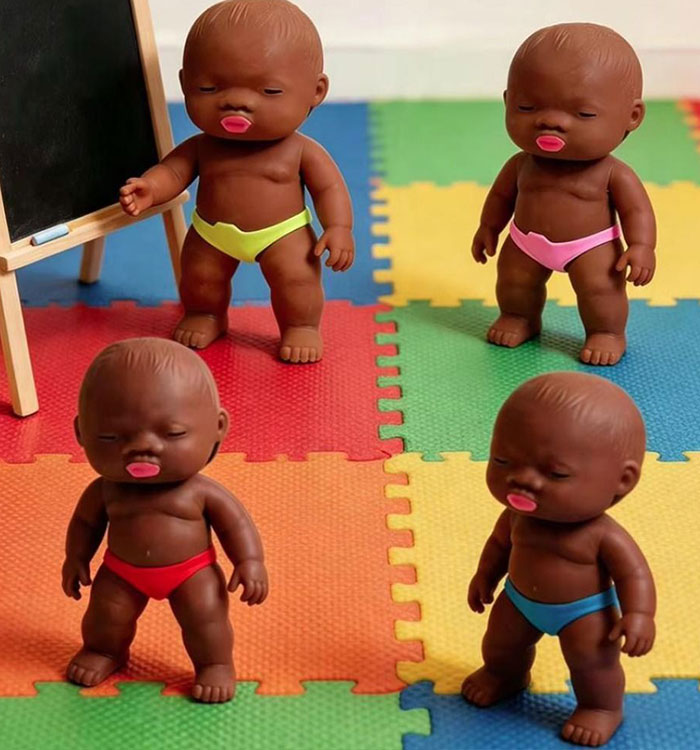
Image credits: Aliexpress
The “Natasha” Black Doll is a viral squishy decompression toy designed to help alleviate stress, anxiety, and everyday tension.
Made from slow-rising memory foam or soft TPR rubber, the toy can be squeezed, twisted, or stretched before gradually returning to its original shape.
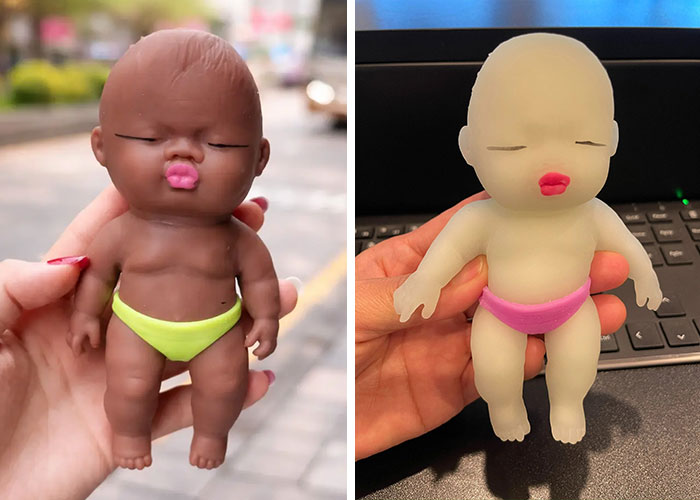
The standard dolls reportedly come in three skin-tone variants: Black, Coffee/Brown, and White/Cream.
Additional collectible-style versions are available in colors such as pink, purple, and blue. Certain “mystery” editions reportedly appear white or translucent at first, then change to black, red, or brown when exposed to light or temperature changes.
Meanwhile, glow-in-the-dark versions feature a translucent light-green material that emits a green glow in complete darkness.
Despite the wide range of available variations, controversy has centered on the Black version of the doll, with videos involving it gaining significant traction on Chinese social media platforms such as RedNote and Douyin.

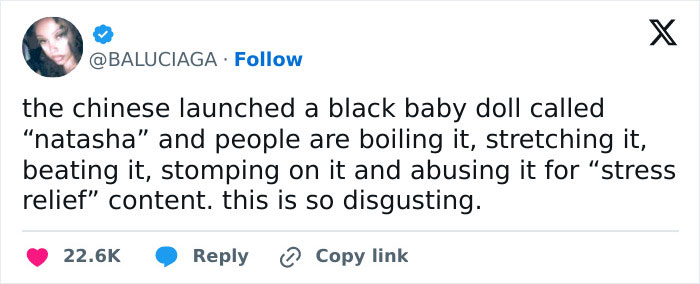
Image credits: BALUCIAGA
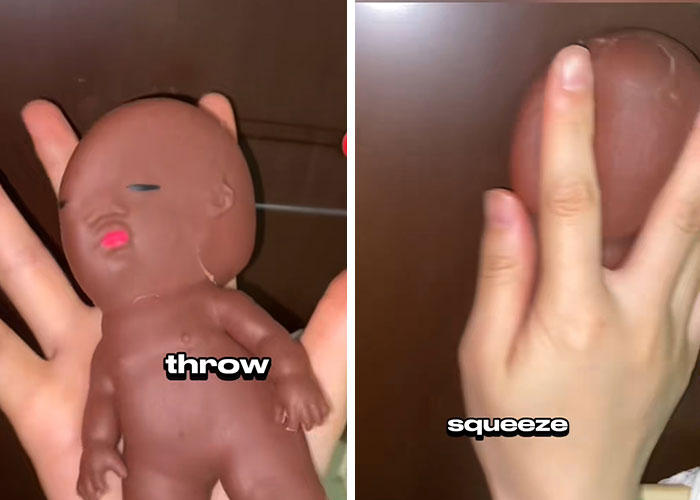
Image credits: dnfddnews
The core criticism stems from how some content creators interact with the toy.
While squishy toys are typically squeezed or stretched for stress relief, some viral videos reportedly show users punching, stomping on, running over, and repeatedly flattening the face of the dark-skinned doll.
Viral videos reportedly show creators punching, stomping on, running over, and pouring boiling water on the dark-skinned variation of the doll
Some creators have reportedly gone so far as to pour boiling water over the dolls.
Because the toy is designed to resemble a human child or character, critics have condemned the trend, arguing that it appears to simulate violence against a child of color.
One netizen fumed online, “The Chinese launched a black baby doll called ‘Natasha’ and people are boiling it, stretching it, beating it, stomping on it and a*using it for ‘stress relief’ content.
This is so disgusting.”
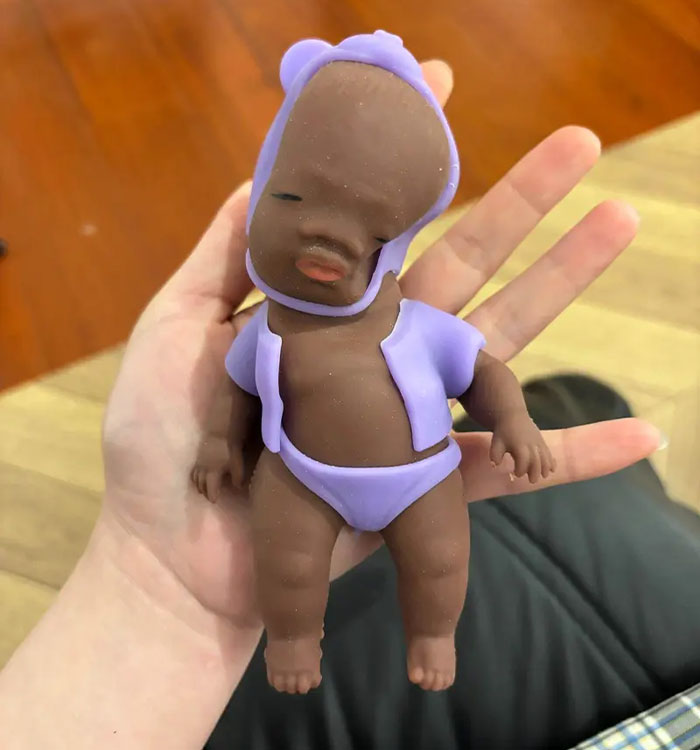
Image credits: TikTok Shop
Motivational speaker and digital creator Latoya Greene, who has more than 508,000 Instagram followers, also criticized the trend.
She wrote, “I have no idea what black people did to Chinese people, but this is BEYOND weird.
So they came out with a doll named ‘Natasha’ that resembles a little black baby…
There are different variations of the doll in different colors, but the black one is the one that was made to be a punching bag.”
Latoya continued, “Anytime a black person speaks of blatant racism people like to say we’re ‘over reacting’ or ‘being sensitive’, and that’s not the case.
Before you say it, it is not ‘just a doll’ they knew EXACTLY what they were doing and what it symbolizes…”
Amid the growing scrutiny surrounding the doll, an alleged explanation has also circulated online, which some viewers claim was originally posted by a Chinese social media user.
Referring to the dark-skinned version of the toy, the alleged explanation read, “Because the white one doesn’t have the same ‘ugly’ vibe as this one. The selling point of this one is that it’s ugly, abstract, and interesting.”
“The white one doesn’t have the same ugly vibes as this one. The white one is more human like…” read an alleged explanation online
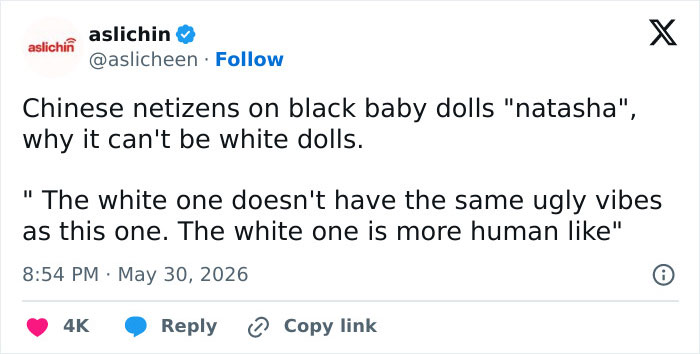
Image credits: aslicheen
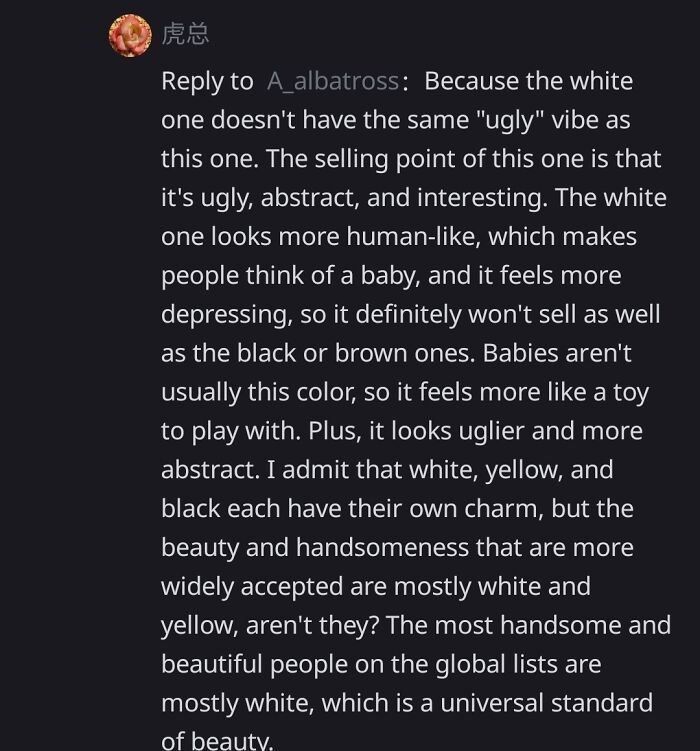
Image credits: aslicheen
“The white one looks more human-like, which makes people think of a baby, and it feels more depressing, so it definitely won’t sell as well as the black or brown ones. Babies aren’t usually this color, so it feels more like a toy to play with…”
It concluded, “I admit that white, yellow, and black each have their own charm, but the beauty and handsomeness that are more widely accepted are mostly white and yellow, aren’t they?
The most handsome and beautiful people on the global lists are mostly white, which is a universal standard of beauty.”
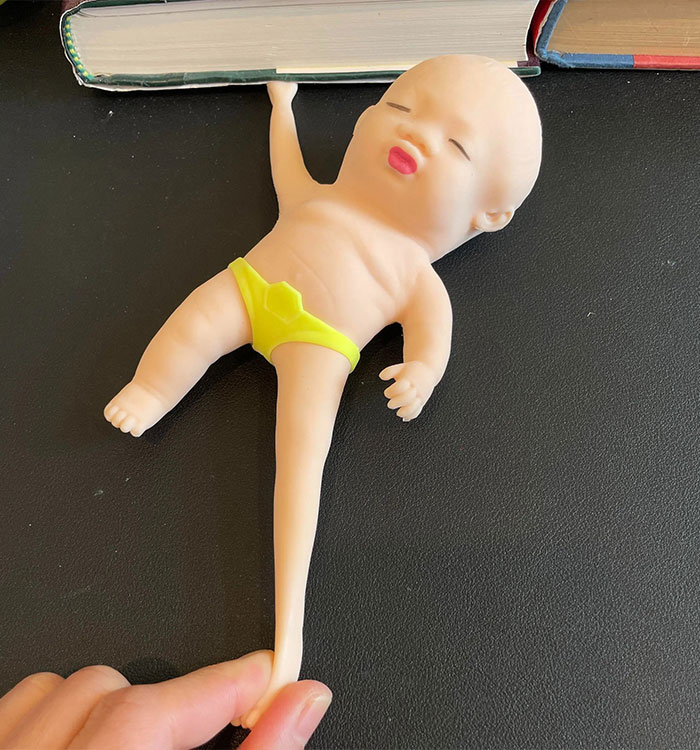
Image credits: TikTok Shop
While the authenticity of the explanation remains the subject of debate online, it sparked further backlash.
“This person is so stupid… One race cannot be objectively superior or more beautiful than the other. This is one of the dumbest things I’ve ever read in my life.”
Another user commented, “This is so sick regardless of color it’s still a baby doll… how can someone be so twisted!!!”
“Race aside. I’m still trying to wrap my head around why a full-grown adult would torment a baby doll for stress relief. Is that not a sign of an undiagnosed mental illness… I can’t trust them with any kid of any color,” added a third.
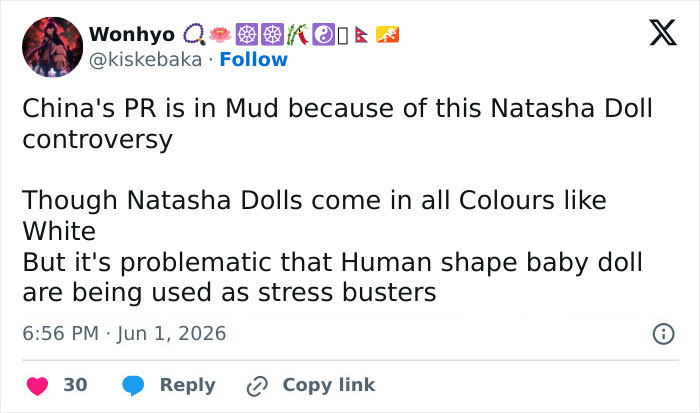
Image credits: kiskebaka
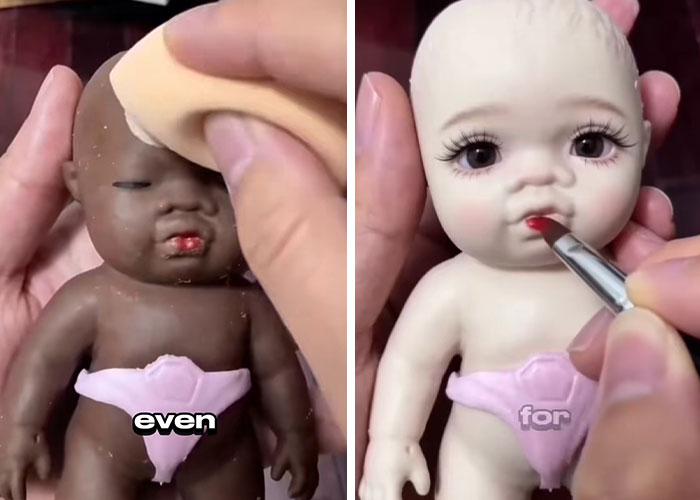
Image credits: dnfddnews
Another comment read, “This blatant racism… has revealed what was hidden behind the scenes. They should be held accountable, or a boycott campaign should be launched against the company that produced this doll.”
“I can’t even look at the content. I’m sorry it makes me feel so much rage. It’s disgusting, especially the videos I’ve seen of children being manhandled. I can’t even imagine how it feels when you see this as a black person.”
Multiple psychologists and content creators, including Latoya Greene, have strongly condemned the mistreatment of the dolls
Psychologists have also challenged the core marketing of the doll as an anger-management tool, arguing that venting anger through physical aggression, such as punching or stomping, does not necessarily relieve stress.
Instead, experts argue that repeatedly attacking an object, such as the Natasha dolls in this instance, may reinforce aggressive responses rather than encourage healthy emotional regulation.
According to these experts, this can train individuals to associate anger with destructive physical acts rather than constructive coping mechanisms.
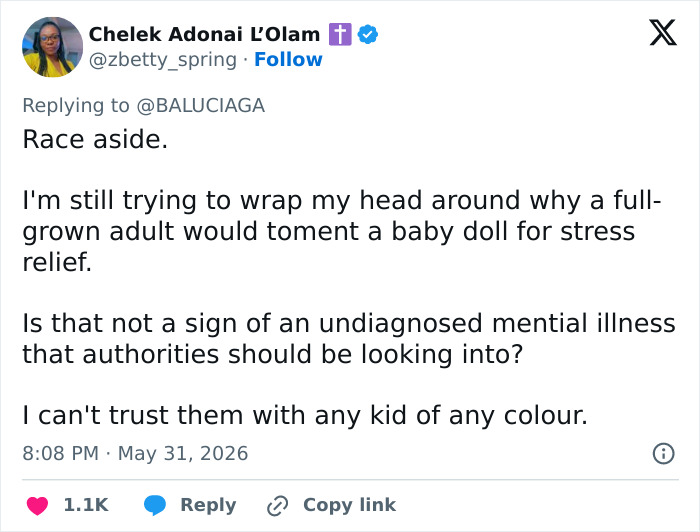
Image credits: zbetty_spring
Child and adolescent psychologists have also warned that children learn through observation and play, and that seeing a human-like caricature turned into a “punching bag” could potentially erode empathy and contribute to problematic behaviors, including bullying.
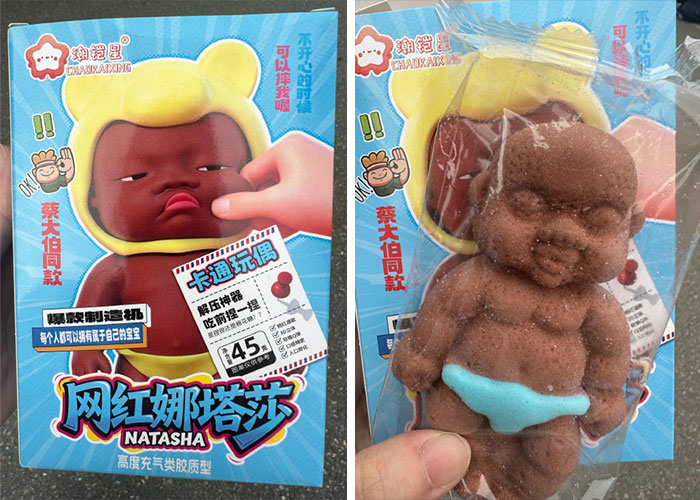
Image credits: TINGSHOP
According to Fang Zengquan, Party Secretary of the School of Journalism and Communication at Beijing Normal University and Director of the Center for Minors’ Online Literacy, “The toy’s marketing strategy is particularly concerning.”
Fang told local media outlet ECNS, “Linking a baby-shaped toy directly to stress relief… encourages users, especially teenagers, to derive pleasure from physically squeezing or damaging a baby-like object.”
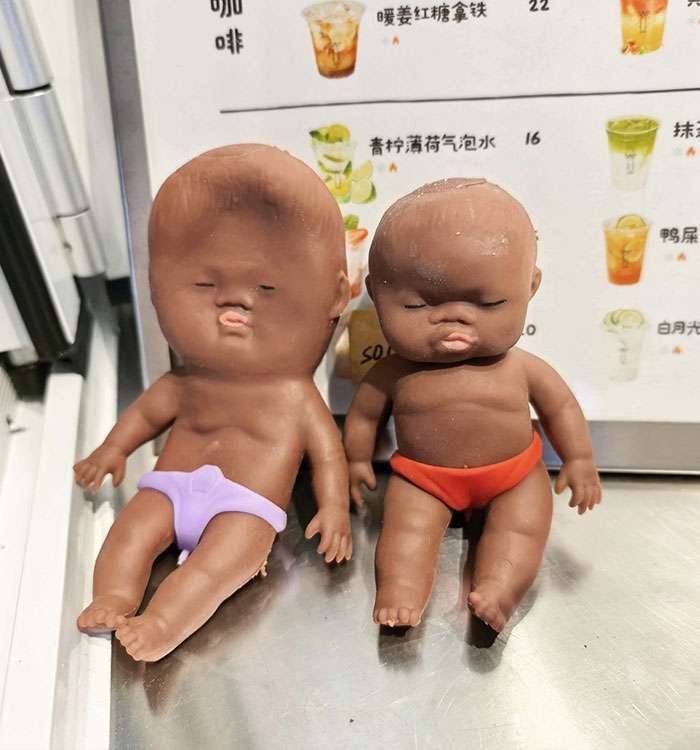
Image credits: chenjingrong4022
As algorithm-driven platforms such as TikTok, Instagram, and RedNote continue to amplify viral content, experts and online creators have urged parents to block keywords associated with the doll and actively report videos they believe promote harmful behavior.
“This is so sick regardless of color it’s still a baby doll… how can someone be so twisted!!” one user fumed online