
Cats are often described as mysterious and independent, but some breeds are far more elusive than others.
As with dogs, a cat’s personality can vary by breed. Some are naturally sociable and affectionate, while others are more private, energetic or even surprisingly dog-like.
Certain cats may treat their owners as companions, whereas others appear to view humans chiefly as highly efficient sources of food and care.
Every cat is an individual, so choosing a particular breed cannot guarantee a specific temperament. However, understanding common breed traits can help prospective owners make a more informed decision.
Some cats adapt especially well to family life or living alongside other pets, while others are better suited to a quieter, more independent household.
Oxford-educated chemist and Tribal Pet Foods founder Fatima Maktari said: ‘When choosing a cat, it’s important to understand the natural instincts and characteristics of different breeds and ultimately choose a cat that suits your lifestyle and your home – for instance, the cat will need to feel comfortable with a dog if you have one, and vice versa.’
Whether you want a relaxed companion or a cat that needs constant enrichment, experts have identified some of the most elusive breeds, along with several that make particularly friendly pets.

Maine Coons make excellent family cats

British Shorthairs are a strong choice for first-time cat owners
Sokoke
‘A Sokoke can be difficult to keep track of because they love exploring – at times, you may even wonder whether they’ve left home,’ said Milbourne.
He added: ‘If you’re set on this rare breed, you can appeal to its natural hunting instincts with activities such as puzzle feeders or by hiding small portions of food around the home. This encourages exploration and provides valuable mental stimulation,’ Milbourne said.
Bengal
With their leopard-like appearance, Bengal cats are not naturally suited to a quiet indoor lifestyle.
Dr Brynden said: ‘They are wild-derived, fiercely independent, very vocal and can be remarkably challenging to handle. Without endless mental stimulation, puzzle toys and vertical territory, they will create their own entertainment – usually by tearing up your home.’
Unlike some other breeds featured here, Bengals are not generally recommended for first-time owners. Dr Brynden said: ‘They are high-octane cats that require an experienced owner.’
British Blue
Milbourne said: ‘This breed is one of the most registered pedigree cat breeds in the UK, yet they can be surprisingly elusive.’
‘A British Shorthair will seek out the darkest, tightest spaces in which to curl up, and can sleep peacefully for hours. Owners may wonder where their cat has gone, only to discover it behind a wardrobe or inside the laundry basket.
‘If you don’t know your cat’s favourite hiding places, you could find yourself conducting a frantic search,’ he said.
Despite these Houdini-like habits, British Shorthairs are people-oriented and generally easy to care for.
Dr Brynden said: ‘If you want an affectionate, low-fuss pet around the house, British Shorthairs are practically like small dogs in feline form.’
British Shorthairs can be an excellent choice for families and first-time owners, although their relaxed, sedentary nature means they are prone to obesity.
Chartreux
Chartreux cats are known for their exceptionally quiet meow, but their silence should not be mistaken for a lack of energy or care requirements.
‘Chartreux cats have a strong need to hunt and may bring unwanted guests to your door,’ said Milbourne.
Join the discussion
Should owners choose a cat based on its breed personality, or can any cat become a loving companion?

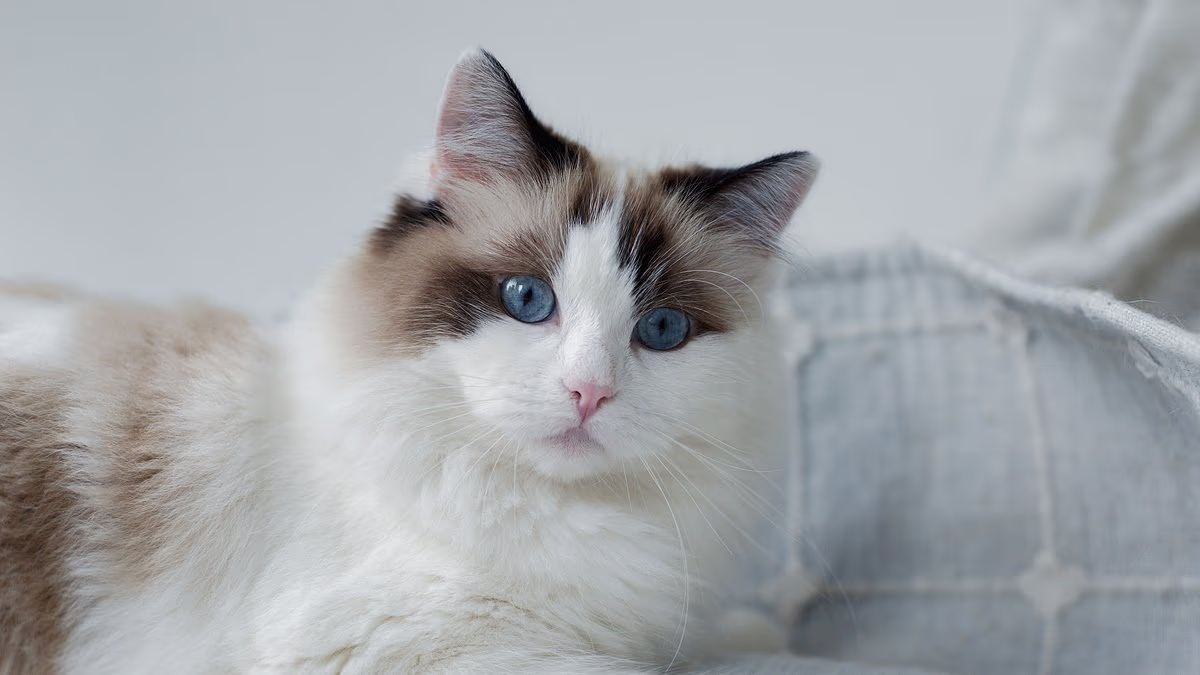
Ragdolls are known for their dog-like personalities

Maine Coons like to take part in their owners’ activities
Ragdolls
Ragdolls have a distinctly dog-like temperament. They are highly sociable and enjoy playing with both people and other animals.
Dr Brynden said: ‘They’re famously placid and docile, and will often flop into your arms like a rag doll, as their name suggests.’
She added: ‘Big cats come with big responsibilities. Don’t underestimate that coat; without daily, dedicated grooming, their long fur will mat very quickly, which is both painful for the cat and difficult to treat.’
Maktari said: ‘They definitely have a dog-like devotion when it comes to their owners.’
Maine Coons
Maine Coons are famously large, gentle cats. A male can weigh as much as 11 kilograms—around three times the weight of a small dog.
For anyone seeking a sociable companion or a feline shadow, the Maine Coon can be an excellent choice thanks to its friendly, dog-like character.
Dr Brynden said: ‘Maine Coons are big, goofy extroverts who want to be involved in whatever you’re doing.’
Norwegian Forest Cat
Norwegian Forest Cats are friendly and gentle without being overly demanding. They are not typically lap cats, but Dr Brynden said ‘their calm temperament makes them a good choice for families with children and other pets’.
She also said: ‘Hardy, intelligent and muscular, the Norwegian Forest Cat is one of the more active breeds of the Felines. These cats love to climb and hunt, so outdoor space is recommended.’