
What is Chad Muska’s Net Worth?
Chad Muska is an American professional skateboarder and entrepreneur who has a net worth of $1 million.
Chad Muska rose to fame in the late 1990s as one of the most recognizable faces in street skating. Known for his distinctive style, personality, and branding instincts, Muska became a defining figure of skateboarding’s mainstream explosion, with signature products that sold in massive volumes and a prominent role in the original “Tony Hawk’s Pro Skater” video game.
At his peak, he was living what many considered the ultimate pro skater lifestyle, with sponsorships, steady income, and global recognition. But like many athletes in action sports, his financial success was closely tied to sponsorship deals rather than ownership. Over time, those deals faded, and by the early 2020s, his income from skateboarding had effectively disappeared. Rather than fading away, Muska reinvented himself as an independent entrepreneur, launching his own brand and reconnecting directly with fans. His story is a striking example of both the volatility of fame and the long-term value of reinvention, experience, and ownership.
Early Life
Chad Muska was born on May 20, 1977, in Lorain, Ohio, and grew up primarily in Phoenix, Arizona. His early years were marked by instability, and he has spoken openly about spending time in foster care as a child. Skateboarding became both an escape and a creative outlet during his teenage years.
As a young skater, Muska quickly developed a reputation for his raw talent and bold personality. He was part of a generation that helped define street skating as it emerged into the mainstream during the 1990s. His style, which combined technical ability with a strong sense of identity and presentation, helped him stand out in a rapidly growing scene.
Rise to Skateboarding Stardom
Muska’s rise in the late 1990s was fast and dramatic. He became one of the most visible and marketable skateboarders in the world, riding for major brands and appearing in influential skate videos that were widely circulated within the culture.
At his peak, his signature products were selling at an extraordinary rate, with reports of his pro model shoes moving roughly 10,000 units per month. That level of commercial success made him one of the most valuable names in skateboarding at the time.
His inclusion as a playable character in “Tony Hawk’s Pro Skater” further elevated his profile. The game became a cultural phenomenon, introducing skateboarding to a global audience and cementing Muska’s place among the sport’s elite. He was not just a skater, but a personality who helped define the image of the era.
Peak Fame and Lifestyle
During his peak years, Muska embodied the ideal of the successful professional skateboarder. He had sponsorship deals, consistent income, and widespread recognition. More importantly, he represented a shift in skateboarding culture, where personal branding, style, and identity became just as important as technical ability.
He was part of a generation that blurred the line between athlete and influencer long before social media existed. His image, music interests, and collaborations all contributed to a broader cultural presence that extended beyond skateboarding itself.
However, much of his financial success during this period was tied to sponsorships and endorsement deals rather than ownership stakes in the companies he helped promote.
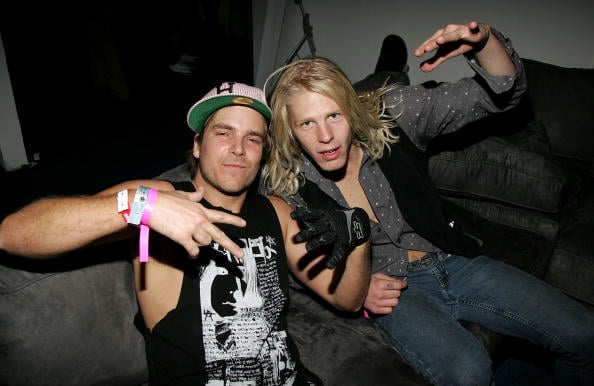
Skateboarder Chad Muska (L) and Braydon Szafranski (via Getty)
Decline and Financial Reality
Like many professional skateboarders of his era, Muska’s income began to decline as sponsorships shifted and the industry evolved. Over time, the steady flow of endorsement checks slowed.
By the beginning of the COVID-19 pandemic, his financial ties to skateboarding had effectively come to an end. As he later explained, one final payment arrived, and then the income stopped entirely. After years at the top of the sport, he found himself facing a difficult reality: fame and past success did not guarantee long-term financial stability.
His experience highlights a broader truth within action sports and entertainment. Athletes who rely primarily on sponsorship income often face abrupt financial drop-offs when those deals disappear, especially if they lack ownership in the brands they helped build.
Starting Over as an Entrepreneur
Rather than retreating from the industry, Muska chose to rebuild. In his mid-40s, he began approaching his career from a completely different perspective, focusing on ownership and independence.
He launched Muska Industries, a brand through which he produces limited-run skateboard decks, apparel, footwear, and accessories. Unlike his earlier career, where companies controlled production and distribution, Muska now oversees the entire process himself.
Operating in a lean, hands-on way, he has built much of the business from his home in Ohio. He produces and signs products, manages inventory, and sells directly to customers using online platforms. His Instagram presence plays a central role in marketing, where he announces product drops and connects directly with fans.
Building in Public
One of the defining aspects of Muska’s second act has been his willingness to share the process openly. He frequently documents his work, including signing skateboard decks and preparing products for release, giving fans a behind-the-scenes look at his business.
This approach has allowed him to reconnect with the audience that followed him during his peak years. Many of those fans now support his new ventures, purchasing limited-edition items and helping sustain the business.
In many ways, his past success has become an asset rather than a finished chapter. As he has noted, his history in skateboarding is now helping fund his future, providing both credibility and a built-in customer base.
Lessons from His Career
Chad Muska’s career offers a clear illustration of the difference between fame and financial security. During his peak, he was one of the most visible figures in skateboarding, yet much of his income depended on external sponsors rather than equity ownership.
In contrast, his current approach emphasizes control, independence, and long-term sustainability. By owning his brand and working directly with customers, he has shifted from being a sponsored athlete to being a business owner.
His story also underscores the importance of accumulated experience. By the time he began rebuilding his career, Muska had decades of industry knowledge, connections, and cultural influence that he could leverage in his new venture.
Legacy
Chad Muska remains one of the most recognizable figures from skateboarding’s golden era. His influence on style, branding, and the broader culture of the sport continues to be felt.
At the same time, his story has evolved beyond skateboarding itself. His transition from superstar athlete to independent entrepreneur reflects a broader shift in how creators and athletes think about ownership and long-term success.
Rather than being defined solely by his peak years, Muska’s legacy now includes his ability to adapt, rebuild, and take control of his own brand. It is a reminder that while fame may be temporary, the skills, relationships, and mindset developed over a career can provide the foundation for a second act.
Real Estate
In September 2021, Chad paid $655,000 for a 16-acre property in Collins, Ohio.
All net worths are calculated using data drawn from public sources. When provided, we also incorporate private tips and feedback received from the celebrities or their representatives. While we work diligently to ensure that our numbers are as accurate as possible, unless otherwise indicated they are only estimates. We welcome all corrections and feedback using the button below.