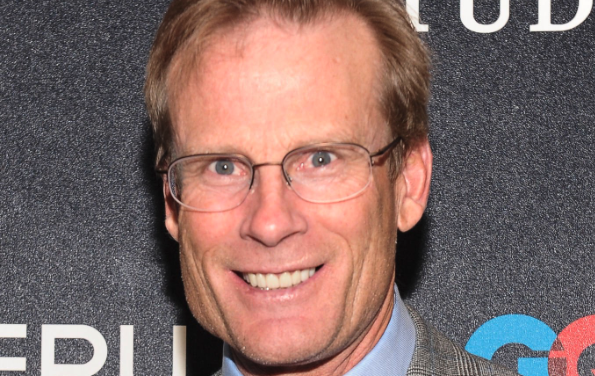

What is Conrad Anker’s net worth?
Conrad Anker is an American rock climber, mountaineer, and author who has a net worth of $1 million.
Conrad Anker is widely regarded as one of the most respected figures in modern alpine climbing. Over a career spanning more than four decades, Anker has combined elite technical skill with a methodical, safety-first approach that helped redefine standards in high-altitude and big-wall climbing. He is best known for groundbreaking ascents in the Himalayas, Patagonia, and Yosemite, including first ascents on some of the world’s most difficult alpine faces. Beyond his personal climbing achievements, Anker has played an outsized role as a mentor, historian of the sport, and advocate for responsible expedition culture. He has led high-profile teams for The North Face, served as a bridge between generations of climbers, and helped bring mountaineering to wider audiences through documentaries and writing. Anker’s career is also marked by moments of deep responsibility and reflection, including his role in the recovery of George Mallory’s body on Mount Everest and his leadership following the death of his close friend Alex Lowe. Taken together, his legacy is less about singular fame and more about stewardship, discipline, and respect for the mountains.
Early Life
Conrad Anker was born on November 27, 1962, in Boston, Massachusetts, and grew up in the Pacific Northwest. He began climbing as a teenager in Washington State, drawn to the Cascade Range and the rugged terrain surrounding Mount Rainier. Early exposure to alpine environments shaped his interest in technical climbing and expedition-style mountaineering rather than competition or speed-focused disciplines. After attending the University of California, Berkeley, Anker committed fully to climbing, developing a reputation for patience, preparation, and precision.
Climbing Career
Anker rose to prominence in the late 1980s and 1990s through difficult ascents in Alaska, Patagonia, and the Himalayas. He became known for tackling technically demanding routes that required careful planning and team coordination rather than bold solo efforts. Among his most notable achievements are first ascents and major routes on peaks such as Shivling, Lunag Ri, and Mount Huntington.
He is also closely associated with Yosemite’s big walls, where he completed numerous ascents of El Capitan and contributed to the culture of clean, ethical climbing. Unlike many high-profile climbers, Anker consistently emphasized longevity and judgment over risk-taking, a philosophy that earned him broad respect within the climbing community.
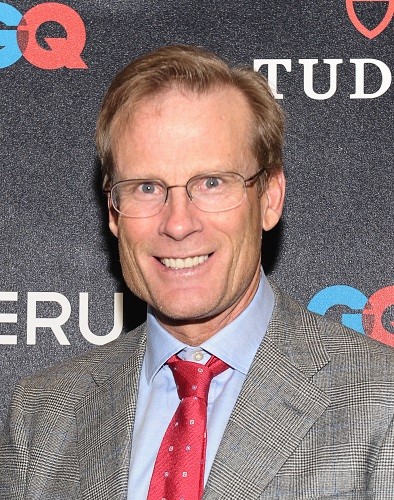
Rommel Demano/Getty Images
The Alex Lowe Tragedy and Everest
In 1999, Anker survived an avalanche on Mount Shishapangma that killed fellow climbers Alex Lowe and David Bridges. In the aftermath, Anker took on a leadership role, both personally and professionally, helping support Lowe’s family and continuing work that honored his friend’s legacy.
Anker later gained global attention in 1999 when he led the expedition that discovered the body of British climber George Mallory on Mount Everest. The find was one of the most significant moments in mountaineering history, reigniting debate about whether Mallory and Andrew Irvine had reached the summit in 1924. Anker approached the discovery with restraint and respect, reinforcing his reputation as both a climber and a historian of the sport.
Meru and Later Achievements
One of Anker’s most widely recognized achievements came with the successful ascent of the Shark’s Fin on Mount Meru, after several failed attempts spread over years. The climb, documented in the film “Meru,” introduced Anker to a global audience and highlighted his persistence and team-first mentality.
The project also underscored Anker’s role as a bridge between generations. While climbers like Alex Honnold captured public attention through bold, minimalist feats, Anker represented a complementary philosophy rooted in preparation, partnership, and cumulative experience. Their overlapping eras reflected the breadth of modern climbing, from free soloing to expedition-based alpine objectives.
Leadership and Mentorship
Beyond climbing, Anker has served as a longtime team leader for The North Face athlete program, mentoring younger climbers and shaping expedition standards. He has also been involved in search and rescue advocacy, environmental awareness, and preserving the historical record of mountaineering.
Personal Life and Legacy
Anker later married Jennifer Lowe, Alex Lowe’s widow, and together they raised a family deeply connected to the climbing world. They divorced in 2024.
In 2016, Anker suffered a heart attack while climbing in Antarctica, an event that led him to reassess his limits and step back from extreme alpine objectives.
Conrad Anker’s legacy is defined not just by summits or first ascents, but by judgment, mentorship, and reverence for the mountains. In a sport often driven by ego and exposure, he stands out as a steady presence whose influence has shaped modern mountaineering culture.
All net worths are calculated using data drawn from public sources. When provided, we also incorporate private tips and feedback received from the celebrities or their representatives. While we work diligently to ensure that our numbers are as accurate as possible, unless otherwise indicated they are only estimates. We welcome all corrections and feedback using the button below.