
What was Walter Parazaider’s Net Worth?
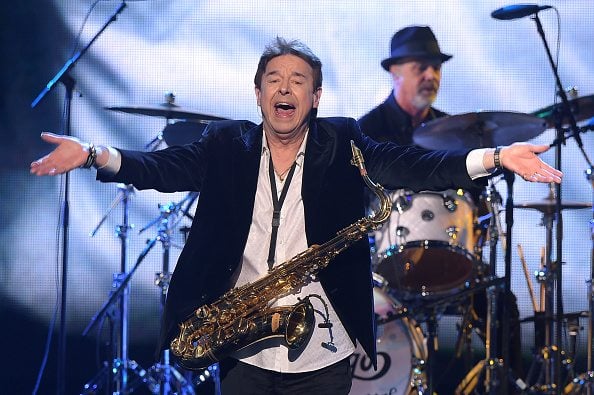
Walter Parazaider was an American musician who had a net worth of $25 million. He was best known as a founding member of the rock band Chicago, where he played saxophone, flute, clarinet, and other woodwind instruments. Parazaider was not simply a sideman in the group. He was one of the central architects of Chicago’s identity, helping imagine the idea of a rock band in which horns were not decorative accents, but full creative partners in the sound.
Chicago formed in 1967, and Parazaider remained with the band for roughly five decades, appearing on nearly all of the group’s major albums and playing thousands of concerts around the world. His woodwind work helped define classics such as “Colour My World,” “Saturday in the Park,” “Does Anybody Really Know What Time It Is?,” “Beginnings,” “Feelin’ Stronger Every Day,” and “If You Leave Me Now.” Alongside Lee Loughnane on trumpet and James Pankow on trombone, Parazaider was part of one of the most recognizable horn sections in rock history. He was inducted into the Rock & Roll Hall of Fame with Chicago in 2016. Walter Parazaider died on June 17, 2026, at the age of 81 after a long battle with Alzheimer’s disease.
Early Life
Walter Parazaider was born on March 14, 1945, in Maywood, Illinois. He grew up in the Chicago area and began playing clarinet as a child. His early musical training was serious and classically oriented, and for a time he appeared headed toward a career as an orchestral musician.
Parazaider studied at DePaul University, where he earned a degree in classical clarinet performance. DePaul also became the place where his future as a rock musician began to take shape. While there, he met other young musicians who would eventually become part of Chicago, including trumpet player Lee Loughnane and trombonist James Pankow. He was also close with guitarist Terry Kath and drummer Danny Seraphine, both of whom became key figures in the band’s earliest lineup.
Founding Chicago
Chicago began in Parazaider’s basement in 1967. The group initially performed under the name The Big Thing before becoming Chicago Transit Authority and eventually shortening its name to Chicago. The original lineup included Parazaider, Terry Kath, Danny Seraphine, Robert Lamm, Lee Loughnane, James Pankow, and later Peter Cetera.
Parazaider’s concept was unusual for the time. He wanted to create a rock band in which horns were built into the core of the music. Instead of bringing in brass or woodwinds as occasional studio decoration, Chicago made them part of the band’s DNA. That idea helped separate Chicago from other rock acts of the late 1960s and gave the group a sound that mixed rock, jazz, soul, pop, and classical influences.
Chicago’s 1969 debut album, released when the band was still called Chicago Transit Authority, introduced that sound to a national audience. The album included songs such as “Does Anybody Really Know What Time It Is?,” “Beginnings,” “Questions 67 and 68,” and “I’m a Man.” It established Chicago as one of the most ambitious new bands of the era.
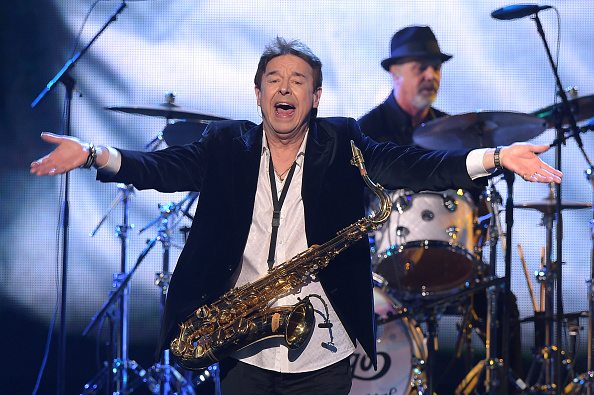
(Photo by Theo Wargo/Getty Images)
Success with Chicago
During the 1970s, Chicago became one of the biggest bands in America. The group’s blend of extended arrangements, tight horn lines, rock guitar, and radio-friendly songwriting made it a staple of album rock and pop radio. Parazaider’s saxophone and flute work helped give the group much of its texture and identity.
He is perhaps most widely recognized for the flute solo in “Colour My World,” one of Chicago’s most enduring ballads. He also contributed saxophone, flute, clarinet, and backing vocals across the band’s catalog. While Robert Lamm, Peter Cetera, James Pankow, and others were more visible as singers and songwriters, Parazaider’s musicianship was essential to the band’s sound.
Chicago’s run of hits included “Saturday in the Park,” “Make Me Smile,” “Just You ‘n’ Me,” “Old Days,” “Feelin’ Stronger Every Day,” and “If You Leave Me Now.” The latter became a #1 hit and helped move the band toward a softer, more ballad-driven sound in the late 1970s and 1980s.
Terry Kath’s Death and Later Years
Chicago suffered a devastating loss in 1978 when guitarist Terry Kath accidentally shot and killed himself. Parazaider and Kath had been friends since their teenage years, and the loss hit him deeply. The band considered whether it should continue, but ultimately carried on after receiving support from fans.
In the 1980s, Chicago found a second commercial life with producer David Foster and hits such as “Hard to Say I’m Sorry” and “You’re the Inspiration.” The band’s sound became smoother and more pop-oriented, especially during Peter Cetera’s final years with the group. After Cetera left, Chicago remained a major touring act even though its biggest hitmaking years had passed.
Parazaider continued to perform with Chicago for decades. His presence connected the later versions of the band to its original jazz-rock roots, even as the lineup changed around him.
Retirement, Health, and Death
Parazaider stepped away from touring in the late 2010s after health issues made it difficult for him to continue performing. In 2021, he publicly revealed that he had been diagnosed with Alzheimer’s disease. He described the diagnosis as devastating for him and his family, but said he was working hard and remaining positive with the support of his doctors and loved ones.
He died on June 17, 2026, after a long battle with the disease. Chicago paid tribute to him by emphasizing that the band’s original concept, a rock and roll band with horns, was Walt’s idea. The group also credited him with bringing the original musicians together and helping book early shows when Chicago was still an unknown local band.
Personal Life
Walter Parazaider was married to his wife, JacLynn, for 59 years. The couple had two daughters, Laura and Felicia. After his death, JacLynn described their marriage as 59 wonderful years.
Parazaider’s legacy is inseparable from Chicago’s sound. He was a classically trained woodwind player who helped push rock music beyond the standard guitar-bass-drums format. The band he helped form in a basement became one of the most successful groups in American music history, and his horn-and-woodwind vision remained at the center of its identity for half a century.
All net worths are calculated using data drawn from public sources. When provided, we also incorporate private tips and feedback received from the celebrities or their representatives. While we work diligently to ensure that our numbers are as accurate as possible, unless otherwise indicated they are only estimates. We welcome all corrections and feedback using the button below.