
We all like to think relationships are partnerships, a fair split of effort, love, and responsibility. But sometimes, what starts as “we’re in this together” quietly turns into one person carrying everything while the other just kind of… exists.
One woman turned to an online community after her four-year relationship imploded following a shocking confession, years of imbalance, and one final emotional breaking point that made her question everything she thought she knew.
More info: Reddit
Relationships can start out feeling equal and exciting, but sometimes slowly turn into one person doing everything while the other just coasts along

Image credits: Negley Stockman / Unsplash (not the actual photo)
One woman found herself working exhausting shifts while somehow also becoming the main provider, caretaker, and household manager for six people
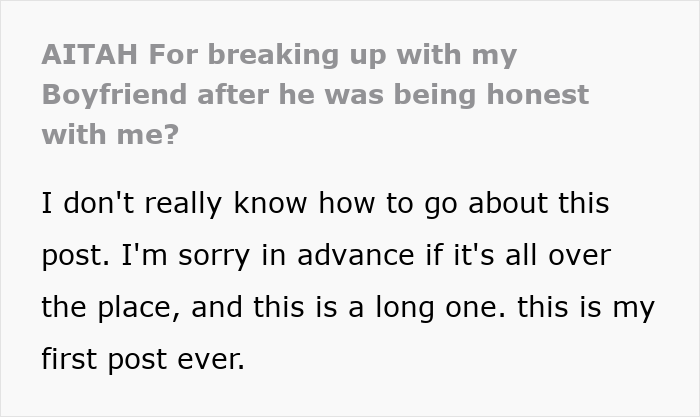
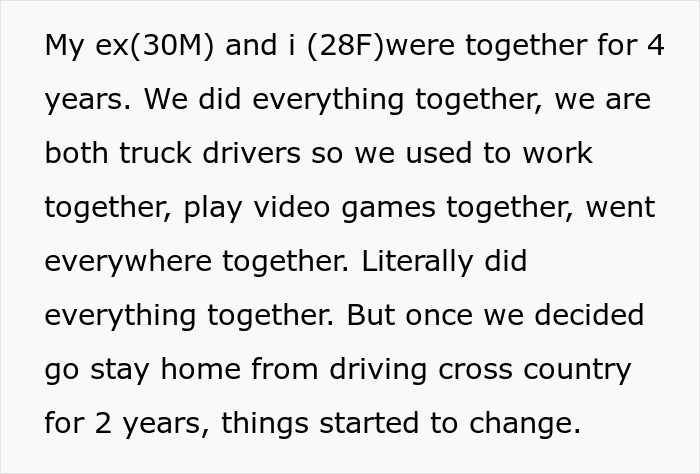
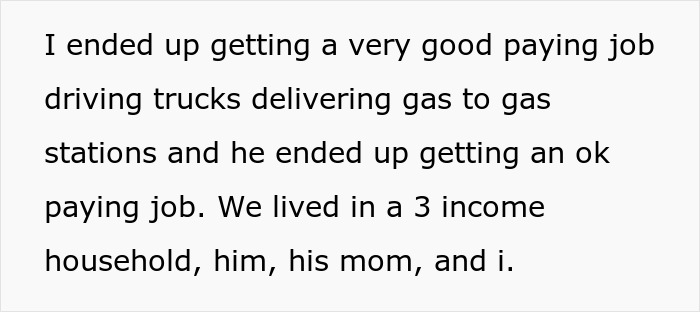
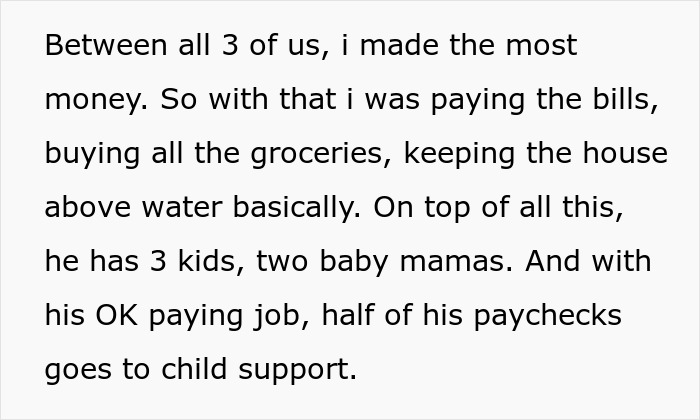

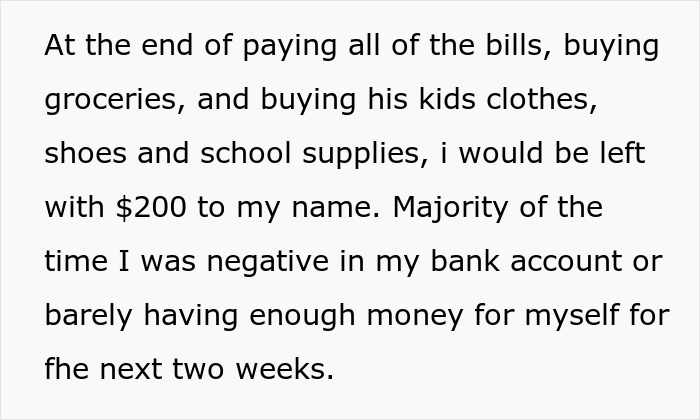
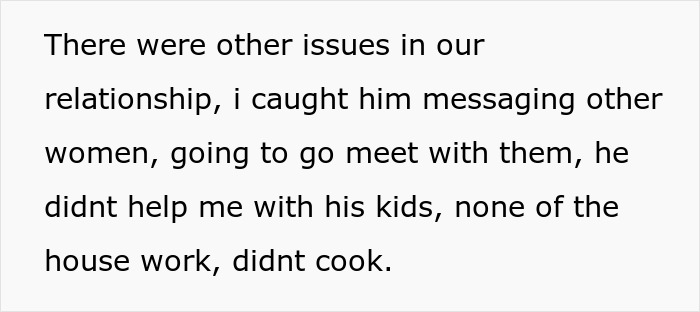

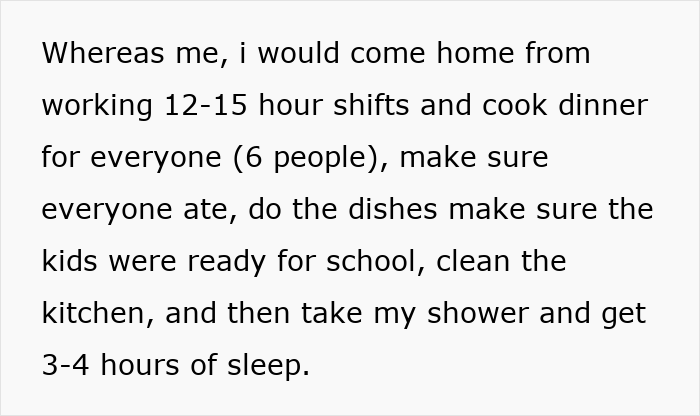
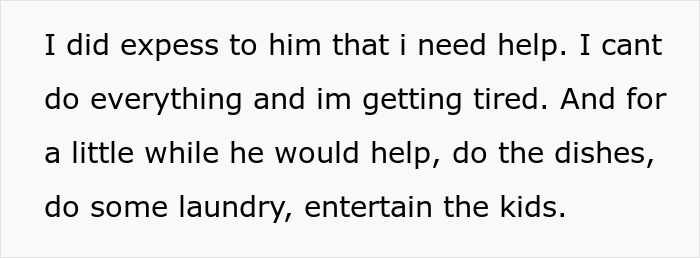

Image credits: prostooleh / Freepik (not the actual photo)
Meanwhile, her boyfriend clocked out of responsibility completely, spending his time gaming, ditching chores, and even messaging other women behind her back
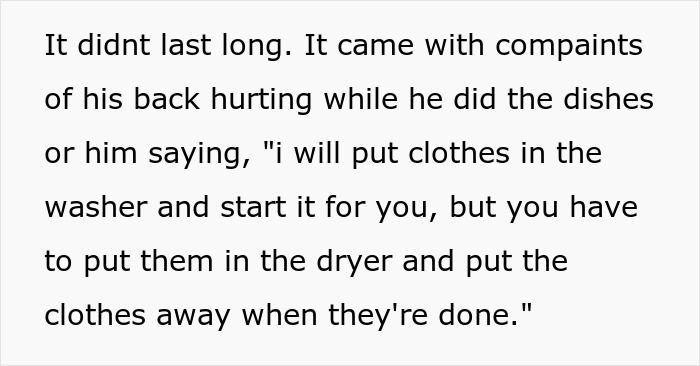

Image credits: alpakavideo / Freepik (not the actual photo)
Just when things already felt overwhelming, he dropped a “confession” that wasn’t just shocking, it completely changed how she saw him

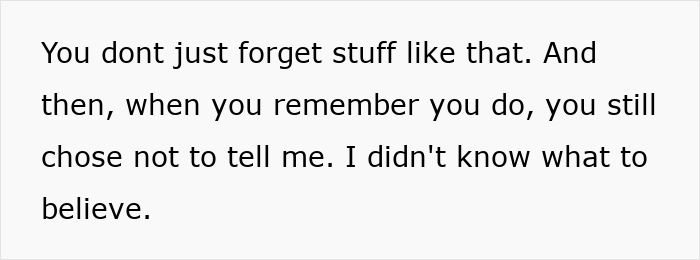
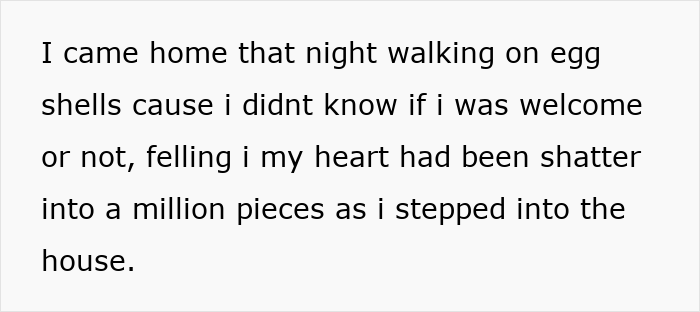
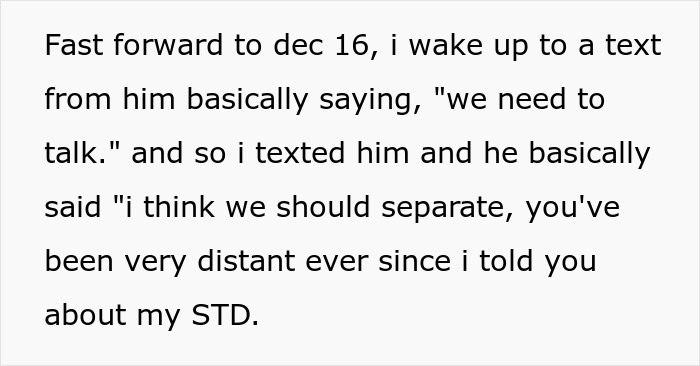
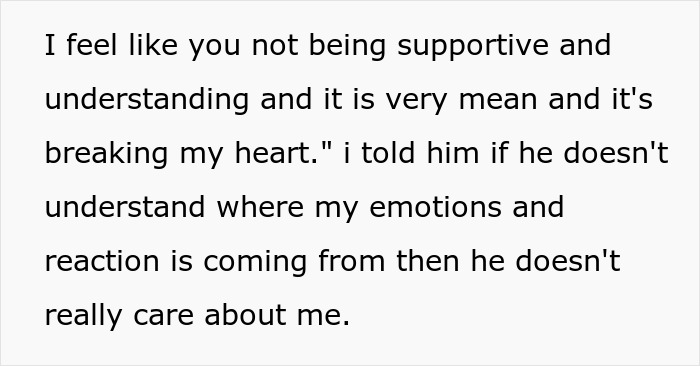
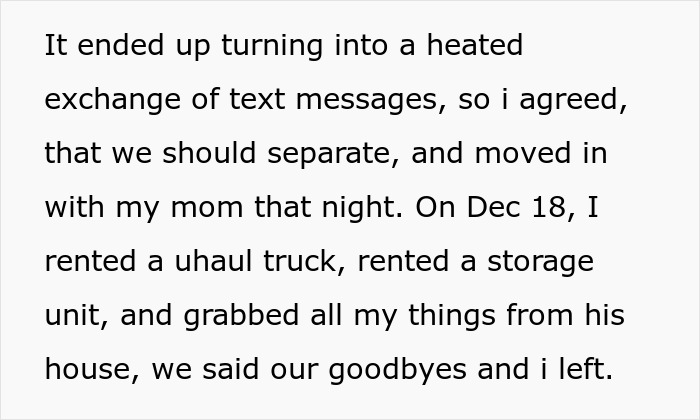

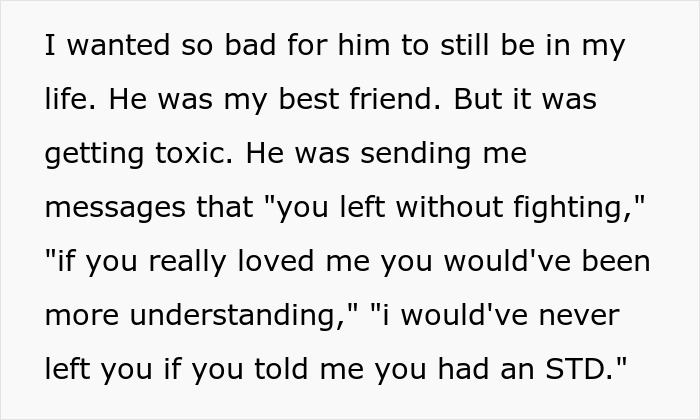
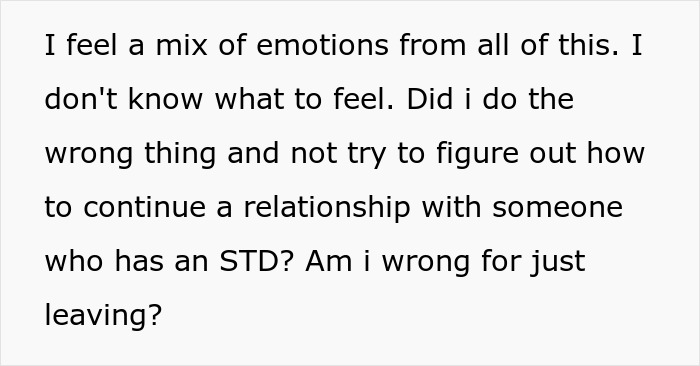

Image credits: namii9 / Freepik (not the actual photo)
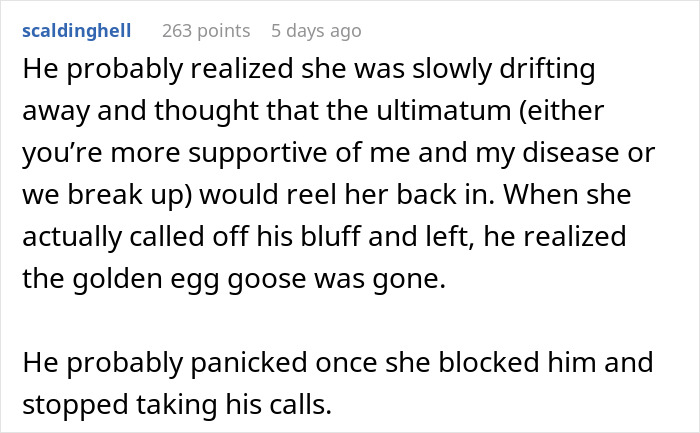
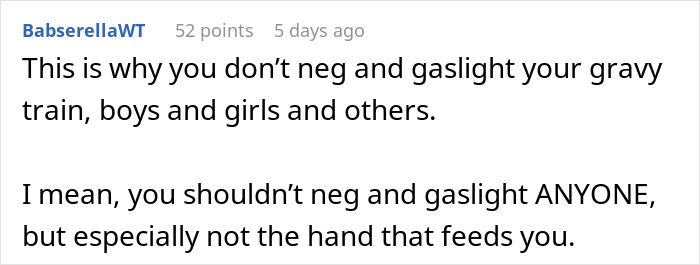
Instead of understanding her reaction, he flipped the script, accusing her of being distant and “unsupportive” after his STD revelation, so she bailed

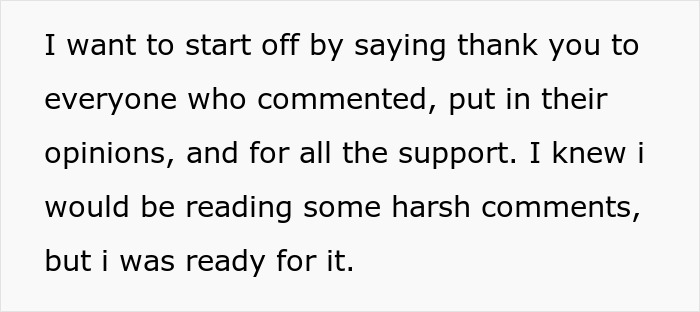
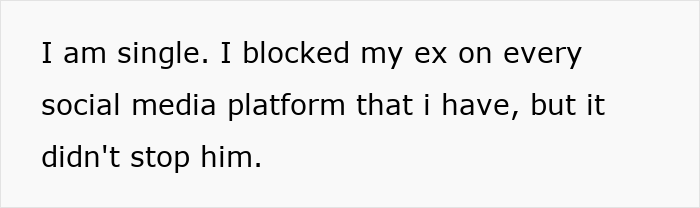
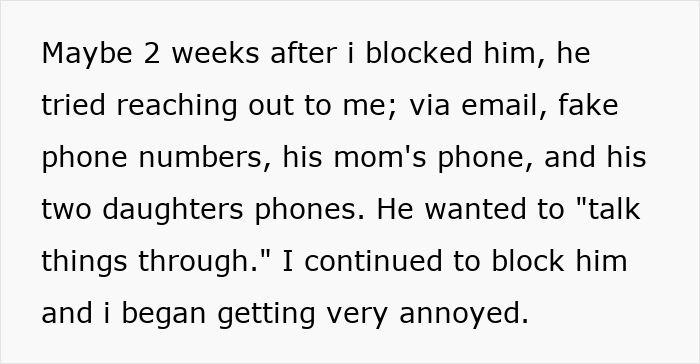
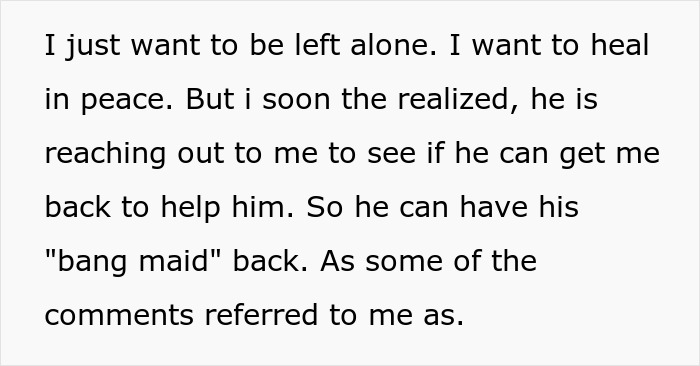
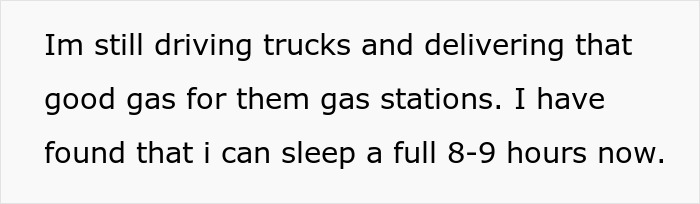
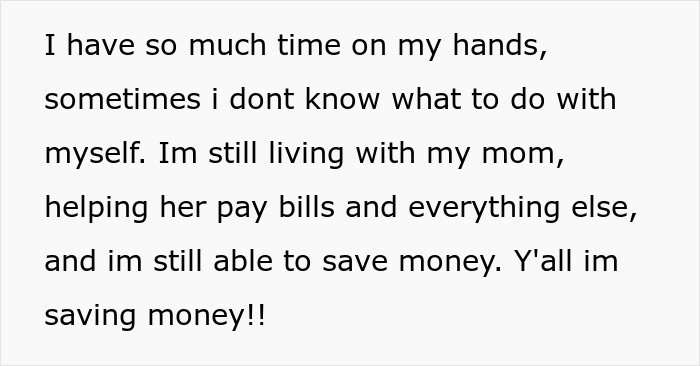
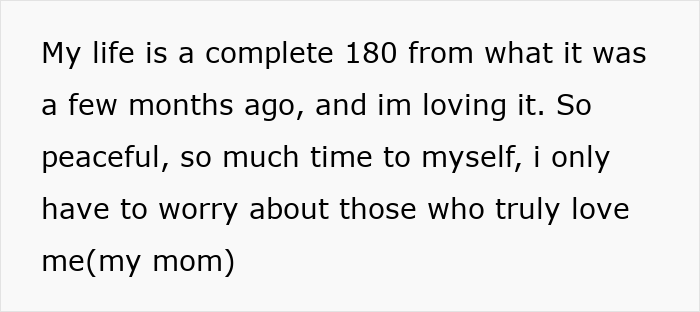
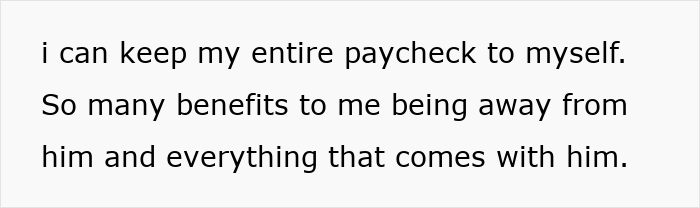
Image credits: PedalSmasher97
Walking away didn’t destroy her, it gave her peace, financial freedom, and the kind of quiet, stable life she told netizens she hadn’t realized she was missing
The original poster (OP) had been with her boyfriend for four years, and at first, it felt like a real partnership. They worked together as truck drivers, gamed together, and were practically inseparable. But once they stopped long-distance driving and settled into a more routine lifestyle, things began to shift in ways that were hard to ignore.
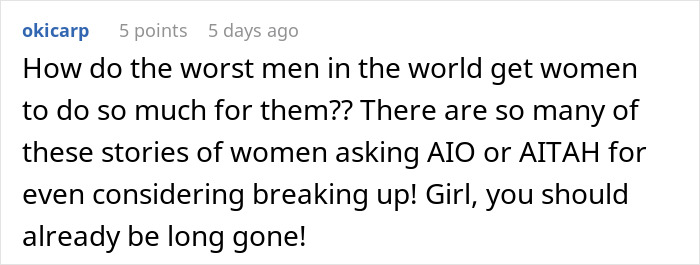
OP landed a better-paying job, while her boyfriend’s income stayed modest. Living with him and his mother, she became the main provider, covering bills, groceries, and most household expenses. His contributions barely stretched beyond his own costs and child support, turning what once felt shared into something noticeably one-sided over time.
But it wasn’t just financial. OP described coming home from 12–15-hour shifts only to cook for six people, clean, and get the kids ready for school, all while running on minimal sleep. Meanwhile, her boyfriend relaxed with video games, helping only when asked, and even then, with complaints that made it feel more like a favor than support.
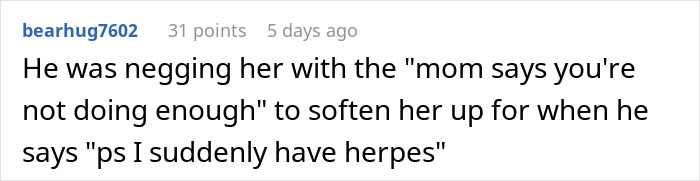
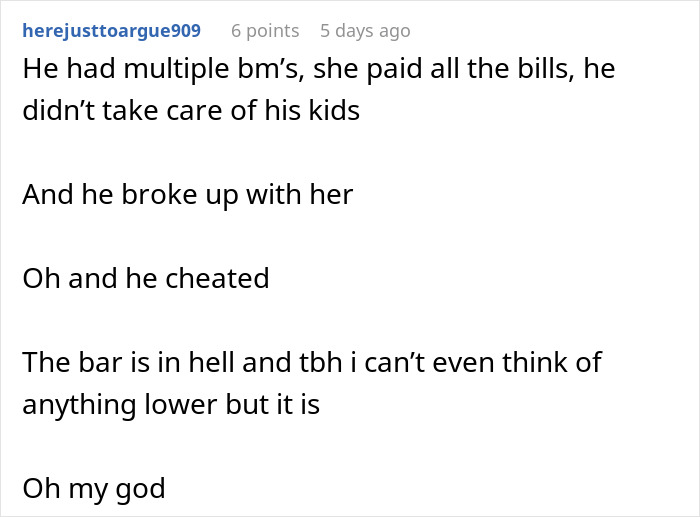
Things escalated when she discovered he had been messaging other women and trying to meet up with them. Between the lack of effort at home, emotional distance, and repeated broken promises to improve, OP felt completely shattered. She began questioning not only the relationship, but how much more she could give without losing herself.
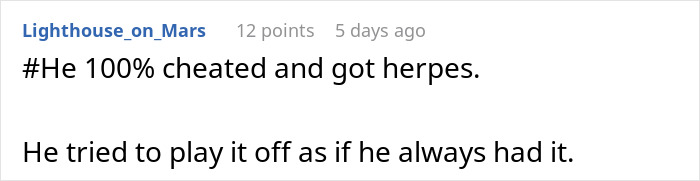
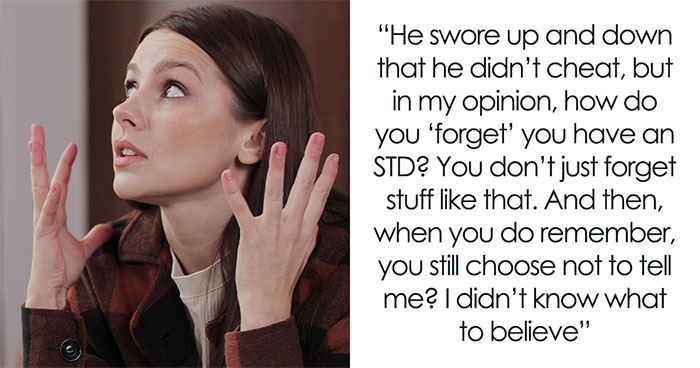
Then came the final blow. Her boyfriend admitted he had hidden a herpes diagnosis for years, claiming he “forgot” to tell her. Soon after, they separated, but he continued reaching out even after being blocked. With distance came clarity—OP is now sleeping, saving money, and finally living peacefully, realizing she deserved far more all along.

Image credits: Freepik / Freepik (not the actual photo)
What really stands out here isn’t just the shocking confession, it’s the buildup. Relationship experts often point out that major betrayals rarely happen in isolation; they tend to follow long periods of imbalance, where one partner is over giving while the other quietly checks out. By the time the truth comes out, the damage is already deep.
Then there’s the issue of disclosure. When it comes to “intimate” health, transparency isn’t optional, it’s fundamental. The pros stress that withholding something like an STD diagnosis removes a partner’s ability to make informed decisions. It’s not just about trust being broken; it’s about autonomy, consent, and feeling safe in your own relationship.
OP’s situation also highlights something many people recognize but struggle to name: unequal labor. Studies on relationship dynamics show that when one partner carries the financial load, household responsibilities, and emotional weight, burnout isn’t just likely, it’s almost inevitable. And once that exhaustion sets in, even small issues start to feel overwhelming.
Finally, there’s the aftermath, and that confusing mix of relief and guilt. Psychologists note that leaving a long-term relationship, even a toxic one, often comes with second-guessing. But distance can bring clarity. As OP discovered, sometimes walking away doesn’t mean you failed, it means you finally stopped accepting less than you deserved.
In the end, this wasn’t just about one secret, it was about everything leading up to it. The imbalance, the burnout, the broken trust. Walking away didn’t cost OP her relationship, it gave her something far more valuable: a life that finally feels like her own.
What would you have done if you’d been in OP’s position? Is “honesty” enough if it comes so late, or was leaving her only real option? Drop your thoughts in the comments!
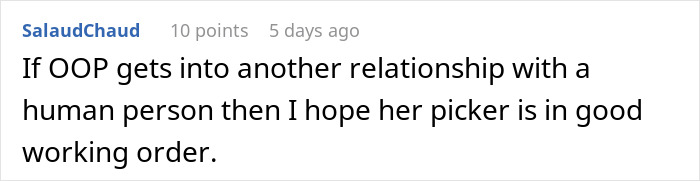
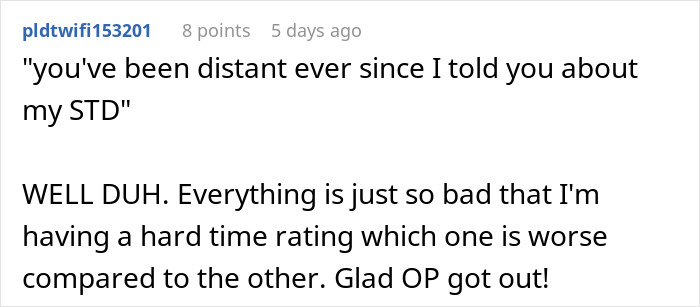
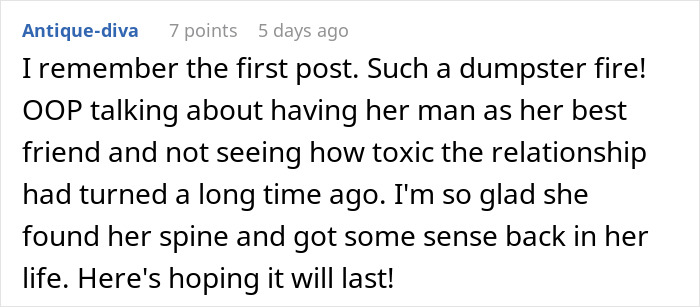
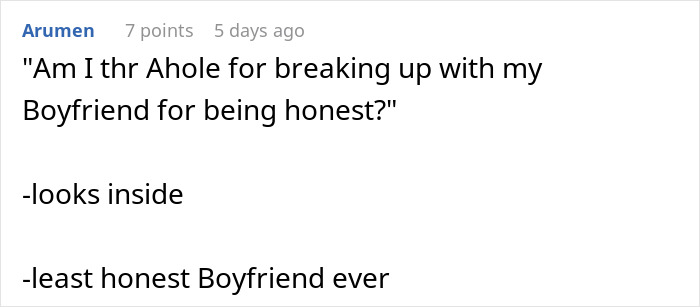
In the comments, readers suggested the original poster needed some therapy and probably a few more STD tests