
Up next

Police Theft – HotAir
Charles Rocket is remembered as one of the strangest “what if” stories in modern comedy, because his talent was never the question. The question was timing, trust, and whether a performer built for characters and control could survive the chaotic pressure-cooker of Saturday Night Live. Rocket had the face of a leading man, the rhythm of a sketch performer, and the confidence of someone who could carry a live broadcast. He also entered the show at the exact moment it was at its most unstable.
Before most people ever connected his name to Saturday Night Live, Rocket had already been doing the work that separates real professionals from hype. He was trained, experienced, and comfortable playing both slick and ridiculous. That range is what made him valuable. It is also what makes his career worth revisiting now, because his film and TV credits show a guy who kept finding lanes even after the biggest door in comedy slammed shut.
Early Career: A Working Actor With Real Range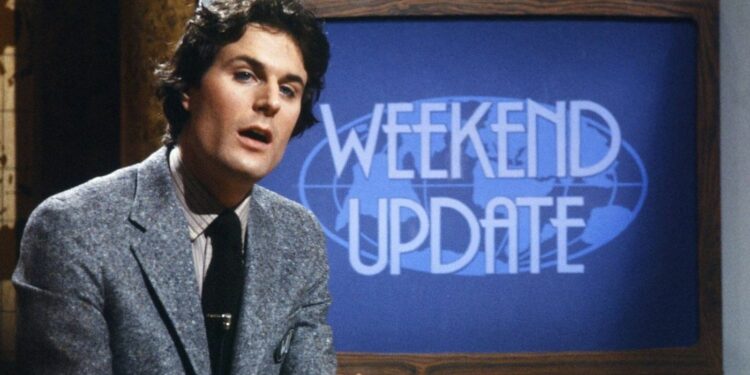
Rocket was not a random casting gamble. He came in with momentum, and he had the kind of clean-cut presence that producers often trust when they need a reliable anchor inside an ensemble. He could play authority, he could play insecurity, and he could shift tone fast. That matters in comedy, because the best performers are not “funny” in one gear. They can be threatening, pathetic, charming, or clueless, sometimes in the same scene.
He also understood something most viewers miss: being a steady working actor is often more impressive than being a headline star. If you can consistently land parts, you are doing something right in a brutally competitive industry. That is why his pre-Saturday Night Live path reads like a blueprint for durability, even if the most famous chapter of his resume is also the most turbulent.
The ‘Saturday Night Live’ Era: A Perfect Storm of Bad Timing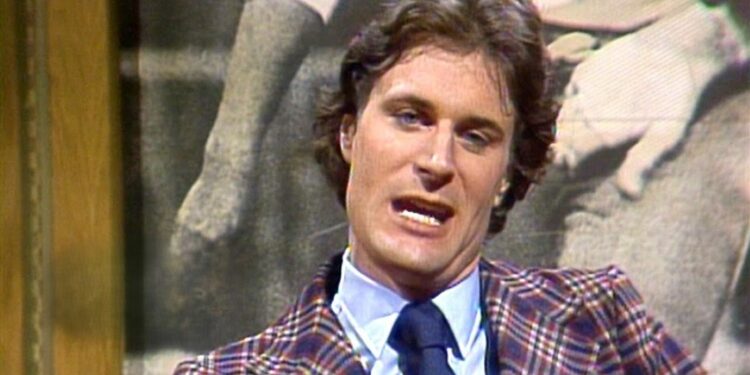
Rocket joined Saturday Night Live during a transitional period that would have tested even the most protected cast member. Lorne Michaels had stepped away, leadership changed, and the show was trying to redefine itself with a new mix of voices. Those years are notorious because the margin for error shrinks when a show is fighting for identity, ratings, and credibility at the same time. In that environment, a single moment can define you more than months of solid work.
Rocket’s time on the show is often reduced to one headline, but the deeper story is how live TV can magnify pressure until it becomes a trap. The cast is expected to be fearless, but also controlled. They are expected to break rules, but not the rules that get executives in trouble. That contradiction is why performers either learn the politics quickly, or get swallowed by them.
One infamous episode featured a parody tied to the “Who shot J.R.?” mania from Dallas, hosted by Charlene Tilton. Rocket delivered a line in the closing moments that crossed a line for network television at the time, and that moment became the narrative people attached to him. When leadership shifted again, the new regime cleaned house. Rocket was out, and the story hardened into a cautionary tale about live-wire risk.
After ‘Saturday Night Live’: Resetting Without the Safety Net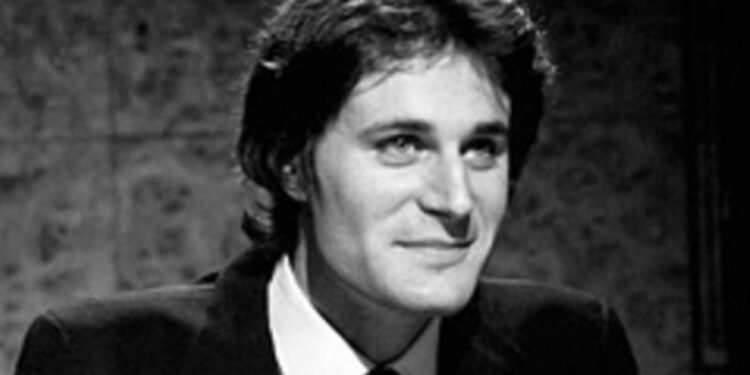
For most performers, leaving Saturday Night Live can either become a launchpad or a crater. The difference is not talent. The difference is access, perception, and whether the industry decides you are “usable” again. Rocket did what many overlooked actors do when the spotlight turns cold: he worked. He took roles across TV and film, built new relationships, and kept showing up until he was no longer a punchline.
What’s underrated about his post-show stretch is how he avoided becoming stuck in one type. He could play the polished guy who hides ugliness under charm. He could play the loud ego. He could play the slightly off authority figure. If you look at his career through that lens, you see a performer who kept translating his strengths into opportunities, even if the opportunities were not always glamorous.
Film Roles: Where Rocket Was Quietly Effective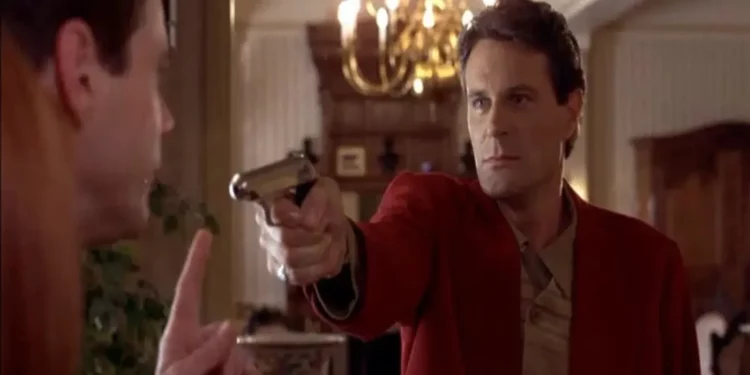
Rocket’s film work is where many people realize he was more than an “SNL footnote.” In Dumb and Dumber, he lands as a memorable presence because he commits to the tone without overplaying it. That is the secret sauce in broad comedy: you need someone who acts like the world is real, so the absurdity hits harder. When a performer understands that balance, the scene works even if it is small on paper.
He also appeared in movies that demanded different textures, which is why his resume shows range rather than a single lane. His filmography is a reminder that “iconic” does not always mean leading roles. Sometimes it means being the actor casting directors keep calling when they need a specific energy: confident, slightly slippery, and capable of making a scene feel sharper without stealing it.
Television Work: A Long Tail of Guest Spots and Character Parts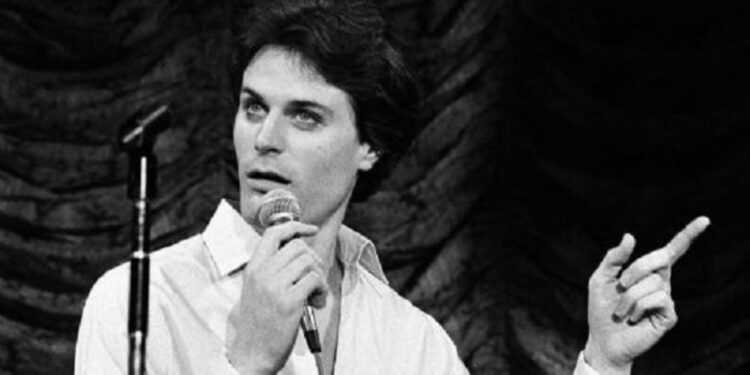
Television was another place Rocket kept building a living, even when he was not trending. Guest roles are where many actors prove their craft, because you have to establish a character fast, hit the tone of an existing show, and get out without breaking the world. Rocket did that kind of work repeatedly. That is not flashy, but it is professional, and it is why working actors can stay employed for decades.
His TV appearances also highlight something viewers rarely track: the long tail of credit-building. A performer can stack enough solid work that casting becomes easier over time, because you are now a known quantity. That is how careers survive even after public narratives get ugly. If you can keep delivering, people keep hiring, even quietly.
What Happened After: The Reality Behind the Headlines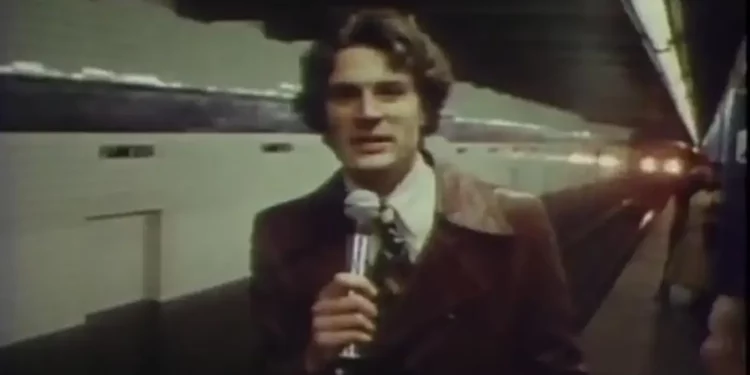
Rocket’s legacy is complicated because it sits at the intersection of talent, public perception, and personal struggle. It is also important to be precise here. In 2005, Rocket died by suicide. That fact does not “explain” his career, but it does reframe how we talk about it. Entertainment often turns people into trivia, and Rocket’s story is a reminder that real lives sit behind the clips and the quotes.
One of the most revealing comments about him came from Gilbert Gottfried, who emphasized that Rocket was more than the one moment people kept repeating. That is the part worth holding onto. Careers are not single incidents. They are patterns: work ethic, adaptability, relationships, and resilience. Rocket had the tools to keep working, and he did. The tragedy is that the public story rarely matches the full human one.