We’re all told how students are facing a ‘never-ending cost-of-living crisis’, unable to afford the most basic of necessities without falling into debt, borrowing from the Bank of Mum and Dad, living at home or working a part-time job.
But are they really any worse off than the students of the past were, or should they perhaps accept that the pursuit of higher education has always come with its own set of struggles?
To put that theory to the test, the Daily Mail investigated the price of some essentials in the 1970s compared to the cost today, including a dozen eggs, a loaf of bread… and of course, a pint of beer.
In the ’70s, university funding was cut and grants were around only £380 before increasing to £1,430 in 1980. Many school leavers opted to forgo sixth form over fears they wouldn’t be able to find a place at a university due to the cuts.
Today, as some students struggle with mounting debt and maintenance loans that fall short of their actual costs, more than half of parents are helping by giving their children at least £200-a-month towards their expenses, a recent survey from the National Union of Students (NUS) revealed.
But do the prices that modern students encounter really vary that much from the 70s?
For instance, a loaf of bread 56 years ago cost 10p, but the inflation-adjusted price would’ve been £1.28, just 12p less than today’s price.
Meanwhile, if you wanted a kettle for your university flat in the Disco Era, you’d have shelled out a whopping £101.76, compared to £20 in 2026.
So, do students today really have it that much worse? You decide! Read on to explore the prices of some products in the 1970s compared to the cost today…
A pint of beer
Even in Coventry, which is the UK’s least expensive city for a pint, a beer will cost you £3.84, while the average in London is an eye-watering £6.74.
The average cost of a pint soared past £5 for the first time last year when Rachel Reeves’ increase in minimum wage and National Insurance contributions forced pubs to put up prices.
In the 1970s, students could enjoy a pint for just 18p and even when adjusted for inflation, it’s still a much more palatable price than today.
IN THE 1970s: 18p
Inflation-adjusted price: £2.30
NOW: £5.50
A loaf of bread
For those late night rounds of toast after a night in the pub, or with beans on top as part of the staple student diet, a loaf of bread cost just 10p five decades ago.
While the price has risen, there’s not a huge difference when inflation is taken into account. The average loaf will set you back just 12p more.
IN THE 1970s: 9/10p
Inflation-adjusted price: £1.28
NOW: £1.40

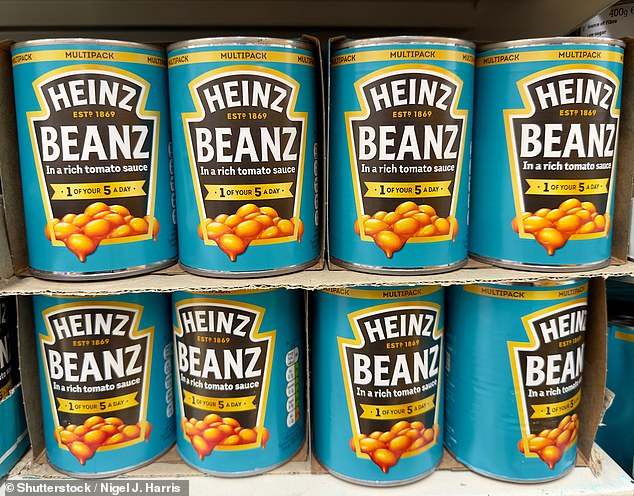
A tin of Heinz beans cost an inflation-adjusted price of £1.02 in the 1970s. Today, the item will often cost customers £1.45 (stock photo)
A tin of beans
As a topping for the aforementioned toast, beans have always been a key part of the student diet.
Indeed, in the 1970s when convenience food was only starting to creep into daily diets, a tin of beans was the ultimate speedy dinner.
The difference in price between the 1970s and today is 43p, when inflation is taken into account – a much bigger margin than bread.
IN THE 1970s: 7-8p
Inflation-adjusted price: £1.02
NOW: £1.45
Cornflakes
Breakfast cereal was another staple convenience food before microwave meals came along.
Costing just 11p, they were the bowl of choice for many students in the ’70s – whether that be for breakfast, dinner or supper.
However, with an inflation-adjusted price of £1.41, this is one area where today’s university goers don’t fare as well. The price of cornflakes on average in 2026 is £2.50, an increase of more than a pound.
IN THE 1970s: 11p
Inflation-adjusted price: £1.41
NOW: £2.50
Eggs
Eggs were a staple, affordable food, and were central to the decade’s popular Full English, which cemented its place as a hearty, easy-to-cook meal for students.
Priced at 23p, those in the 70s actually had to pay more for a dozen eggs – despite the produce’s popularity.
Now, the eggs will cost students an average of £1.80, compared to the inflation-adjusted price of £2.94.
IN THE 1970s: 23p
Inflation-adjusted price: £2.94
NOW: £1.80
Bananas
First seen and sold in Britain by Thomas Johnson – a botanist and apothecary – in 1633, bananas were household essentials by the ’70s.
They’d cost you less than a dozen eggs for a pound, but more than a loaf of bread and tin of beans, at the price of 16p.
For students at the time, this was no doubt a pricey decision to make, considering the inflation-adjusted price shows it would’ve been around £2.05, more than a pound more expensive than today’s cost.
IN THE 1970s: 16p
Inflation-adjusted price: £2.05
NOW: £1.02

A loaf of bread 56 years ago cost 10p, but the inflation-adjusted price would’ve been £1.28, just 12p less than today’s price (stock photo)
A notebook:
An essential for every student, a notebook in the ’70s cost between two and ten pence.
But fast forward 56 years, and today’s offerings can range up to £15 or beyond if you’re purchasing a designer version from the likes of Harrods or NET-A-PORTER.
However, it’s unlikely that many students on an average budget would splash that much cash and notebooks are available for £1 to £2 at several supermarkets.
IN THE 1970s: 2p to 10p
Inflation-adjusted price: £1.28
NOW: Up to £15
Fish and chips
Takeaways are a must for any student, especially when dealing with a hangover or when deadlines are looming.
And there’s no doubt about it, we’re a nation of fish and chip lovers, with Friday lunch reserved for the humble chippy dish.
But, it’s bad news for today’s students. The cost has increased from £2.56 (20p in the seventies) to £9.
IN THE 1970s: 20p
Inflation-adjusted price: £2.56
NOW: £9
TV licence
For many students, they’ll be paying bills such as a TV license for the first time – and the price of such will likely be a shock, considering it now costs £174.50.
Yet this is only around £20 more than what university goers in the seventies would’ve paid, if they’d have indulged in a TV.
IN THE 1970s: £12
Inflation-adjusted price: £153.60
NOW: £174.50
A cinema ticket
Between exams, lectures and seminars, some students still like to relax with a trip to the movies.
In the seventies, the price of a cinema ticket was 50p (an inflation-adjusted price of £6.40).
Nowadays, it’ll cost a pricey £10.99 in some towns to see the latest films – or even more than that if you go to certain viewings, such as in London or at a cinema with recliners and sofas.
IN THE 1970s: 30p to 50p
Inflation-adjusted price: £6.40
NOW: £10.99
A kettle
Living off Pot Noodles whilst in the chaos of exam season is a rite of passage for many modern students.
However, owning a kettle to make the dish appeared to be an untold luxury in the era of disco.
They were priced at £7.95 – a staggering £101.76 in today’s money, rather than the cheap £20 price tag of kettles nowadays.
IN THE 1970s: £7.95
Inflation-adjusted price: £101.76
NOW: £20
20 cigarettes
In 1974, 46 per cent of adults in the UK smoked, according to the Office for National Statistics. Half (51 per cent) of men smoked, while 41 per cent of women did.
In 1976, 16.8 cigarettes a day were being consumed on average, with 20 cigarettes costing 26p (£3.33 when inflation is taken into account).
But the cost of the product has since increased to £14.75 – and in 2023, just 11.9 per cent of adults in the UK smoked.
IN THE 1970s: 26p
Inflation-adjusted price: £3.33
NOW: £14.75
Pint of milk
It was the time of milk being delivered daily to your doorsteps in glass bottles, priced at just 5p (64p when adjusted for inflation).
The price isn’t hugely different these days – with students being able to purchase a pint for 85p.
IN THE 1970s: 5p
Inflation-adjusted price: 64p
NOW: 85p
Margarine
If you’re buying beans and toast, you can’t forget the margarine or butter – and for a student in the ’70s, this would’ve apparently cost just 23p (£2.94 in today’s money).
These days, it’s a slightly higher cost at £3.50.
IN THE 1970s: 23p
Inflation-adjusted price: £2.94
NOW: £3.50
Coffee
The main part of any student’s diet? Coffee! How else will they make that last-minute deadline or keep themselves awake in another dry lecture?
From the seventies to today, coffee seems to have maintained its price when inflation is taken into consideration.
IN THE 1970s: 32p
Inflation-adjusted price: £4.10
NOW: £4.99
24″ TV
By the 1970s, 93 per cent of homes featured televisions, but they weren’t cheap.
They cost £857.57 in today’s money. In comparison, modern students can purchase a basic TV for £99.
IN THE 1970s: £67
Inflation-adjusted price: £857.57
NOW: £99 to £200+
The prices above are the average cost found in the early 70s, compared to the average price today, according to statistics on websites such as Age UK and the Office for National Statistics.