Exploring the Flamboyant World of Baz Luhrmann’s Films
Baz Luhrmann’s signature style is unmistakable. With a penchant for grandiosity and a keen eye for visual spectacle, his films have carved a niche in the cinematic world that’s both dazzling and distinct. Let’s embark on a chronological journey through his filmography, witnessing the evolution of a filmmaker who isn’t afraid to blend the bombastic with the poetic.
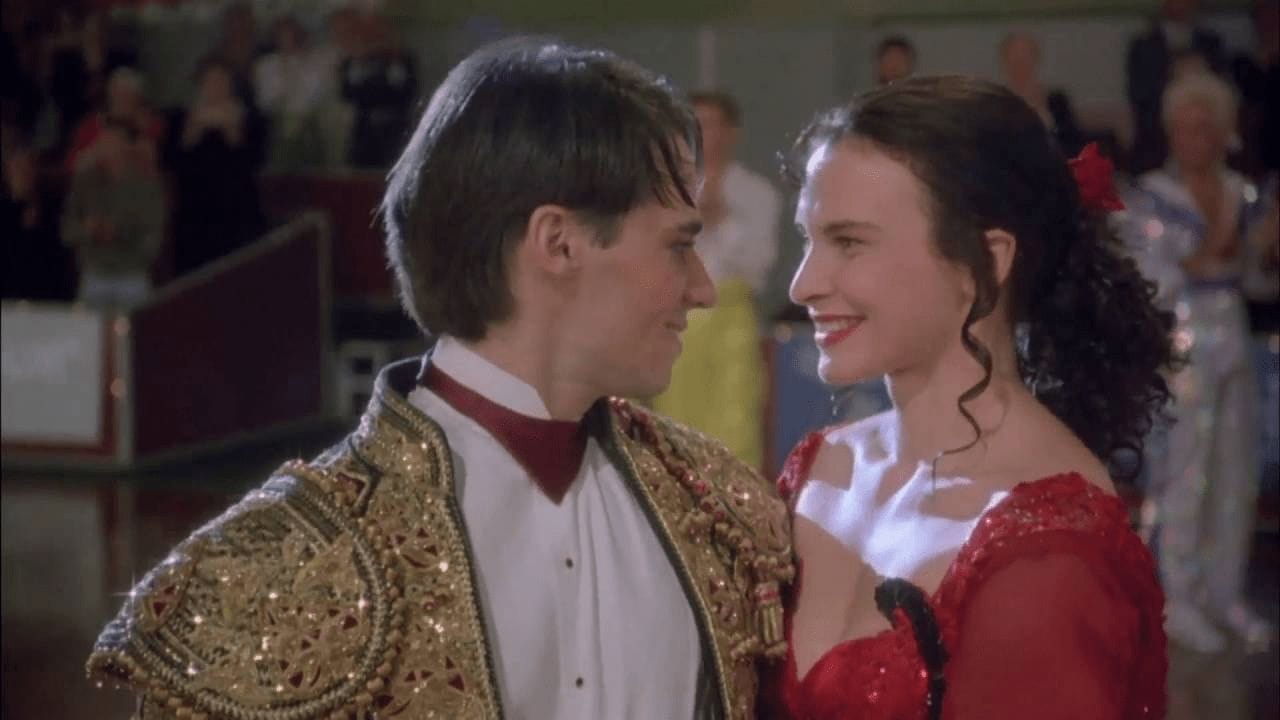
A Dazzling Debut Strictly Ballroom
The film that started it all, Strictly Ballroom (1992), was Baz Luhrmann’s first step into the limelight. This musical comedy not only marked his debut but set the stage for his future works with its vibrant energy and defiance of convention. This bright, breezy and immensely likable musical comedy, a remarkably confident film debut for co-writer/director Baz Luhrmann, looks set to waltz away with a sizable box office return when it opens Down Under
. The film’s narrative, centered around a young dance star’s rebellion against the rigid dance competition rules, resonated with audiences worldwide, introducing them to Luhrmann’s exuberant narrative style.
The Bard Meets Modernity in Romeo + Juliet
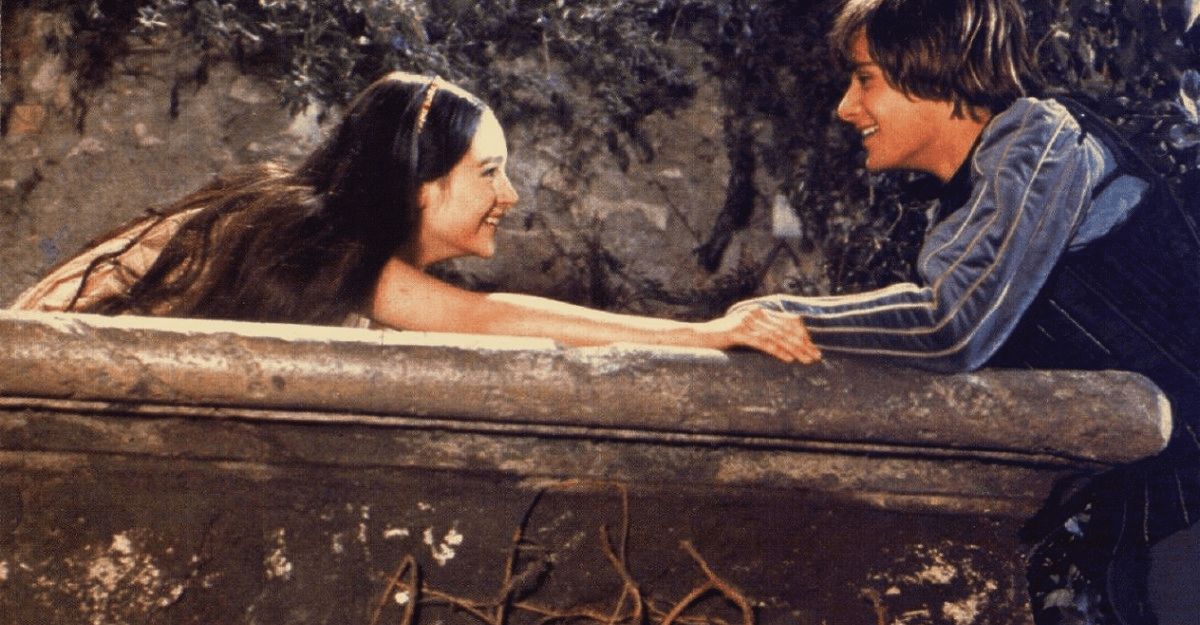
In 1996, Luhrmann took on the daunting task of reimagining Shakespeare with Romeo + Juliet. His modern retelling stayed true to the original text while infusing it with a contemporary aesthetic that captivated a new generation. It hinges on words and poetry, fitting for the Shakespeare adaptation, and showcases Luhrmann’s innovative approach to classic literature.
A Musical Spectacle Moulin Rouge
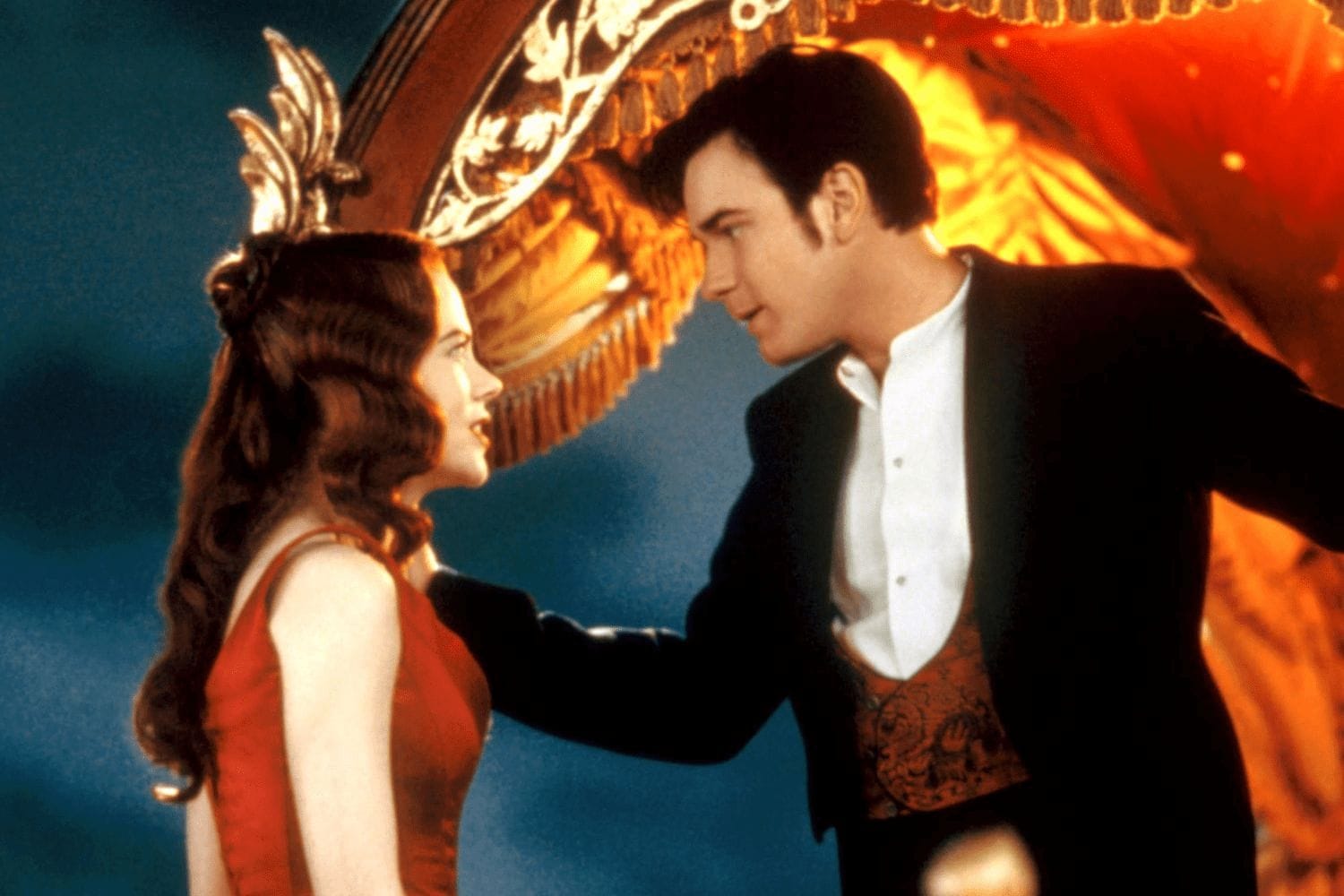
With Moulin Rouge! (2001), Luhrmann crafted an extravagant musical that pays homage to the magic of song and stage musicals. The film is celebrated for its dazzling aesthetics, an addictive pop soundtrack, and sweeping romance. It features career-defining performances by Nicole Kidman and Ewan McGregor and has developed an enduring following over two decades. The film also garnered eight Academy Award nominations, winning two.
An Epic Tale of Love and War Australia
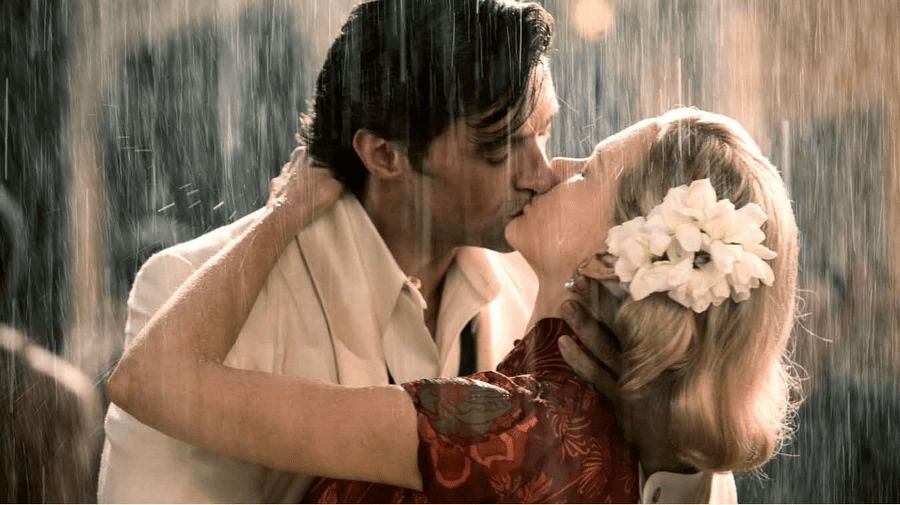
Australia (2008) represented an ambitious departure for Luhrmann into the genre of epic romantic historical dramas. Set against the backdrop of World War Two, it tells the story of an English aristocrat who teams up with a rugged cowboy and an Aboriginal child to save her ranch. Geoff Brown noted, This is the marketing tool for Australian film…shot in Australia with an Australian cast, crew…and we are seeing this as a calling card to the world
. The movie was also one of the first to take advantage of new tax incentives for film production in Australia.
Jazz Age Extravaganza The Great Gatsby
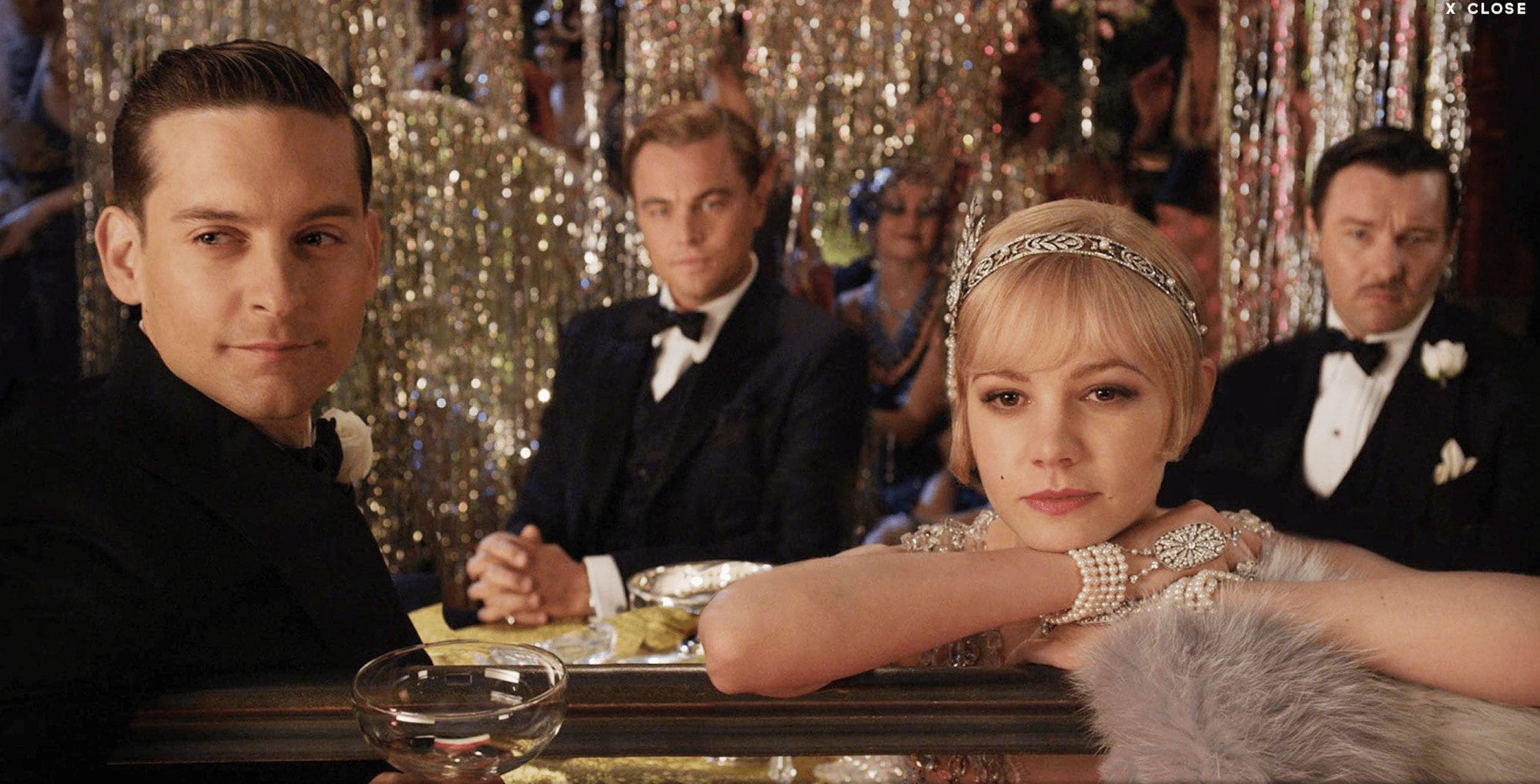
Luhrmann’s interpretation of The Great Gatsby (2013) is nothing short of a visual feast. His version stands out among several attempts to adapt F. Scott Fitzgerald’s novel, injecting it with his trademark ‘Bazz Age’ flair—Welcome to the Bazz Age
. The film’s soundtrack was curated by Jay-Z and combines Gershwin with modern hip-hop to create a unique audiovisual experience that complements Luhrmann’s opulent visual style.
A Biographical Triumph Elvis
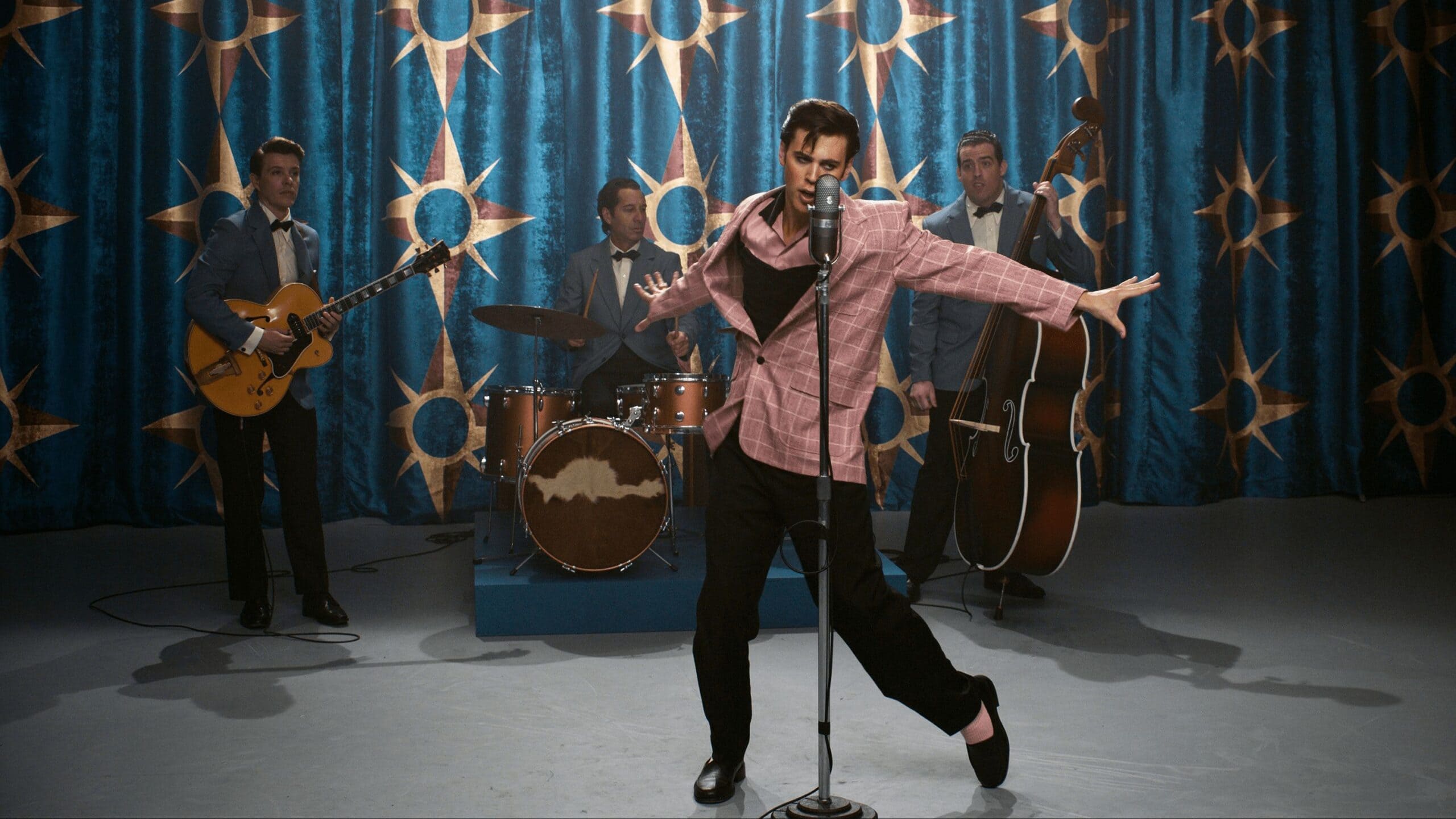
The latest addition to Luhrmann’s oeuvre is Elvis (2022), which delves into the life of Elvis Presley. The film stars Austin Butler in a performance that has been described as both authentic and respectful—There was something magical about his performance that just felt so authentic and real
. It has received critical acclaim including Oscar nominations for Best Picture and Best Actor, showcasing Luhrmann’s ability to create immersive narratives.
The Everlasting Impact of Baz Luhrmann’s Cinematic Vision
From ‘Strictly Ballroom’ to ‘Elvis’, Baz Luhrmann has demonstrated a unique ability to blend theatricality with emotional depth. His films have not only pushed boundaries but also left an indelible mark on viewers’ hearts. As we’ve revisited each milestone in his career, it’s clear that Luhrmann’s films are more than just movies; they are vibrant celebrations of life itself.