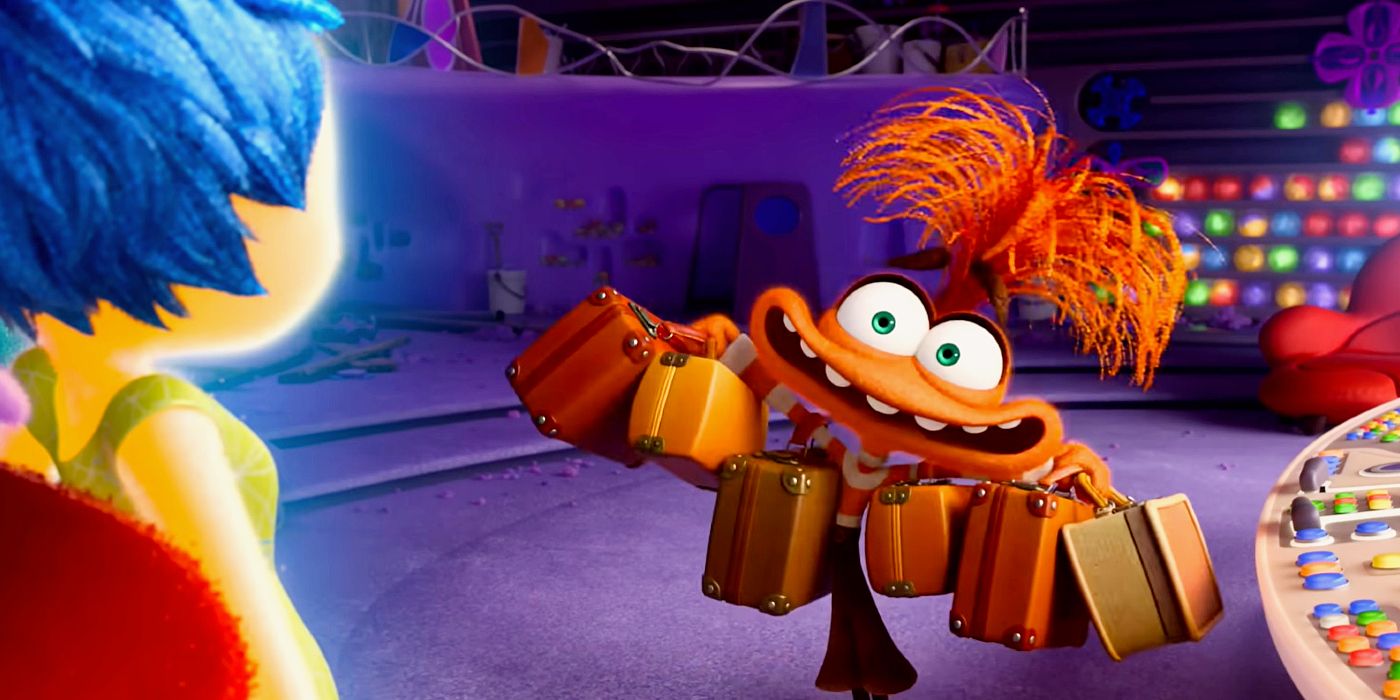
With the release of Inside Out 2, fans eagerly anticipated a film that could match the magic of its predecessor. The movie introduces new emotions to Riley’s ever-evolving mindscape, including Anxiety, played by Maya Hawke, adding poignant complexity to the narrative.
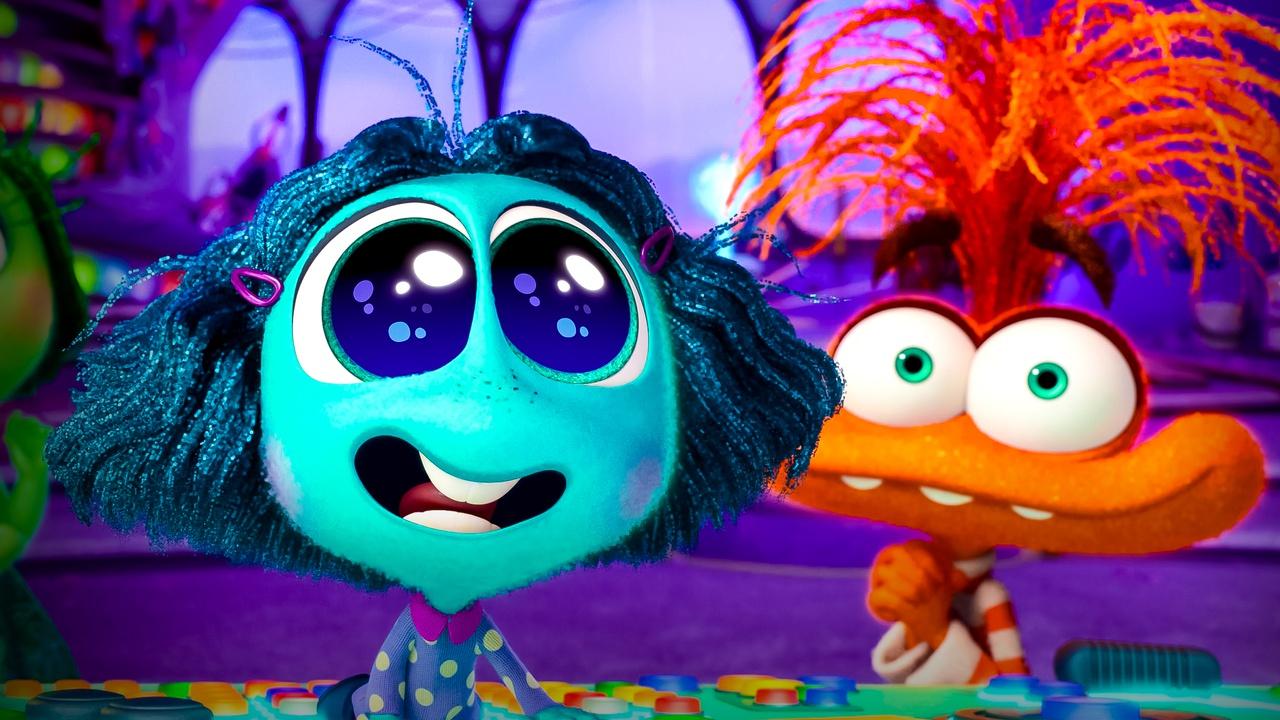
New Emotions Redefining Riley’s Journey
The sequel brings four new emotions: Ennui (Adèle Exarchopoulos), Embarrassment (Paul Walter Hauser), Envy (Ayo Edebiri), and of course, Anxiety. Each of these characters helps to explore Riley’s maturation and adds depth to the emotional conflicts she experiences. As director Kelsey Mann points out, Riley’s life requires more sophisticated emotions than all of you
.
The Hockey Match Showcase
The film kicks off with an intense hockey match where Riley shines. This pivotal scene not only showcases her athletic prowess but sets the stage for the emotional rollercoaster ensuing within her head. Scenes such as the one where Anxiety bulldozes other emotions, stirring up chaos during a critical game moment, truly highlight the inner turmoil adolescents face.
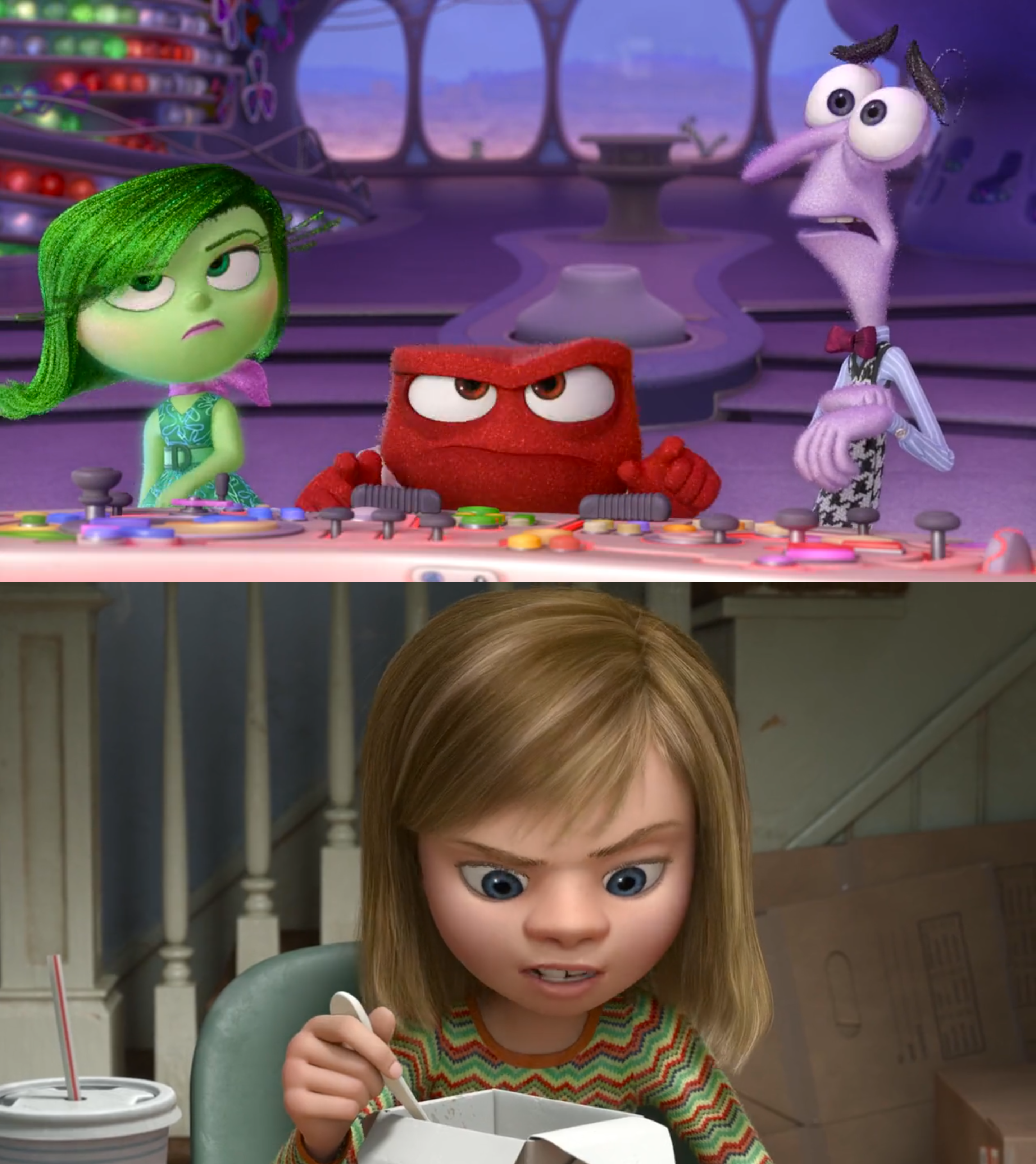
The visually gripping scenes convey a deeper atmospheric tension through drastic color changes, emphasizing the emotional conflicts transpiring inside Riley’s mind.
Nostalgia Adds Humor
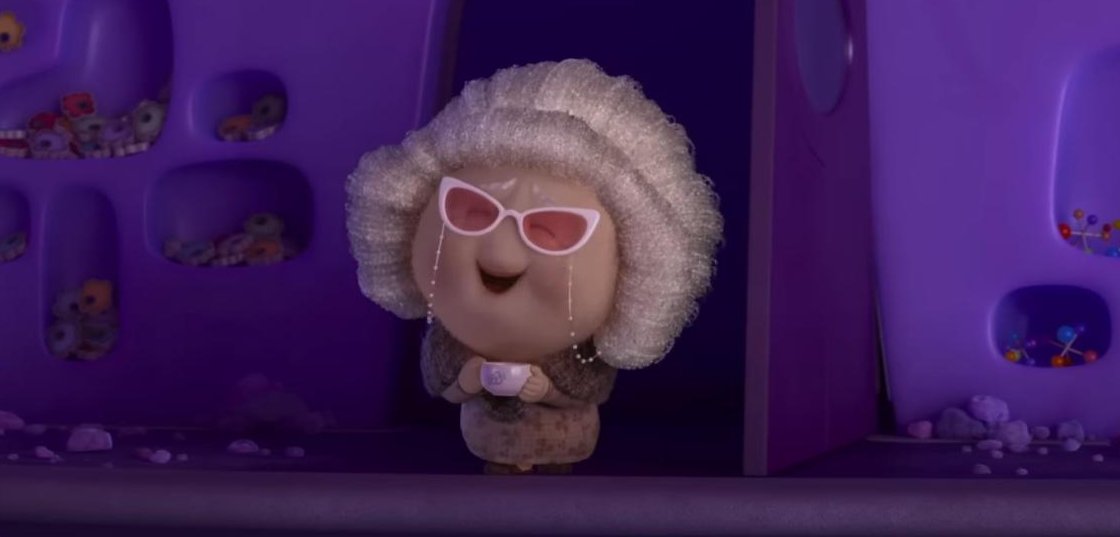
Adding to this emotional array is Nostalgia (June Squibb), who frequently pops in for comic relief with her pink-tinted glasses and cup of tea. Her timely entrances offer comic relief and a relatable touchstone for audiences reminiscing about their past.
Complex Emotional Dynamics
A significant element in Inside Out 2 is the conflict over forming new belief trees within Riley’s head. Anxiety, leading this charge, seeks to shift Riley’s identity towards fitting in with a popular hockey team—the Firehawks—at the expense of her old friendships. This juxtaposition of old versus new emotions is a powerful reflection on adolescent identity crises.
Inevitably, this results in vivid, albeit predictable conflicts. Despite their importance, characters like Embarrassment, Envy, and Ennui sometimes feel underdeveloped compared to the original core emotions. This lack of depth makes them appear more as plot devices rather than fully fleshed-out characters.
The Nostalgic Void of Bing Bong
The absence of heartwarming characters like Bing Bong from the original is deeply felt. New characters like Pouchy and Bloofy try to fill this void but ultimately fall short. They miss the poignancy and emotional investment Bing Bong brought, offering more comic relief than substantial character development.
A Story With Familiar Themes
This sequel continues to uphold Inside Out‘s central theme—the acceptance of all emotions—but it doesn’t quite capture the high stakes or climatic impact audiences expected. Moments like Joy and Sadness restoring Hockey Island add nostalgic value but lack the emotional punch that defined the original.
A Conclusion That Leaves Mixed Feelings
While Inside Out 2 delivers humor and stunning visuals, its somewhat predictable plot and underdeveloped new emotions might leave some fans yearning for the depth found in its predecessor. It’s a relatable yet simplified take on growing up—often funny but occasionally falling short of its potential.