Standing on the train station platform, I wrote a letter to the next driver due to come through apologising for the trauma I was about to cause him and his passengers. I had reached my lowest point and I was going to end it all.
That week, I had been so desperate for money, I stole £600 in cash from my ex-partner’s wages to feed my gambling addiction. I was so sick and tired of seeing his face when he realised I’d done it again, sick and tired of saying sorry – and sick and tired of living the way I was. In that moment, I felt I couldn’t go on. I’d let everyone down, I was thousands deep in debt, and I truly believed everyone would be better off without me.
In that desperate moment at the station, I realised I couldn’t bring myself to cause that trauma to the train driver – instead, sobbing, I returned to my home in south London and rang the National Gambling Helpline, GamCare, for the first time and, at long last, got the help I needed.
I was lucky enough to go to an NHS rehab centre in North Wales for six weeks. We were allowed our phones for only an hour a day, and they placed gambling blockers on each handset on arrival. I had Cognitive Behavioural Therapy – rather than focusing on the addiction itself, the therapists assessed why we felt we needed to escape reality. It was very intense, both one-on-one and group sessions. It was also absolutely life-changing – the best thing I’ve ever done.
But the most astonishing thing I learned was that my gambling binges always worsened over the same few days every month – for years, my periods had been wreaking havoc with my moods, meaning that during the week I ovulated, I felt powerless, angry and unable to control my gambling. Even if I was down to my last pound, I didn’t care.

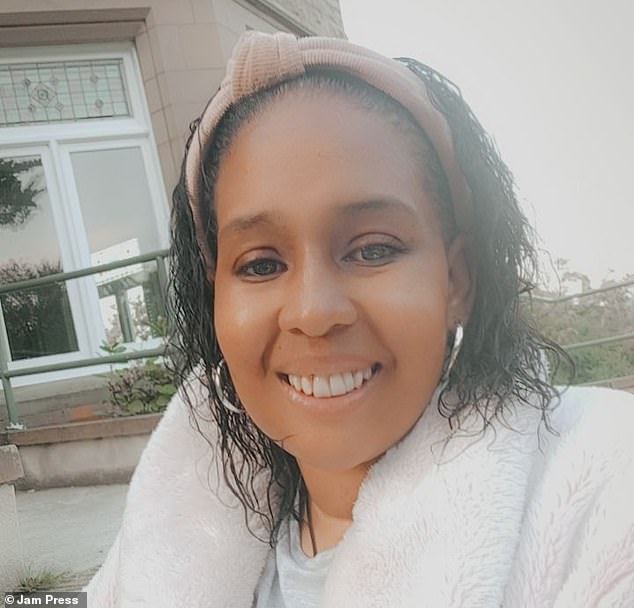
Kiki says the most astonishing thing she learned was that her gambling binges always worsened over the same few days every month
At the beginning of my recovery, I always had a week when I genuinely felt scared I’d relapse – and during rehab, I realised it was always during ovulation (week two of my cycle). That’s when I’m more impulsive, worse tempered – more likely to hit the ‘sod it’ button than at any other time in the month.
It happens to millions of women – oestrogen and progesterone suddenly drop just after ovulation, causing a dramatic mood change.
Once I realised that, I got the Flo period-tracker app and started monitoring my cycle, which has allowed me to better control and anticipate my moods. Now, I can think: ‘This week, I have to up my therapy, I have to be kind to myself.’
Now, at 40, I’ve been free of gambling for almost two years. I do volunteer work as a ‘peer aid’ mentor, working with people who come into gambling recovery, and share my experiences to raise awareness. I write a gratitude journal every day, I meditate, I have very robust support systems in place.
But how had something that started as a fun weekend habit completely taken over my life?
When I was small, the National Lottery began and my mum won £10. That exciting memory stuck with me and, when I turned 16, I realised I could legally buy scratchcards. At the time, a young girl my age had won a huge amount of money on the Lottery, and I remember thinking how life-changing that would be.
For a while it was just a fun habit, but after I had my daughter at just 21 and became a single mother, scratchcard gambling increased its grip on me.
My friend would come round at the weekend, bringing drinks and scratchcards with her, and we’d sit up all night ‘doing the cards’ – sometimes, she’d spend as much as £500 on our weekend habit. But, despite the huge sum involved, I never saw it as a ‘problem’, as I wasn’t paying for them. Fairly early on, I felt a surge of excitement as I realised I’d won £1,000, a huge sum to me then.
I’d just lost my job doing low-paid temp work, and the win gave me the idea that if I was lucky enough to win so much so soon, surely I’d win big again? I won a couple of hundred pounds here and there, the odd £50 – at that point in my life, even those sums were significant, and kept me gambling for more.
Back then, I functioned well. I was still going to work, taking my daughter to school, keeping my house clean – scratchcards were more of a ‘weekend party’ thing to do. A few of the other mums I knew would come over and, after a tough week, it felt like therapy. We’d get a takeaway, the children would watch a film, and we’d have a mums’ night in, with wine and a pack of scratchcards. We’d each pay for our own, and I was spending £50 a time.

Kiki’s gambling started when she turned 16… and realised she could legally buy scratchcards

With help, Kiki has cured her gambling addiction and says that, with a repayment plan in place, she will be free from debt for the first time in decades by the end of next year
But it never felt as if I was doing anything wrong because everyone around me was doing it too. Looking back, I don’t think I ever thought about what I was losing. I was only focused on the small sums I was winning.
I began to get into debt in 2016. That year, I had a traumatic miscarriage, and that was when I moved on from scratchcards and started to gamble on online ‘slot machines’. It was a form of escapism – while I was gambling, I couldn’t think, I couldn’t feel. I didn’t care about anything but what I was doing. The hit was far quicker and better than a scratchcard, and my habit got out of control very quickly.
I ran out of money – to the point that I started to steal cash from my ex-partner. I’d use it to pay for more and more time on the online slots, thinking I’d pay him back when I won. I had various retail jobs and was on benefits but it was never enough. I was constantly borrowing money from friends, and I was very depressed – yet I couldn’t stop. It got to the point where I was spending £60 in a day, which was all I had for that week’s food.
I found I could sign up to 20 different sites at a time, under different names but with the same bank details, so I’d still get any payout in my account. When I discovered I could pay to gamble online via my phone bill, things only got worse. At one point, I won £2,500. I paid off a lot of debt – but then the cycle continued.
By 2023, I owed £2,000 to Vodafone, hundreds more in household bills and countless personal debts to friends and family. I’d pay a bit of the phone bill, purely so I could gamble again.
I was in a vicious cycle and I couldn’t find a way to get out, always thinking, ‘just one win will sort everything out’.
Even at this point, I dressed well and, outside my home, I presented myself as ‘fine’, so nobody knew what was really going on or the mental anguish I was enduring. Unlike drinking, gambling is something that doesn’t show on your face – and while friends knew I gambled for fun, nobody had a clue about the extent of it. They didn’t see the desperation, the panic attacks, the frustration – or me begging to a God that I didn’t even believe in for something, anything, to help me stop.
The only bills I always paid were wi-fi and electricity, because that was all I needed to gamble. I stopped seeing anyone, I stayed in my bedroom. I no longer cared about personal hygiene or cleaning my home, and I was living off one meal a day, lying, even stealing to fund my addiction.
That was when I found myself at the train station. At long last, reaching my rock-bottom meant I finally got the help I needed.
When I came out of rehab, I would attend five support meetings a day. I also joined BetknowmoreUK, a gambling recovery service, and I found a mentor.
There is so much power in talking. I now go to three women’s groups a week; we discuss what we’re going through, and some truly good friendships have emerged. It’s so important to feed your soul with good, healthy connections.
I’m still paying off debt – I signed up to budgeting tool Credit Karma (creditkarma.co.uk) and found out exactly what I owed. I set up payment plans, and I pay off one at a time. But by the end of next year, I’ll be free from debt for the first time in decades.
It feels amazing to reach a point in life where I can think about being debt-free, maybe getting a mortgage, having things I could have never imagined without recovery… I just feel so grateful.
As told to Flic Everett
For mental health support, call the Samaritans for free on 116 123, email them at [email protected], or visit samaritans.org