
I’ve been chasing European Christmas markets for years, and I need to be honest: most of them are tourist traps. Overpriced mulled wine served in plastic cups. Mass-produced ornaments pretending to be “handmade.” Crowds so thick you can’t even see the stalls. And prices that make you question whether they’re selling glühwein or liquid gold.
Here’s my honest ranking of 15 European Christmas markets — the 10 truly worth your time, and the 5 you can comfortably skip.
More info: dutchbloggeronthemove.com | Instagram | es.pinterest.com
#1 Worth It: Copenhagen Christmas Markets, Denmark – The Nordic Hygge Dream
Just touched down in Copenhagen in December, and it felt like stepping into a holiday movie. The city doesn’t just do Christmas markets — it does hygge. That untranslatable Danish word for cozy warmth that somehow makes winter feel a little more bearable.
Tivoli Gardens is where the magic really happens. Operating since the 1800s, it transforms into a winter fairy tale: vintage carousels spin beneath strings of twinkling lights, bare trees glow softly, and the air is filled with the mingling scents of gløgg (Danish mulled wine) and fresh æbleskiver (Danish doughnuts). It’s not just a market — it’s an entire world built for wandering, photographing, and losing yourself in the festive atmosphere. Arriving early, before 11 a.m., is key if you want to capture that soft, magical light without the crowds. The gløgg is genuinely delicious — nothing like the overly sweet stuff some markets serve — and Kongens Nytorv Christmas Market stays open late, perfect for an after-dinner stroll. Everywhere you turn, the city’s canals reflect the lights, doubling the glow and making every corner feel enchanting.
Staying at Herman K Hotel made the experience even better. Coming in from the cold to warmth and luxury was a treat in itself, and the staff shared insider tips on the best stalls for caramelized almonds (spoiler: not the ones right at Tivoli’s entrance).
A few practical tips: layer up — it’s chilly but manageable (0–5°C), cards are accepted almost everywhere, and skip the overpriced harbor cafés — the markets themselves have all the food you need. Weekday mornings or late evenings are the best times to avoid cruise ship crowds, and the season runs from late November through New Year. Is it worth the hype? Absolutely. Copenhagen’s Christmas markets are cozy, authentic, and genuinely magical — exactly what every holiday dream should feel like. For a full guide with a 48-hour itinerary, where to stay, and which markets to prioritize, check out my Copenhagen Christmas guide here.
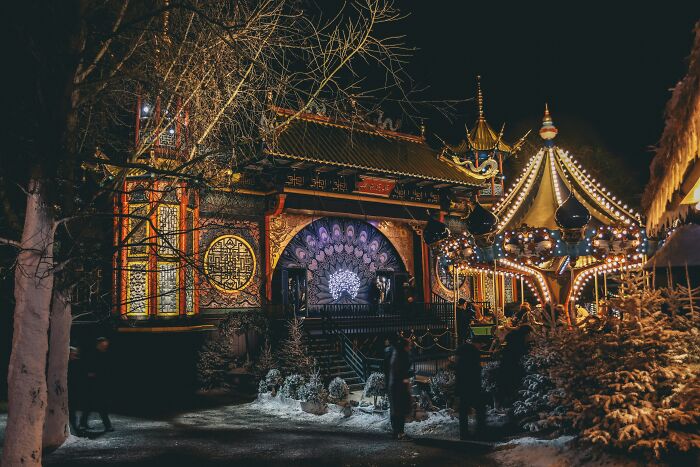
Image source: Ethan Hu
After years of chasing Christmas markets across Europe, I’ve learned something important: the most hyped markets aren’t always the best. The real magic happens in places like Copenhagen’s Tivoli Gardens or Nuremberg’s traditional stalls — markets where locals actually shop, where the gingerbread is baked that morning, and where you can wander without getting elbowed.
Skip the overcrowded tourist traps. Take a train to Cologne’s cathedral market, lose yourself in Copenhagen’s hygge wonderland, or follow my advice and skip Amsterdam for Haarlem. Sip gløgg or glühwein, savor fresh stroopwafels, and pick up a hand-carved ornament. Let yourself get swept up in the cozy chaos of a real European Christmas market.
#2 Worth It: Düsseldorf Christmas Market, Germany – Luxury Meets Tradition
Düsseldorf might not get the same international attention as Cologne or Nuremberg, but its Christmas markets are absolutely worth exploring. The city hosts one of Germany’s largest market networks, spread across multiple themed areas, each with its own architectural style. Walking from one market to the next feels like a mini tour through both traditional German charm and modern city energy.
Königsallee, the city’s famous shopping street, transforms into a high-end Christmas boulevard, twinkling with lights and festive decorations. In one area, the stalls feel Gothic and old-world; in another, they’re sleek and modern. You’ll find traditional German treats alongside international street food, and beautiful decorations seem to spill into every corner of the city center. The multiple market zones also make it easy to avoid the busiest crowds if you plan your route carefully.
Some of my favorite spots include the Handwerker Markt, or Artisan Market, with handmade crafts and Düsseldorf’s biggest Christmas tree; the Märchen Markt, which is the largest and offers the widest variety of food; and the Ko-Lichter Markt, a canal-side market that glows beautifully at night. For anyone who wants both a traditional Christmas atmosphere and a variety of shopping and food options, Düsseldorf delivers.
A practical tip: the Schadowstraße area is noticeably less crowded than the main Marktplatz, making for a more relaxed stroll. The markets run from November 20 to December 30, 2025 (closed on Christmas Day), generally from 11 a.m. to 8 p.m., though each market has slightly different hours.
Is it worth the hype? Absolutely — especially if you love variety, beautiful decorations, and the chance to explore multiple festive neighborhoods in one visit.
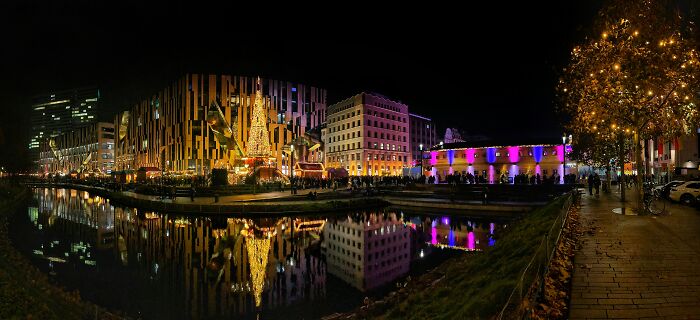
Image source: Marcellin Steinhaus
#3 Worth It: Berlin Weihnachtszauber At Gendarmenmarkt, Germany – The Most Beautiful
Berlin has more than 26 Christmas markets, but the crown jewel has to be Weihnachtszauber at Gendarmenmarkt. The €2 entry fee is more than worth it: the market is set in arguably the most stunning location in the city, framed by twin cathedrals and a grand concert hall. Throughout the day, street performers and live music bring the square to life, while the food and crafts are noticeably higher quality than most Berlin markets. Unlike the chaotic Alexanderplatz market, Gendarmenmarkt feels smaller, more intimate, and genuinely festive.
My experience? The €2 entry keeps out casual tourists, which makes for a relaxed crowd. I enjoyed street performances, sipped proper glühwein, and actually had space to browse the stalls without getting elbowed.
Other Berlin markets worth visiting include the Charlottenburg Palace Christmas Market, which offers a romantic castle setting, and the Lucia Christmas Market, which brings a charming Scandinavian theme to the city. Skip Alexanderplatz, though — it’s overcrowded, overpriced, and underwhelming compared to the more curated markets.
The market runs from November 24 to December 31, open daily from 11 a.m. to 10 p.m. Is it worth the hype? Absolutely — but Gendarmenmarkt specifically is the one to see.
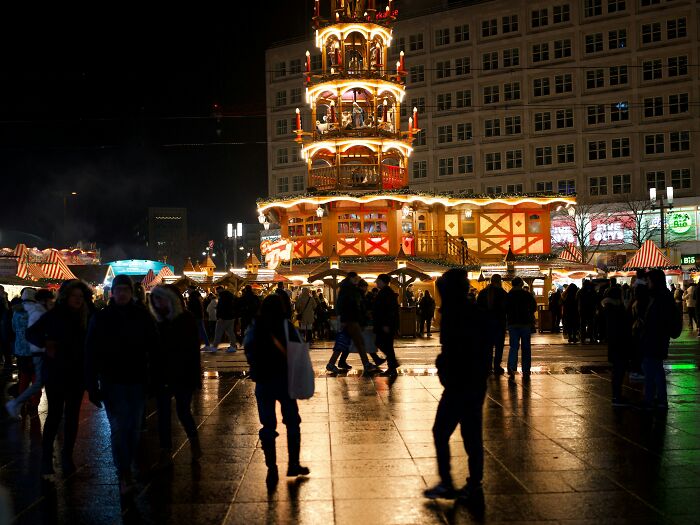
Image source: Abdulmomen Bsruki
The best markets aren’t the ones with the biggest crowds. They’re the ones where €3 gets you a real glass of wine, where you can actually enjoy the atmosphere, and where you leave feeling like you’ve discovered something special instead of just another overhyped attraction.
Which Christmas market has surprised you the most? Have you been to any of the ones I’ve mentioned? Share your experiences in the comments — and for more honest travel guides, hidden European gems, and advice that goes beyond the usual Instagram highlights, check out my travel blog.
#4 Worth It: Dresden Striezelmarkt, Germany – The Oldest
Dresden is home to Germany’s oldest Christmas market, the Striezelmarkt, which dates back to the 15th century. Walking through it feels like stepping back in time, surrounded by centuries of tradition and history.
What makes Dresden truly special is the authenticity of its market. Handmade wooden toys and hand-dipped candles line the stalls, while the famous Dresden Stollen — a rich, spiced Christmas cake — is a local obsession that visitors can’t miss. The entire city transforms into a winter wonderland, not just the market square, and with fewer international tourists than Cologne or Berlin, it feels delightfully intimate. The historical charm is undeniable: the market sits in front of stunning baroque architecture that miraculously survived the bombings of World War II, making the setting alone worth the trip.
Don’t miss trying stollen from the original bakers, marveling at the world’s largest Christmas pyramid (an impressive 14.6 meters tall), or tasting Pfefferkuchen, the spiced gingerbread cookies that have been baked in Dresden for generations.
The market runs from November 26 to December 24, open daily from 10 a.m. to 9 p.m. Is it worth the hype? Absolutely — especially for history lovers and anyone enchanted by centuries-old traditions.
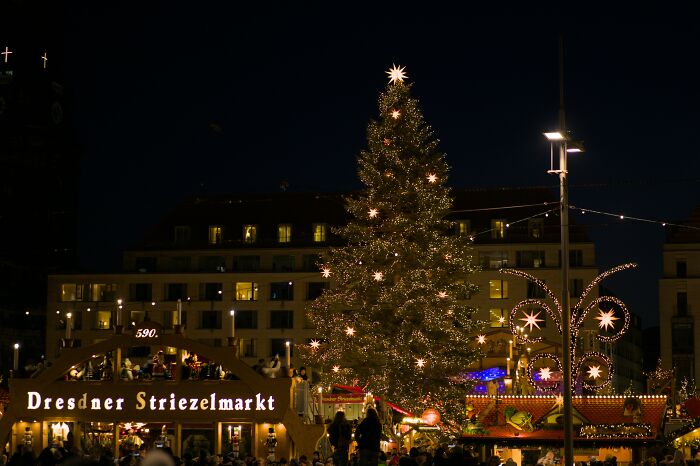
Image source: Valentin Karisch
#5 Worth It: Nuremberg Christkindlesmarkt, Germany – The Classic
Nuremberg’s Christmas market is one of Germany’s oldest and most traditional, and every year it opens with a centuries-old ceremony: the Christ Child (Christkind) officially inaugurates the festivities in the main square. It’s a moment that perfectly captures the market’s timeless charm.
What makes Nuremberg so authentic is the sense of tradition woven into every corner. The Children’s Christmas Market is genuinely enchanting, not just a commercial gimmick, with wooden toy stalls selling hand-carved ornaments and nutcrackers. As evening falls, the lights turn on and choirs begin to sing, bathing the square in a magical glow. And of course, the food is irresistible — local specialties like Nuremberg Lebkuchen (gingerbread) and bratwurst are a must-try. Don’t miss the Gebrannte Mandeln (roasted almonds), either, which fill the air with their warm, sweet scent.
My insider tip? Visit in early December, during the first two weeks, to enjoy the market without the crush of peak crowds. By late December, it can become uncomfortably packed.
The market runs from November 28 to December 24, open daily from 10 a.m. to 9 p.m. Is it worth the hype? Absolutely — this is what German Christmas markets were truly meant to be: festive, cozy, and steeped in centuries of tradition.
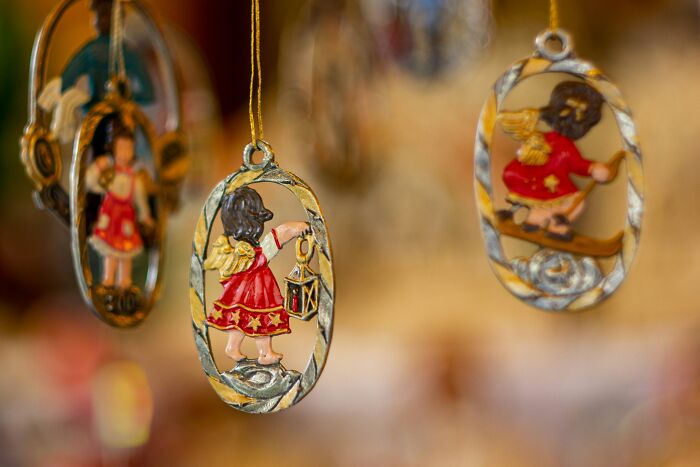
Image source: Alexandra Zelena
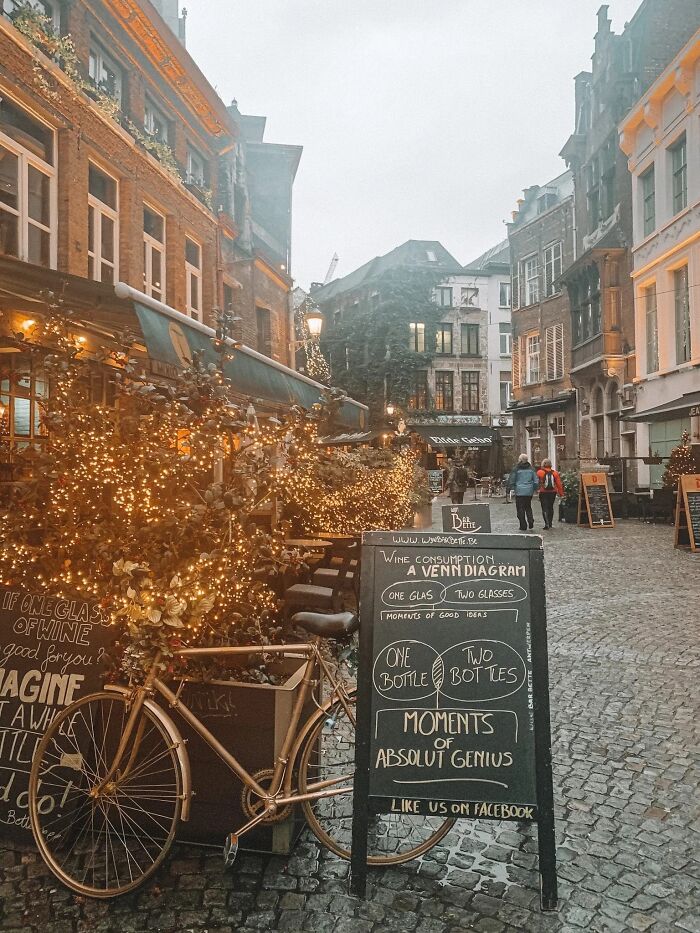
#6 Worth It: Antwerp Christmas Market, Belgium – The Underrated Gem
Antwerp’s Christmas market often flies under the radar — and honestly, that’s exactly why I loved it. The city doesn’t shout for attention; it quietly transforms into a festive dream, and those who stumble upon it are rewarded with something truly special.
The market spreads across the Grote Markt, framed by ornate guild houses and the cathedral rising behind them. Belgian waffles — the real ones, not the tourist imitations — sizzle at almost every corner, and chocolate stalls tempt you from all sides. In the center, an ice-skating rink draws families and couples, and even if you don’t lace up, it’s charming just to watch the scene unfold. The entire city center glows with lights, turning cobblestone streets into a warm winter maze.
One of my favorite details is the massive Ferris wheel set up for Christmas. A slow ride gives you sweeping views of the city, and when paired with Belgian hot chocolate from a nearby stall, it becomes the perfect winter evening. Food-wise, this is heaven for waffle lovers: Liège waffles with caramelized sugar, fluffy Brussels waffles loaded with toppings, speculoos cookies, and of course, proper Belgian beer — a Christmas ale is a must.
What makes Antwerp underrated is how many travelers skip it for Brussels. But Antwerp is quieter, prettier, and far more authentic. The market runs from December 5 to January 4, 2026, and it’s even open on New Year’s Eve. For the best experience, visit on a weekday evening when the crowds thin and the lights feel even more magical.
Worth the hype? Absolutely — especially if you love chocolate, waffles, and cozy winter nights done right.
#7 Worth It: Haarlem Christmas Market, Netherlands – The Cozy Local Secret
Okay, I’m biased — Haarlem is one of my favorite towns. But hear me out: this is exactly what a Christmas market should be. The Grote Markt transforms into a festive village of wooden chalets and twinkling lights, all set against the beautiful backdrop of St. Bavo Church. What sets Haarlem apart is its authenticity: locals actually shop here. You’ll see Dutch families choosing gifts and tasting treats, not just tourists snapping photos.
The whole old city center joins in, not just the square. Fresh stroopwafels are made right in front of you, oliebollen are dusted generously with powdered sugar, and the atmosphere feels cozy in a way that Amsterdam — just 15 minutes away by train — rarely manages during the holidays.
There are insider gems, too. The hofjes, Haarlem’s hidden historic courtyards, are quietly decorated for Christmas, and most visitors don’t even know they exist. Jopenkerk, a church turned brewery, serves special Christmas beers, and on Saturdays, the usual market blends with the Christmas stalls for an even livelier scene. If you’re hungry, go for fresh stroopwafels, oliebollen with raisins, or a proper Dutch hot chocolate — the real stuff, not powder.
Why choose Haarlem over Amsterdam? Half the crowds and half the prices, but double the authenticity. It feels like a place where Christmas hasn’t been staged for tourism — it’s simply celebrated.
The market runs December 12–14, with opening hours typically from 10:30 a.m. to 8 p.m. Getting there is easy: just a 15-minute train ride from Amsterdam Central.
Worth the hype? Absolutely — and I’m not just saying that because I’m Dutch.
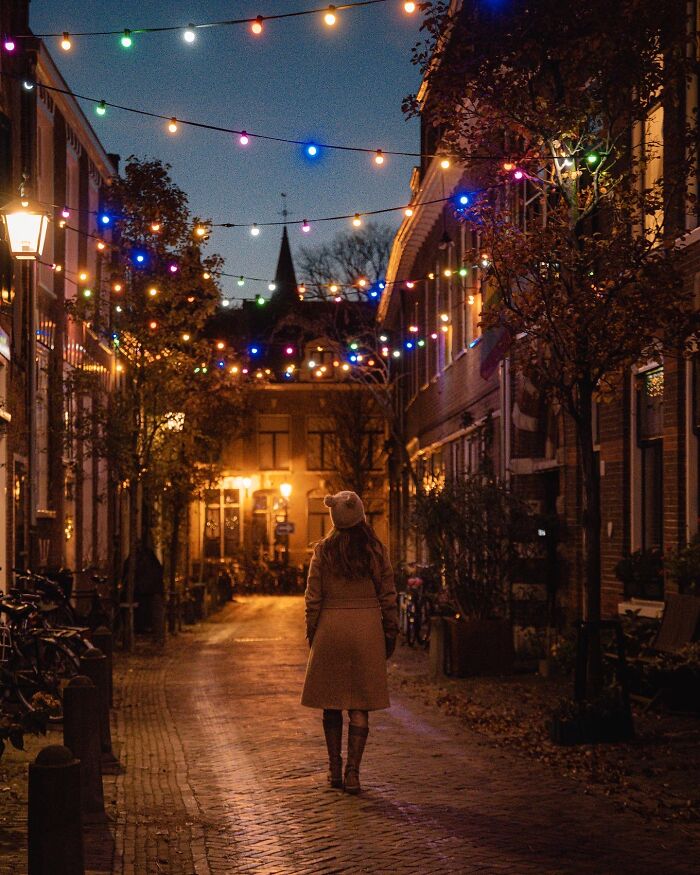
#8 Worth It: Edinburgh Christmas Market, Scotland
Who doesn’t want to stroll through a Christmas market with a castle watching over them? Edinburgh’s Christmas Market sits right in the heart of the city, offering the perfect excuse to wander with a mulled wine in hand, pick up a tartan wool scarf, and admire the city’s iconic stone architecture glowing under winter lights.
What makes this market special is the setting itself — few cities can match Edinburgh’s dramatic backdrop. It’s also the perfect place to try a hot toddy, Scotland’s beloved winter drink made with whisky, tea, lemon, and honey. It’s exactly what you need on a chilly December day. And if you’re feeling adventurous, the Starflyer attraction offers sweeping views of the city from high above (though it’s definitely not for those afraid of heights).
The market runs from November 15 to January 4, 2026, closing only on Christmas Day. You’ll find it stretched along Princes Street Gardens, both East and West, just steps from Waverley Station and easily reached by bus or tram. Nearby on George Street, you’ll also find an ice-skating rink, food and drink stalls, and even a polar ice bar.
For the best experience, visit midweek — it’s noticeably calmer than weekends. Locals also have their own secrets: enter from the bottom of Cockburn Street for the best first impression, with the illuminated “Edinburgh” sign greeting you as you walk in. And if you prefer to stay warm while still soaking in the atmosphere, head to the Nor Loft bar at the East Market Street Hotel. From their rooftop balcony, with a glass of champagne in hand, you can watch the market sparkle below and the starflyer rise into the night sky.
Worth the hype? Absolutely. Edinburgh is magical any time of year, but with Christmas lights twinkling across the city, it becomes unforgettable.
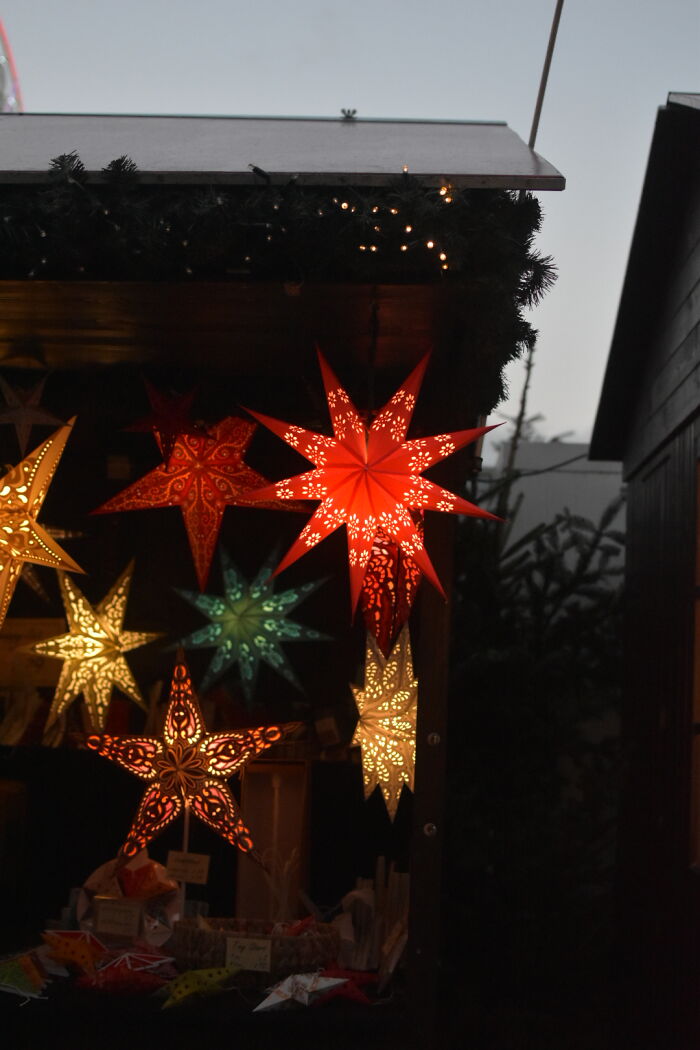
#9 Worth It: Stockholm Christmas Markets, Sweden
Is the best Christmas market in the Nordics in Stockholm? If you ask me — absolutely. And the crown jewel is the market at Skansen, the world’s oldest open-air museum.
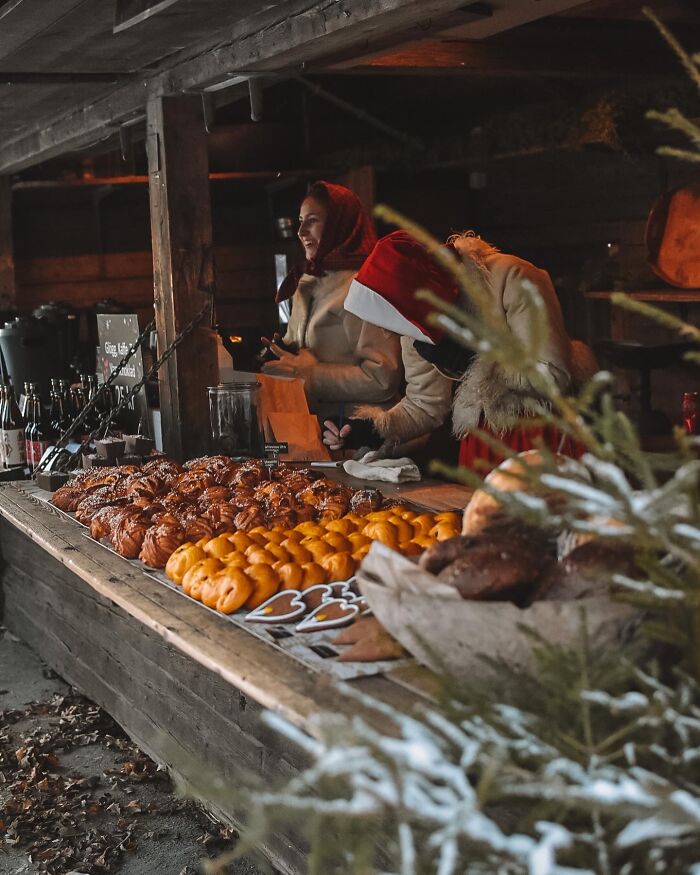
Stockholm offers several markets, but Skansen is in a league of its own. Held only on November 28, 29, and 30, it requires an entrance ticket — and it’s worth every kroner. It’s the cosiest and most atmospheric Christmas market I’ve ever experienced, with traditional food and drink (ever tried moose served in flatbread?), handmade gifts, and Swedish folk dance performances that feel straight out of a Nordic fairytale.
Beyond Skansen, it’s worth wandering through Gamla Stan, Stockholm’s old town. Its winding cobblestone streets, artisan shops, and warm red buildings create the perfect winter backdrop. The Christmas market in the main square is free to visit and runs daily from November 22 to December 23 — a great spot to pick up unique Swedish gifts or just enjoy the ambience near the Royal Palace. On November 29, you can also visit the market in Kungsträdgården, where students from schools across the city sell handmade gifts and souvenirs.
The Swedes take Christmas pastries and sweets seriously, and you shouldn’t leave without trying pepparkakor (gingerbread), saffron buns, or knäck — a traditional Swedish toffee. Pair any of these with glögg, Sweden’s version of mulled wine, traditionally served with raisins and almonds that you scoop up at the end with a tiny spoon.
If you’re in Stockholm on December 13, don’t miss a Lucia concert. Choirs dressed in white robes and candle crowns perform hauntingly beautiful songs that fill churches and concert halls across the city. It’s one of the most atmospheric Swedish traditions — I get goosebumps just thinking about it.
Worth the hype? Yes — especially the Skansen Christmas Market, which is so traditionally Swedish it makes you want to linger in this Nordic fairytale world and eat gingerbread forever.
#10 Worth It: Cologne Christmas Market, Germany – The Cathedral Backdrop
When people picture German Christmas markets, Cologne probably comes to mind — and honestly, it deserves every bit of the hype. The main market sits at the foot of the UNESCO-listed Gothic Cathedral, one of the most dramatic backdrops I’ve ever seen. At night, the cathedral is floodlit, and the market stalls below glow like a medieval painting brought to life.
Cologne doesn’t stop at one market — the city boasts eight themed Christmas markets, each with its own personality. The Cathedral Market is the most famous, with proper glühwein served in ceramic mugs you can keep as souvenirs, and Nuremberg Bratwurst grilled fresh, filling the air with a mouthwatering aroma. Beyond the markets themselves, the city goes all out on decorations, turning every street and square into a festive wonderland.
One of my favorite moments was discovering the Hafen-Weihnachtsmarkt, or Harbor Christmas Market. This maritime-themed market features wooden ships, nautical decorations, and far fewer tourists than the cathedral area — a delightful hidden gem.
Practical tips? The Cathedral Market gets extremely busy between 5 and 8 p.m., so visiting at 11 a.m. or after 8:30 p.m. makes for a far more enjoyable experience. Don’t miss the Angel’s Christmas Market near Neumarkt, and be sure to try Reibekuchen — crispy potato pancakes served with apple sauce, a true seasonal treat.
Cologne’s Christmas season runs from November 25 to December 24, with markets open daily from 11 a.m. to 9 p.m. While the Cathedral Market can feel crowded, the smaller themed markets offer a more relaxed experience.
Is it worth the hype? Absolutely — but make sure to explore beyond the main market. The smaller themed markets are where the city’s festive magic truly shines.
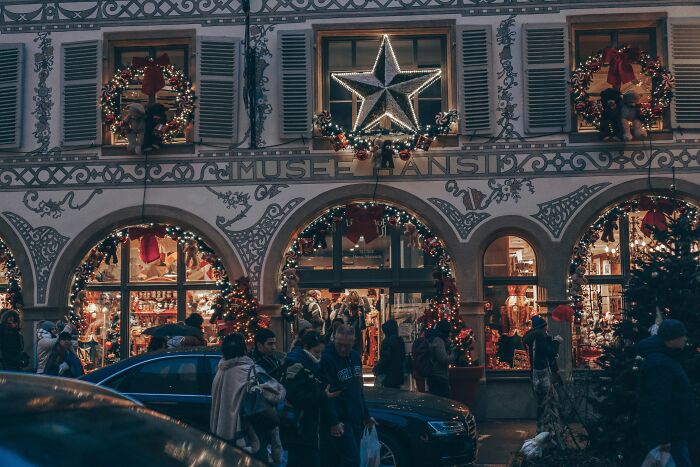
Image source: Filiz Elaerts
#11 Not Worth It: Frankfurt Christmas Market, Germany
To be completely honest, Frankfurt’s Christmas market is disappointing — and that’s saying something for one of Germany’s largest. Sure, it’s big, but big doesn’t always mean good. The market feels over-commercialized and generic, spread out in a way that makes it chaotic rather than cozy, and the prices are higher than the experience warrants. It’s more about shopping than atmosphere, and it lacks the charm you find in Cologne, Nuremberg, or Dresden.
The problem is that Frankfurt’s market feels like a corporate version of what traditional German Christmas markets used to be. You can see the effort, but the soul is missing.
If you want the authentic German Christmas experience, skip Frankfurt. Instead, head to Cologne, with its stunning cathedral backdrop; Nuremberg, full of traditional charm; Dresden, rich in history; or Rothenburg ob der Tauber, with its fairy-tale medieval streets. Each delivers the magic that Frankfurt promises but ultimately fails to provide.
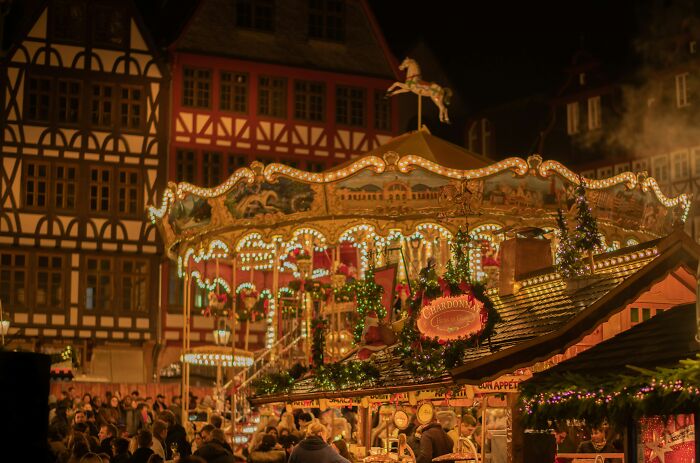
Image source: cmophoto.net
#12 Not Worth It: Brussels Grand Place Christmas Market
To be completely honest, the Christmas market at Brussels’ Grand Place was underwhelming. Don’t get me wrong — the square itself is breathtaking, one of those places that looks like a painting even on a gray winter day. But the market? Completely generic. It’s overrun with tourists, the prices are inflated, and the stalls are the same mass-produced setups you’ll find at any other Belgian market. The famous waffles and chocolate? You’ll find better — and cheaper — treats outside the market, where locals actually shop. The crowds are so dense that it’s hard to enjoy anything at all.
My honest take: the Grand Place itself is absolutely worth visiting. But the Christmas market adds nothing special. You’re paying premium prices for a mediocre experience, and the charm of the city barely comes through.
If you want something genuinely festive and authentic, hop on a quick train to Antwerp. Their Christmas market is prettier, more relaxed, far more reflective of Belgian holiday traditions, and with only half the tourist crowds. It’s the Belgian market experience the Grand Place wishes it could be — and it’s just 30 minutes away.
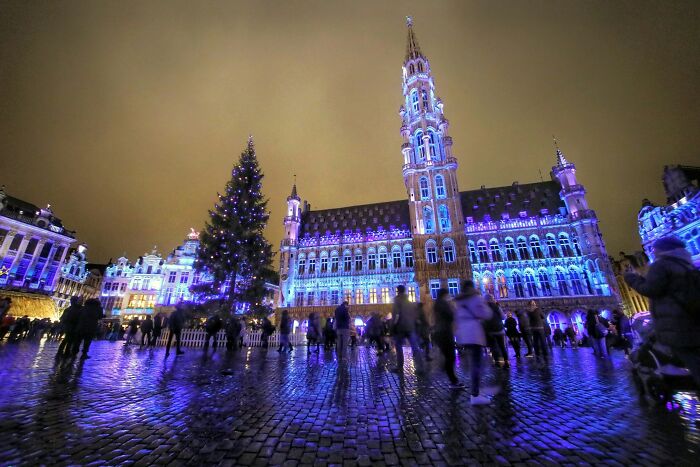
Image source: Paolo Margari
#13 Not Worth It: Paris Champs-Élysées Christmas Market
To be completely honest, the Christmas market on the Champs-Élysées was a disappointment. I had walked there excited to experience one of the most iconic streets in the world, imagining twinkling lights and festive charm. What I found instead was overpriced drinks (€8–10 for mediocre glühwein), mass-produced souvenirs pretending to be handmade, and an atmosphere that felt more like a corporate cash grab than an authentic market. The vendors were the same generic ones you’ll see at any French Christmas market, and the crowds made the whole experience feel chaotic. On top of that, the area can be a hotspot for pickpockets and scams, which added an unnecessary layer of stress.
I didn’t last long — after fifteen minutes, watching €12 crepes being sold alongside plastic “handmade” ornaments, I decided to leave.
If you’re looking for a truly charming Parisian Christmas experience, skip the Champs-Élysées. A far better choice is the Tuileries Garden Christmas Market or one of the smaller neighborhood markets in Le Marais. The prices are more reasonable, the atmosphere is genuinely festive, and the experience actually feels like Christmas in Paris.
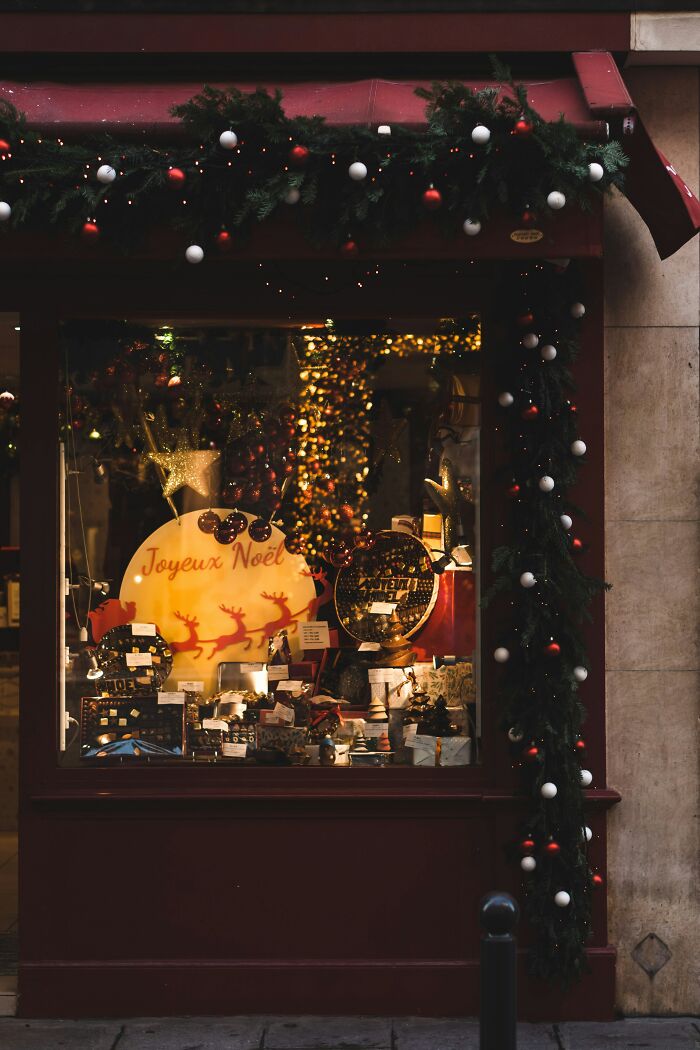
Image source: Emile
#14 Not Worth It: Amsterdam Dam Square Christmas Market
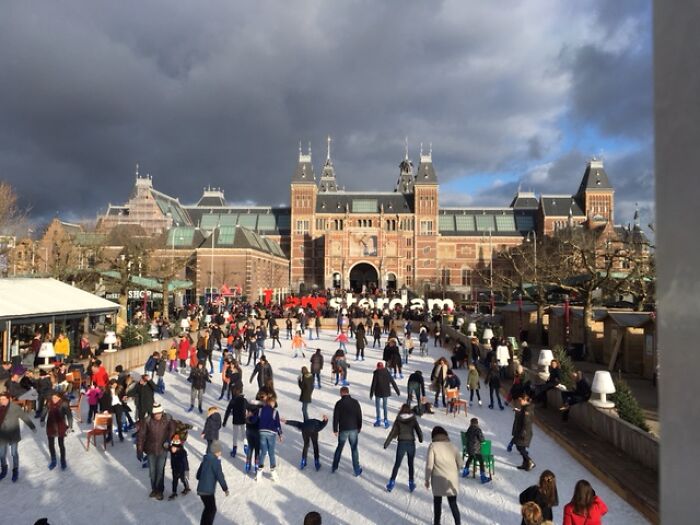
To be completely honest, Amsterdam’s main Christmas market is one you can skip without a second thought. It’s tiny — we’re talking about ten stalls squeezed into a crowded space — and the whole thing feels like an overpriced tourist trap. The vendors are generic, the atmosphere is uncomfortable, and there’s nothing uniquely Dutch about it. And I say this as someone who lives in the Netherlands: Amsterdam has far better festive experiences elsewhere, so don’t waste your time here.
Instead, take a quick 15-minute train ride from Amsterdam Central to Haarlem, where the Christmas spirit actually feels genuine. The Grote Markt transforms into a warm, cozy holiday scene filled with local Dutch vendors, fresh stroopwafels and oliebollen, and the gorgeous St. Bavo Church towering above it all. This is where you’ll find real Dutch families shopping, chatting, and celebrating — not huge tour groups posing for photos. Prices are also half of what Amsterdam charges, making the experience even sweeter.
Haarlem has even more to offer: wander through the city’s hidden hofjes, quietly decorated for Christmas; sip a beer in Jopenkerk, the beautiful church-turned-brewery; and enjoy an atmosphere that feels authentically Dutch rather than staged for tourism.
Trust me — after years of living here, I can say it confidently: Haarlem is what Amsterdam’s Christmas market wishes it could be.
#15 Not Worth It: London Winter Wonderland (Hyde Park)
To be completely honest, this “Christmas market” is one you can skip without a single regret. Yes, admission is free, but the moment you step inside, you’re hit with prices so high they make you wonder if you accidentally walked into a theme park instead. And honestly, that’s exactly what it feels like. The rides and attractions overshadow everything, leaving only a handful of actual market stalls squeezed around the edges. The crowds are overwhelming — truly theme-park packed — and the whole place has more chaos than charm. The vibe isn’t festive; it’s frantic. You’ve got a Bavarian-style bar village charging full London prices, endless queues, and the uncomfortable sense that you constantly need to watch your belongings because of all the phone grabbers weaving through the crowds.
It’s marketed as a Christmas market, but in reality, it’s a winter carnival dressed up with fairy lights — and if you’re hoping for anything traditional, you’ll walk away disappointed.
A far better alternative? The Southbank Centre Winter Market. It has actual atmosphere, actual charm, and prices that won’t make your eyes water. It’s everything this place tries — and fails — to be.