
It is said that the road to hell is paved with good intentions. And one woman can attest to that. When her brother-in-law found himself homeless, she didn’t think twice about letting him and his family move in for a bit. Sadly, as is often the case, things were going great… until they weren’t.
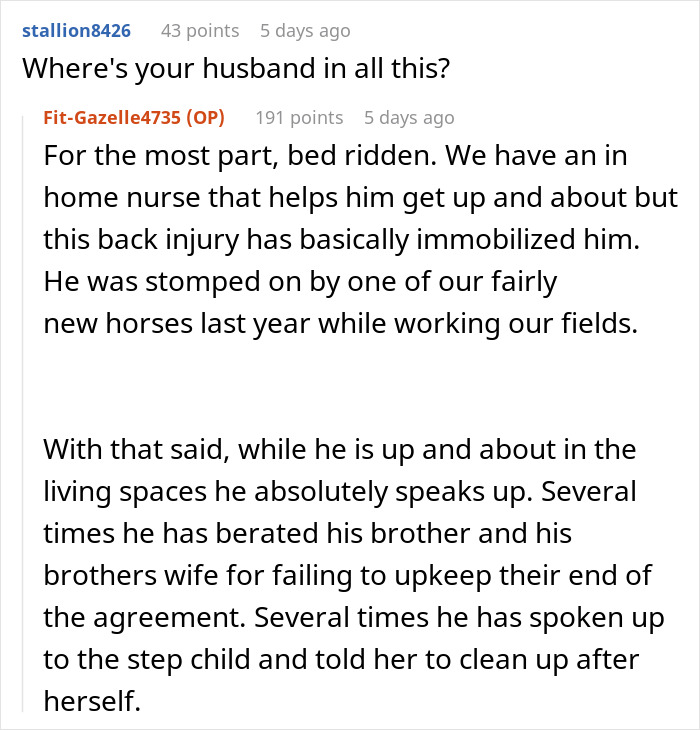
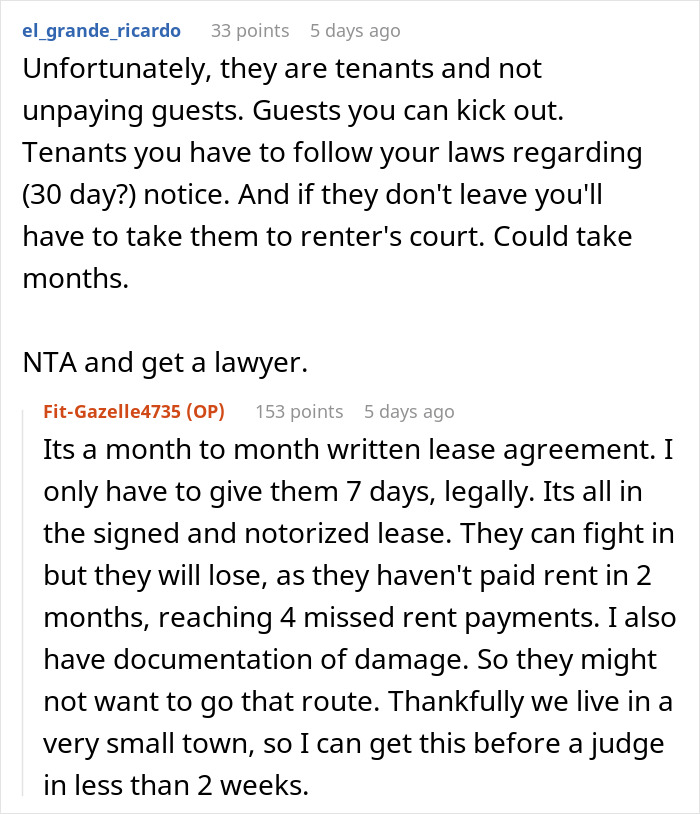
Not only did the BIL stop paying towards electricity, food and water, but his teenage stepdaughter turned the house into a pig-sty. Dirty dishes in bedrooms, fake nails and eyelashes everywhere and a nasty bug infestation to boot. The woman says she’s subsequently told the family to leave, despite knowing they’ll be forced to sleep in their car.
When her brother-in-law and his family ended up homeless, she took them in without hesitation
Image credits: The Yuri Arcurs Collection (not the actual image)
It didn’t take long for things to go south, and she’s now kicked them out despite them having no place to sleep
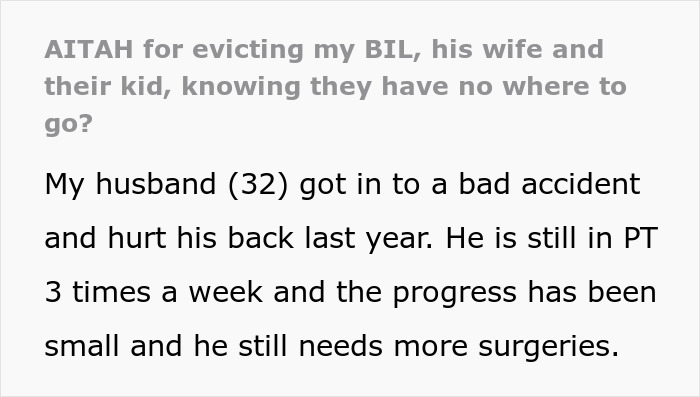
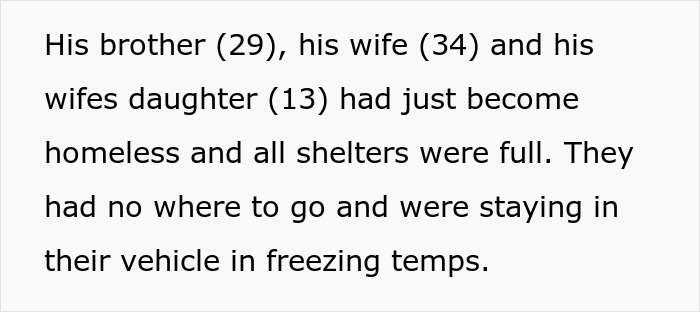
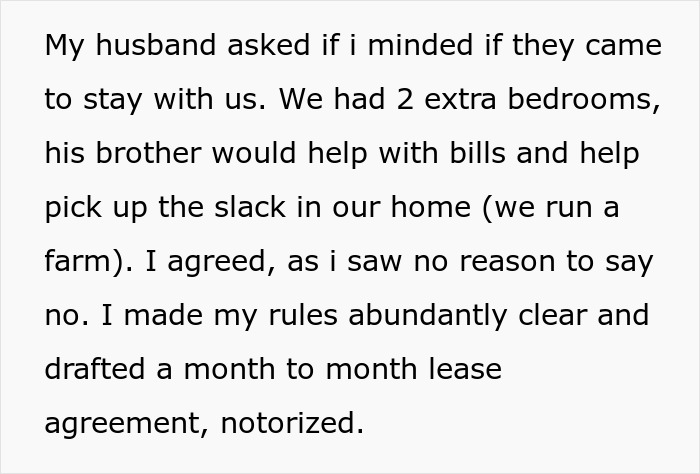
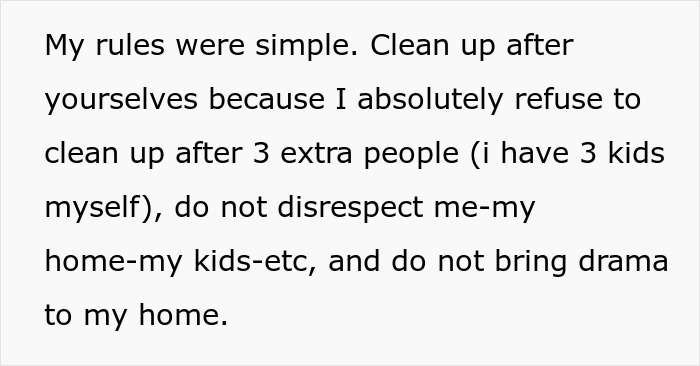
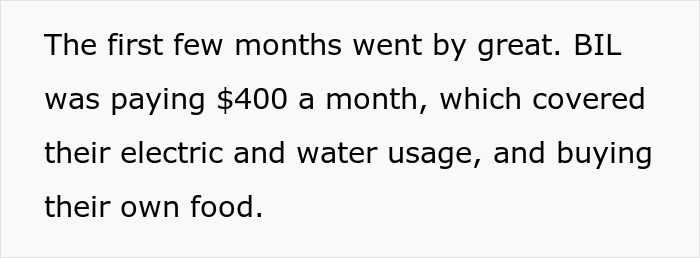


Image credits: freepik (not the actual image)
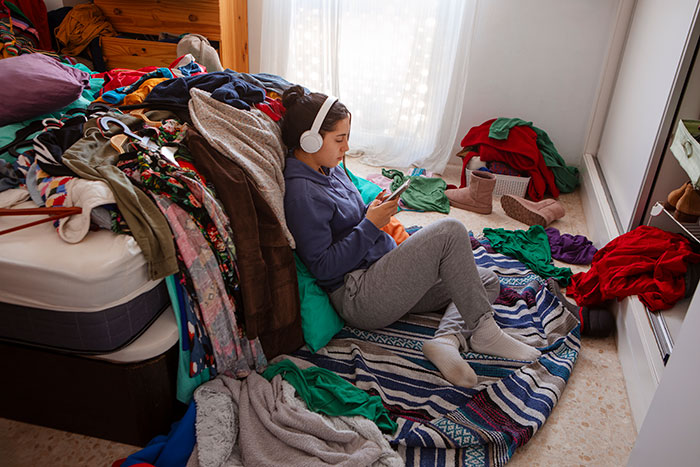
Image credits: freepik (not the actual image)


Image credits: Timur Weber (not the actual image)
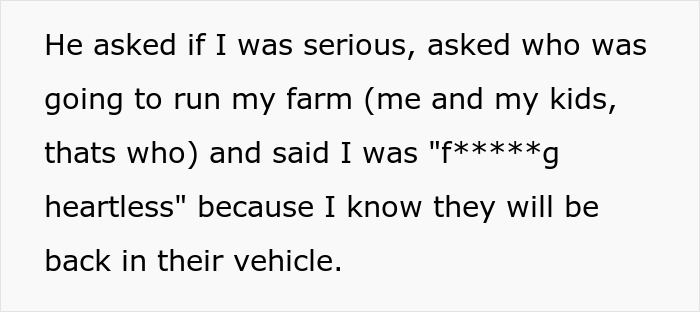
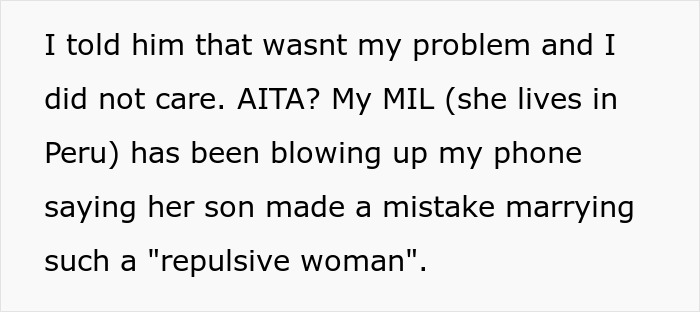
Image credits: Fit-Gazelle4735
She later revealed that she’d applied for a formal eviction notice
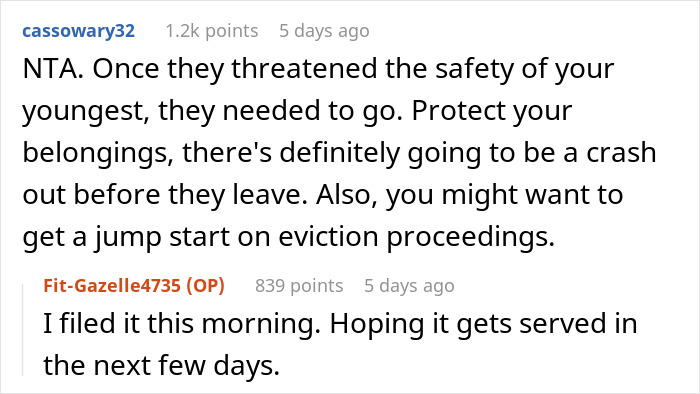
The number of homeless people in America is at a record high, and here’s why…
Homelessness in the United States increased 18% between 2023 and 2024. That’s according to data from the State of Homelessness: 2025 Edition report. During the 2024 Point-in-Time (PIT) Count, authorities recorded a staggering 771,480 homeless people, compared to 653,104 people the year before.
In 2024, homeless response workers served more than 1.1 million people in need. But the country’s homeless service organizations simply don’t have enough shelter, housing, and services to meet everyone’s needs.
“In 2024, no community had enough permanent housing to serve everyone experiencing homelessness,” notes the National Alliance to End Homelessness’ report. “Recent estimates also suggest that over the course of 2024, the response system only had enough units to house 16 percent of households currently staying in shelter.”
Experts say America is facing a housing affordability crisis. People cannot afford to pay rent and are finding themselves without a place of their own to stay.
“The lack of deeply affordable housing is the primary cause of homelessness,” reveals the National Alliance to End Homelessness. “For many, rising costs create an impossible choice between paying for housing and other necessities like healthcare, groceries, or clothing.”
According the alliance’s report, the crisis stems from deep-rooted challenges. These include inadequate rental assistance programs, persistently low incomes, and weak safety nets like social security that help people pay for housing; not enough deeply affordable housing development and preservation; discriminatory policies and practices that make it even harder for certain groups to find housing. The end of federal COVID-19 relief funds has also worsened an already dire situation.
While the number of homeless people in the States is already high, experts warn it could rise even further. More than 7,2 million households are struggling to pay rent.
“If a household cannot find housing or afford to pay for it, they would be described as housing insecure and at risk of experiencing homelessness,” explains the report. “Rising housing insecurity is reflected in the number of households spending 50% or more of their income on housing costs (referred to as severely housing cost-burdened households) and the number of people who live in overcrowded homes with friends, family, or acquaintances due to financial reasons (referred to as doubled up individuals).”
Homelessness can happen to almost anyone. It just takes one massive medical bill, a job loss, or a natural disaster to change your circumstances. But data shows that certain groups are more vulnerable than others.
“[People] of color are more likely than the overall population to be severely rent-burdened, paying more than half of their incomes on rent,” the report reveals. “Renters of color, and especially Black renters, experience higher eviction rates than White renters.”
According to research from the Eviction Lab and the U.S. Census Bureau, more than half of all eviction filings are against Black renters despite the group representing only 18 percent of renters.
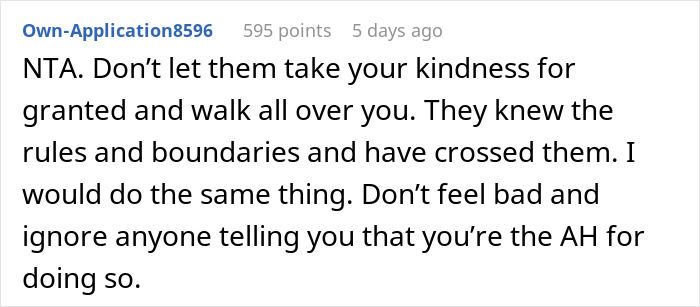
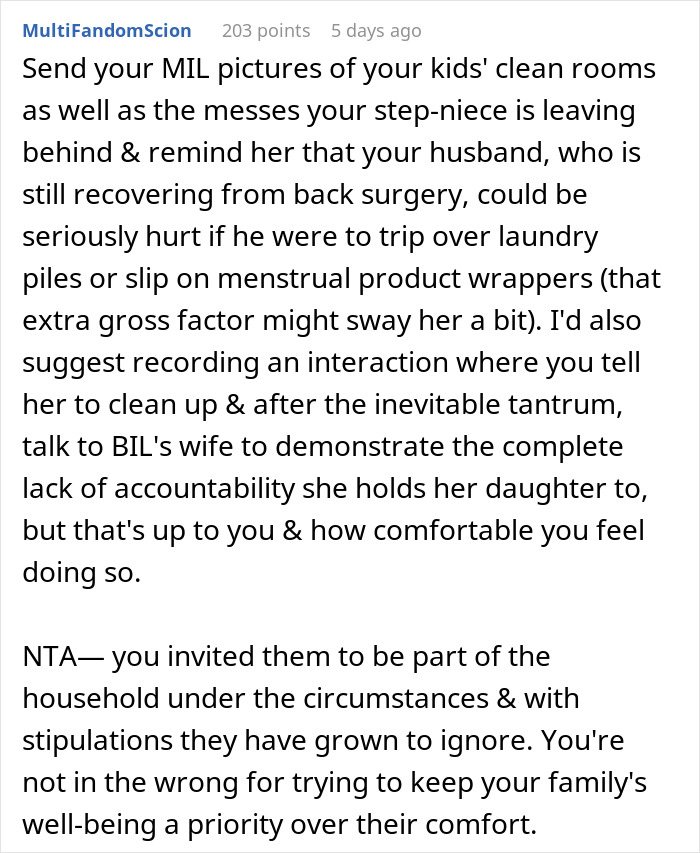
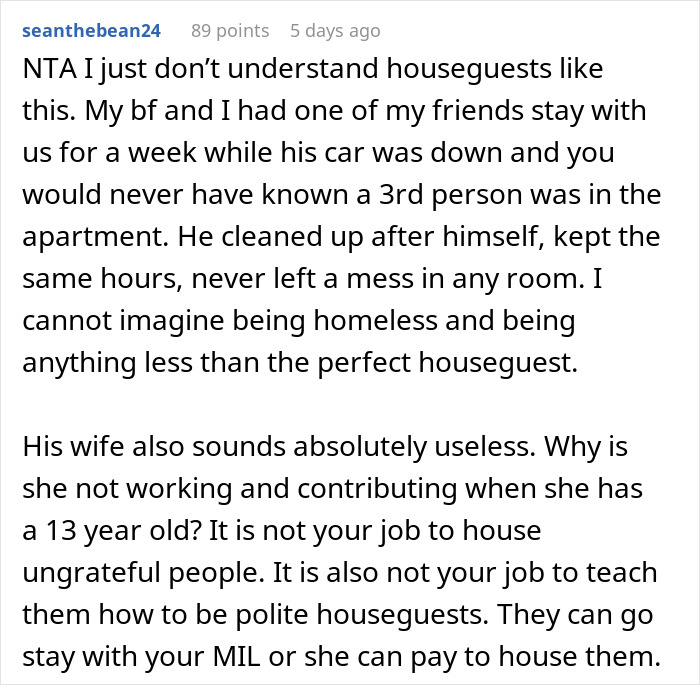
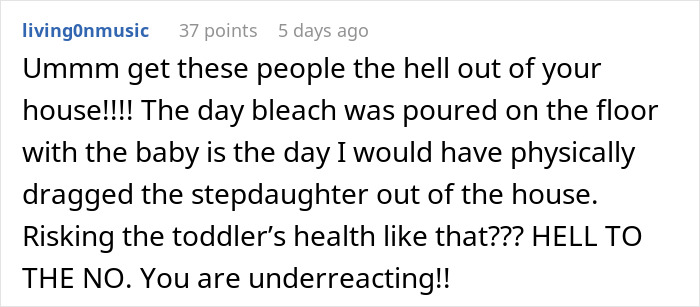
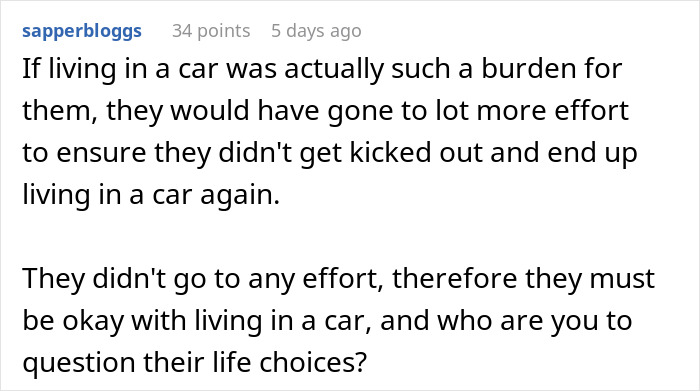
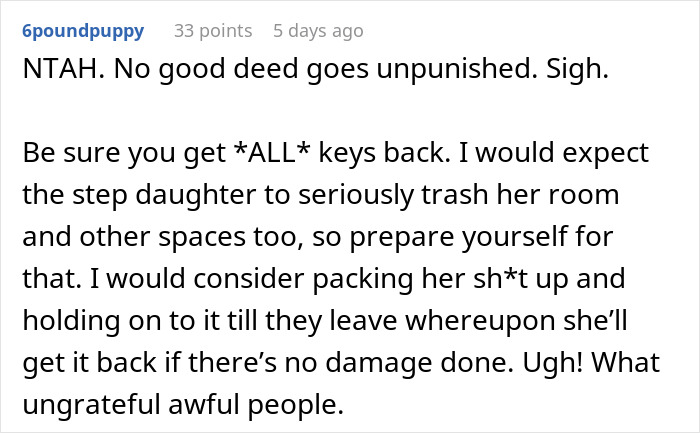
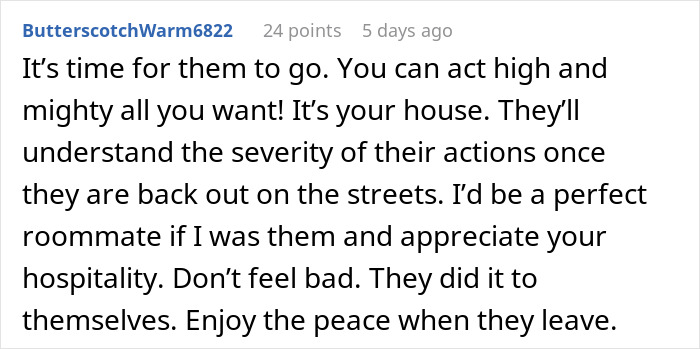
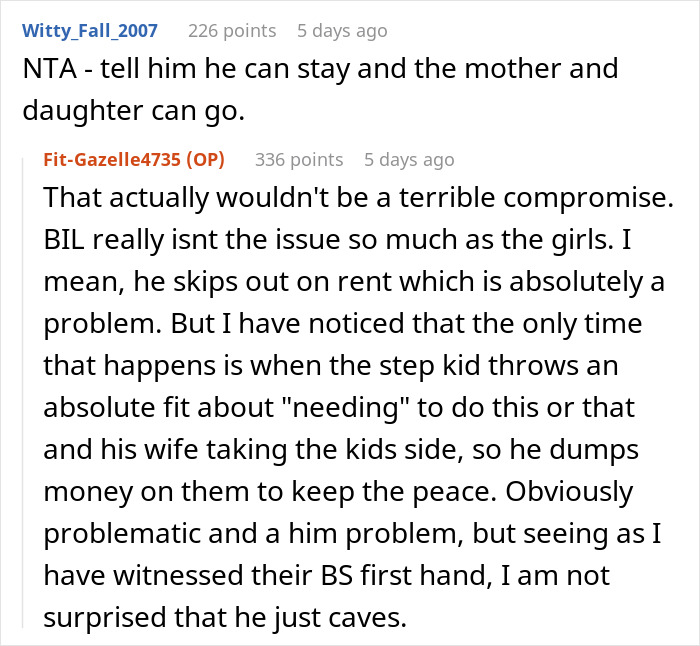
“Nothing wrong with throwing out the trash”: many felt that the woman did what needed to be done