
Sleep is supposed to be the ultimate vulnerability. You shut down, your reactions slow, and the world keeps moving without you.
For decades, sleep scientists have treated long, regular bouts of sleep as the default. But field researchers tracking animals in real time keep finding a messier story.
It appears that sleep can be sliced into tiny fragments, shared between brain hemispheres, or squeezed into the narrowest safe windows.
#1 1# Worker Ants
Worker ants make up most of an ant colony, and their sleep schedule reflects just how demanding that role is. Instead of logging one long rest period, they break sleep into hundreds of tiny pauses so the colony never fully powers down.
Research published in the Journal of Insect Behaviour found that a typical worker ant takes around 250 micro-naps per day, each lasting roughly a minute, which keeps about 80 percent of the workforce active at any given time.
The contrast with the queen is stark. While queens can sleep for more than nine hours a day, workers manage on roughly half that total. That gap likely contributes to their dramatically different lifespans: queens can survive for decades, while workers often live less than a year.
By spreading sleep into short bursts, workers help ensure the colony stays alert to food opportunities and sudden threats without ever going fully offline.
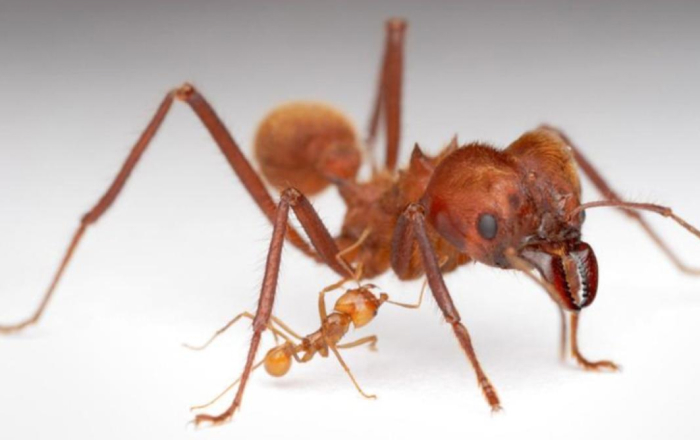
Image source: Exonated / reddit
#2 2# Bottlenose Dolphin
Bottlenose dolphins have evolved a way to stay alert far longer than most mammals without paying the usual cognitive price. Research published in PLOS One shows that they rely on unihemispheric slow-wave sleep, in which one hemisphere of the brain rests while the other remains active and responsive.
That split-brain system lets dolphins remain functional for nearly two weeks without fully shutting down. The same pattern appears early in life, as Live Science reports that newborn dolphins and their mothers stay almost continuously awake during the first month after birth.
For comparison, Guinness World Records notes that extreme human sleep deprivation records are no longer tracked because of the serious health risks involved.
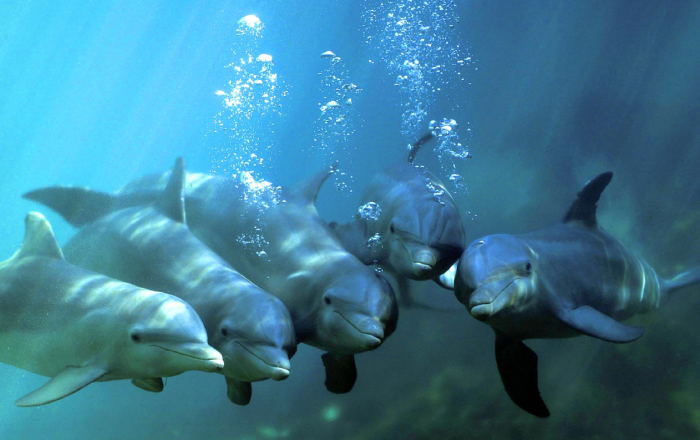
Image source: QuietCakeBionics / reddit
#3 3# Giraffe
Giraffes sleep less than almost any other mammal, and much of that rest happens while standing. Long, uninterrupted sleep would leave them dangerously exposed, so they rely on brief naps that usually last only a few minutes.
In the wild, those fragments amount to roughly 30 minutes to two hours of sleep per day, a trade-off that helps them remain alert to threats from predators such as lions and hyenas.
Deep sleep is rare and risky. IFL Science explains that giraffes still slip into REM sleep on occasion, but only for about a minute at a time. When that happens, they fold their legs beneath them, curl their long necks backward, and rest their heads against their own bodies, a position that leaves them almost completely defenceless.
Sleep patterns change when danger drops. Safari Ventures notes that giraffes in captivity or under stress can sleep for as much as 4.5 hours a day. With predators removed from the equation, zoos offer the safety that allows longer, less fragmented rest.
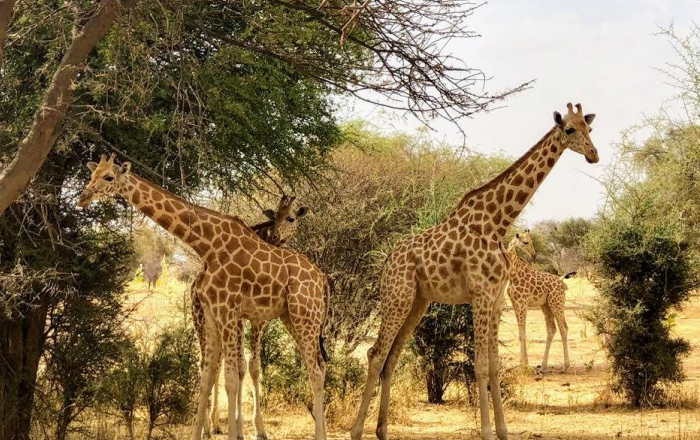
Image source: Important-Shoe8251 / reddit
#4 4# Walrus
Walruses follow one of the most flexible sleep schedules among marine mammals, shifting their behavior depending on where they are.
Research published in Behavioural Brain Research shows that they essentially live two different sleep lives, one on land and another in the water.
On land, walruses sleep much like other mammals, lying still for extended periods. In the water, they behave more like seals, drifting or floating in different positions while holding their breath.
This adaptability allows them to remain active for days at a time when swimming or foraging, even if that means skipping sleep entirely.
On average, walruses get about four hours of sleep per day, but they can go as long as four days without resting at all.
When that happens, the lost sleep is not ignored. Instead, walruses compensate by becoming inactive for long stretches, sometimes up to 19 hours, effectively paying back the sleep debt in one prolonged recovery period.
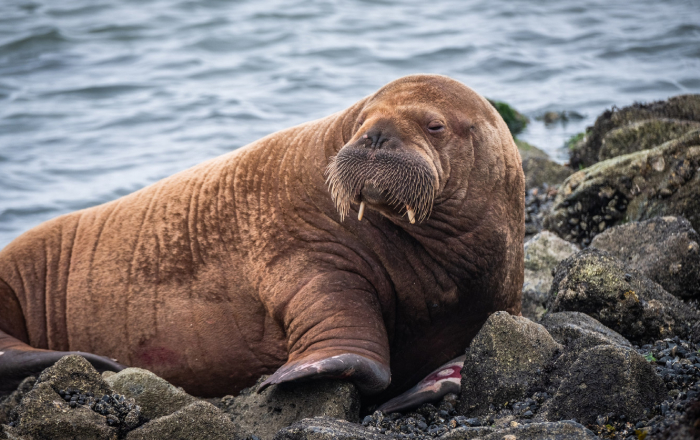
Image source: In_der_Tat / reddit
#5 5# Great Frigatebird
Great frigatebirds spend months airborne, and their sleep has adapted to that extreme lifestyle. With non-waterproof feathers and poorly webbed feet, landing on the ocean is not an option, so rest has to happen midair.
As a result, they survive on about 42 minutes of sleep per day, broken into dozens of naps lasting only seconds.
A 2016 study published in Nature Communications found that frigatebirds are capable of both bihemispheric and unihemispheric sleep.
While flying, they rely primarily on unihemispheric sleep, keeping one hemisphere of the brain awake so the eye it controls remains open and monitors direction and surroundings.
This split approach allows the birds to recover just enough to function without ever fully dropping out of the sky, turning sleep into a series of brief resets rather than a single shutdown.
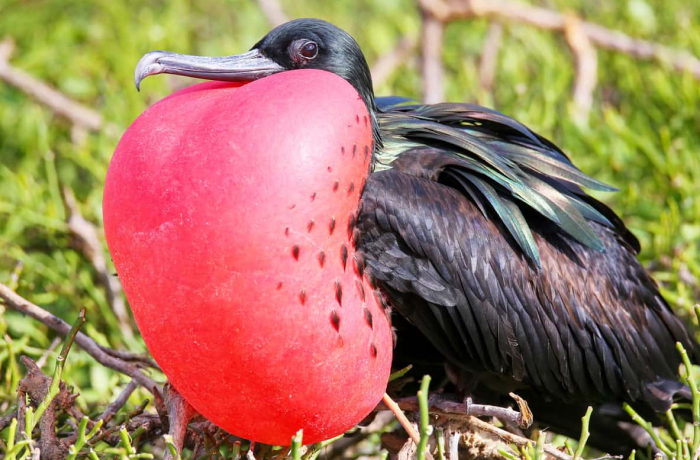
Image source: Rusat3022 / reddit
#6 6# African Elephant
African elephants sleep far less than most mammals, averaging around two hours per day. When herds are migrating long distances or staying on the move to avoid predators, they can even go nearly two full days without sleeping at all.
A 2017 study published in PLOS ONE found that elephant sleep is composed of multiple short episodes rather than a single long episode. Most of this residual activity occurs while standing and consists of slow-wave NREM sleep, during which muscle tone decreases but does not disappear, helping to prevent collapse.
Lying down is reserved for rare moments. Elephants typically enter REM sleep only once every three to four days, minimizing the time they are fully vulnerable on the ground.
This pattern reflects a constant balance between rest and the need to remain alert in open, predator-filled landscapes.
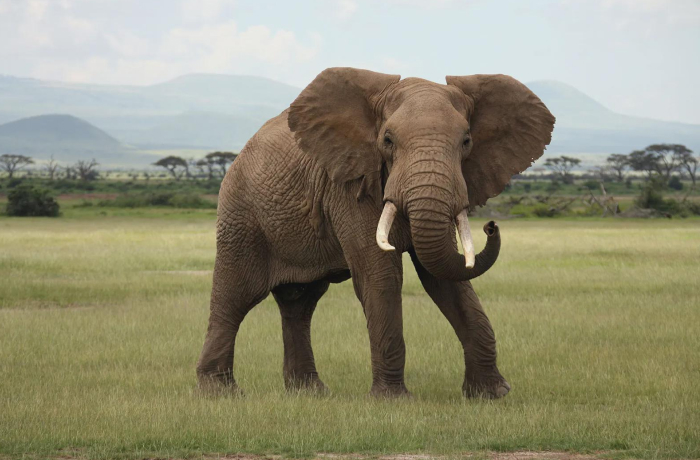
Image source: Kabiragorillasafaris / reddit
#7 7# Pectoral Sandpiper
For male pectoral sandpipers, sleep becomes optional during the breeding season. As mating competition ramps up, males can function on as little as one hour of sleep per day, choosing courtship, displays, and territorial defense over rest.
Science reports that during the roughly three-week breeding window, males that stay awake longer gain a clear advantage. The 2012 study found that these birds can postpone sleep with no measurable decline in physical performance.
In a system in which males compete for multiple mates, endurance is important. The individuals who sacrificed the most sleep were also the ones who secured more mating opportunities and ultimately produced more offspring.
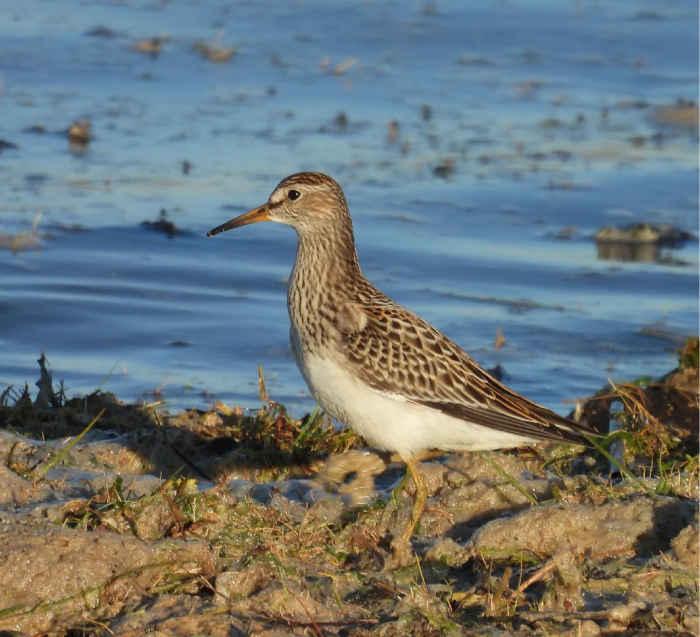
Image source: r/UKBirds/ reddit
#8 8# Ostriches
For most birds and mammals, entering rapid eye movement sleep is accompanied by muscle relaxation, posture collapse, and increased vulnerability.
Ostriches break that rule. A 2011 study published in PLOS ONE used EEG recordings to show that they slip into a rare mixed sleep state rather than a clear division between sleep stages.
During these periods, ostriches exhibit outward signs of deep sleep, including eye closure and reduced muscle tone, yet forebrain activity alternates between slow-wave and REM patterns. This allows certain brain regions to rest while others remain more alert.
The effect can be deceptive. Ostriches are able to appear awake during slow wave sleep, holding their heads upright with eyes open but still. That illusion likely acts as a deterrent, reducing the chance of attracting predators while the bird is technically asleep.
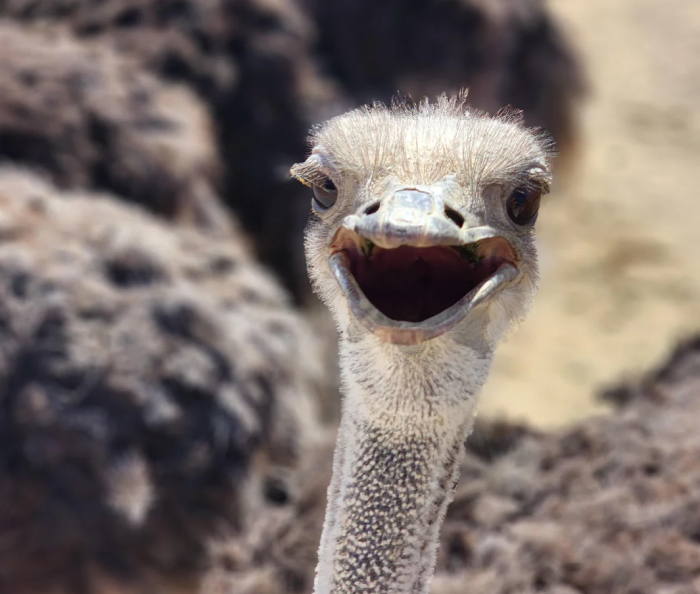
Image source: desertjax / reddit
#9 9# Chinstrap Penguin
Chinstrap penguins have turned sleep into a constant background process rather than a distinct event. Instead of long rest periods, they take thousands of ultra-short naps, each lasting only a few seconds, which means they are never fully offline.
That pattern becomes most extreme during breeding season, when staying alert can mean the difference between protecting a nest and losing it.
A 2023 study published in Science used EEG monitoring in Antarctica and found that chinstrap penguins nod off more than 10,000 times per day. Added together, those micro naps still amount to roughly 11 hours of total sleep.
The birds also rely on unihemispheric sleep, keeping one side of the brain awake so they can remain upright and responsive to their surroundings.
By breaking rest into fragments, chinstrap penguins manage to recover without sacrificing constant vigilance in a crowded and predator-filled environment.
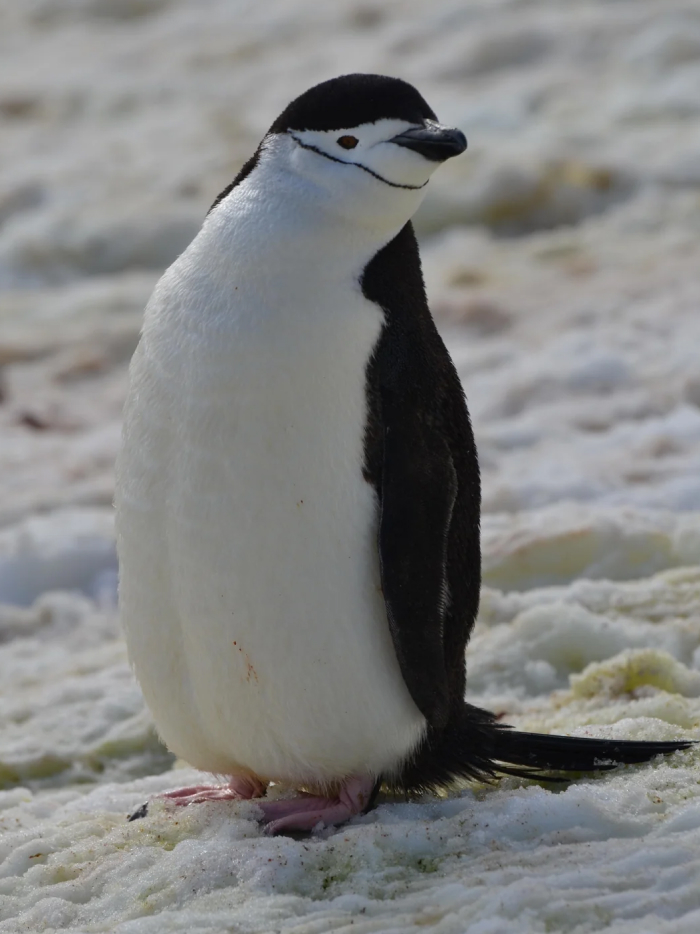
Image source: tomsawyertravels / reddit
#10 10# Northern Elephant Seal
Northern elephant seals were the first wild marine mammals confirmed to enter deep REM sleep while fully submerged.
During long foraging trips that keep them at sea for months, they survive on roughly two hours of sleep per day, obtained in short naps lasting about ten minutes.
Science reports that when these seals enter deep sleep underwater, their bodies go limp and begin to sink. The 2023 study describes how they lose muscle tone and descend nearly 300 meters in what researchers call a sleep spiral.
By drifting downward, the seals move away from surface predators while their brains fully shut down.
This cycle repeats throughout their months-long ocean journeys, allowing elephant seals to rest, feed, and avoid danger as they build up energy reserves for the breeding and molting season back on land.
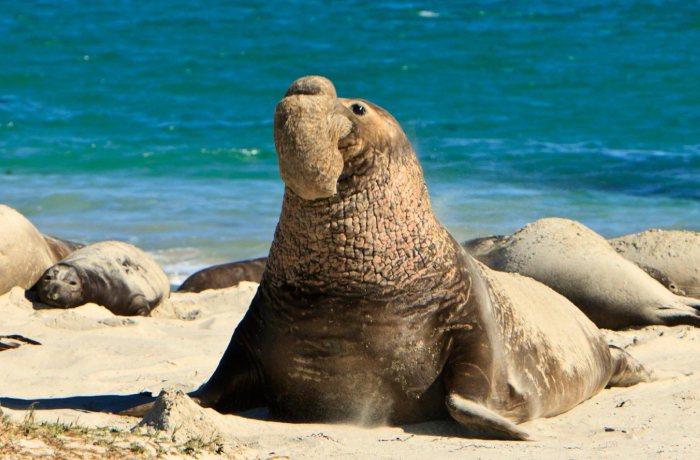
Image source: Limp_Pressure9865 / reddit
#11 11# Great White Shark
Great white sharks never fully stop moving. Instead of shutting down, their brains appear to enter a low activity state while their bodies continue to glide through the water.
That constant motion is not optional. Great whites rely on obligate ram ventilation, which means they must keep swimming with their mouths open to push oxygen across their gills.
According to Britannica, oxygen intake increases with swimming speed, making movement essential even during rest. This may be possible because swimming is coordinated largely by the spinal cord rather than the brain (per White Shark Projects).
That setup would allow the shark’s brain to rest while the body keeps moving and drawing in oxygen, effectively turning sleep into a moving, low-power state rather than a full shutdown.
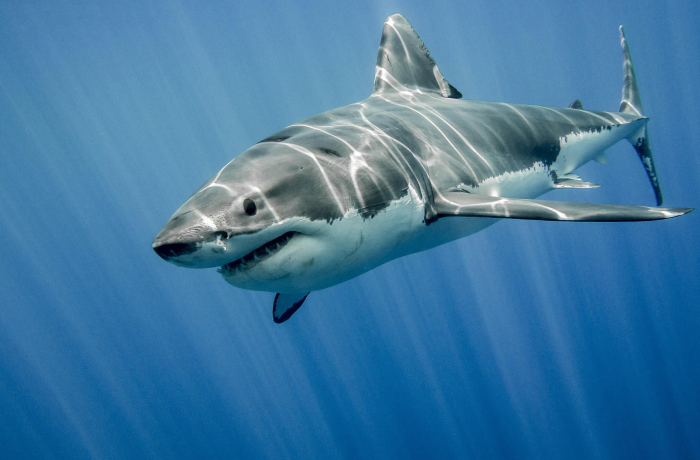
Image source: Peachy-Persimmons / reddit
#12 12# Fruit Flies
Fruit flies have become a staple of genetics research, and their sleep habits are just as unconventional as their biology.
Unlike many animals, they do not adopt a clear sleep posture, which makes it harder to tell when a fly is resting versus simply inactive.
A 2008 study published in the New York Academy of Sciences defines sleep in fruit flies as any period of inactivity lasting more than five minutes.
The research also notes that flies lack the distinct slow-wave and REM sleep stages observed in mammals, largely because they lack a thalamocortical system.
The same work identifies notable exceptions within the genus Drosophila.
Some flies, known as short sleep mutants, rest for only three to four hours per day rather than the more typical eight to ten, showing that even within a single species, sleep needs can vary dramatically.
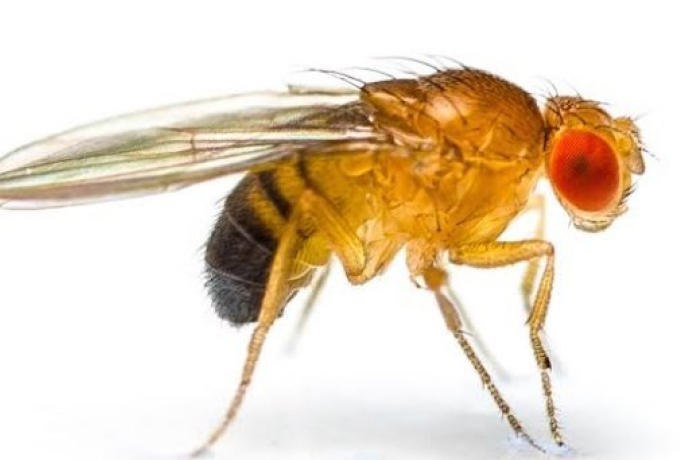
Image source: @beekeeping / X
#13 13# American Bullfrog
American bullfrogs blur the line between sleep and wakefulness. Brain recordings show that they do not enter the slow wave sleep patterns typically associated with rest in other animals, suggesting they never fully shut down in the conventional sense.
Mr. Amphibian reports that even when bullfrogs adopt resting postures, they remain just as responsive to external stimuli as they are when active.
EEG observations found no clear transition into deep, unresponsive sleep, reinforcing the idea that rest in bullfrogs looks very different from mammalian sleep.
That constant readiness fits their biology. As cold-blooded amphibians, bullfrogs cannot regulate their body temperature internally. Instead of relying on deep sleep cycles, they become dormant during colder months, slowing their metabolism until environmental conditions improve.
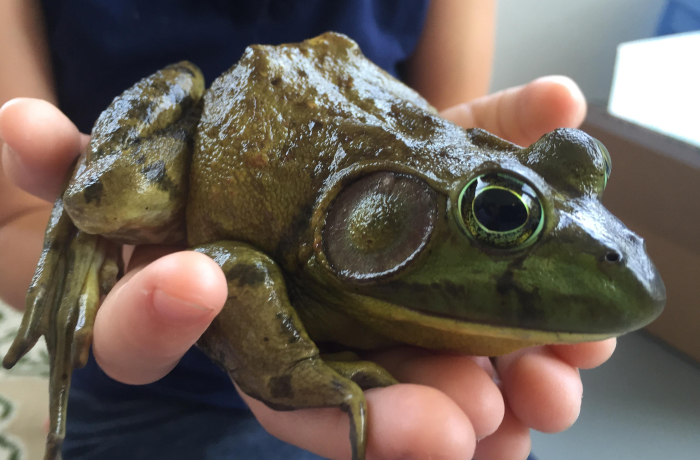
Image source: SmugFrog / reddit
#14 14# Sperm Whale
Sperm whales sleep surprisingly little for animals of their size, spending only a small fraction of the day at rest. Instead of long sleep periods, they nap in short bursts of 10 to 15 minutes, totaling about 90 to 100 minutes.
While resting, sperm whales adopt an unusual vertical posture, appearing to stand motionless in the water with their heads angled toward the surface.
Current Biology reports that this position is made possible by the spermaceti organ, an oil-filled structure in the head that helps control buoyancy and makes slow, controlled drifting possible.
The same research describes how these whales enter slow drift dives while sleeping, most often in the evening hours.
Unlike dolphins, sperm whales shut down both halves of their brains during deep sleep, fully disengaging while they float quietly beneath the surface.
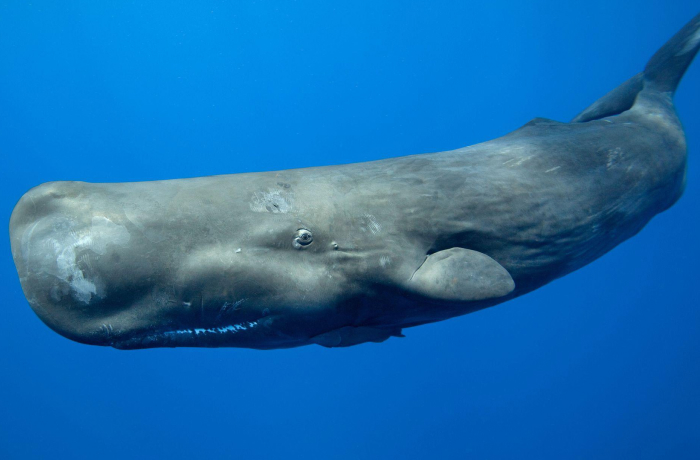
Image source: thebigchil73 / reddit
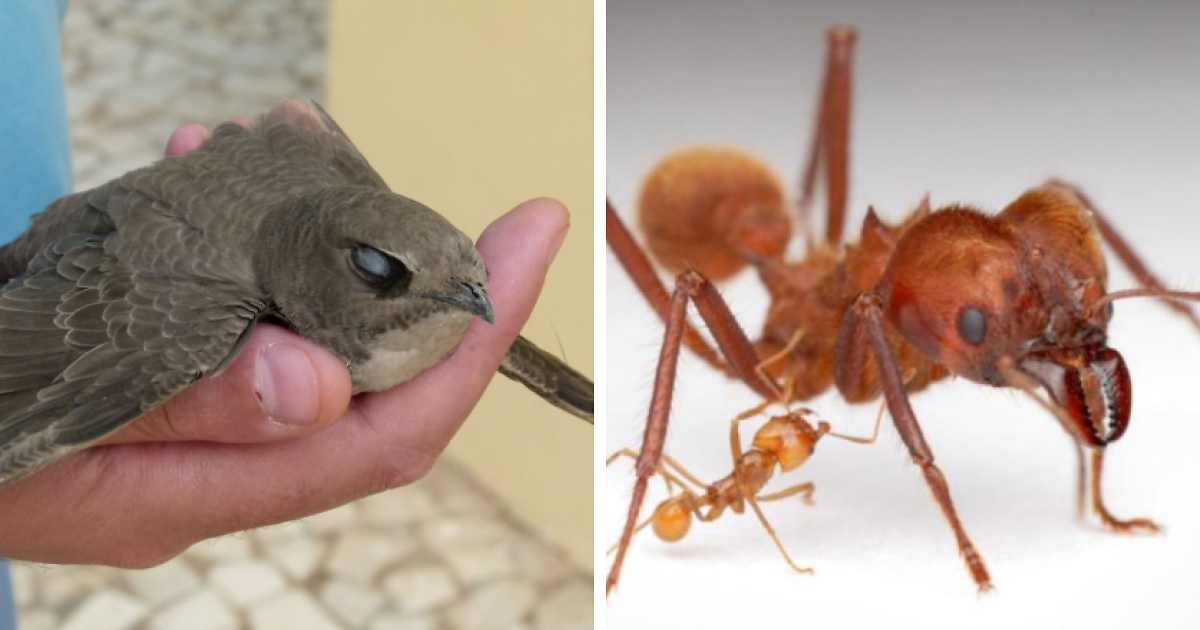
#15 15# Alpine Swift
Alpine swifts are built for endurance in the air. Tracking data shows they can remain airborne for months at a time, rarely touching land.
A 2013 study published in Nature Communications used electronic tags to reveal that some individuals stayed aloft for more than 200 consecutive days.
Those tags also showed that at night, swifts shift from active flight into a low-energy gliding mode. During these periods, researchers believe the birds take brief unihemispheric micronaps midair, allowing part of the brain to rest while the rest remains alert enough to maintain flight.
Life rarely pauses even then. National Geographic notes that alpine swifts mate in the air, feed on flying insects, and even collect nesting materials without landing, turning the sky into a place not just for travel, but for sleep, feeding, and reproduction.
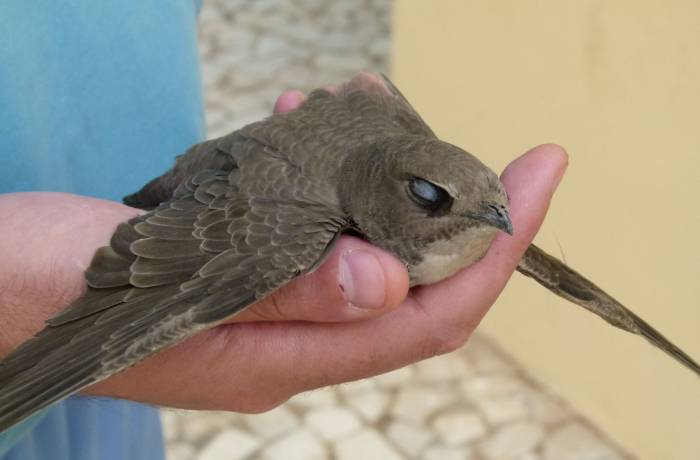
Image source: imgur.com