Your parents are meant to support you, not bully you into making questionable decisions under duress. And it’s difficult to know what to do when you face threats at home and don’t have many options.
An 18-year-old begged the ‘Relationship Advice’ community for help with a horrid family situation. She opened up about how her mom is pressuring her into donating her eggs to her so that she can have kids with her fiancé. The teenager wanted to do nothing of the sort and was looking for a way out of the toxic situation. You’ll find the full story and the internet’s advice below.
Your parents are meant to protect you, not bully and threaten you

Image credits: KATRIN BOLOVTSOVA/Pexels (not the actual photo)
A teenager asked for help after her mother tried to pressure her into donating her eggs to her

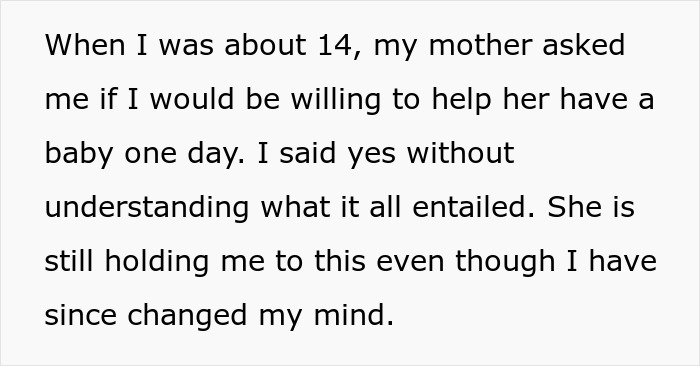
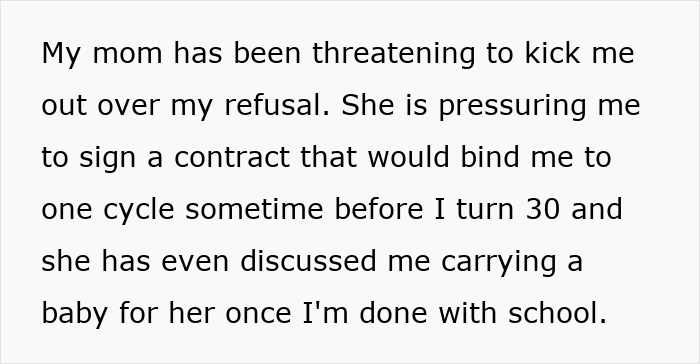
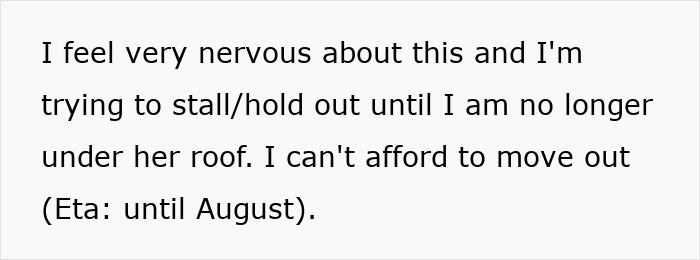
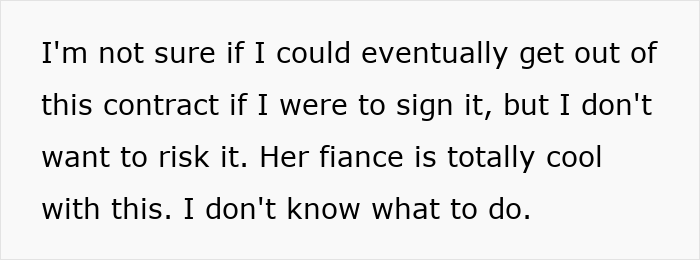
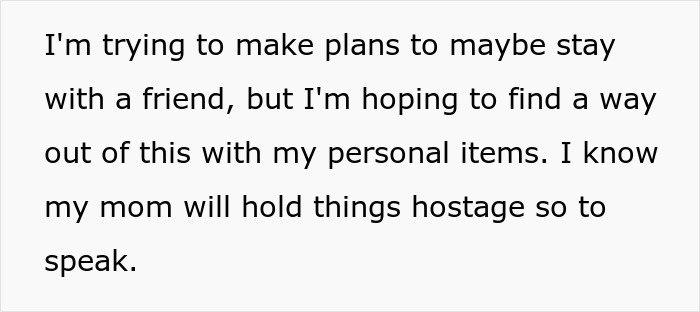
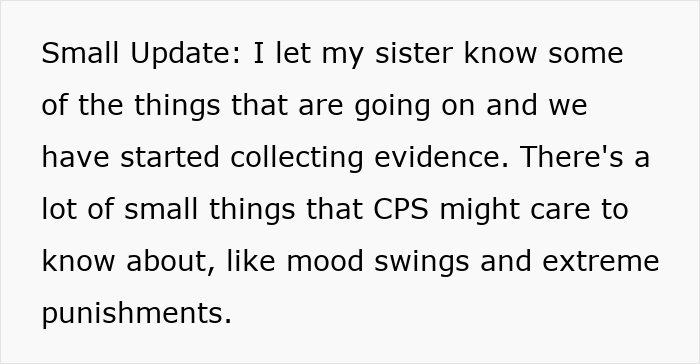
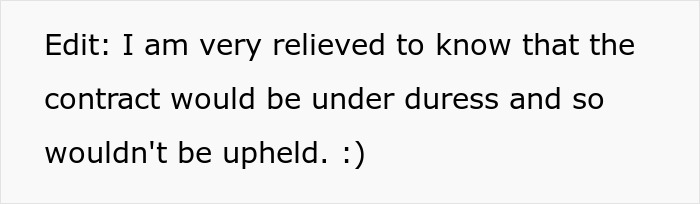
Image credits: throwra-surrogate
Toxic parents are manipulative, violent, and ignore your boundaries and needs

Image credits: Teona Swift/Pexels (not the actual photo)
It’s painful to realize that your parents might not have your best interests at heart. In an ideal world, your parents would love and support you no matter what. But we don’t live in an ideal world.
Some people’s parents are selfish, entitled, manipulative individuals who prioritize their needs over everyone else’s. They’re not above using intimidation and threats to force you to behave a certain way. And they don’t give a damn about your boundaries.
Talkspace explains that toxic parents can be mentally and physically violent, significantly impacting your mental health. They can be particularly painful and challenging to deal with, considering that, as your guardians, they’re meant to protect you.
Toxic parents undermine their children’s sense of self-worth, stability, and overall mental well-being. They can be controlling, demanding, and harsh. And their negative impact can follow you into adulthood, even after you leave home.
Toxicity in a parent isn’t always overt. It can be subtle. “Subtle demeanors, actions, and behaviors by a toxic person can harm a child’s well-being and development. Toxic parents might use verbal belittlement, emotional manipulation, and/or physical intimidation to control their children,” Talkspace explains.
There are a few main types of toxic parents: dismissive, helicopter, narcissistic, and passive or permissive.
Dismissive parents tend to overlook or undermine their kids’ feelings and needs. Essentially, they create the type of negative environment where their children feel undervalued. Their kids’ sense of self-worth and self-expression suffers.
Meanwhile, helicopter parents micromanage their kids’ lives to an unhealthy extent. This stifles their children’s independence and problem-solving skills.
Narcissistic parents, on the other hand, always want to be in the spotlight. The entire family’s dynamics center around them and them alone.
These types of parents also tend to have a narcissistic streak, demanding that their kids praise and admire them

Image credits: cottonbro studio/Pexels (not the actual photo)
“A narcissistic mother or narcissistic father seeks or demands admiration and struggles to empathize with anyone else’s — including their children’s — needs. Children raised by parents with narcissistic tendencies often have a difficult time establishing and maintaining healthy relationships later in life due to the environment they grew up in,” Talkspace warns.
Lastly, passive or permissive parents avoid confrontation, find it difficult to maintain expectations for their children, and avoid setting boundaries or demands. This leads to a situation at home where there’s very little (if any) structure. Kids who grow up in homes like this might struggle with authority and can end up going down a rather chaotic path in life.
Meanwhile, Choosing Therapy points out that toxic parents tend to be extremely controlling and expect their kids to obey them at all times.
“Though teaching children to respect authority is a necessary part of parenting, it’s normal for children to question and push back on their parent’s authority. Healthy parents handle this by staying firm yet loving; toxic parents overreact when their authority is challenged and may resort to aggression.”
Furthermore, they are very emotionally manipulative to get what they want. For example, they might resort to flattery or guilt-tripping to get their children to do what they want. This leads to their kids having issues recognizing and dealing with manipulation when they grow up.
Toxic parents tend to want to be constantly admired, too. They want to be praised. If they don’t get the type of positive feedback that they crave, they might get angry or manipulative. On top of that, these narcissists rarely, if ever, praise their kids or show them that they admire them.
What do you think, Pandas? What advice would you give anyone who feels pressured by their parents to act in a way that they don’t want to? Have you ever had to deal with a toxic or manipulative parent or relative? How do you protect your boundaries and well-being? Share your thoughts in the comments.
Many readers asked the teenager to share more details about the bizarre and toxic situation at home

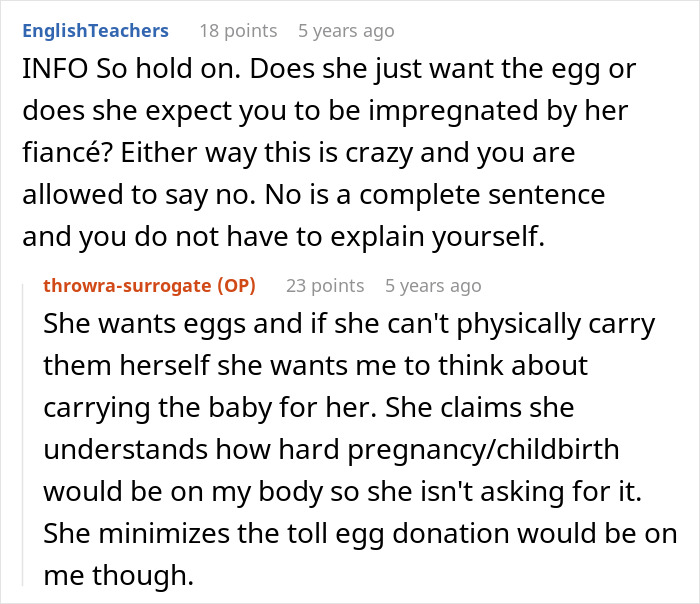
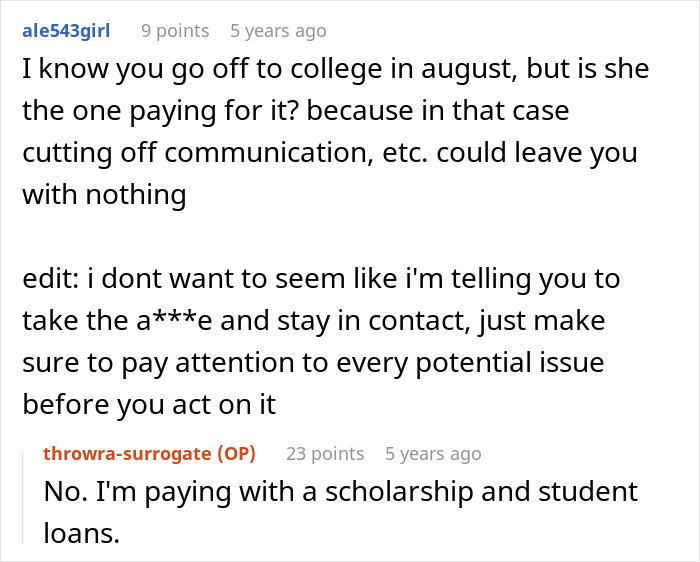


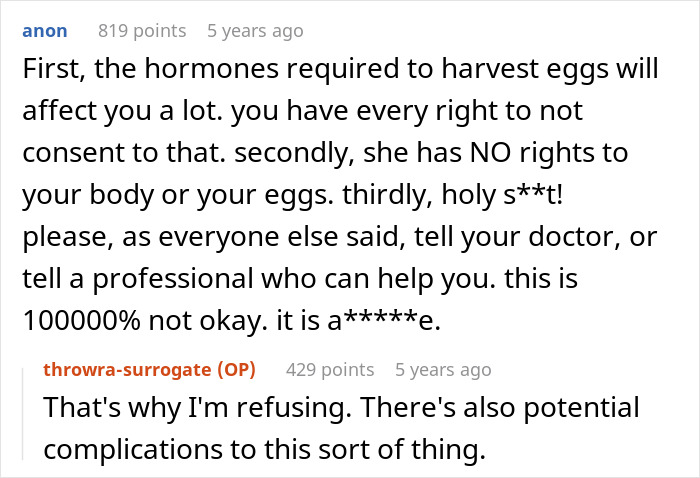
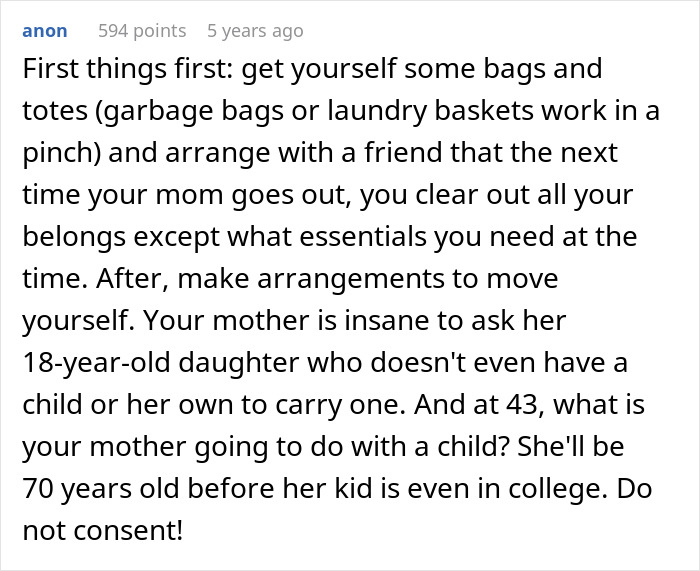
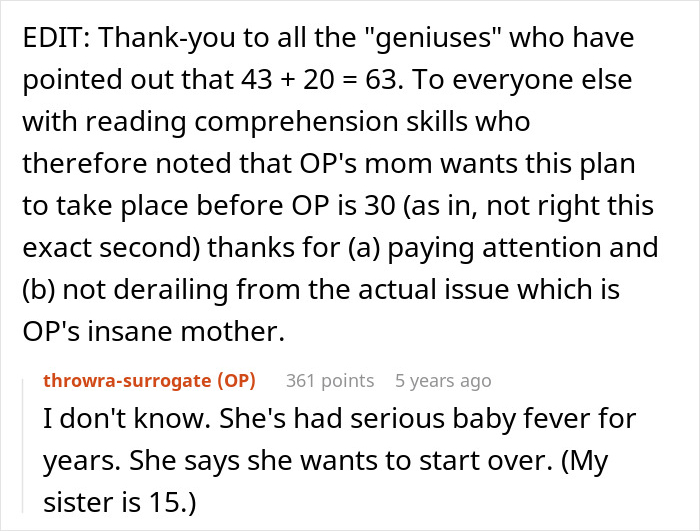
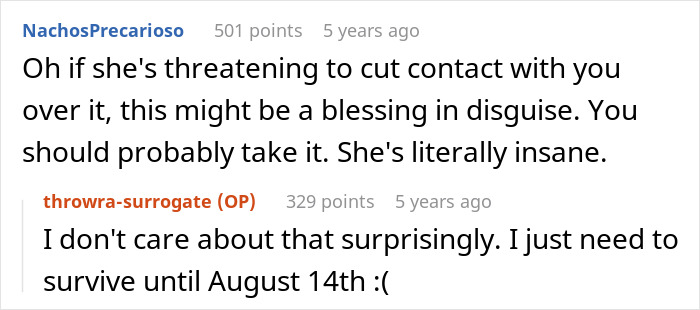
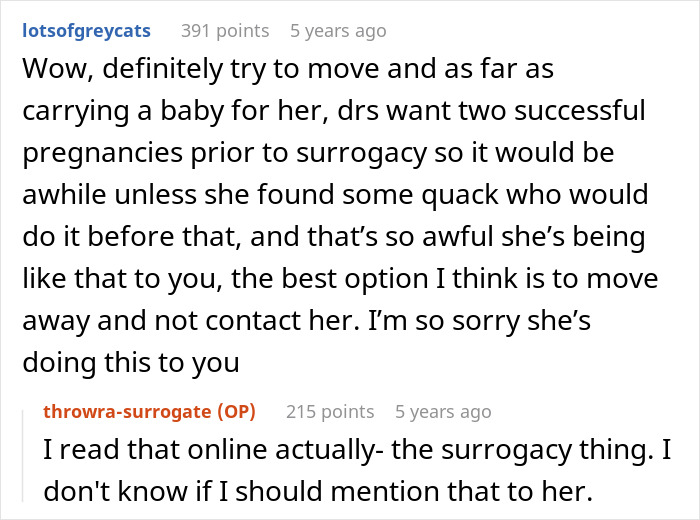
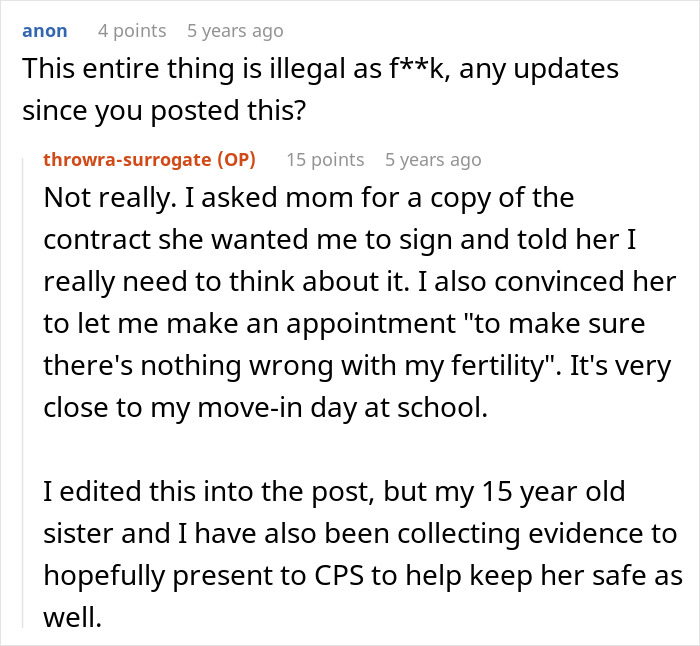


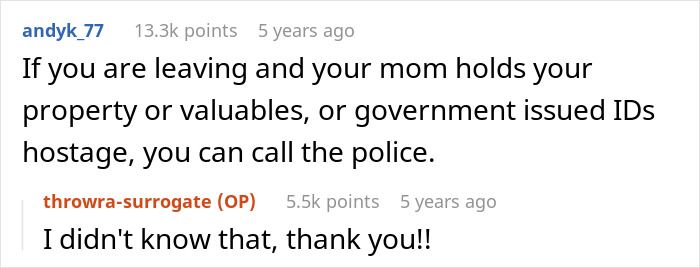
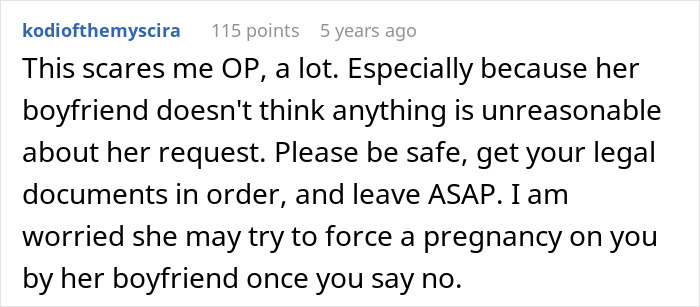
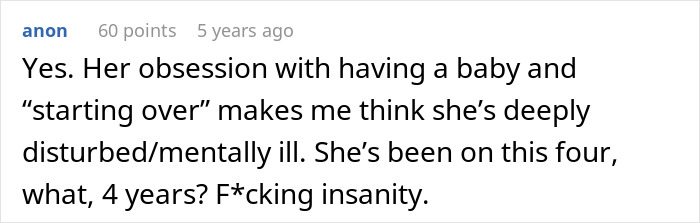
Here’s how some internet user reacted to the toxic family drama, and the advice they shared