
A trilogy can only earn its classic status if the middle chapter doesn’t coast, and the finale does not betray the promise. For me, this means that a classic movie trilogy franchise has to serve three distinct meals, not leftovers. And if done right, each installment ends up adding a new angle, new pressure, and a new emotional punch to the franchise.
I picked the ten trilogies below because they’re genuinely close to my heart. Every one of them earns its payoff, builds cleanly on what the first film sets in motion instead of resetting the board, and the pacing shifts from installment to installment, as it should. But all of them only land for me because even when the tone evolves, or the scale expands in the second or third films, there’s not a break in continuity or intent.
10
The Before Trilogy (1995–2013)

If you’ve ever had a partner in life where the two of you could talk for days without stopping, the Before Trilogy is going to warm your soul. It begins with Before Sunrise (1995), where Jesse (Ethan Hawke) and Céline (Julie Delpy) meet like a coincidence that refuses to stay small. The plot is basically walking and talking, but the film turns that into suspense because you keep waiting for time to steal the moment.
What makes the trilogy perfect is how it stops idealizing romance as it grows. Before Sunset (2004) then serves as a ticking clock dressed as a reunion, and Before Midnight (2013) has the nerve to show love under heat, resentment, and domestic fatigue. The film is directed by Richard Linklater, and he’s made these films feel like chapters in a real relationship. Throughout the three installments, every single step, every single frame, and every single conversation feels earned.
9
The Dark Knight Trilogy (2005–2012)

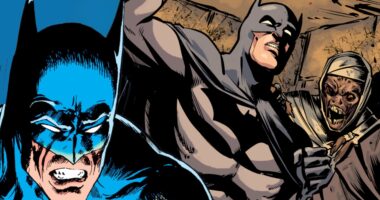
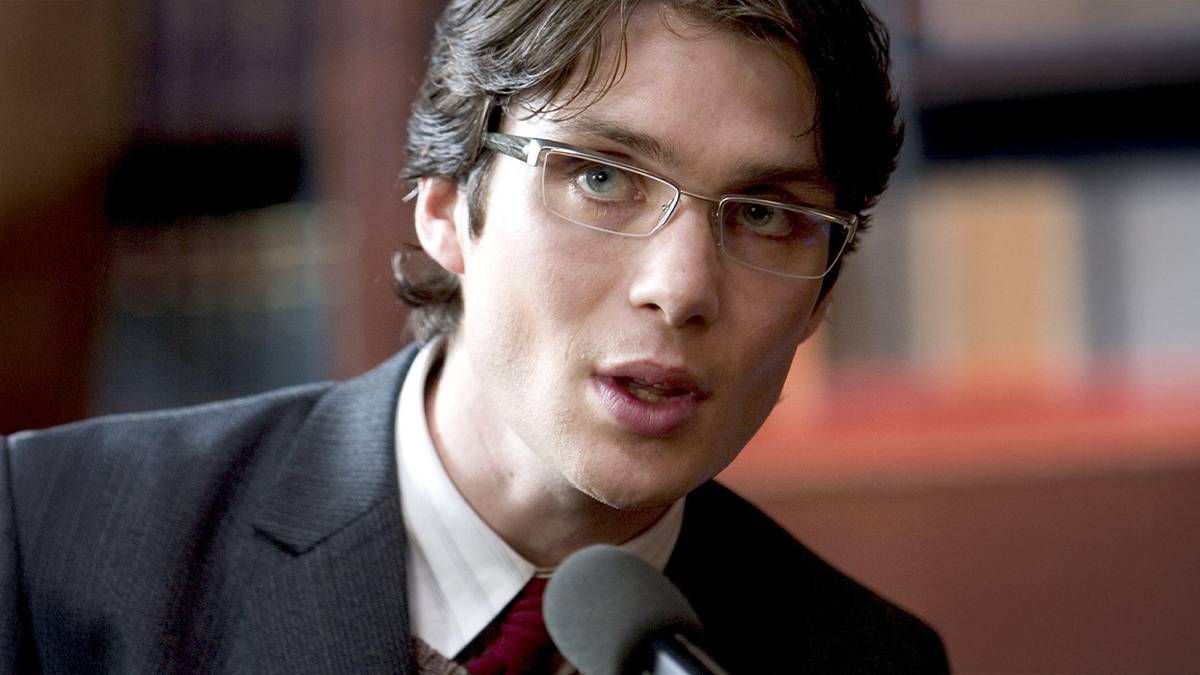
No trilogy list where there’s praise can be complete without The Dark Knight Trilogy. It opened in 2005 with Batman Begins, and nailed the feeling of Bruce Wayne (Christian Bale) building an identity out of fear, discipline, and anger. Gotham is not a playground here, or hauntingly dark as it is in The Batman (2022), it is a city you can picture living in, with corruption that feels normal until it gets deadly. It’s grounded, instead of the conventional grimdark.
Then The Dark Knight (2008) came like a stress test for morality, and The Dark Knight Rises (2012) earned its scale by making consequences stick. The three films are helmed by Christopher Nolan. I can argue about details, sure, but as a complete arc, it is a banger.
8
Planet of the Apes Reboot Trilogy (2011–2017)

I did not expect a modern franchise to make me care this much about an ape’s inner life, but here we are. Planet of the Apes Reboot Trilogy started with Rise of the Planet of the Apes (2011), and Caesar (Andy Serkis) felt like a full character. You watch his intelligence sharpen, and you watch his trust get broken. If I add anything else, it’ll ruin the climax.
The series then leveled up with Dawn of the Planet of the Apes (2014) and War for the Planet of the Apes (2017), where leadership becomes a burden and mercy becomes a gamble. It’s amazing how the trilogy treats vengeance as tempting, then shows the cost without preaching, and how director Matt Reeves gives the battles meaning throughout.
7
The Dollars Trilogy (1964–1966)

The Dollars Trilogy is the trilogy that taught cinema how to stare. A Fistful of Dollars (1964) first introduced the Man with No Name (Clint Eastwood) as a walking question mark, and the film builds tension by letting silence do the flexing. Every look feels like a bet, every gunshot feels like punctuation.
By the time For a Few Dollars More (1965) and The Good, the Bad and the Ugly (1966) hit, you can see the language expanding. Director Sergio Leone turns the Western into myth, and Ennio Morricone makes the soundtrack feel like a character. The trilogy is perfect because each film is bigger, sharper, and more playful with morality.
6
Captain America Trilogy (2011–2016)

The Captain America trilogy kicked off with Captain America: The First Avenger (2011), when Steve Rogers (Chris Evans) was still becoming the symbol, not living as one. He isn’t cool yet. He’s sincere, stubborn, and brave in the least performative way possible, which makes him easy to root for on sight. It also landed right before The Avengers (2012), so the film doubles as a clean origin and a promise of what the MCU is about to scale into.
Then Captain America: The Winter Soldier (2014) came in and flipped the franchise into a paranoid political thriller and somehow made us all care about Bucky with real weight. And Captain America: Civil War (2016) then finished the job by turning Steve into the moral spine of the entire MCU, the guy whose choices force everyone else to pick a side. It’s also actually an ideal time for a rewatch at this point because Evans is all set to return as Steve Rogers in Avengers: Doomsday.
5
Toy Story Trilogy (1995–2010)

The Toy Story trilogy works because each film pushes the characters into a new kind of fear, and none of it feels forced. Toy Story (1995) is the clean introduction: Woody’s jealousy, Buzz’s identity crisis, and the first real lesson that friendship matters more than being the favorite. Then Toy Story 2 (1999) raises the stakes emotionally by asking something deeper than a rescue mission: what happens when you’re loved, then replaced?
It turns a kids’ sequel into a genuinely adult story about purpose and time. Then Toy Story 3 came in 2010 and stuck the landing with the only ending that makes sense. The goodbye hits because the trilogy earned it over 15 years, and because it treats growing up as real change.
4
The Bourne Trilogy (2002–2007)

If you want action that feels smart, not just loud, The Bourne Trilogy is the gold standard. The Bourne Identity (2002) drops Jason Bourne (Matt Damon) into the world like a man waking up mid-sentence, and the mystery is the whole trilogy’s engine. You want it to end, but it never does. And then you kind of sit along with it until the film ends. Director Doug Liman literally makes you feel the paranoia without drowning the story in gloom.
Then The Bourne Supremacy (2004) and The Bourne Ultimatum (2007), directed by Paul Greengrass, cranked the chase, made us all feel the system closing in, but Bourne’s real fight was always with the person he used to be. I love how the trilogy turns competence into tension, because every skill he has also proves he was made to hurt people.
3
Indiana Jones Original Trilogy (1981–1989)

These movies are proof that adventure in a film can be both cool and genuinely funny. Steven Spielberg’s Indiana Jones kicked off in 1981 with Raiders of the Lost Ark, where Indiana Jones (Harrison Ford) is brave, stubborn, and constantly one step away from getting wrecked.
What makes the trilogy classic across all three is its range. Temple of Doom (1984) came three years after and went darker and stranger, then The Last Crusade (1989) turned the myth into a family story that actually landed. It feels made by people who loved old serials, but loved the audience more. The two installments that came after never landed as strongly as the original trilogy did.
2
The Lord of the Rings Trilogy (2001–2003)

Calling this trilogy a classic feels almost too small because it basically raised the bar for what modern epics could be. The Lord of the Rings Trilogy starts with The Fellowship of the Ring (2001), and the journey feels immediately personal because Frodo Baggins (Elijah Wood) looks terrified, not chosen. Then The Two Towers (2002) and The Return of the King (2003) go bigger in all the right ways, but they never lose the friendships that make the whole thing matter.
Peter Jackson nails that specific LOTR feeling where the world is mythic, yet everything looks cold, muddy, and painfully real, so every victory feels earned. I still get chills when the Fellowship breaks, and you realize courage doesn’t look the same on anyone. Aragorn steps into it, Sam drags hope forward one foot at a time, and even the side paths feel like the main story. And when the payoffs land, they land because you’ve lived with these people, not because the movie tells you to cheer. That’s classic.
1
The Godfather Trilogy (1972–1990)

I know the debate, and I still stand by the full trilogy as a classic set because the third film completes the tragedy instead of pretending it can end clean. The Godfather Trilogy began with The Godfather (1972), where Michael Corleone (Al Pacino) walks in as the good son and gets reshaped by power, family, and necessity. And when you rewatch The Godfather after watching The Offer, it becomes even better.
By The Godfather Part II (1974), the story becomes a mirror; you watch Michael harden while Vito Corleone (Robert De Niro) shows you the roots. Then The Godfather Part III (1990) shifts into regret, where Michael’s effort to go legit sounds like someone trying to wash blood off their hands with money. It is not as tight as Part II, but it is emotionally honest, and the arc ends exactly where it should. But it is hands down the greatest movie trilogy to exist.