Oscar-Winning Platoon director Oliver Stone says two of the most famous Vietnam War films ever made, Apocalypse Now and The Deer Hunter, feel “mythological” compared to his own experiences as a soldier.
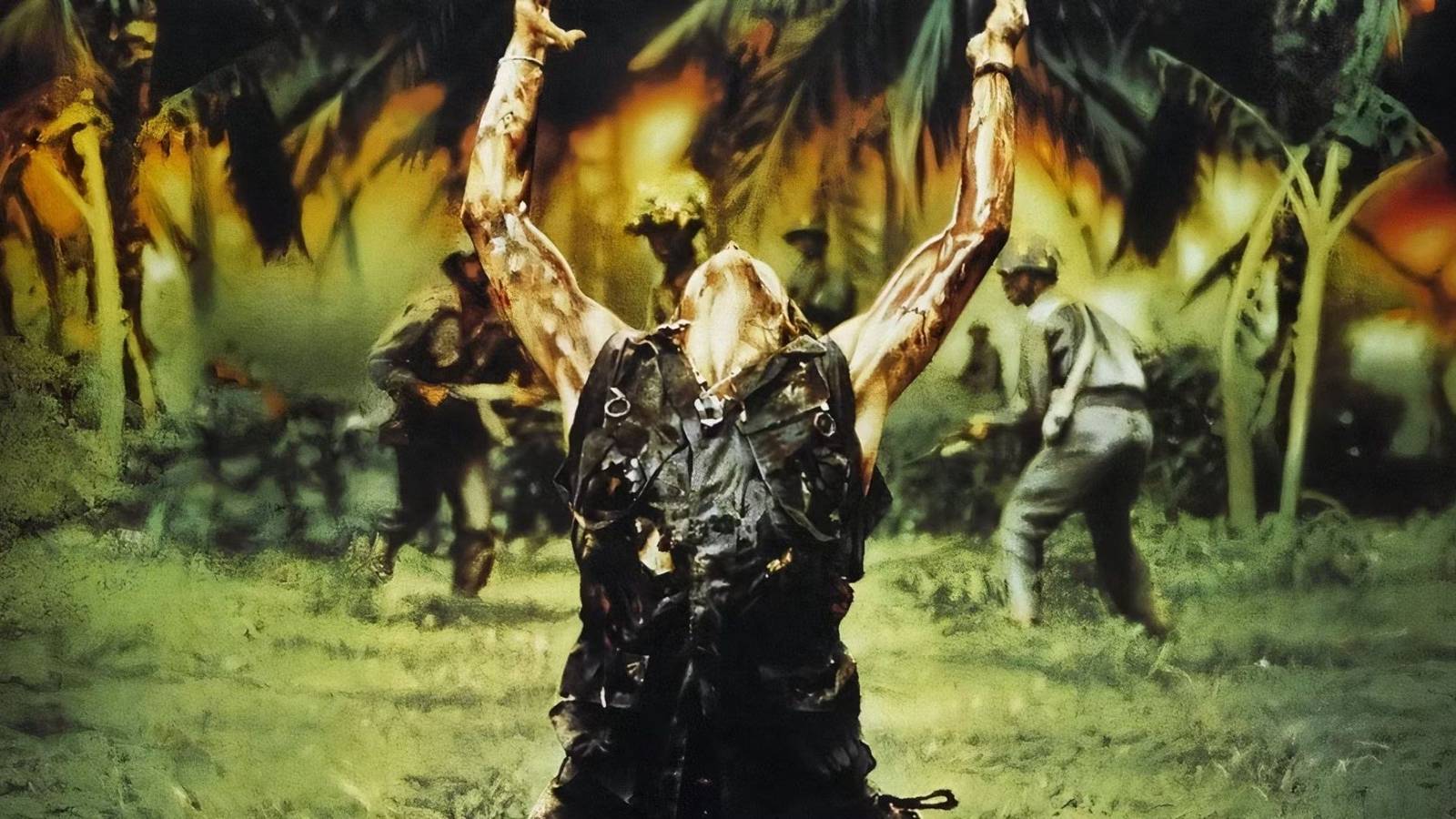
Released in 1986, Platoon follows a young American volunteer fighting in Vietnam as tensions grow between two sergeants with opposing views of morality and the war itself. The film was heavily inspired by Stone’s own time serving as a U.S. infantryman in Vietnam between 1967 and 1968, an experience that would shape much of his filmmaking career.
The filmmaker made the comments while reflecting on the legacy of Platoon during a recent interview celebrating the film’s 40th anniversary. Speaking with Variety, the director explained that while he admired Apocalypse Now and The Deer Hunter, their depictions of Vietnam often felt disconnected from the reality he witnessed as a soldier. Read his comments below:
“Coming Home” was very powerful. But it was told from the point of view of Jane Fonda as the veteran’s wife. I thought it was pretty accurate, but that was not my experience. “Apocalypse Now” I admired as a movie. But the story seemed mythological, and I couldn’t square that at all with what I saw as a soldier. It’s all secret ops and a strange mission on a riverboat. And the same with Michael Cimino’s movie [“The Deer Hunter”]. It didn’t reflect what I had been through.
Unlike many Vietnam War films, Platoon was written and directed by a veteran of the conflict, which helped give the film a reputation for realism. The movie went on to win the Academy Awards for Best Picture and Best Director and is widely regarded as one of the most authentic portrayals of the Vietnam War ever made.

Both films mentioned by Stone were released in the late 1970s and quickly became defining cinematic portrayals of the conflict. Directed by Francis Ford Coppola, Apocalypse Now reimagines Joseph Conrad’s Heart of Darkness in the context of the Vietnam War, following a U.S. Army captain sent on a secret mission to assassinate a renegade colonel deep in the jungle.
Apocalypse Now is famous for its hallucinatory tone and ambitious filmmaking, especially its famous helicopter attack sequence set to Wagner’s “Ride of the Valkyries.” Meanwhile, The Deer Hunter focuses on a group of working-class friends whose lives are permanently changed by the war. The film won the Academy Award for Best Picture and is remembered for its emotionally devastating portrayal of soldiers returning home after the conflict.
However, Stone has argued that those earlier films approached the Vietnam War from a more symbolic or dramatic perspective, rather than focusing on the everyday experience of soldiers in combat. That perspective was a major influence behind his decision to make Platoon, which sought to portray the war from the ground level through the eyes of young soldiers caught in a morally complicated conflict.
The director would later expand on those themes in two additional films that form Stone’s filmography and his trilogy about the Vietnam War. Born on the Fourth of July and Heaven & Earth explore different aspects of the war’s impact, from the experiences of soldiers in combat to the long-term psychological and cultural consequences that followed.
Decades later, Vietnam War films continue to shape how audiences understand the conflict. Films like Apocalypse Now, The Deer Hunter, and Platoon remain among the most influential war movies ever made, each offering a distinct perspective on one of the most controversial chapters in modern American history.
Even if Stone believes some of those earlier films leaned more toward myth than reality, his comments ultimately highlight how the Vietnam War has inspired vastly different interpretations on screen, from surreal psychological epics to deeply personal stories grounded in firsthand experience.

- Release Date
-
December 19, 1986
- Runtime
-
120 minutes
- Director
-
Oliver Stone