

Senior Music Editor at Screen Rant, Sarah’s love of sound and story drive the beat. A globetrotting brand whisperer and award-winning journalist, she’s built cross-cultural narratives around the world—but music has always been her true north. She launched DJ Mag North America, successfully introducing the iconic UK brand to the U.S. market. Previously, she carved a space for EDM inside the pages of VIBE, blending electronic and hip-hop culture long before it was trendy.
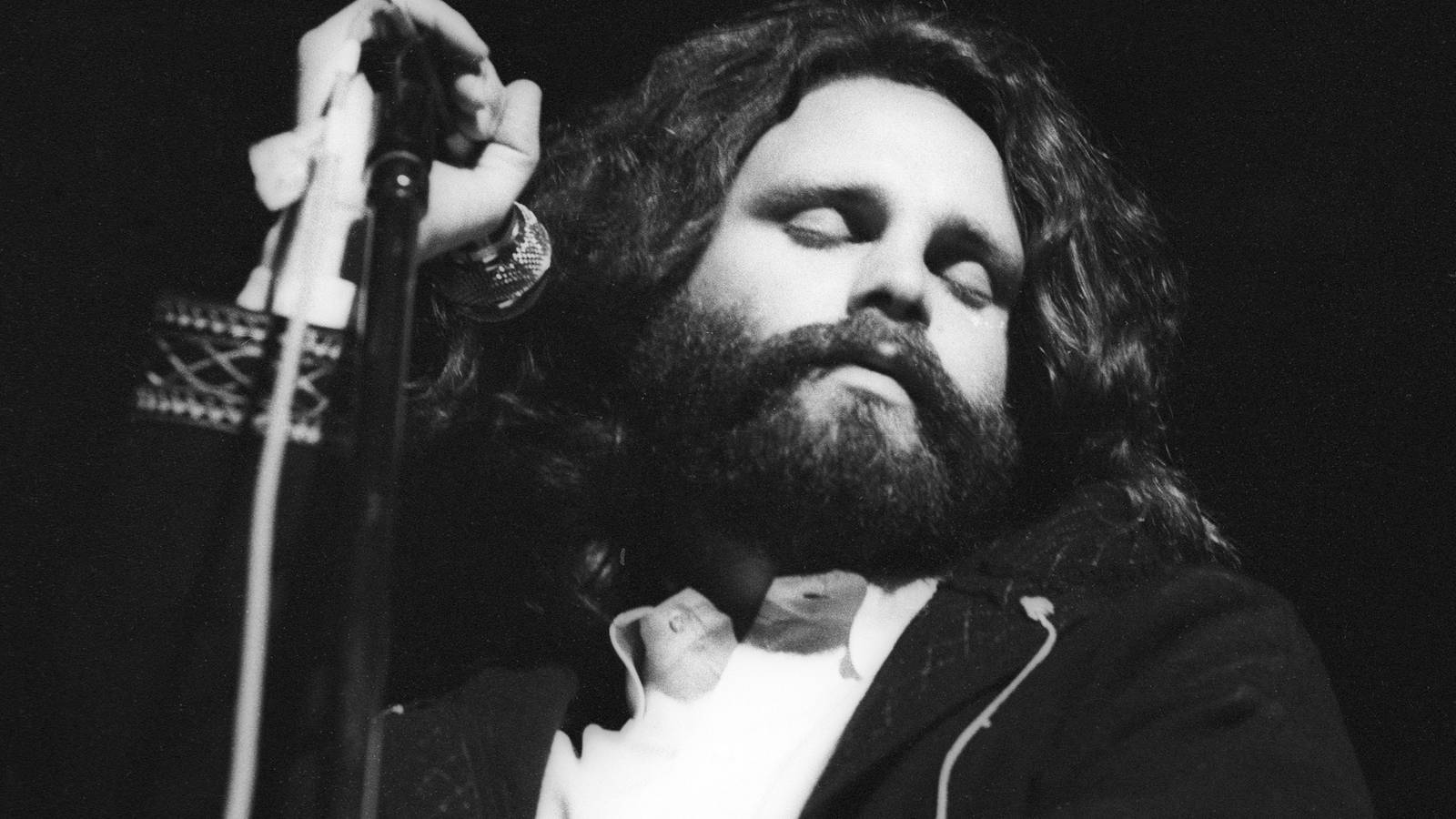
Can you even imagine a world wherein certain classic rock songs never existed? Where would we even be without The Doors’ penultimate track “Light My Fire?” As a music editor, it’s vital to understand these historical data points to see how they shaped the modern landscape. In 1967, the song was a calculated risk that challenged the rigid geometry of rock. While the Billboard Hot 100 was dominated by three-minute pop standards, The Doors delivered a sprawling, seven-minute epic that shouldn’t have worked on paper. Yet, it didn’t just survive the airwaves—it conquered them, spending three consecutive weeks at #1 and proving that the American public had an appetite for complex, long-form storytelling that the industry had previously deemed unmarketable.
Today, “Light My Fire” feels untouchable—a psychedelic cornerstone of the “Summer of Love”—but its journey to the top was a mathematical battle against the AM radio status quo. The track serves as the primary data point for the great migration to FM radio; while the 2:52 radio edit satisfied Top 40 stations, the “underground” movement thrived on the full 7:06 album version. This defiance reached a breaking point during their infamous appearance on The Ed Sullivan Show. By refusing to censor a single lyric in front of 40 million viewers, Morrison turned a hit song into a cultural pivot. With over 380 million Spotify streams (via kworb.net) today, the numbers prove that the culture ultimately chose transcendence over the “tidy” radio edit.
The Battle Of The Radio Edit
In 1967, the music industry was strictly divided. AM radio was the king of the airwaves, but it operated on a rigid “three-minute rule.” Anything longer risked being skipped.
- The Original: The album version clocked in at 7:06, dominated by a hypnotic instrumental break.
- The Compromise: To secure airplay, Elektra Records released a 2:52 single edit, hacking away more than four minutes of the song’s soul.
- The Cultural Shift: This tension helped trigger the rise of FM radio. While AM played the short edit, “Underground” FM stations played the full seven-minute masterpiece. By 1978, this movement culminated in FM radio officially surpassing AM in total listenership for the first time in history.
Defying The Sullivan Censorship
Length was not the only tension point. The track faced a massive hurdle on September 17, 1967, during The Ed Sullivan Show.
- The Viewer Reach: At the time, Sullivan’s show pulled in 30 to 40 million viewers—roughly 20% of the entire U.S. population, according to EBSCO
- The Ultimatum: Producers demanded Jim Morrison change the lyric “Girl, we couldn’t get much higher” due to perceived drug references.
- The Defiance: Morrison sang the original lyric anyway. The result? The Doors were permanently banned from the show, walking away from the most powerful marketing engine in television history.
By The Numbers: A Massive Breakthrough
|
Metric |
Achievement |
|
Billboard Hot 100 Peak |
#1 (3 consecutive weeks) |
|
RIAA Certification |
2x Platinum (2,000,000 units) |
|
Album Version Length |
7:06 |
|
Radio Edit Length |
2:52 |
|
Global Sales (Debut Album) |
20 Million+ Copies |
The irony is what makes it classic rock folklore: a song considered too long and too suggestive for mainstream America turned out to be the defining factor for where rock was headed. Radio wanted tidy. Culture wanted transcendence. The numbers show exactly who won.