
The Justice Department’s first release of records under the Epstein Files Transparency Act has reignited partisan tensions, with critics questioning whether the disclosure treats political figures consistently.
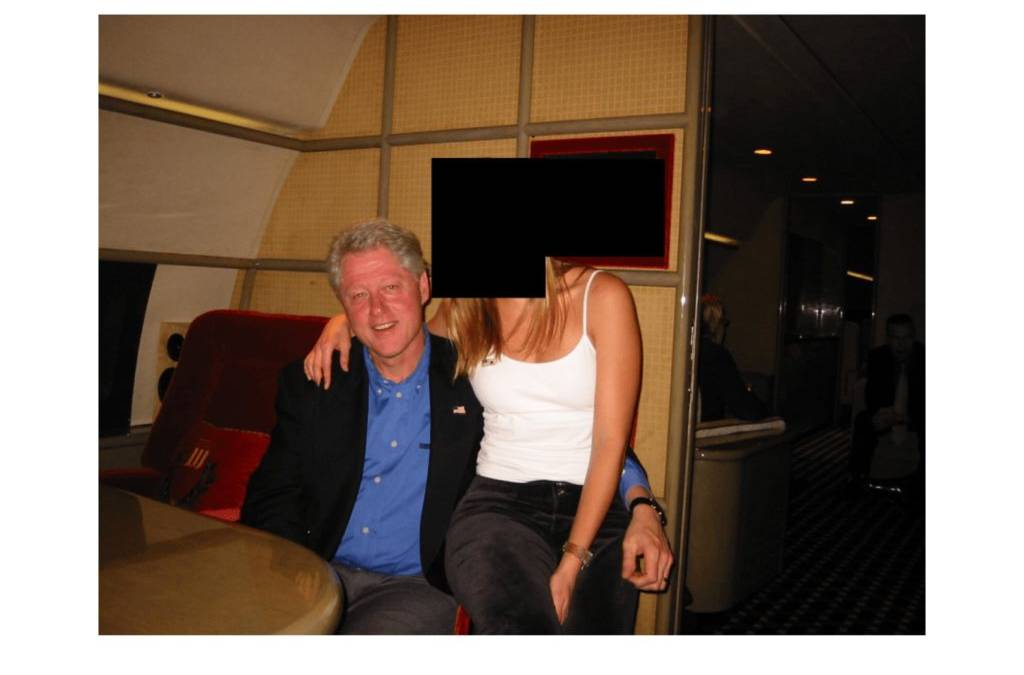
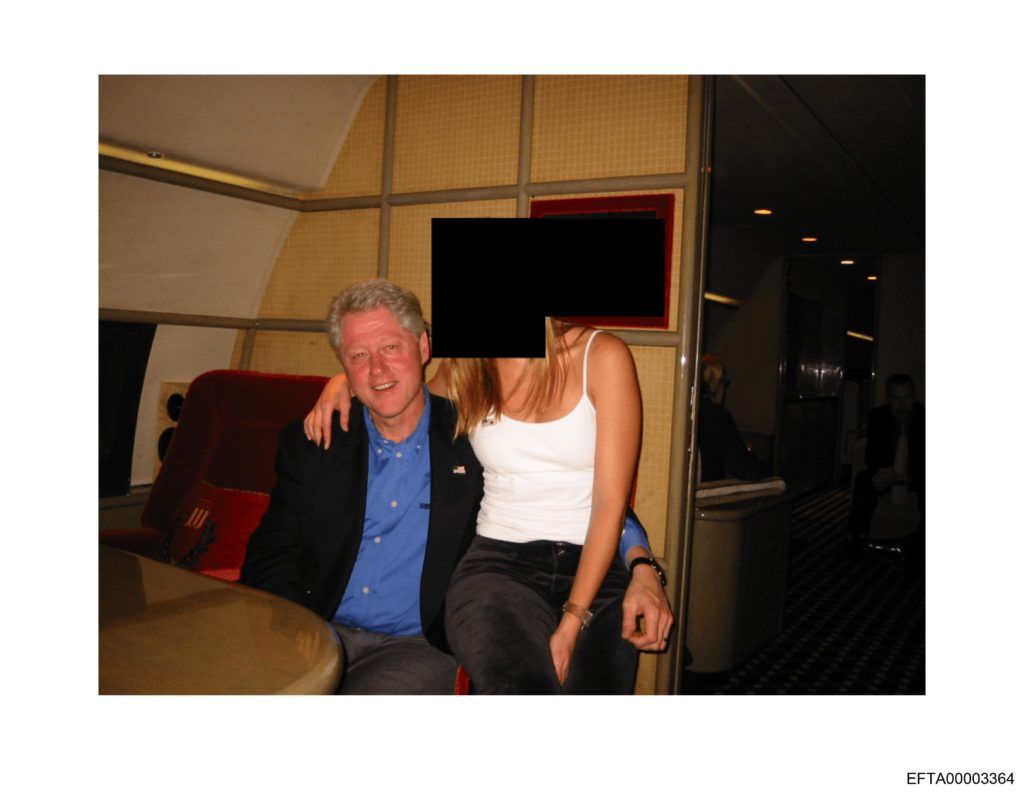
The initial tranche of files, published Friday, includes numerous photographs showing former President Bill Clinton in social settings with Jeffrey Epstein and his longtime associate Ghislaine Maxwell. The images have circulated widely since the release and quickly became some of the most discussed elements of the disclosure.
At the same time, analysts and lawmakers noted that former President Donald Trump does not appear in the initial batch of files that have drawn public attention. The contrast has fueled accusations of selective transparency, even as the Justice Department insists the release was driven by legal review rather than political considerations.
The Epstein Files Transparency Act explicitly bars the government from withholding records to prevent embarrassment or political fallout. That provision has made the optics of the release especially sensitive in a case that has long been entangled with public distrust of elites and institutions.
DOJ Says Process, Not Politics, Dictated the Release
Justice Department officials have defended the disclosure, stating that redactions were applied only to protect victims, exclude illegal material or comply with longstanding legal rules governing sensitive records. Officials have said no names were removed or excluded for political reasons and that the appearance or absence of individuals reflects the state of document review rather than editorial judgment.
Supporters of the department argue that presence in photographs does not imply wrongdoing, just as absence does not confer exoneration. They note that the first tranche is heavily image-based and that additional documents, including written records, are expected in future releases.
Nonetheless, critics say the initial visual impact matters. In a case where public understanding is shaped as much by perception as by documentation, they argue that staggered disclosure risks creating a narrative before all the material is available.
Lawmakers Question Whether Optics Undermine the Law’s Intent
Lawmakers from both parties who supported the transparency law have expressed concern that the rolling release approach undermines the statute’s intent. Some argue the law was designed to force a comprehensive reckoning, not a phased publication that leaves room for political interpretation.
Several members of Congress have called on the Justice Department to clarify its review criteria and accelerate future releases to reduce speculation. As more files are expected to be made public, the debate over whether transparency can truly be neutral in a case this politically charged is likely to intensify.