
In ‘Radioactive Emergency,’ the true story of the Goiânia Accident takes center stage as the narrative explores the events that led up to the tragedy and its aftermath. The story unravels in 1987, in the Brazilian city of Goiânia, Goiás, as the local community unwittingly comes under extended exposure to nuclear radiation. A pair of locals scavenges a capsule from an abandoned radiotherapy clinic and sells it to a junkyard. As a result, an entire community is unwittingly contaminated with large amounts of Cesium-137, a highly biohazardous substance.
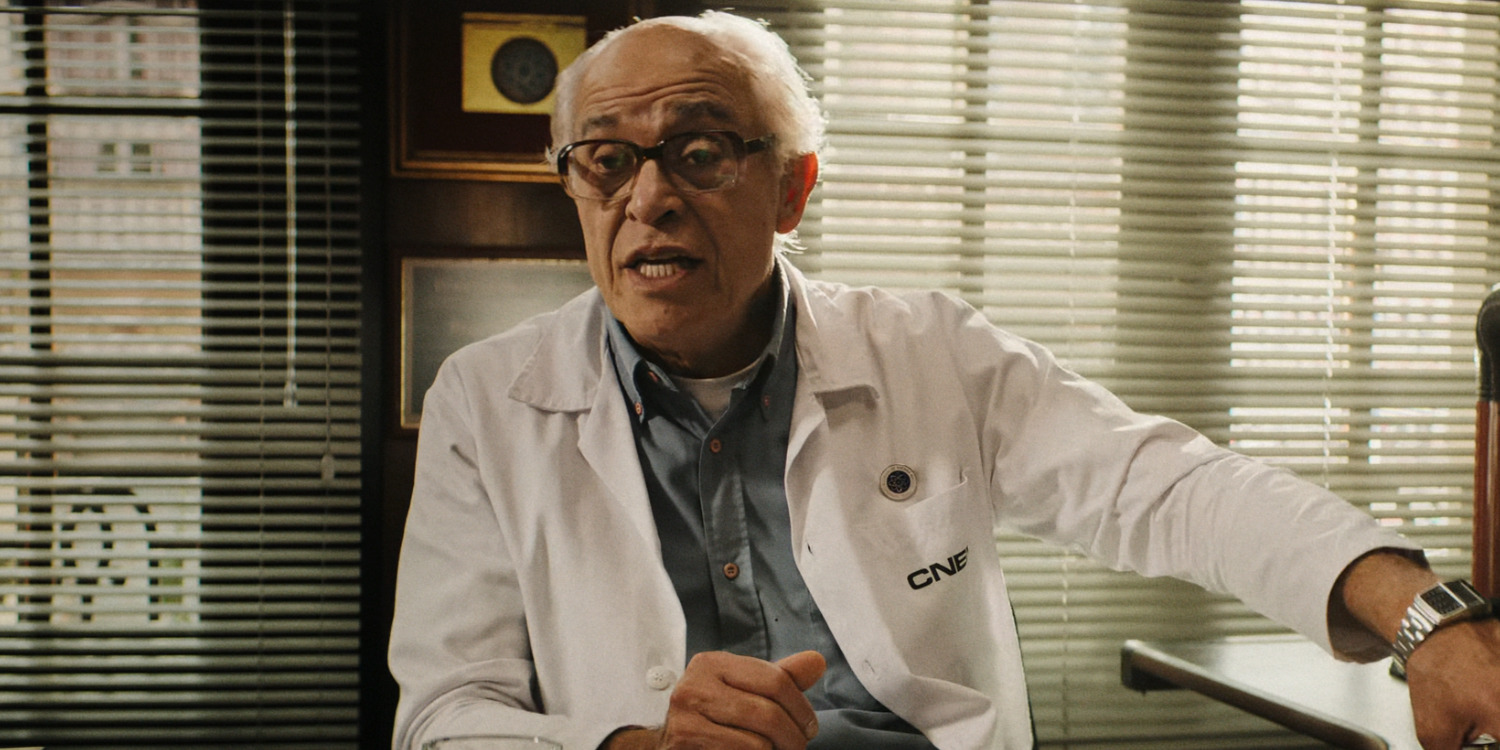
It’s only days later, when Marcio, a nuclear physicist, is in town for his father’s birthday, that the true nature of the capsule is identified. This launches Goiânia in an intense mission of decontamination and patient medical restoration. Consequently, Beny Davi Orenstein, the director of the Brazilian National Nuclear Energy Commission (CNEN), is brought to the location to design the response operation to the developing tragedy. Given the historical nature of the show, Orenstein’s character and his possible roots in reality become a major point of intrigue.
A Real-Life CNEN Official Inspired Beny Davi Orenstein’s Role in the Contamination Cleanup
‘Radioactive Emergency’ is a historical drama thriller series that retains some distance from the biographical details of the real-life Goiânia Accident. This is mostly done through subtle changes in details, such as character names. Even so, the series maintains a notable connection to reality with a narrative that remains historically accurate for the most part. Therefore, the character of Dr. Beny Davi Orenstein occupies a similar role in the story. The on-screen director of the CNEN is a fictionalized version of a real-life official who played a crucial role in the real CNEN’s response to the discovery of the exposed Cesium-137 in Goiânia, Goiás.
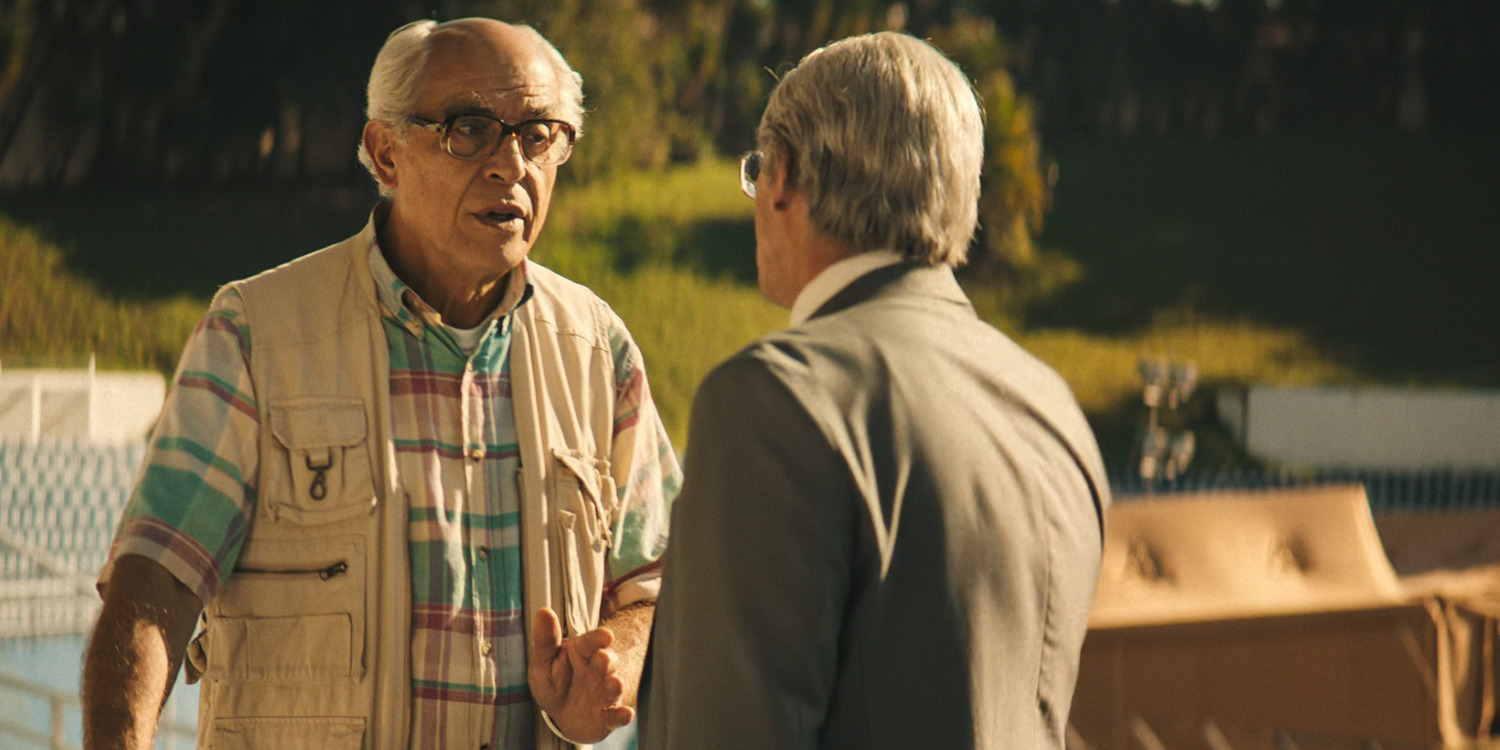
On September 13, 1987, Roberto dos Santos Alves and Wagner Mota Pereira entered the premises of an abandoned radiotherapy clinic, Instituto Goiano de Radioterapia. The unsecured area was home to an abandoned piece of technology used for cancer treatment that the clinic had left behind after their evacuation and demolition. The medical unit, once broken up, revealed a deposit of Cesium-137, a glowy blue powdered substance that the junkyard owner Devair Ferreira ended up sharing with his friends and family. As a result, the nuclear radiation contamination of the substance spread around the town. Eventually, after Ferreira’s wife, Maria Gabriela, brought the capsule to the Health Center, the material was finally identified as radioactive.
The identification was made by a local medical physicist who was visiting the town. Once he had examined the situation and evaluated its high threat levels, he tried to initiate evacuation and expand the response operation. On September 29, 1987, 16 days after the locals were initially exposed to the Cesium-137, the coordinator for nuclear emergencies finally traveled from Rio de Janeiro to Goiânia. Although this individual’s name doesn’t seem to be included in most historical records, he worked alongside the medical physicist and played a significant role in decontamination and other responses to the accident. Reportedly, after evaluating the situation himself with greater scrutiny, he reached out to the CNEN headquarters, establishing that the situation was critical and would require abundant resources.
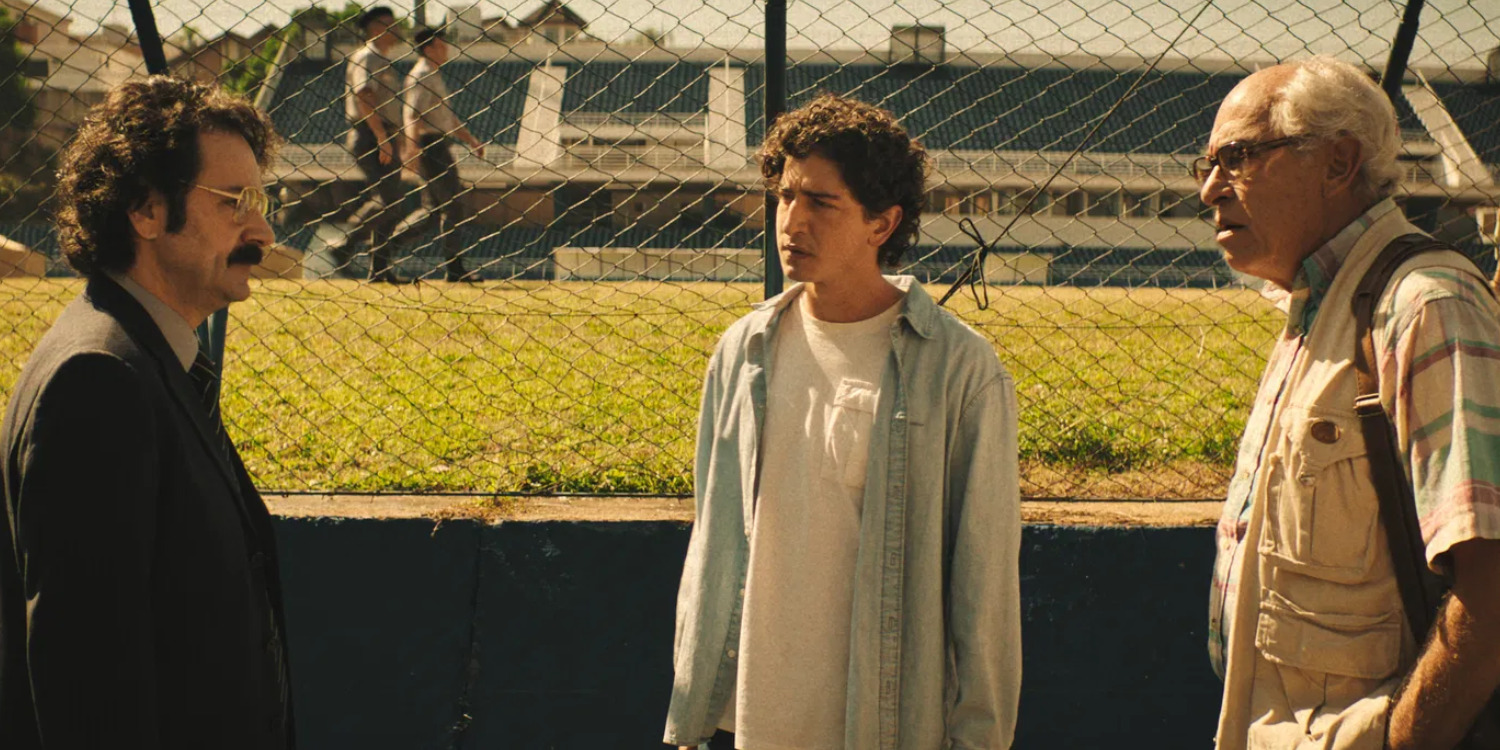
Ultimately, alongside many other field officials, the coordinator for nuclear emergencies remained pivotal to the cleanup process. His expertise on the situation ultimately shaped the authorities’ official actions. However, while his professional contribution to the accident remains evident, little is known about his personal life. Orenstein’s character finds notable inspiration in the coordinator’s historical involvement with the Goiânia Accident. Yet, parts of his characterization inevitably become fictitious details, crafted to help the narrative deliver a well-rounded storyline. Nonetheless, regardless of the occasional creative liberty taken in Orenstein’s story, his origins in the real-life CNEN official provide a foundation of authenticity to the character. Ultimately, the on-screen director of the CNEN proves to be a blend of fact and fiction.
Read More: Is Radioactive Emergency Based on a True Story? Is Marcio a Real Nuclear Physicist?