Up next

Access Restricted
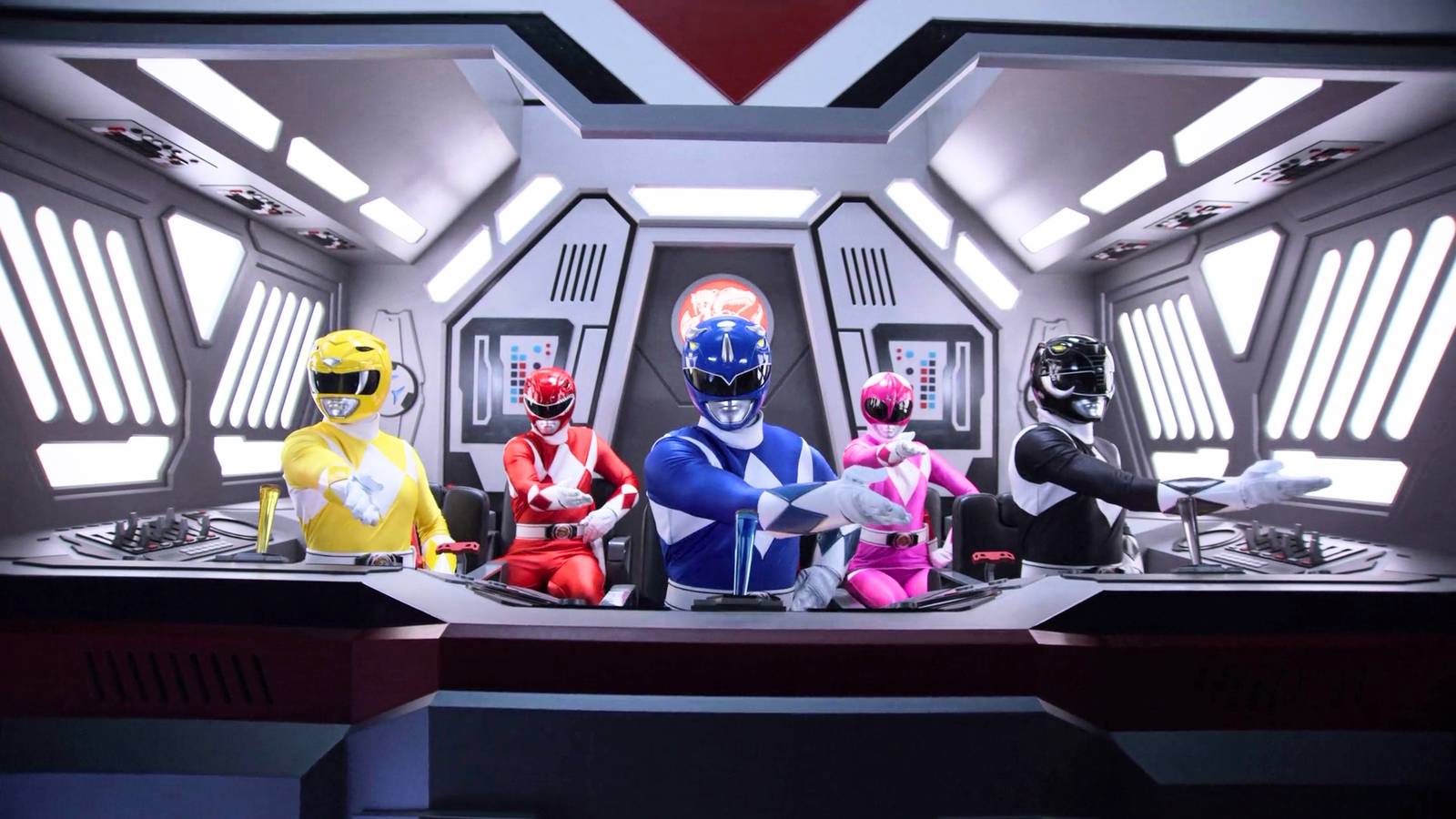
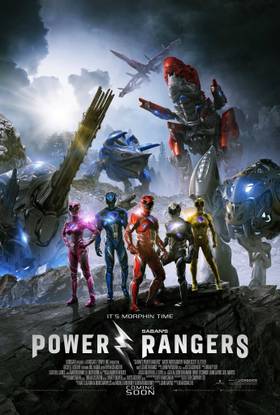
After several years off the air, Power Rangers is finally heading back to screens with a full-scale reboot in development for Disney+, spearheaded by Disney and Hasbro. Rather than a continuation of past eras, the new Power Rangers show will be a complete reinvention, and familiar elements of the franchise may be radically reworked for a modern audience.
One of the most striking shifts is that the Disney+ Power Rangers reboot will move forward without using footage from Toei’s long-running Super Sentai. For decades, the franchise relied on Japanese action footage for its suit battles, Zord sequences, and giant monster clashes, shaping the show’s structure and visual identity.
The shakeups for the Disney+ reboot represent the most dramatic departures from the traditional Power Rangers formula ever seen. While potentially controversial, they also open the door to a more cohesive narrative and cinematic approach. If executed carefully, losing the Sentai framework could become a creative advantage rather than a limitation for the reboot – even if it means less Zords.
Power Rangers’ New Show Will Likely Have Fewer Megazord Scenes
A Bigger Focus On Story Makes Constant Giant Battles Unsustainable

For the first time in its history, Power Rangers is not being developed as a Super Sentai adaptation. That single change fundamentally alters how the show can be structured when it returns for the Disney+ reboot, particularly when it comes to Megazord battles and giant monster showdowns that once defined the franchise.
Previous Power Rangers shows followed a rigid format driven by Sentai footage. Every episode escalated toward a monster growing to enormous size, forcing the Rangers to summon their Zords. Without that imported structure, the Disney+ reboot is free to abandon the expectation of a weekly Megazord fight.
The new Power Rangers series is widely expected to target an older demographic and function as a more traditional serialized TV drama. That approach makes the old “giant monster of the week” formula impractical, both narratively and financially, especially with modern visual effects standards.
High-quality CGI Zord battles are an enticing prospect, but having them in every single episode would require substantial resources. A show aiming for cinematic presentation cannot realistically deliver large-scale robot combat every episode without sacrificing polish or consistency, something contemporary audiences are quick to notice.
Reducing the frequency of Megazord scenes will also allow the Power Rangers reboot to focus on character development, world-building, and long-form storytelling. Earlier seasons often rushed emotional beats to reach mandatory action set pieces dictated by available footage.
Without having to rely on Super Sentai, the reboot can also engineer ways to take down the Ranger’s foes that don’t rely on a Zord vs. giant monster climax. Fewer Megazord scenes may feel like a loss at first, but they reflect a shift toward quality over quantity. For a modern Power Rangers, that tradeoff is almost unavoidable.
A Modern Power Rangers Reboot Can’t Have Megazord Battles Every Episode
Dropping The Monster Of The Week Format Allows The Story To Breathe

Moving away from the monster-of-the-week structure could be one of the Power Rangers reboot’s biggest strengths. While iconic, the inevitability of the end-of-episode Zord battle often limited storytelling, forcing conflicts to reset every episode and preventing meaningful consequences from carrying forward.
A serialized approach allows antagonists to develop over time rather than appearing briefly before being defeated and discarded. Long-term villains can gain depth, motivations, and narrative weight, something earlier Power Rangers seasons rarely had room to explore. This structure also benefits the Rangers themselves. Character arcs can unfold gradually, letting relationships evolve naturally instead of being confined to episodic lessons that reset by the next installment.
The monster-of-the-week model also dictated pacing. Power Rangers episodes often felt formulaic, with predictable beats leading to an inevitable Megazord battle. Removing that expectation gives writers flexibility to build tension in different ways. Without mandatory giant battles, action scenes can be more varied. Street-level fights, stealth missions, and personal confrontations can carry just as much intensity when given proper focus and choreography.
Letting episodes exist without Zords normalizes restraint. When escalation finally happens, it should feel earned rather than routine, and make the tone of the Power Rangers Disney+ reboot feel more mature and deliberate.
Disney’s Power Rangers Show Has To Make The Zord Scenes Count
Saving The Zords For Big Moments Would Give Them Real Narrative Power

If the Disney+ Power Rangers reboot significantly reduces Zord appearances, the times they do emerge need to matter. The absence of constant Megazord battles creates an opportunity to transform them into true narrative events rather than obligatory finales.
Treating Zords as rare but devastating weapons in the Ranger’s arsenal, possibly even only as last resorts, raises the stakes. When they appear, it should signal a turning point in the story, not a predictable weekly escalation that resolves everything neatly.
In fact, the approach Disney and Hasbro could most effectively take with the Zords would likely mirror how Game of Thrones used dragons. They were absent for long stretches, but when deployed, they reshaped battles and shifted power dynamics in ways that felt monumental.
Applying that philosophy to Power Rangers would restore a sense of awe to the Zords. Their arrival could represent desperation, unity, or irreversible consequences rather than routine problem-solving. From a production standpoint, concentrating resources on fewer Zord scenes allows for higher-quality visuals. Better choreography, weightier animation, and clearer geography would make the action more impactful.
Narratively, Zord battles could be tied directly to character growth. Piloting them might require emotional breakthroughs or teamwork forged through prior conflict, giving the spectacle thematic relevance. By making restraint a feature instead of a compromise, the Disney+ Power Rangers reboot can redefine what Zords represent. When they finally combine, it should feel like a moment the story has been building toward, not checking off a requirement.
- Created by
-
Haim Saban, Shuki Levy, Shotaro Ishinomori
- First TV Show
-
Mighty Morphin’ Power Rangers
- First Episode Air Date
-
August 28, 1993