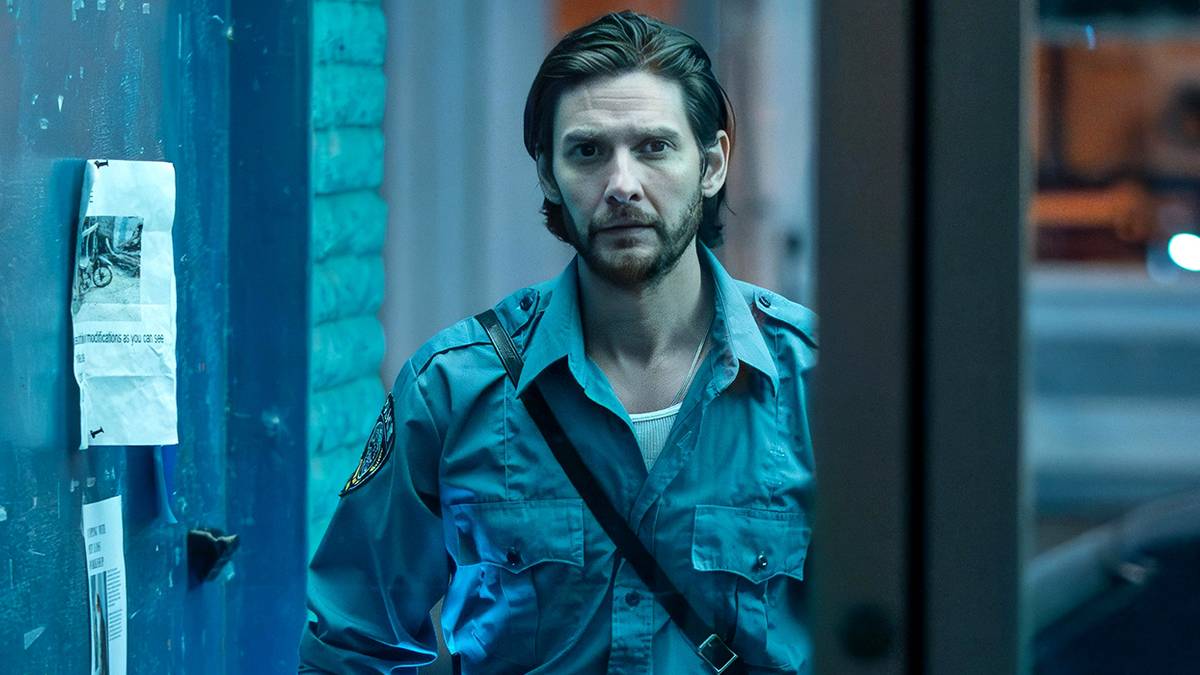

MGM+’s The Institute is one of those Stephen King adaptations that feels like it shouldn’t work as well as it does — especially when early critical reactions have been mixed. The genre trappings lean heavily toward hokum, conspiracy, and ethically murky science. But the show has quietly turned into a steady streaming performer, per Flixpatrol, and that consistency isn’t just about name recognition or star power. The biggest reason The Institute holds together better than its source material is a significant structural change: bringing Tim Jamieson’s “night knocker” storyline geographically closer to the Institute itself.
That single alteration tightens the mystery, keeps viewers invested, and removes a distraction that plagued the book. Instead of constantly wondering how two distant narratives will ever collide, audiences can focus on the tension, characters, and the creeping dread that something very wrong is lurking in the woods.
Bringing Tim Jamieson to Maine Fixes a Distracting Split in ‘The Institute’

In King’s novel, Tim Jamieson spends much of the story in a completely different state, hundreds of miles away from the Institute. It’s an intriguing idea on paper — two parallel tracks slowly inching toward each other — but in execution, it often left readers preoccupied with logistics instead of story. How could these worlds meet? Why did they feel like two different books stitched together? And was the distance even worth it once the crossover happened?
The show removes that mental hurdle almost entirely. By relocating Tim’s storyline to Maine, the series stops inviting viewers to do narrative math and instead lets them soak in unease. Tim’s quiet attempts to rebuild his life, his guilt-ridden past as a cop, and his slowly growing suspicion that the town isn’t as sleepy as it pretends to be now feel organically tethered to the Institute. Thematic tension replaces geographic tension, which is a far better trade.
More importantly, it clarifies the stakes. When ominous warnings, strange activity, and institutional secrecy surface, Tim doesn’t exist in another world — he’s practically at the edge of the same forest. The show’s suspense becomes immediate rather than hypothetical.
Because Tim is nearby, his storyline doesn’t feel like a side quest waiting to be justified. It feels like part of the same orbit from the jump. In the novel, Tim largely disappears after an early introduction, then resurfaces far later when the story finally demands it. The series instead treats him as a constant presence, allowing his emotional arc to develop alongside the children’s escalating suffering and rebellion within the Institute.
That proximity — literal and narrative — makes the convergence feel inevitable in a satisfying way. Each week, the two tracks inch closer, and viewers can sense the magnetic pull between them. There’s less of a “will these stories ever connect?” frustration and more of a “how soon until these worlds collide and who survives when they do?” anticipation.
The result is momentum. Instead of sagging in the middle like the novel eventually does, the show maintains forward motion through its early stretch, especially as Tim begins piecing together that the town’s most ominous secrets might be hiding in plain sight.

‘The Institute’ Review: Even Ben Barnes Can’t Save This Slog of a Stephen King Adaptation
MGM+’s new series is an uninspired take on a lesser Stephen King story.
The Mystery Plays Cleaner — Even When ‘The Institute’ Stumbles

The Institute isn’t flawless. While those watching the show have pointed out that the ending did not match the level of expectation caused by the preceding episodes (like certain plot twists and character payoffs) or lead to emotional closure; many people continued to watch the series due to its primary theme of disturbing the youngest members of society and creating an unhealthy mindset that operated under the guise of needing to protect the children – plus, with Ben Barnes, Mary-Louise Parker, and Joe Freeman anchoring the cast. All three actors performed phenomenally in demonstrating and conveying fear and anguish.
Tim does not solve every pacing or tonal issue, but does strengthen the foundation of the story. When the series focuses on the following themes: children banding together and supporting one another despite the overwhelming resistance from their parents; adults rationalizing and justifying their cruel actions toward children as necessary; and a hero who is damaged morally, but is trying to find the truth — those themes coalesce in such a way that it gives the viewer a sense of unity throughout the series, which had been absent from the source material.
The creators at MGM+ have made a strong effort to convey the feeling of hopelessness and despair the characters are experiencing, without going into complete darkness or absurdities. They successfully aged the youngest members of the cast, allowing them to suffer appropriately without their suffering becoming vulgar, while still allowing the effect of terror to be felt. That choice, paired with a structural correction King himself reportedly hesitated over before ultimately approving, gives the series a tighter identity.
And that’s ultimately why The Institute is holding strong on streaming. Viewers don’t have to fight the story. They don’t have to constantly question when, or even if, threads will finally converge. They can sink into the paranoia, the mounting dread, and the promise that two trains are barreling toward each other on the same track — and that crash is coming sooner rather than later.