28 Days Later became the best and most influential zombie film since the works of George Romero, and thankfully, 28 Years Later: The Bone Temple lives up to the franchise’s legacy. While it’s exciting to see a truly great film so early on in the year, 28 Years Later: The Bone Temple and Nia DaCosta’s success doesn’t mean there isn’t room for other great entries in the genre. While it debuted at select festivals last year, the post-apocalyptic zombie thriller We Bury the Dead has already become one of the year’s most underrated films. Fans of 28 Years Later: The Bone Temple who enjoy thoughtful, emotional components within their zombie stories may find something to appreciate about We Bury the Dead, but that’s where the similarities between the two films stop. Director Zak Hilditch has been working on low-budget genre films for quite some time now, but We Bury the Dead is easily his most impressive accomplishment to date.
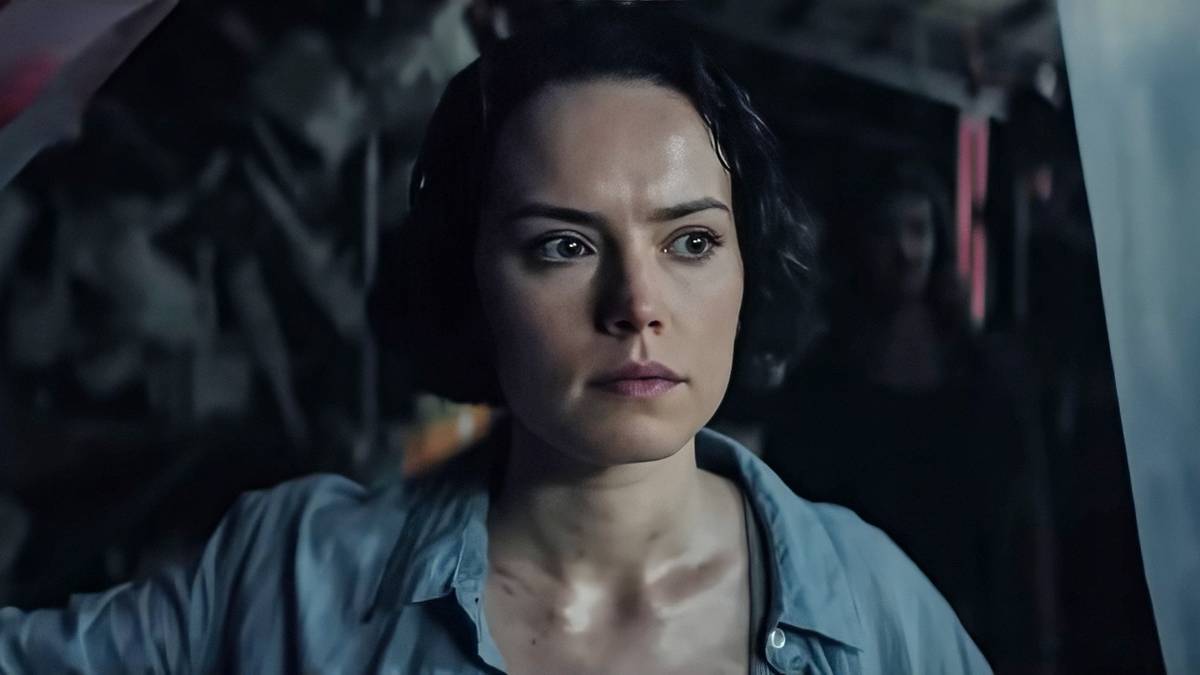
The eerily prescient premise of We Bury the Dead revolves around the aftermath of a weapons malfunction in which an artificial device was accidentally set off near the coast of Tasmania, leading to devastating consequences for the people living on the nearby island. The film introduces an Australian military effort to clear the island of those affected by the blast, who have lost motor functions, consciousness, and any semblance of the people that they once were. Although the “undead” have shown some signs of aggression, the American physiotherapist Ava Newman (Daisy Ridley) volunteers to be part of the crew because she lost her husband, Mitch (Matt Whelan). Ava is joined on her mission by the mysterious volunteer Clay (Brenton Thwaites), but the discoveries they make about what happened to the island residents is disturbing to them both. We Bury the Dead isn’t really an action film, but rather an extended character piece about holding on to the fragments of the past.
‘We Bury the Dead’ Isn’t a Typical Post-Apocalyptic Story
Zombie films often work hard to justify how an outbreak could have spread quickly, but We Bury the Dead is smart about putting specific parameters around the threat. The danger of the infection isn’t that the undead will now plan to take over the world, as they are largely harmless and seem to only lash out when aggravated. Instead, the lack of medical resources available and the underfunding of public institutions have forced the government to rely solely on volunteers to help perform the difficult process of picking up the bodies. While the missions themselves are intended to be safe, Ava is an unpredictable character because she is grieving and has managed to convince herself that Mitch may not have been damaged in the same way. It’s a fascinating way to portray a main character, because Ava seems willing to put herself into danger; by risking her own life, she has felt closer to Mitch.

‘28 Years Later’ Is a Brilliant Reminder of One of Danny Boyle’s Greatest Strengths as a Director
There’s no age limit on a Danny Boyle set.
We Bury the Dead is visually distinct because it uses the vast, sprawling Australian landscapes to evoke imagery from the Western genre, which only makes the characters feel isolated even further. We Bury the Dead is surprisingly free of massive setpieces, as the greatest threat that Ava and Clay face is not being able to recognize that the infected people cannot be saved. It’s rare that a zombie film reminds its viewers that the undead were once people with lives, personalities, and goals, and that to dispose of their bodies in such brutal ways feels disrespectful. While We Bury the Dead is obviously working with a much lower budget when compared to 28 Years Later: The Bone Temple, the makeup used to design the creatures looks very convincing.
‘We Bury the Dead’ Has One of Daisy Ridley’s Best Performances
Although Hilditch deserves credit for writing a thoughtful script that subverts clichés within the horror genre, Ridley elevates the film with one of her best performances ever. While a gruff, grieving loner may seem like a typical protagonist for a zombie film, Ridley alludes to deeper issues that Ava is dealing with, specifically her complicated relationship with Mitch, which has caused her to divorce herself from progress. She may be an accomplished action star, but Ridley’s physical performance in We Bury the Dead is much different, and she perfectly embodies the expertise of someone with a background in medicine. Thwaites is also quite good, and while he was underserved by films like The Giver and Maleficent that attempted to frame him as the next generational heartthrob, Thwaites is perfectly cast as an unusual drifter whose willing to be put into dangerous situations because he feels that he cannot stoop any lower.
While it might be disappointing to those expecting a spectacle of blood and bullets, We Bury the Dead explores how death can be a peaceful process, even if that doesn’t make it any easier for those who survive. There are just enough details given in the film’s early expositional moments to give the audience the same information as the characters, which makes their plight more relatable; rather than trying to introduce worldbuilding by setting up different events, We Bury the Dead is sobering and methodical, often relying on profound conversations to initiate story progression. If 28 Years Later: The Bone Temple felt like a reprieve for moviegoers that expected there to be nothing of value in a “dump month,” We Bury the Dead is another worthwhile gem that shows January doesn’t have to be a fallow period for the industry.
We Bury the Dead is now playing in theaters.

- Release Date
-
January 2, 2026
- Runtime
-
95 minutes
- Director
-
Zak Hilditch
- Writers
-
Zak Hilditch
- Producers
-
Grant Sputore, Joshua Harris, Kelvin Munro, Mark Fasano, Ross M. Dinerstein