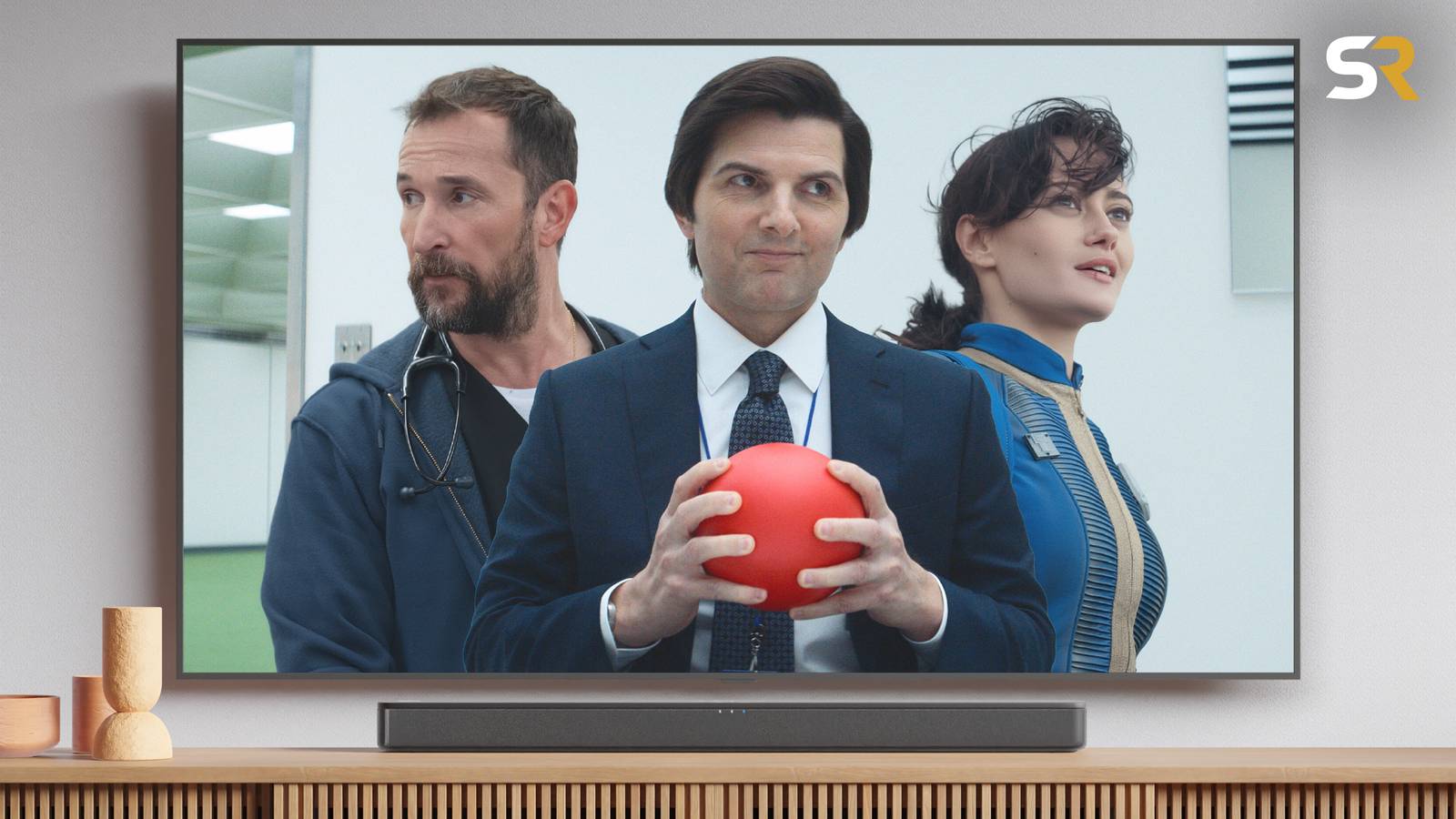

For a stretch of years between the mid-2010s and early 2020s, it seemed like the era of appointment television was firmly behind us, which broke my heart. As a lifelong TV lover, I planned my weeks around what shows were on when, thrilled to be able to watch, analyze, and bring my thoughts to the table the next morning, whether that be at home, at school, or at work.
While binge-watching had its forms in the 2000s and 2010s through TV on DVD sets, it wasn’t the norm. As it became more prevalent through the 2010s, though, I fell into the trap that most of us did. I loved binge-watching, especially when shows began releasing entire seasons all at once.
Being able to watch the entirety of something felt like it was pushing back against the standard operation procedure, which always feels good in a way. Digesting an entire season’s worth of story in a few days rather than a few months meant that sometimes I’d miss a detail or two, but I got the whole thing, right away, and who wouldn’t want that?
The nostalgia that comes with considering weekly TV, especially as it’s begun to return to the landscape in a new form on streaming platforms, feels monumental. Binge-watching has made me crave TV that spans wider stretches of time, even if it’s maddening. While it’s often about preference, streaming platforms moving to weekly release schedules have also raised some questions about how to watch.
Some opt to keep up with a show week-to-week, the way it’s likely meant to be watched, while others wait patiently and attempt to avoid spoilers so they can binge the whole season at once, or even catch up with batches of episodes every few weeks so they can stay on track throughout the season. The options seem, generally, endless.
With the freedoms that come from having so much access, there comes an inherent question that’s been plaguing viewers as of late: is there a right way to watch?
The Pitt Has Revitalized The Weekly Episode Drop On Streaming
Although there have been shows that hit the cultural reset button when it comes to appointment TV since the dawn of the binge-era (Game Of Thrones and Succession, among others), nothing has changed the landscape more than The Pitt. HBO Max’s original series starring Noah Wyle, created alongside former ER colleagues John Wells and R. Scott Gemmill, has unilaterally brought weekly TV back to the forefront.
The Pitt, which is currently in the midst of a successful second season, has brought viewers back into the habit of a weekly watch. While the weekly schedule didn’t entirely disappear prior to The Pitt, the show revitalized it for the streaming era, which has changed the game for other platforms. This return to form has been praised, despite some there being a disparity in how shows are released.
Streaming TV Has Sharpened Viewers’ Desire For Instant Gratification

Streaming shows may no longer be a novelty, but they’re still a newer concept than network TV and have different benefits. Viewers rely on streaming TV to provide a sense of instant gratification that, in a larger scope, stems from various technological advancements. Even though the way viewers look at TV is a byproduct of more than just streaming, its role in shifting the paradigm is massive.
The idea is simple: the more viewers indulge in streaming shows that are readily available, the more content they want. The more content they want, the more they’ll search for on platforms, which means having full seasons of shows that audiences can immerse themselves in is key. Streaming platforms have sharpened their audiences’ desire for the instant gratification they’re able to find, which makes a weekly release schedule agonizing.
While getting that instant gratification from a streaming show can feel great, the quality of the shows may not be as high as they would be with a weekly release. On top of that, the show’s shelf-life becomes far shorter. Once a season is finished, viewers aren’t lingering – the interaction with the series is over, which limits its reach overall.
Weekly TV Has Historically Been For Networks, But Streaming Clearly Sees Its Benefits

Although weekly TV release schedules have traditionally been a network TV device, streaming has been catching on to the benefits. Rather than a show being dropped all at once and quickly shelved, streaming has adopted weekly releases to create a sense of urgency around their biggest titles. This has allowed shows like The Pitt and Apple TV’s Severance to find audiences that return week after week, creating buzz.
The weekly release model has also become a way for fans to immerse themselves into a series for a longer period of time. With a show that spans 15 episodes per season, for example, viewers have the chance to consistently revisit the series for months on end.
While this used to be the norm, the streaming era has shifted ideology so significantly that it feels like a treat to be able to sit with a story for so long. Weekly releases are benefiting from viewers wanting to immerse themselves in a world, and appear to be taking note of what works within that scope.
The “Right” Way To Watch TV May Not Matter In The Streaming Era

Although there are viewers who are meeting weekly releases where they are and watching weekly, others have questioned if that’s the right way to consume a show in the streaming era. There are different methods, some that work better for schedules, others that work better for attention spans, but they often offer different results.
Viewers who choose to watch a show week-to-week as intended are picking the standard method, and may find themselves missing minor details as they take breaks from the series. This is something most TV shows that air on a weekly basis expect, and often bake into their writing.
Other viewers choose to make a weekly series into a binge-able one, waiting until all or most of the episodes have aired to watch. While this method can be more isolating and keep viewers out of the cultural conversation, it can benefit those who struggle with the wait between episodes.
While it’s clear that shows released on a week-to-week schedule are likely meant to be consumed on that schedule, in the streaming era, the choice is up to the viewer. Deciding to take the plunge and commit to a weekly scheduled show can be tough, but often benefits the viewing experience.
Regardless of whether it’s the intended viewing experience, the “right” way to watch TV has never been dictated by a show itself, but by the viewers themselves.