
In the quiet glow of a hologram, Tony Stark (Robert Downey Jr.) looks into the eyes of a daughter who will grow up without him. “Part of the journey is the end,” is a message meant to soothe a child, and, perhaps, an entire fandom. The words land with an uncharacteristic stillness for a franchise built on spectacle. After eleven years of quips, battles, and impossible saves, Avengers: Endgame pauses long enough to admit the truth every hero learns sooner or later: no suit, stone, or spell can stop the inevitability of goodbye.
The Marvel Cinematic Universe has always been about motion, whether it’s forward, outward, bigger, or a combination of all three. Each film connected to another, every story a prelude to something grander. But in that single line, Endgame looks backward instead. It’s the rare moment when Marvel stops chasing infinity and accepts the finite. And in doing so, it defines the beating heart of the MCU more honestly than any battle cry ever could.
The Road That Built the MCU
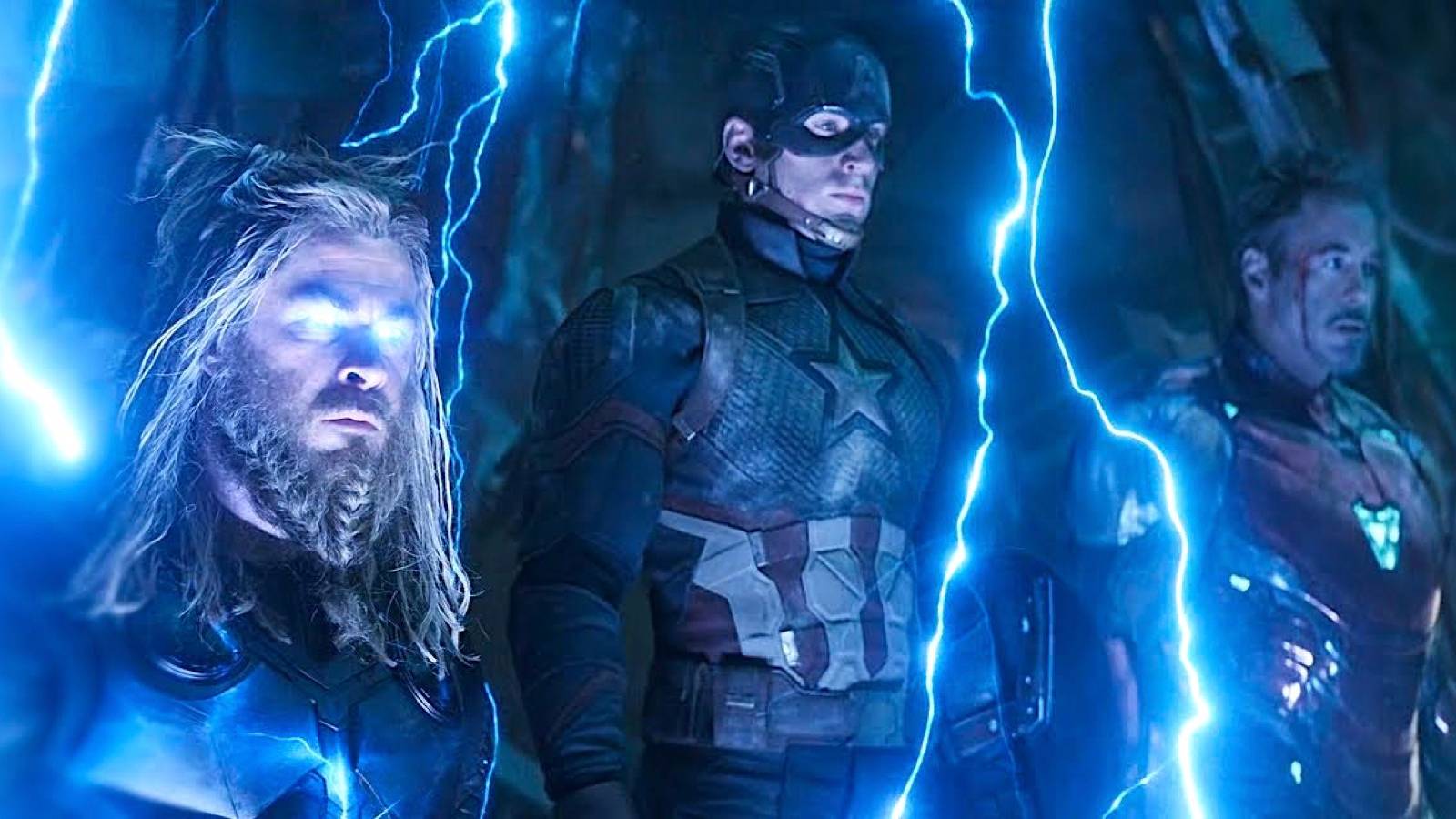
From the moment he declared, “I am Iron Man,” Tony Stark became the emblem of a universe built on transformation. The MCU’s earliest chapters were about creation, but every invention carried a cost. That’s what makes Tony’s final words so powerful: they aren’t about victory, but evolution. They acknowledge that progress and loss are inseparable. Across the first three phases, Marvel turned heroism into a study in growth. Steve Rogers (Chris Evans) learned to step outside time and choose peace. Natasha Romanoff (Scarlett Johansson) sought redemption through sacrifice. Thor (Chris Hemsworth) lost his family, his home, and his purpose before rediscovering who he was without the hammer. “Part of the journey” was more than a line, it was a map, written across every frame of the Infinity Saga.
Each film pushed its characters closer to self-knowledge, often through failure. That was always Marvel’s secret weapon. Beneath the cosmic showdowns and billion-dollar budgets, the MCU remained personal. It asked what it means to change and whether strength is the same as survival.

The Return of Robert Downey Jr. and Chris Evans to the MCU Is a Betrayal of Everything ‘Endgame’ Accomplished
“They’re going to make you do this ’till you’re 90.”
How ‘Endgame’ Closed a Universe

“Part of the journey is the end” wasn’t just Tony Stark’s goodbye, it was Kevin Feige’s to that particular era, too. When Avengers: Endgame premiered in 2019, it marked the culmination of 22 interconnected films, which was an unprecedented narrative experiment that rewrote blockbuster cinema. The line became the Infinity Saga’s thesis statement: endings give stories meaning. Endgame understood the weight of its own mythology. Every frame feels like a reflection of friendships forged, villains redeemed, and arcs completed. The MCU, for all its serialized ambition, used Tony’s message moment to do something final and rare: it allowed an icon to die.
That willingness to conclude, to let the story breathe and end, gave Endgame its power. The line wasn’t about loss alone, it was about legacy. The same man who once couldn’t stop building finally built something that could outlive him — not a weapon, but a world of heroes shaped in his image.
Learning to Live After the Ending
Since 2019, Marvel has tried to move forward — exploring multiverses, new heroes, and alternate timelines. Yet, in every new story, Tony Stark’s words linger. Spider-Man: No Way Home wrestles with inherited grief and the pain (and power) of saying goodbye. Loki meditates on destiny and consequences. The Marvels and especially Black Panther: Wakanda Forever are defined by mourning and renewal. The MCU continues to chase new beginnings, but it’s still lovingly haunted by the line that ended the Infinity Saga.
That’s the paradox Endgame left behind. The cinematic universe built on continuity found its soul in finality. The more the MCU expands, the clearer it becomes that “the end” is what gave its beginning power. Every return, every reboot, every multiversal twist still traces back to that moment in a holographic message: a man looking at his child and admitting that everything, even heroism, must end someday. Yet Marvel’s strength lies in that acceptance. “Part of the journey is the end” was a compass forward. It taught the franchise how to close one chapter and open another. It’s why Tony Stark remains the emotional cornerstone of the MCU, even after his arc concluded.
“Part of the journey is the end.” Seven words, but they contain the MCU’s entire DNA makeup of invention, loss, and the courage to face both. In the years since, the line has transformed from a quote into a creed. It can be referenced not just as Tony’s farewell, but as the MCU’s own promise: that endings, when earned, are what make universes worth returning to. Those words still guide the franchise. They remind us that the best stories, even the ones filled with gods and embarked upon in galaxies, are human at their core. And when the lights dim, and the credits roll, we’re left with what Tony left Morgan: not despair, but gratitude. Because part of the journey is the end, and that’s what makes it beautiful.

- Runtime
-
182 Minutes
- Writers
-
Stephen McFeely, Christopher Markus