The intersection of pop culture and political activism has reached a boiling point in early 2026. As federal immigration enforcement efforts ramp up nationwide, the music industry’s biggest stars are no longer staying silent on the sidelines. From major award show stages to viral social media standoffs, chart-topping artists are increasingly using their platforms to condemn ICE overreach, safety concerns for their fas, and the unauthorized co-opting of their art for government messaging.
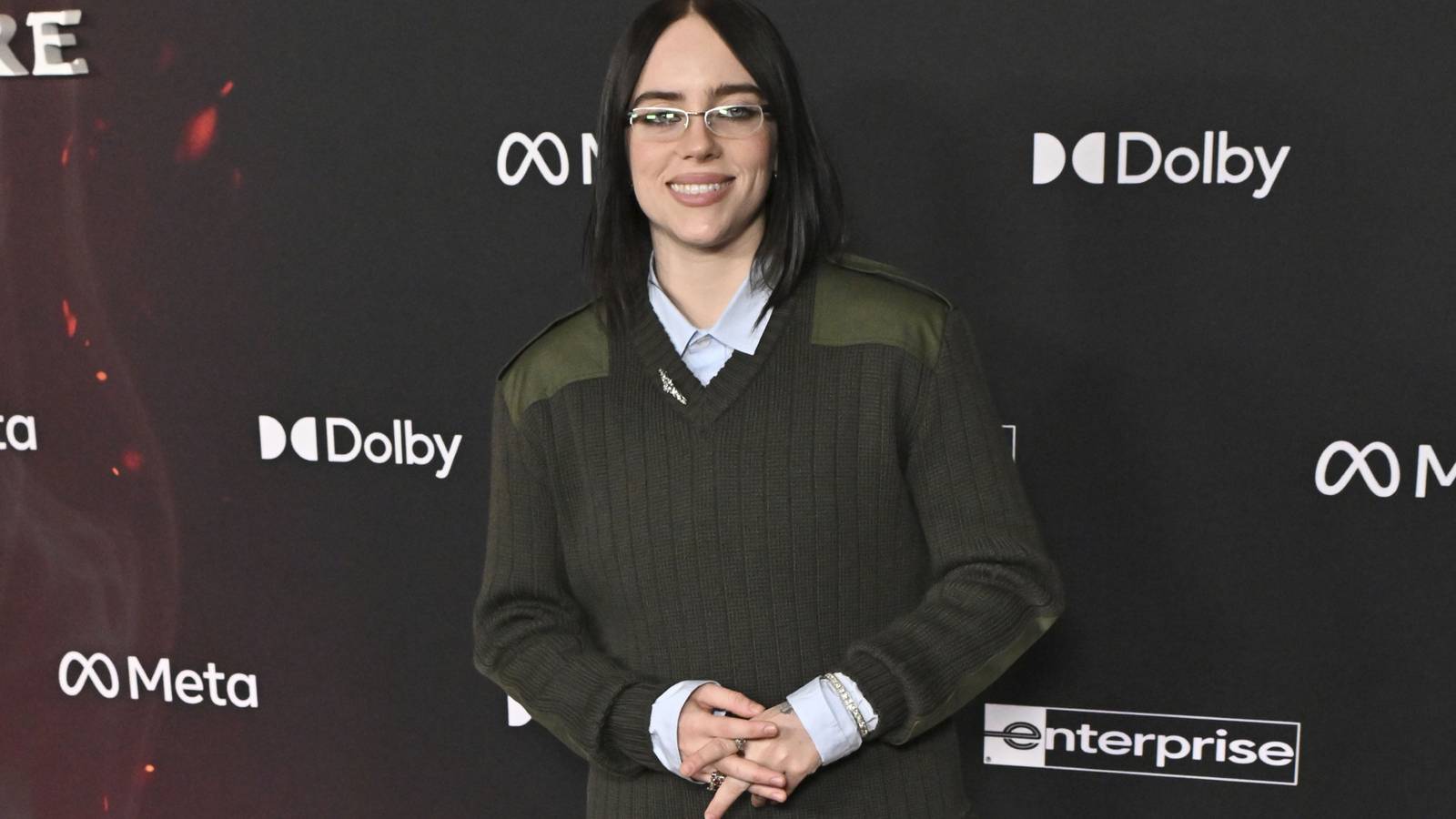
Leading the charge is Billie Eilish, who used her acceptance speech for the 2026 MLK Jr. Beloved Community Award in January to deliver a blistering critique of the current administration. Eilish, who previously labeled ICE a “federally funded and supported terrorist group” on social media, told the Atlanta audience that it is “hard to celebrate” environmental justice while “neighbors are being kidnapped” and “peaceful protesters are being assaulted and murdered.” Her vocal stance follows the high-profile killing of Renee Nicole Good by an ICE agent in Minneapolis, an event that has galvanized the music community and turned 2026 into a year of unprecedented artist-led resistance.
This tension has also moved into the digital realm, where the White House’s use of trending “TikTok sounds” for enforcement propaganda has sparked legal and social media wars. Sabrina Carpenter recently slammed the administration for using her hit song “Juno” to soundtrack a video of ICE raids, calling the clip “evil and disgusting” and demanding they stop involving her music in an “inhumane agenda.” Meanwhile, the conflict has forced global superstars like Bad Bunny to make drastic career shifts; the Puerto Rican rapper notably excluded the United States from his 2025–2026 world tour, citing legitimate fears that ICE would target his predominantly Latino audience at concert venues.
Top 10 Music Artists Vocal Against ICE
|
Artist |
Key Actions & Statements (2025–2026) |
|
Billie Eilish |
Condemned ICE at the 2026 MLK Jr. Awards following the Renee Nicole Good shooting, citing “kidnapped” neighbors and assaulted protesters. |
|
Zach Bryan |
Released the protest track “Bad News” in January 2026, detailing the emotional and physical toll of door-to-door enforcement. |
|
Sabrina Carpenter |
Denounced the White House for using “Juno” in enforcement videos, calling the use of her music for such an agenda “evil.” |
|
Bad Bunny |
Formally bypassed the U.S. on his 2026 world tour to protect his Latino fanbase from potential ICE targeting at venues. |
|
Olivia Rodrigo |
Blasted the DHS for using “All-American Bitch” as a soundtrack for government-sponsored self-deportation propaganda. |
|
Renée Rapp |
Used a 2025 Portland tour stop to lead the crowd in anti-ICE chants and criticize federal presence in local communities. |
|
SZA |
Accused the administration of using artist music as “rage-bait” to drive engagement for enforcement-related social media content. |
|
Doechii |
Utilized her BET Awards performance to speak out against the deployment of military-style force against peaceful domestic protesters. |
|
Jesse Welles |
Released the viral satirical song “Join ICE,” mocking the agency’s recruitment tactics and abuse of authority. |
|
Finneas |
Publicly criticized “inciting” federal tactics after reporting being teargassed during an anti-ICE demonstration in Los Angeles. |
Why This Matters For Pop Culture

This is partially a political debate, sure, but it’s also a legal one. Artists like Sabrina Carpenter and SZA are highlighting a growing conflict over “Music as Enforcement Propaganda,” where the government uses trending TikTok sounds to soften the image of controversial raids. For fans, these stances are challenging artist-brand loyalty in 2026.
Sources: The Guardian, The Music Network, Advocate, Tixel News