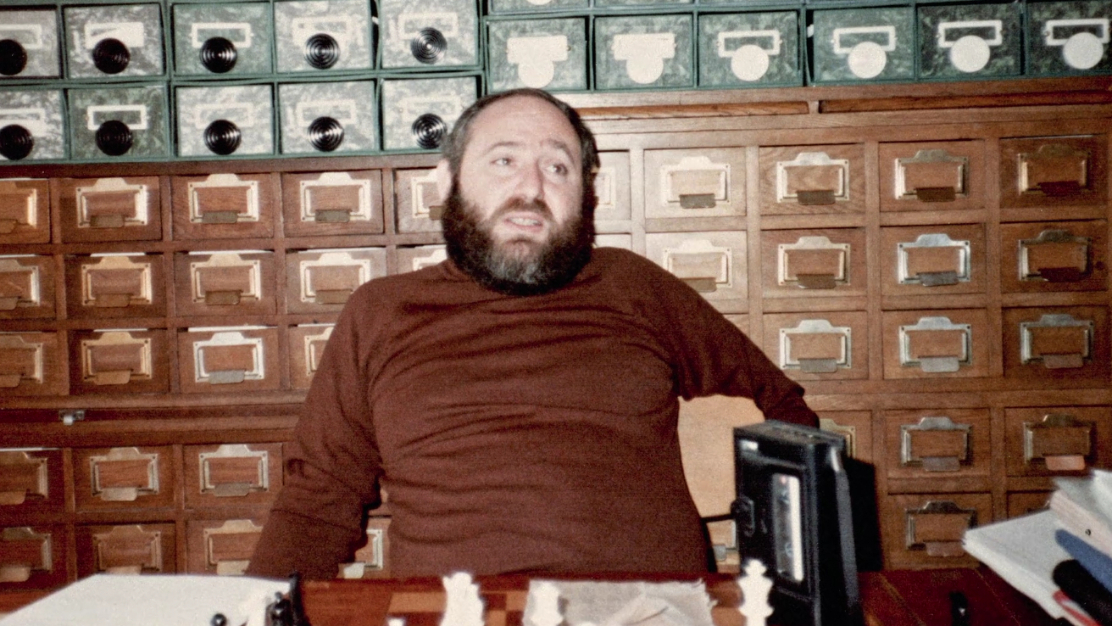

Directed by Rory Kennedy, Netflix’s ‘Queen of Chess’ is a documentary film that delves deep into the life, career, and family of the greatest female chess player of all time, Judit Polgár. Her loved ones, in particular, played a significant role in her development as a child prodigy as well as in her experiences because she got into the game as part of an “experiment” by her father. László Polgár had long believed that geniuses are not born but made, so he educated and trained all three of his daughters at home from an early age, with their specialist subject being chess.
László Polgár is a Trained Intelligence and Educational Psychologist
Born on May 11, 1946, in Gyöngyös, Hungary, into a loving Jewish family that reportedly always encouraged him to pursue his dreams and passions, László Polgár never shied away from a challenge. Therefore, upon graduating from high school, he chose to enroll at university to pursue a Bachelor’s degree in Intelligence, following which he specialized in psychology and pedagogy. It was during this period that he studied the biographies of over 400 great intellectuals of history, leading him to conclude that any child that is born healthy has the potential to become a genius.
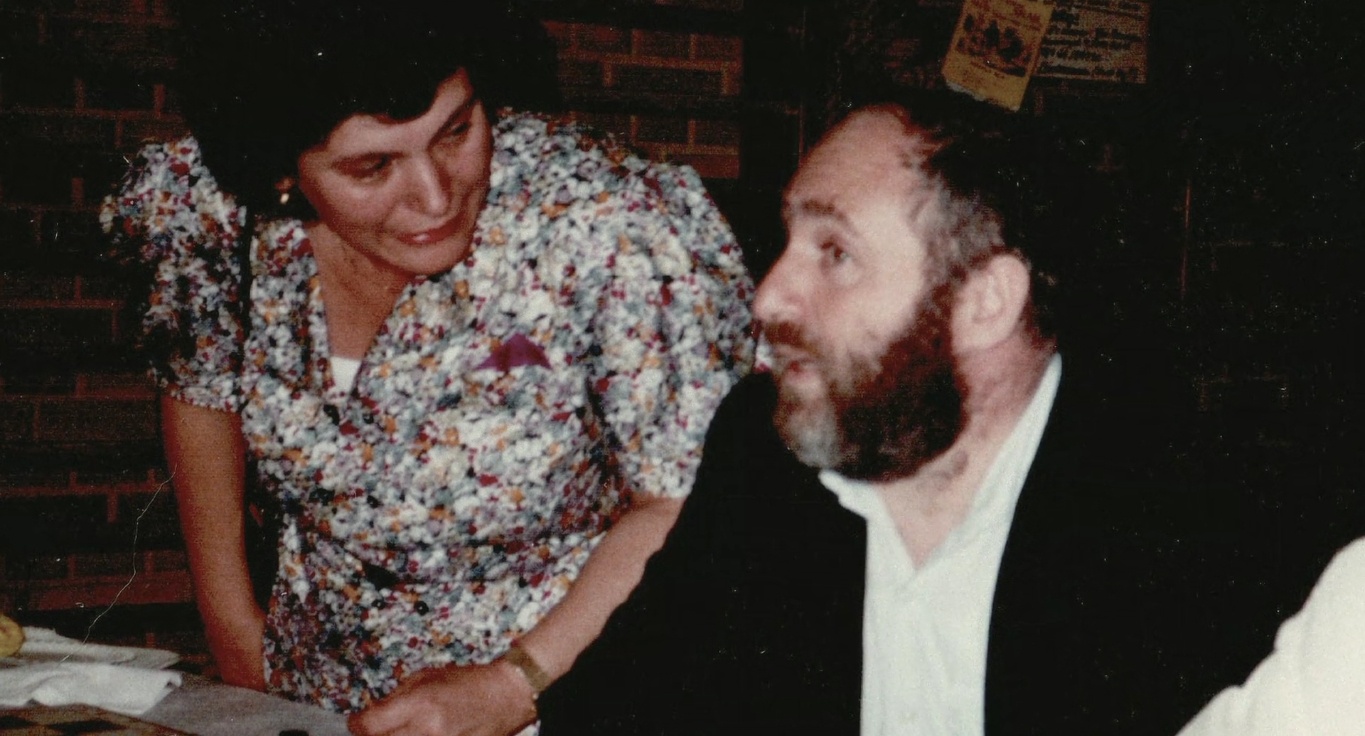
According to records, László soon began preparing for fatherhood as he came up with the idea of experimenting on his own children in the future in the hopes of proving his educational hypothesis. That’s precisely what he did in the years to follow, upon falling in love with a Ukrainian foreign language teacher named Klara, tying the knot with her in the USSR, settling down in his homeland, and having 3 adorable girls. The Budapest-based couple’s eldest daughter, Susan Polgár, was born on April 19, 1969, following which they welcomed Sofia Polgár on November 2, 1974, and finally Judit Polgár on July 23, 1976.
While László and Karla reportedly introduced their eldest to the world of chess at the tender age of 3, they waited until their younger two were 5 before starting to homeschool and train them too. As per the girls’ own accounts, they trained every single day from morning to night, whether it was a Sunday, someone’s birthday, or any special occasion, and they even had several professional chess coaches. Their father subsequently began managing their respective careers too, doing his best not to let the backlash from their authoritarian socialist regime or industry experts affect his or his daughters’ hard work.
László Polgár Has Often Been Painted in a Negative Light For His Experiment
Although László has admitted that he experimented on all three of his daughters from an early age to prove a hypothesis he had devised long before they were even born, he never controlled them. Yes, he trained them, had several coaches come to their house to help hone their skills every single day, applied them for tournaments, and then managed their careers, but he also kept his interests in mind. According to Judit in the documentary, while he wanted to be proven right and have his girls succeed, he never pressured them, got angry when they lost, or forced them into events they didn’t want to play.
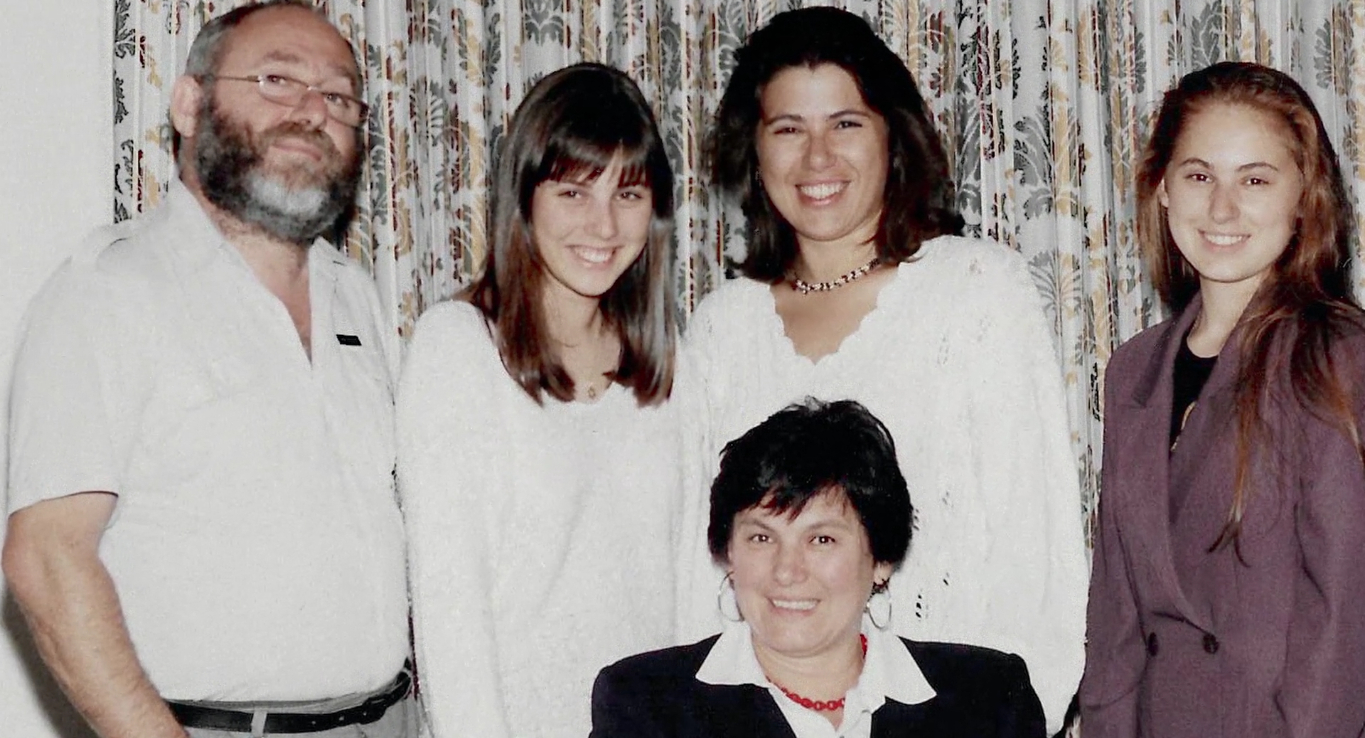
In fact, Susan, Sofia, and Judit have all since asserted that while chess was introduced to them as an art, game, and science combined into one, it soon became a genuine passion for them. That’s why, although they gradually stepped away from competitive play upon getting married and having a family, resulting in their father no longer being their manager, they are still active in the world of chess in different capacities. László has since stated that while he wasn’t very happy when his daughters slowed down, he understood they had their own lives and families to care for, so he followed their lead too. In other words, it appears as if, despite all the outside noise over his experiment, none of his three girls ever really resented the environment he had created or his handling of their situation.
After Having Served as a Chess Educator and Trainer, László Polgár Prefers to Lead a Quiet Life
Apart from having managed as well as trained his daughters, László built an incredible career for himself as a chess educator by creating different programs and penning books on the game. His debut book with the title ‘Nevelj zsenit!’ (translation: ’Raise a Genius!’) came out in 1989, which he followed with ‘Chess: 5334 Problems, Combinations, and Games’ in 1994, ‘Minichess’ in 1995, ‘Chess: Reform Chess’ in 1997. Then, he penned ‘Chess: Middlegames’ in 1998, ‘Chess: Endgames’ in 1999, ‘Queens and Kings: Chess, Love, Sex’ in 2004, and ‘Buddy Salom: Anthology of Hungarian Chess Players of Jewish Origin’ in 2004. He is even the brains behind the ‘Polgar Superstar Chess’ series, ‘I Love Superstar Chess,’ and ‘White: Miniature Chess Problems,’ among many other 2004 and 2005 publications.
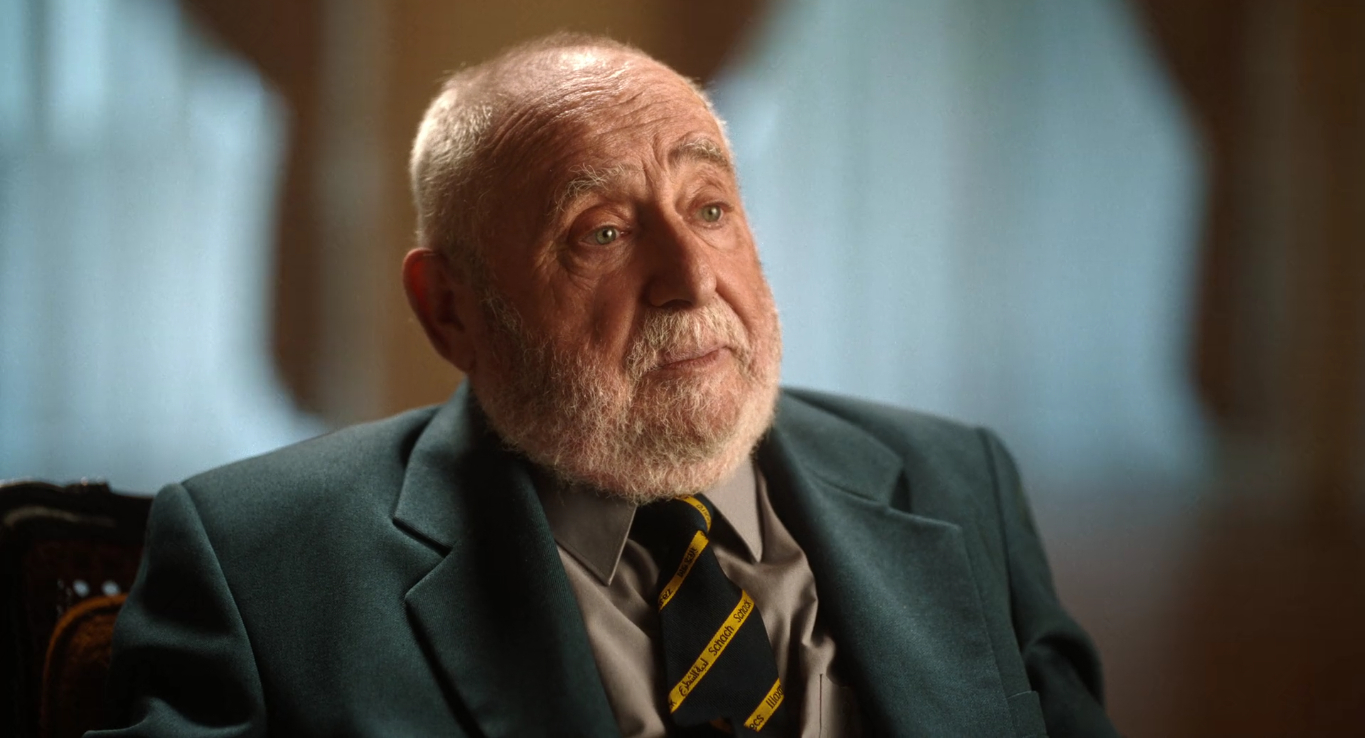
László’s most recent contribution was in the 2013 book ‘Barna Viktor Pályafutásom’ (translation: ‘Viktor Barna My Career’), by which point he had primarily stepped away from chess. In fact, from what we can tell, since the mid to late 2000s, he has preferred to remain well away from the limelight and focus on his family in a much different, purely personal light. As per records, it appears as if he and his wife, Karla, have since chosen to split their time between Hungary, Israel, and the US, to be closer to each of their daughters and their respective families. After all, while Susan has settled down in Missouri, Sofia resides in Tel Aviv, and Judit is still based in Budapest.
Read More: Where is Judit Polgár Now? Update on the Chess Grandmaster