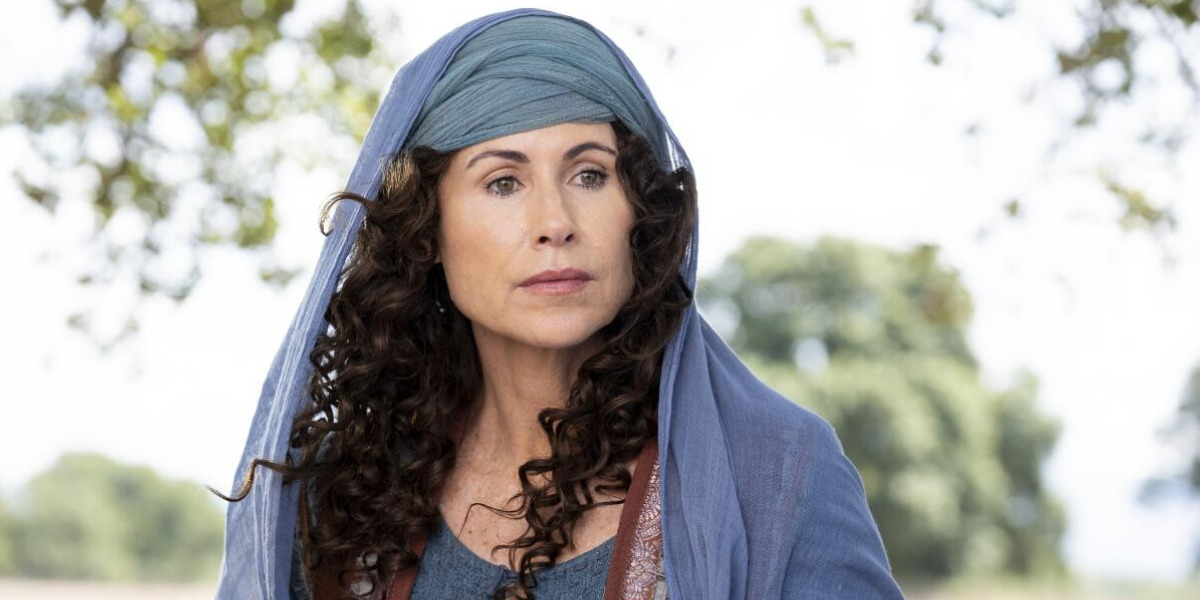
‘The Faithful: Women of the Bible’ is a theological series that explores female-driven narratives as they unfold in the history of the Abrahamic religions. The show presents three distinct tales from the Book of Genesis, told through the historically underexplored narratives of characters such as Sarah, Hagar, Rebekah, and others. From the more relatable challenges of struggling to start a family to the more divine conflicts of grappling with one’s sense of faith, this drama, with Judeo-Christian roots, charts an expansive and authentic journey. In exploring these religion-based narratives, the story inevitably taps into universally resonant themes of holy devotion and human trials, while centering on largely familiar stories of old. Consequently, the production’s roots in history remain significant.
The Faithful: Women of the Bible is Based on Stories From the Book of Genesis
‘The Faithful: Women of the Bible’ started out as a passion project for collaborators Carol Mendelsohn and Julie Weitz. They were notably influenced by the success of ‘The Chosen,’ Dallas Jenkins’ crowd-funded series that follows the story of Jesus of Nazareth. However, when the duo was preparing for a meeting with the executives from Fox TV, they had no plans of bringing up their theological project. In fact, it was the one idea that Weitz had initially warned her creative partner against pitching. Nonetheless, when Michael Thorn, President of Fox TV, enquired about project ideas that Mendelsohn was passionate about, the executive producer inevitably ended up talking about a female-centric series based on stories from the Book of Genesis.
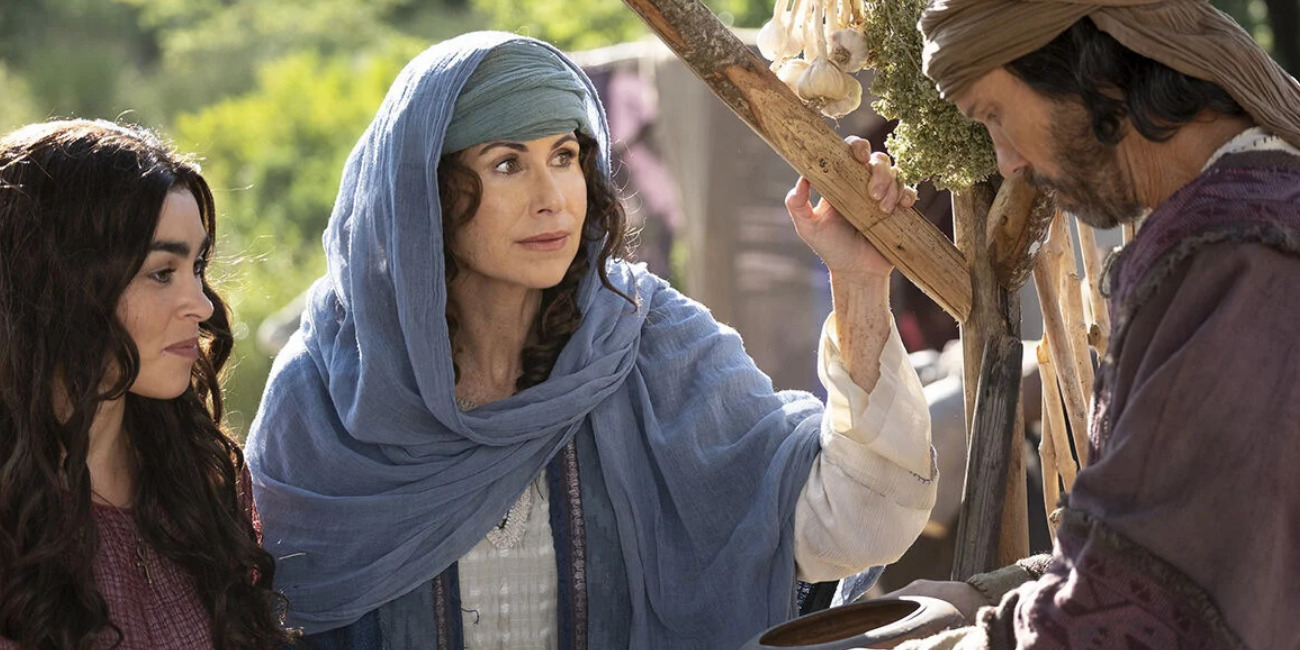
The idea ended up being well-received and was soon greenlit for production. Soon enough, René Echevarria was brought in as a shorunner and a screenwriter, who made a significant contribution in actualizing Mendelsohn and Weitz’s vision for the project. The series remains cemented in its theological roots and consults historical accuracy only as much as the genre allows. Nonetheless, it strives for authenticity in the source material, mining the original Book of Genesis for complex but relatable narratives of women who play instrumental roles in these Judeo-Christian tales. In a conversation with the Los Angeles Times, Weitz spoke about their approach and said, “It became clear that we should give two hours to each of these matriarchs (Sarah, Hagar, Rebekah, Rachel, and Leah) and tell that story, which is the genesis of not just Judaism, but Islam and Christianity, the three largest, most prominent religions of mankind.”
The Faithful: Women of the Bible Welcomed Input From Christian and Jewish Scholars
Since ‘The Faithful: Women of the Bible’ heavily deals with narratives that hold theological significance across Abrahamic religions, the series naturally retains many religious themes. Through the stories of its central characters, the narrative strives to explore religion, interpersonal faith, and devotion through a unique and refreshing lens. Even so, the show is careful about remaining true to its source material and retaining a sense of authenticity when it comes to its depiction of characters that are based on religiously prominent individuals.
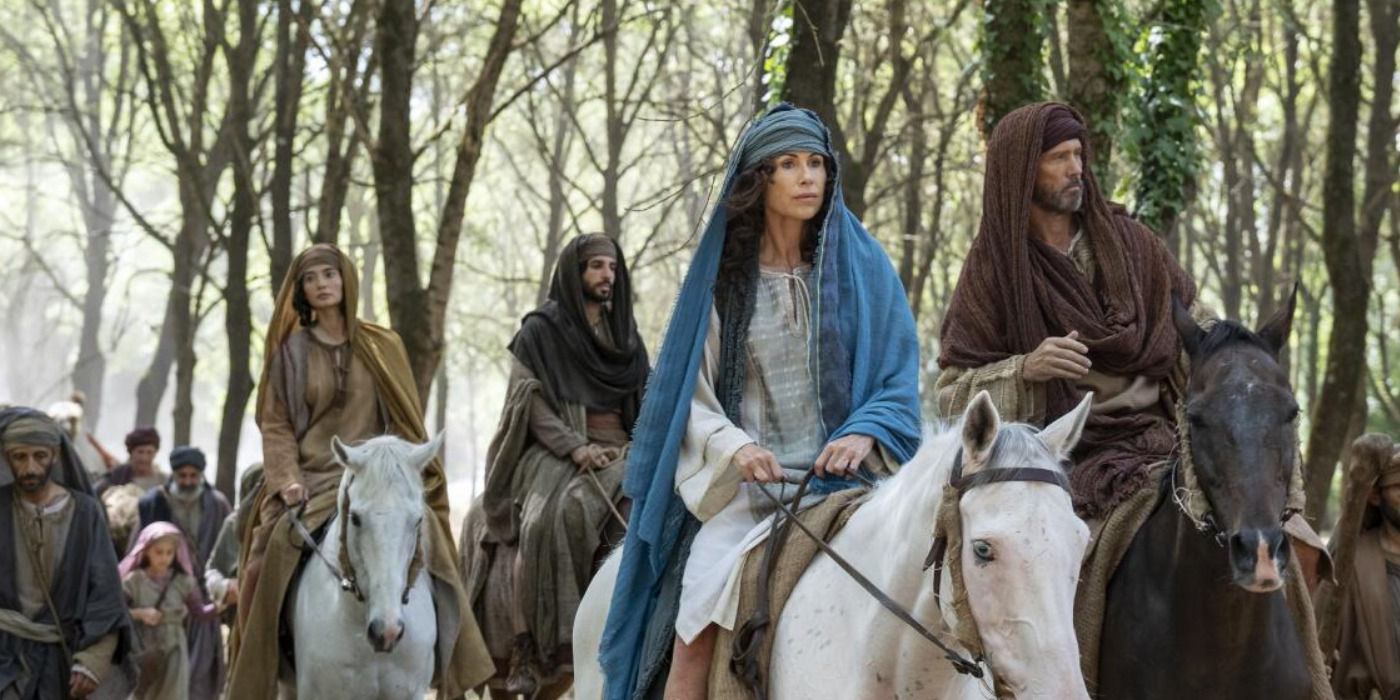
For the same reason, Mendelsohn, Weitz, Echevarria, and their creative team were intentional about consulting the right experts. Reportedly, ‘The Faithful: Women of the Bible’ had both Christian and Jewish scholars who were consultants for the project, helping the creative team shape the narratives in an authentic light. The origins of Christianity and Judaism, alongside Islam and other Abrahamic religions, find a crucial narrative center in the story. Given its premise, the show naturally delves into the lives of individuals like Abraham himself or his offspring, Isaac, who plays a notable role across two narrative arcs in the series. Consequently, it was important for the production to confer with theological experts of Judeo-Christian aptitude to cross-reference the on-screen narrative and ensure that they hold on to their originating roots.
The Faithful: Women of the Bible Occasionally Diverges From the Original Abrahamic Stories
Even though ‘The Faithful: Women of the Bible’ is a dramatization and a retelling of narratives from the Book of Genesis, the show itself employs creative liberty in abundance. For the most part, the show’s protagonists, the titular women from these Biblical tales, play a small and oftentimes overlooked part in the original source material. As a result, the show inherently has to rely on some artistic license to imagine how these individuals might have experienced and perceived the storylines unraveling around them. However, this also means that on occasion, crucial storytelling beats from the original tales are rewritten through the thematic intentions of the show. One of the first notable instances of this arrives in Sarah’s narrative.
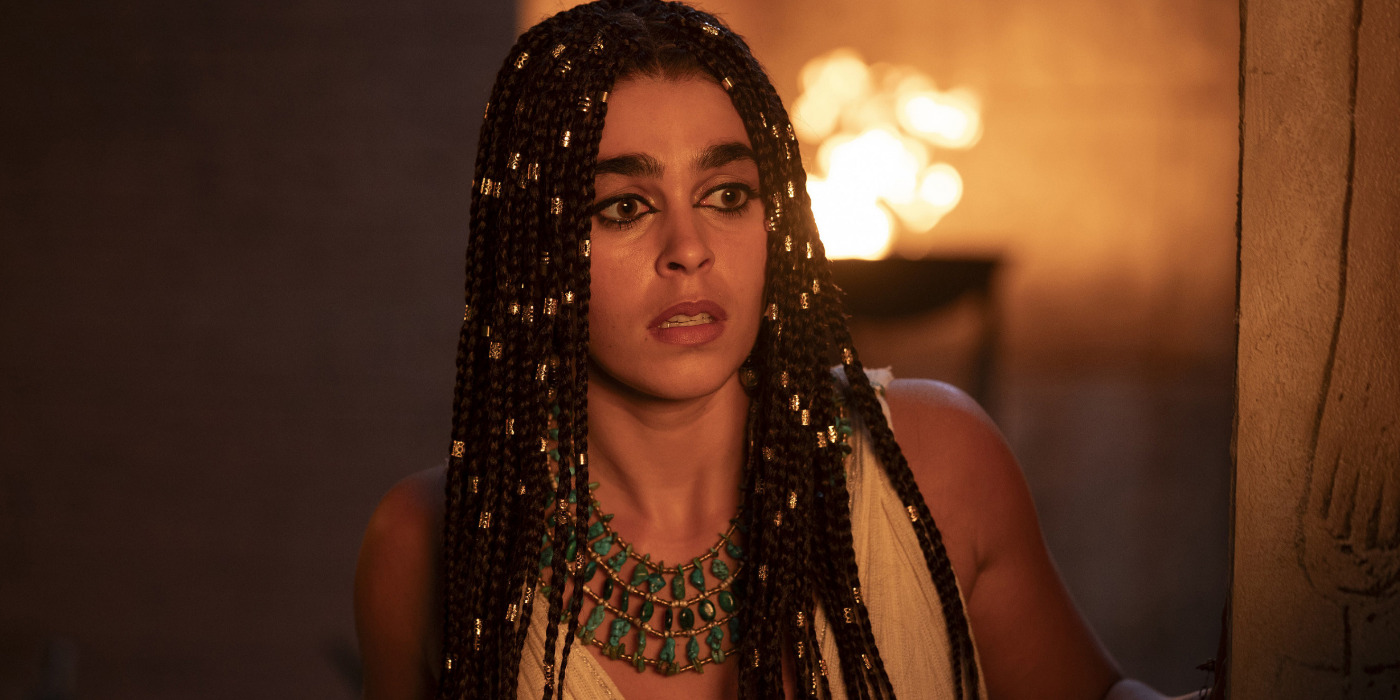
In the show, when Sarah arrives in Egypt, she chooses to shield her husband’s relationship with her by claiming he is her brother. In the Book of Genesis, this lie was invented and peddled forward by Abraham himself in an attempt at self-preservation. Consequently, the small on-screen shift in narrative roles ends up having a significant impact on the overall characterization and moral conflicts of the character. Likewise, Sarah’s relationship with Hagar also becomes another aspect of the story that undergoes notable revision in the on-screen adaptation. These changes and rewritings serve the overarching themes of the show, which strives to center complex female narratives. Yet, in doing so, the story often ends up diverging significantly from the canon characterizations of the characters. Yet, this doesn’t ultimately diminish the series’ connection to the ancient theological book.
Read More: Where is The Faithful: Women of the Bible Filmed?