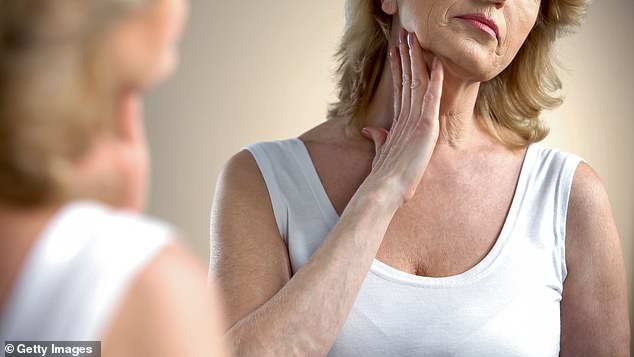

We know the role they play in general day to day health but hormonal fluctuations are still often overlooked when it comes to menopause and perimenopause.
According to Dr Jennifer Owens, founder of The Glow Clinic in Dublin and Cork, understanding the connection between hormones and the skin is essential when treating concerns such as acne, inflammation, sensitivity, pigmentation and premature ageing.
Jennifer says many women spend years trying to “treat” their skin concerns without realising hormones may be the underlying cause.
‘The skin is often one of the first places hormonal changes become visible,” says Dr. Owens. “Fluctuations in oestrogen, progesterone and testosterone can affect oil production, hydration, inflammation and even how resilient the skin feels day to day.”
Known for her holistic, science-led approach to aesthetics, Dr Owens says more women are now seeking treatments and skincare routines that support the skin through different hormonal stages, rather than relying on aggressive or trend-led approaches.

As oestrogen declines, the skin naturally becomes thinner, drier and less resilient
‘We’re seeing a real shift towards understanding skin in the context of overall health,’ she explains. ‘Women want skin that feels calm, strong and healthy, not treatments that temporarily strip or overstimulate it.’
In line with this approach, Dr Owens recently launched The Glow Code: a new consultation and treatment experience designed to analyse the skin on a deeper level and create personalised treatment plans based on individual skin concerns, lifestyle and hormonal influences.
‘The goal is to truly understand what the skin is communicating,’ says Dr Owens. ‘Hormones, stress, inflammation and barrier health all play a role, so treatments should never be one-size-fits-all.’
Dr Owens is also seeing growing conversations around perimenopausal and menopausal skin.
‘As oestrogen declines, the skin naturally becomes thinner, drier and less resilient. Understanding the hormonal link behind these changes can be incredibly reassuring and empowering for women,’ she says.
So how exactly does perimenopause and menopause affect your skin?
‘Perimenopause and menopause can have a profound impact on the skin, and for many women it can feel as though the changes happen very suddenly,’ Jennifer says.
‘One of the biggest reasons for this is the sharp decline in oestrogen, which plays a critical role in skin hydration, collagen production, elasticity and barrier function. Research shows that women can lose up to 30% of their skin collagen within the first five years after menopause, followed by an ongoing decline of approximately 2% per year thereafter.
‘This loss of collagen contributes to thinner, drier and less resilient skin, alongside increased laxity, fine lines and that ‘face falling’ feeling many women describe during this transition.
‘At the same time, the skin barrier becomes more fragile and inflammation levels can increase. Combined with disrupted sleep, stress and hormonal fluctuations, this often leads to skin that feels more reactive, sensitive or flushed.
‘In clinic, I commonly see increased redness, rosacea-like symptoms, dehydration, dullness and a sudden loss of firmness or structure that can feel emotionally quite significant for women.’

‘Perimenopause and menopause can have a profound impact on the skin, and for many women it can feel as though the changes happen very suddenly,’ says expert Dr Jennifer Owens
Dr Owens says that one of the biggest issues she hears from menopausal women is that they suddenly feel they have ‘aged overnight’.
‘They feel that they look more tired, sad or drawn than they feel internally,’ she says.
‘I am also seeing a significant increase in redness, inflammation and reactive skin. Many women who previously tolerated strong active skincare very well suddenly find their skin becoming sensitive or irritated. In these cases, supporting the skin barrier and microbiome often becomes more important initially than aggressively treating ageing.
‘Loss of firmness and volume is another major concern, particularly in the lower face. We are also increasingly seeing facial volume loss linked to the rise in GLP-1 medications, which many women are using successfully for menopause-related weight struggles.

The skin is often one of the first places hormonal changes become visible
‘While these medications can have enormous health benefits, rapid weight loss can accelerate facial hollowing and laxity, increasing the need for collagen support and carefully considered rejuvenation strategies such as dermal filler.’
To combat ageing Jennifer says one of your greatest weapons is using sun protection.
‘Crepey skin is one of the most common concerns I see in menopausal women, particularly around the eyes, neck and lower face, and thankfully it is something we can absolutely improve,’ she says. ‘The foundation of any treatment plan has to be UV protection. We know that up to 80% of visible skin ageing is driven by UV exposure rather than chronological ageing alone, so daily broad-spectrum SPF is essential, particularly during menopause when the skin is already more vulnerable to collagen breakdown and pigmentation changes.
‘From a skincare perspective, retinoids remain one of the most evidence-based ingredients we have for supporting collagen production and improving skin texture over time.
‘However, menopausal skin is often more sensitive, so I think it is important that retinoids are introduced thoughtfully and supported with barrier-repair ingredients rather than simply using the strongest active possible.’
There are other types of products that can also benefit your skin.
‘Peptides, ceramides, hyaluronic acid and DNA repair enzymes can also be incredibly beneficial for improving skin resilience and hydration,’ Jennifer says.
‘In clinic, collagen-induction treatments can be extremely effective for crepey skin. Treatments such as microneedling, BBL, MOXI and Fraxel laser help stimulate collagen production and improve overall skin quality over time. Injectable biostimulators such as Profhilo, Skinvive, Juläine and Sculptra can also help improve hydration, elasticity and skin support in a very natural-looking way.’
Having a good skincare regime can improve the look of your skin which is good news if you don’t want to go down the tweakment route but they have their limits, according to Jennifer.
‘Good skincare can absolutely make a visible difference, particularly when it comes to hydration, barrier repair, inflammation and prevention,’ says Jennifer. ‘ Consistent use of evidence-based skincare can improve skin quality significantly and help women feel much more comfortable and confident in their skin.
‘However, there is also a limit to how much topical products alone can achieve once significant collagen loss and structural changes have occurred.
‘Skincare works brilliantly for maintaining skin health and slowing progression, but it cannot fully replace lost collagen or deeply stimulate the skin in the same way that certain in-clinic treatments can.

Good skincare can absolutely make a visible difference, particularly when it comes to hydration, barrier repair, inflammation and prevention
‘That said, not everyone needs tweakments, and I think the conversation around menopause and aesthetics needs to become far more personalised. For some women, a great skincare routine and lifestyle support may be enough. For others, subtle regenerative treatments can help restore confidence in a very natural way.
‘My preference is always to focus on skin quality and long-term skin health rather than chasing perfection,’ says Jennifer, who adds that many improvements can be made without resorting to Botox or surgery.
‘My approach is heavily focused on regenerative and collagen-stimulating treatments that improve the health and function of the skin itself,’ she says.
‘Technologies such as BBL, MOXI and Fraxel laser can dramatically improve pigmentation, redness, texture and collagen production while still delivering very natural results.
‘Microneedling can also be excellent for stimulating collagen and improving skin texture, particularly when combined with medical-grade skincare.
‘I also love biostimulatory injectable treatments such as Profhilo, Skinvive, Juläine and Sculptra because they work gradually to improve hydration, elasticity and collagen support rather than simply adding volume. These treatments can help women look fresher and healthier without looking “done”.
‘Alongside treatments, I always emphasise the importance of daily SPF, barrier support, sleep, stress management, nutrition and consistent skincare because skin health is never about one single product or procedure.’
Looking natural and yet fresh is a goal most women aspire to as no-one wants to look like they have had work done. And Jennifer is a great believer in undetectable results.
‘You can absolutely achieve natural or undetectable results with aesthetic treatments – in my opinion, that should always be the goal,’ she says.
‘The key is proper assessment, accurate diagnosis and a personalised treatment plan rather than simply treating one line or chasing trends.
‘The best aesthetic work is often invisible. It is about helping someone look healthier, fresher and more rested while still fully resembling themselves.

More women are now seeking treatments and skincare routines that support the skin through different hormonal stages
‘I think there has been a huge shift away from overfilled or artificial results, and patients are increasingly seeking subtle, elegant treatments that focus on skin quality and overall harmony rather than dramatic change.
‘At our clinic, we spend a lot of time focusing on consultation and education so that patients fully understand their options and we can build a treatment plan that feels aligned with them. Often, less is more.’
- Dr Jennifer Owens has clinics in Dublin and Cork, see theglowclinic.ie for details