
Up next

Access Restricted
The modern Oscars love a transformation: visible weight loss, period costumes, and grand speeches. But some of the most powerful performances of the 21st century didn’t come wrapped in obvious awards bait. They lived in morally messy characters, uncomfortable silences, and psychological breakdowns that were too strange, too genre-bending, or too subtle for traditional awards voters. Those roles didn’t just deserve nominations; in many cases, they redefined what screen acting could be.
This isn’t about “pretty good” work that got unlucky in a crowded year. It’s about roles that genuinely shifted the culture, expanded what we expect from performers, and still feel electric on rewatch. These are the performances that should have forced Oscar conversations but instead live as cult favorites, critical darlings, and quietly radical work that fans won’t shut up about.
‘Hereditary’ – Toni Collette’s Devastating Descent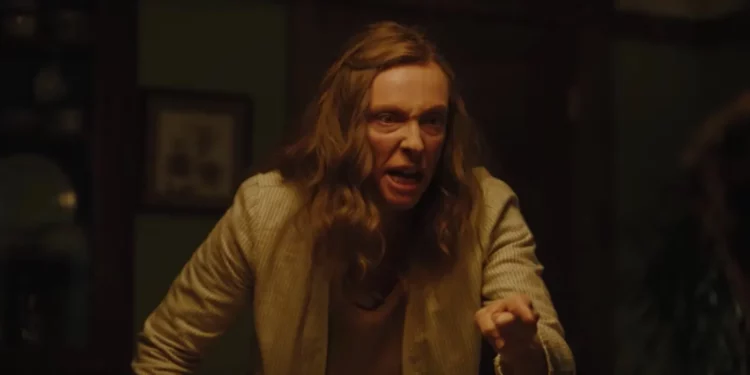
Toni Collette’s performance in Hereditary is one of the most harrowing portrayals of grief ever put on film. As a mother gripped by trauma, guilt, and rising supernatural dread, Collette moves from brittle politeness to full emotional collapse without a single false beat. Her dinner-table monologue, oscillating between restraint and rage, plays like live-wire theatre inside a horror film.
What made this work easy for Oscar voters to ignore is exactly what makes it great: the terror is psychological first, supernatural second. Collette uses horror as a delivery system for raw vulnerability, not jump scares. In another era, this would have been a textbook Best Actress winner. Instead, it stands as proof of the Academy’s long-standing discomfort with genre films, no matter how emotionally annihilating they are.
‘Nightcrawler’ – Jake Gyllenhaal’s Predator in Plain Sight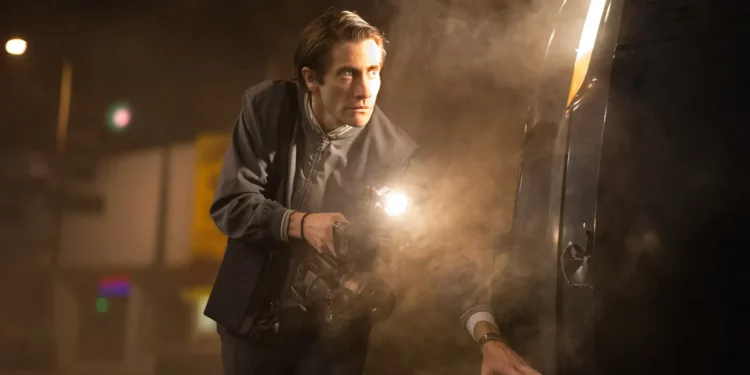
Jake Gyllenhaal’s turn in Nightcrawler should have been an instant Best Actor frontrunner. As Lou Bloom, he builds a character who is all motivational-speak surface and sociopathic void underneath. The weight loss, the unblinking stare, the wired physicality — everything about the performance screams “transformative,” yet the work never feels showy. Gyllenhaal lets the character’s ambition and amorality unravel through tiny shifts in posture and tone.
What voters may have underestimated is how contemporary the performance is. Lou isn’t a cartoon villain; he’s the logical end-point of hustle culture, gig work, and content obsession. Gyllenhaal captures that with chilling precision, making Nightcrawler feel more like a case study than a thriller. It’s a role that grows more unsettling each year, and one that deserved to be recognized as truly career-defining.
‘Uncut Gems’ – Adam Sandler’s Weaponized Anxiety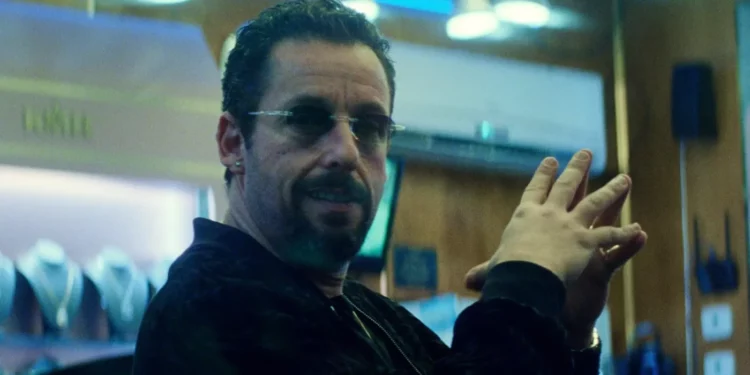
Adam Sandler shocked even long-time fans with his work in Uncut Gems. As Howard Ratner, a compulsive gambler juggling debt, schemes, and fragile relationships, Sandler channels his trademark chaos into something darker and more catastrophic. The motor-mouth energy that once powered broad comedies becomes a survival mechanism — and then a self-destruct button.
What makes the performance Oscar-worthy is its total lack of vanity. Sandler never asks the audience to like Howard; he asks them to understand him. Every desperate phone call, every half-truth, every manic grin speaks to a man who can’t live without the rush of risk. In a just world, voters would have recognized this as one of the great portraits of addiction and self-sabotage in modern film.
‘Arrival’ – Amy Adams’ Quiet Heroism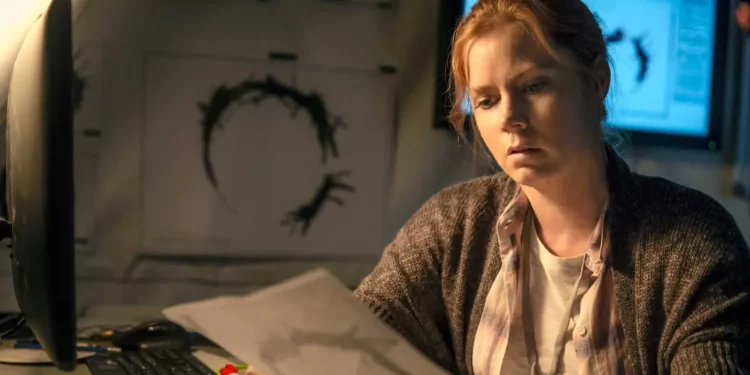
Amy Adams’ work in Arrival is the opposite of typical awards bait, and that’s why it was so easy to overlook. As linguist Louise Banks, Adams plays a character defined not by big speeches but by listening, decoding, and choosing compassion over fear. The performance is all about interiority: micro-expressions, softened posture, and a gradual acceptance of a painful, paradoxical fate.
Where many sci-fi leads lean on spectacle, Adams grounds the film in emotional logic. She makes the story’s mind-bending twist land not as a gimmick but as a heartbreaking choice. Even surrounded by visual effects and high-concept ideas, she remains the film’s true special effect. Her omission from the Oscar lineup remains one of the decade’s clearest examples of how easily subtle work can slip past voters chasing more obvious fireworks.
‘Creed’ – Michael B. Jordan’s Inherited Burden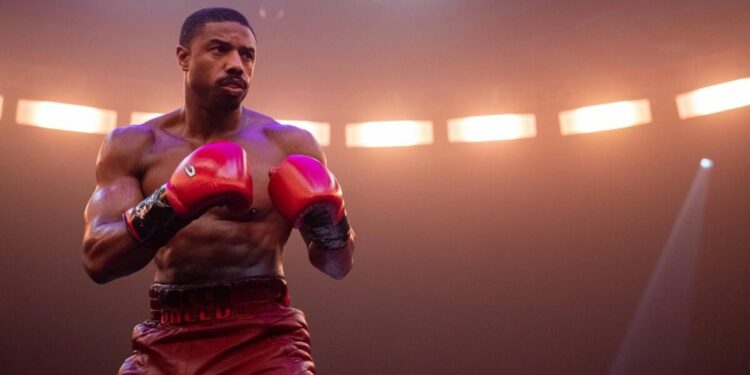
Michael B. Jordan brings unexpected emotional weight to Creed, transforming what could have been a nostalgia-driven spin-off into a genuine character study. As Adonis Creed, Jordan isn’t just playing an underdog boxer; he’s playing a man at war with his own legacy, terrified of both failing and living in someone else’s shadow. The physical transformation is impressive, but it’s the vulnerability that lingers.
Jordan’s best moments aren’t in the ring; they’re in the quiet scenes with mentors and loved ones, where pride and insecurity collide. He makes Adonis feel contemporary, rooted in questions of identity, fatherhood, and chosen family. In a year crowded with prestige dramas, this performance reminded audiences that franchise films can deliver deeply human storytelling — and that awards bodies often miss it.
‘The Social Network’ – Andrew Garfield’s Wounded Loyalty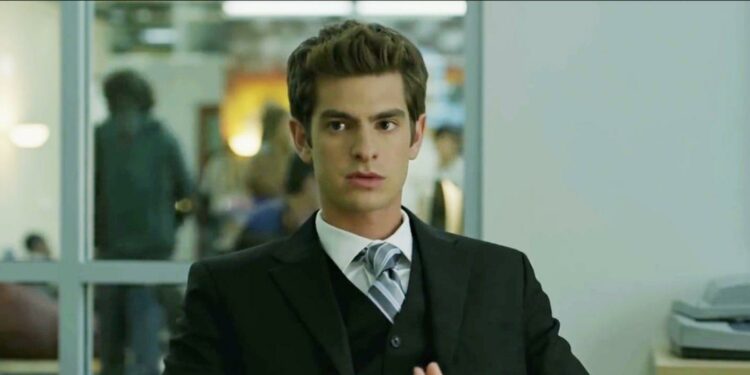
Andrew Garfield delivers the emotional backbone of The Social Network as Eduardo Saverin, the friend and co-founder slowly edged out of the empire he helped build. While the film is remembered for its rapid-fire dialogue and icy lead performance, Garfield’s work carries the hurt beneath all that intellectual bravado. His Eduardo desperately wants to believe in loyalty, even as the ground shifts under him.
The genius of the performance lies in its progression. Early scenes frame Eduardo as eager and slightly out of his depth; by the deposition sequences, Garfield lets simmering rage and humiliation break through. His final confrontation — “You better lawyer up” — lands because he’s spent the whole film underplaying those feelings. It’s a masterclass in building to a payoff without ever losing the character’s humanity.
‘Us’ – Lupita Nyong’o’s Dual Nightmare
Lupita Nyong’o’s dual role in Us is the kind of technical and emotional feat that usually screams “Oscar showcase.” As Adelaide and her doppelgänger Red, Nyong’o crafts two distinct physicalities, vocal patterns, and inner lives that feel like mirror images warped by trauma. One performance would have been impressive; two, in the same film, interacting with each other, is staggering.
What makes the work truly special is that neither character is reduced to a simple symbol. Nyong’o ensures that Adelaide’s terror and Red’s fury both feel justified within the film’s metaphorical framework. She makes the movie’s big ideas about class, identity, and buried guilt feel personal rather than academic. Among all the 21st-century Oscar oversights, this remains one of the most baffling.
‘Good Time’ – Robert Pattinson’s Desperate Hustle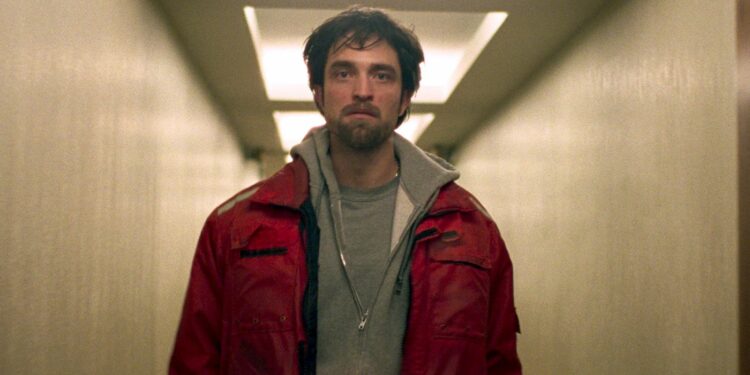
Robert Pattinson shed every trace of teen-idol image in Good Time, playing Connie Nikas, a small-time criminal trying to save his brother after a botched robbery. Pattinson embraces the character’s moral grime, never asking for sympathy as Connie lies, manipulates, and improvises his way through one disastrous night. The performance feels almost documentary-like in its immediacy.
What elevates the work is how Pattinson threads flashes of panic and remorse into Connie’s bravado. For all his scheming, this is a man in free fall, clinging to control he never really had. The result is one of the decade’s most convincing portraits of urban desperation. It deserved far more awards attention as proof that reinvention in Hollywood can be not just cosmetic, but artistically fearless and genuinely risk-hungry.
Taken together, these performances map out a pattern: the Oscars still struggle with genre, subtlety, and roles that feel uncomfortably close to real life. But time has a way of correcting the record. As these films continue to gain new audiences through streaming, rewatches, and critical reevaluation, their leads are slowly being recognized for what they delivered — not just strong work in good movies, but some of the defining screen performances of the 21st century.