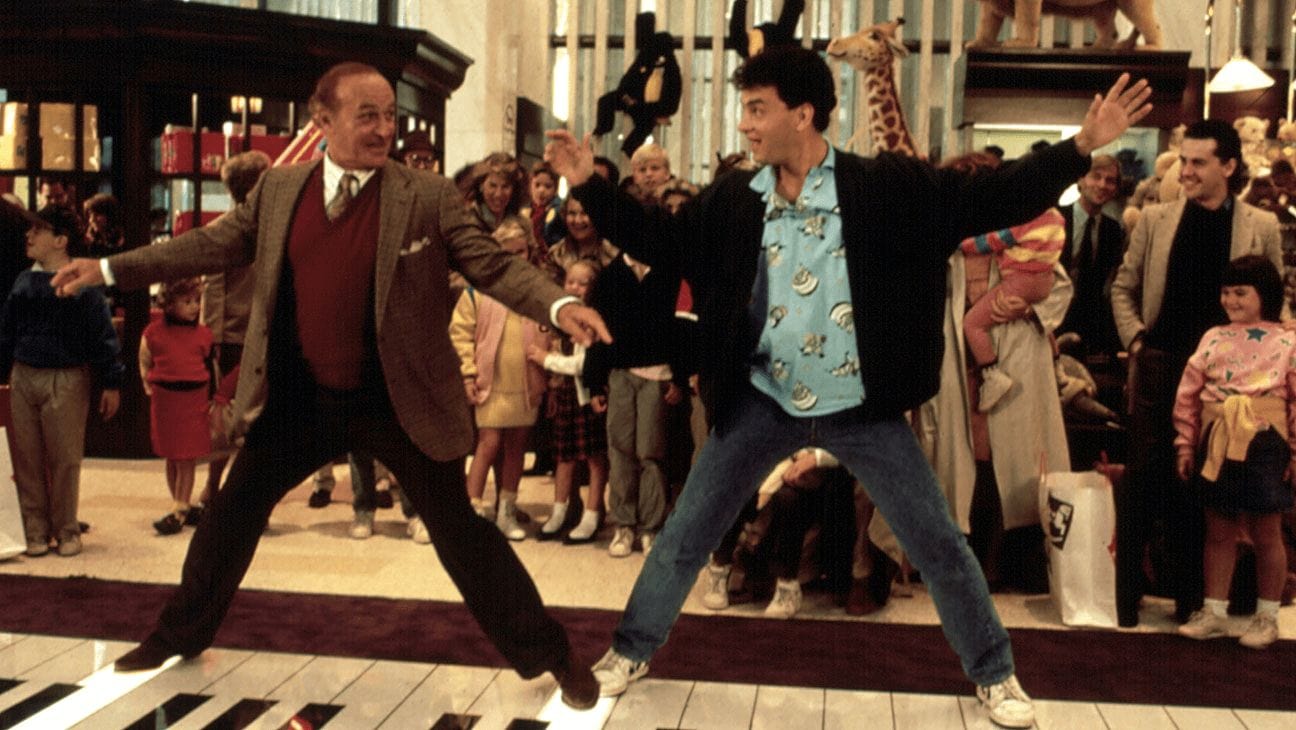

Tom Hanks’ Early Leap to Stardom with Big
When we talk about the roles that shape an actor’s career, it’s impossible not to mention Tom Hanks in Big (1988). This film was a significant milestone, marking one of Hanks’ breakout roles. His portrayal of a boy in an adult body in Big (1988) earned him an Academy Award nomination and launched him on the path to becoming one of the era’s most popular stars.
It was this role that truly solidified his ability to carry a film as the lead actor, displaying a charm and innocence that captured hearts worldwide. The success of Big didn’t just earn him accolades; it placed him firmly on the A-list, paving the way for a career filled with diverse and memorable characters.
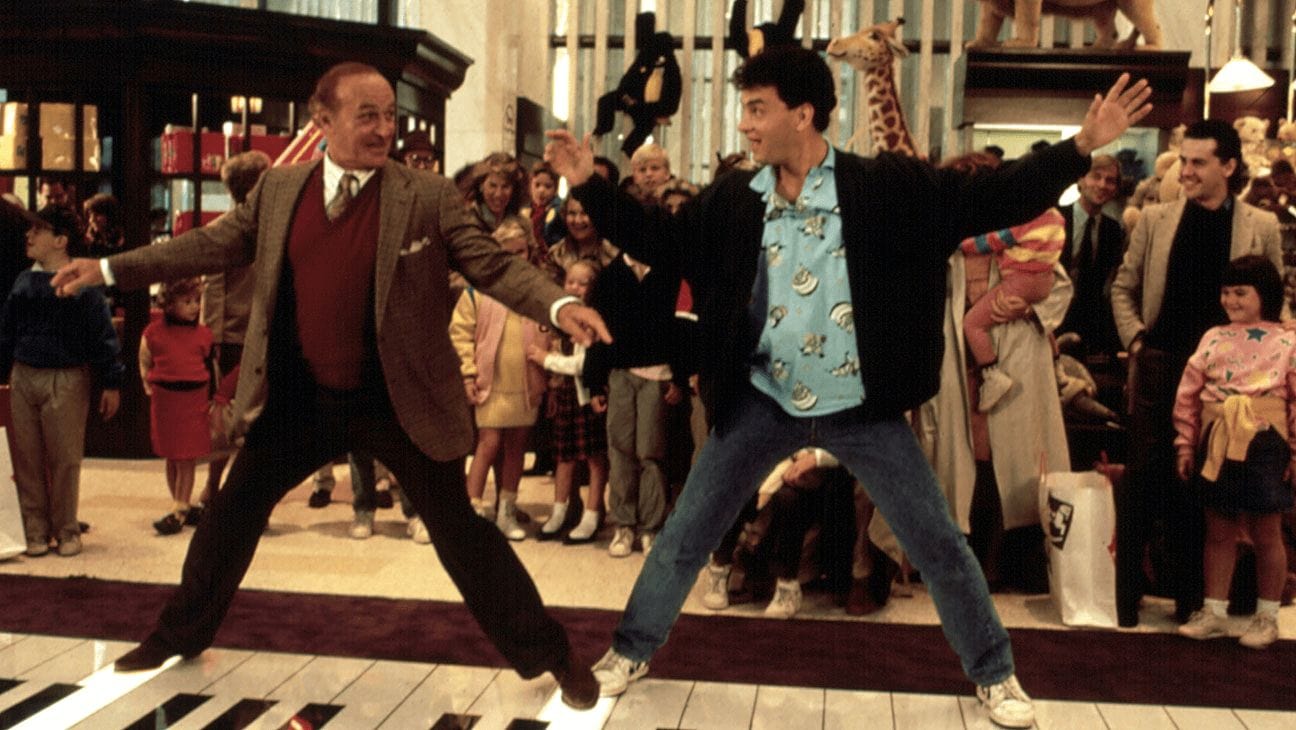
A Dramatic Turn in Philadelphia
In 1993, Tom Hanks took on a role that was a departure from his comedic roots. Philadelphia showcased his dramatic range, earning him his first Oscar win. He delivered an Oscar-winning performance as a gay lawyer with AIDS in Philadelphia (1993).
This wasn’t just a personal triumph for Hanks; it was a cultural moment. The film tackled themes of discrimination and homophobia with such sensitivity and grace that it became more than just entertainment; it was a poignant commentary on society. His performance didn’t just win him an Oscar; it won him the respect of the industry and audiences alike.
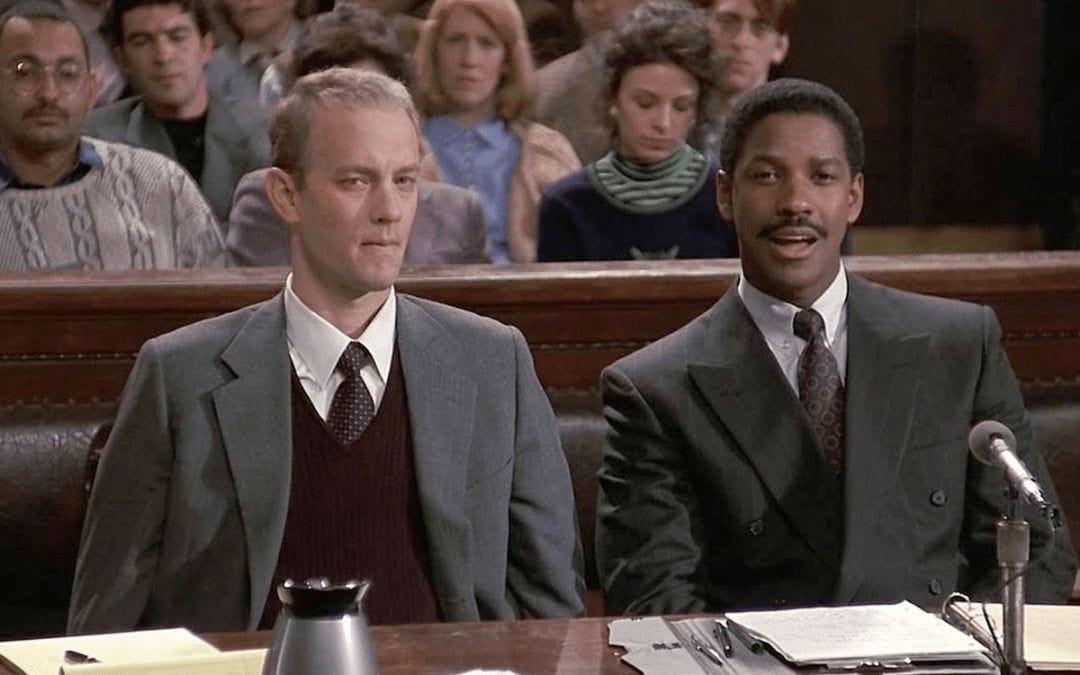
The Iconic Forrest Gump
The name Forrest Gump is synonymous with Tom Hanks. ‘My momma always said life was like a box of chocolates. You never know what you’re gonna get.’
This line from the film has become etched in cinematic history, much like Hanks’ performance itself. Winning back-to-back Oscars, he joined the ranks of Hollywood legends. The film’s success was astronomical, earning $677 million worldwide and being hailed as a modern classic. Its cultural impact cannot be overstated; twenty years later, it remains a touchstone that continues to inspire debate and admiration.
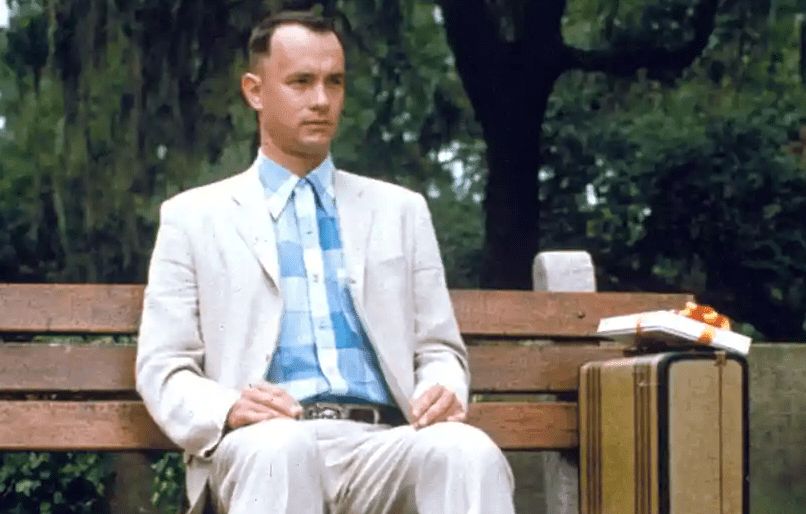
A Historical Mark with Saving Private Ryan
Saving Private Ryan (1998), directed by Steven Spielberg, is another standout film in Tom Hanks’ illustrious career. Not only did it showcase his ability to lead an ensemble cast, but it also demonstrated his skill in tackling complex, historically significant material. The authenticity of the film’s combat scenes earned high praise from WWII veterans, affirming its status as one of the most realistic war movies ever made. Spielberg’s dedication to historical accuracy, consulting with experts like historian Stephen E. Ambrose and military adviser Dale Dye, only added to the film’s gravitas—and Hanks’ performance was at its core.

The Emotional Journey of Cast Away
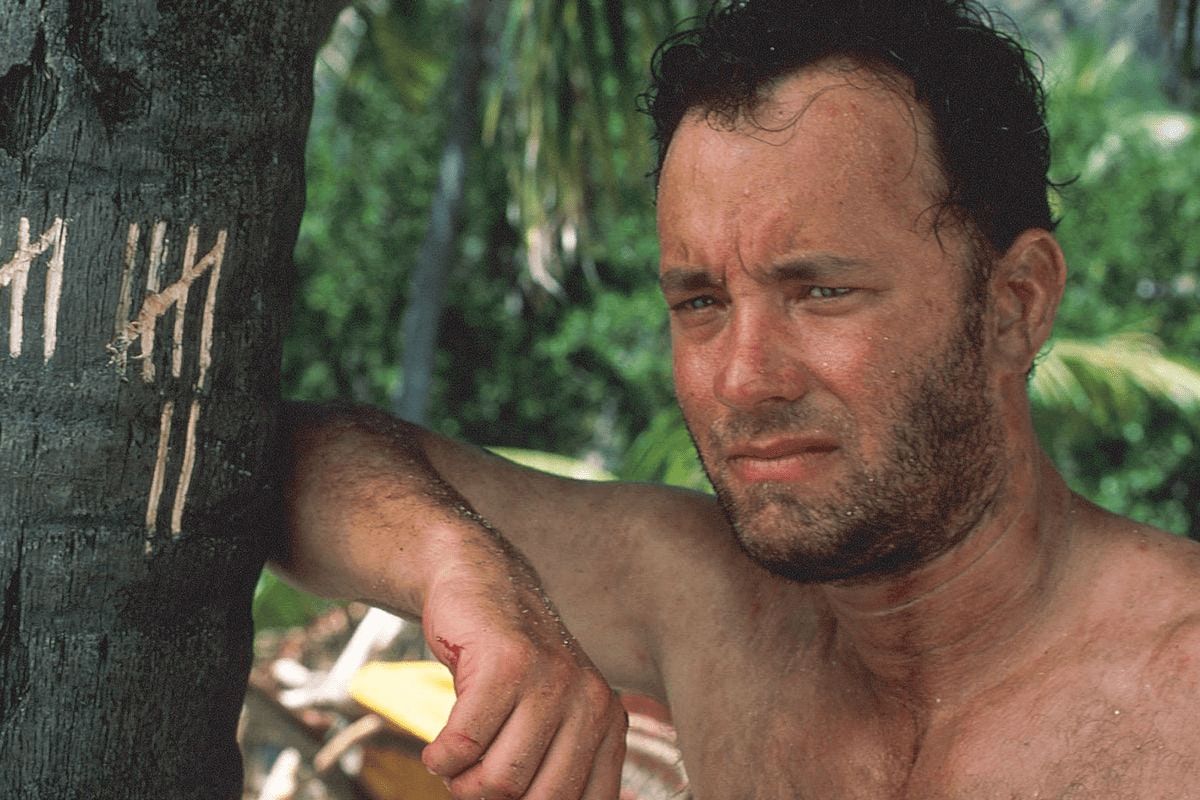
The year 2000 brought us Cast Away, a film that required Tom Hanks to carry almost the entire movie by himself—an endeavor that not many actors can claim to have done successfully. His portrayal of a man stranded on an uninhabited island spoke volumes about his exceptional talent. Soft-voiced, shambling and gray-whiskered, Hanks is in Cast Away mode as a mild engineer keeping himself busy with a library of books in a secure silo.
This role demanded not just physical transformation but also emotional depth, proving once again why he is considered one of the finest actors of his generation.
In summarizing Tom Hanks’ career through these films, we see more than just an actor; we see a storyteller who has become an integral part of Hollywood’s fabric. Each role discussed here has contributed significantly to his legacy—a legacy that continues to influence actors and filmmakers alike.