
Fabula Ultima
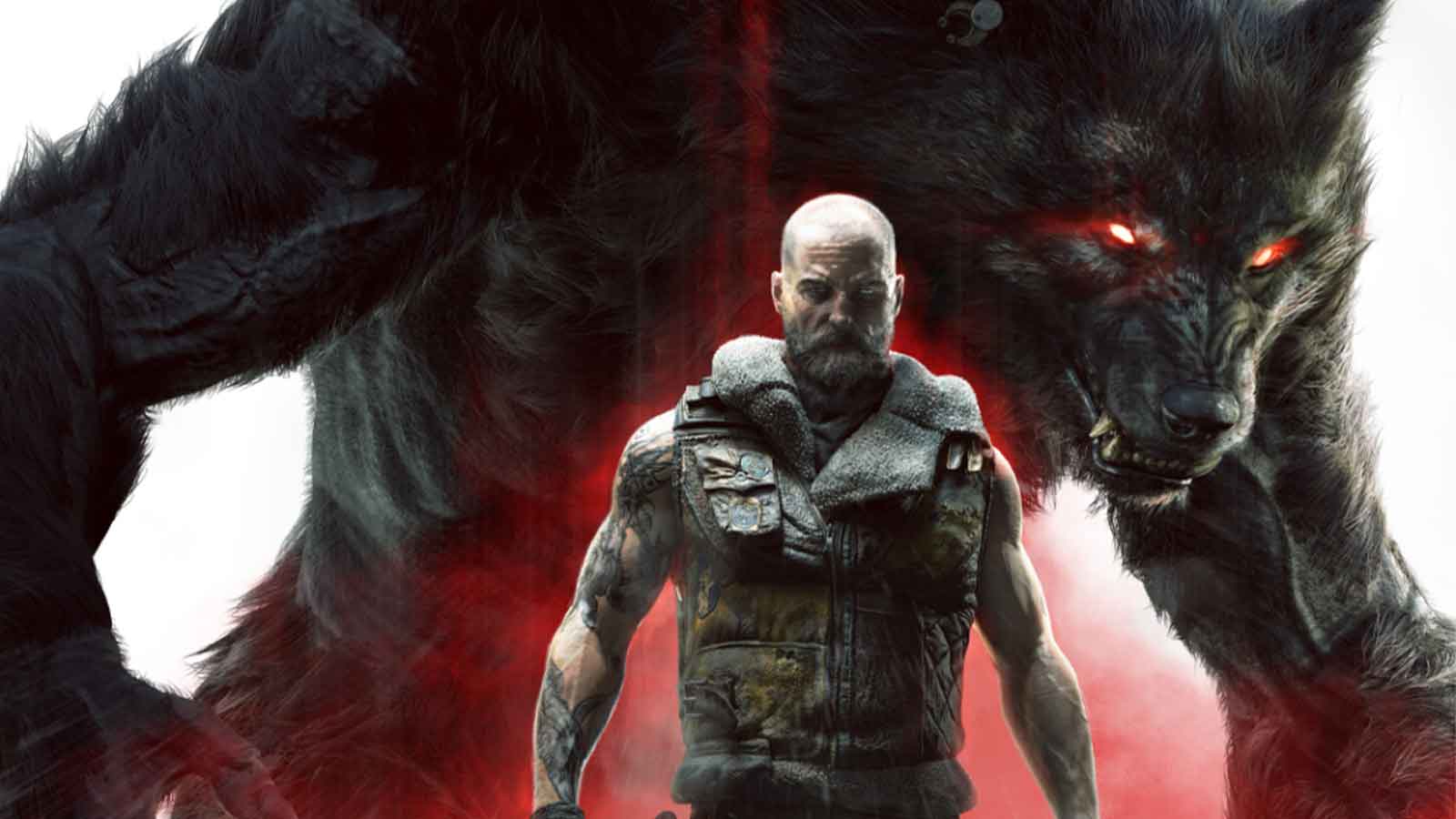
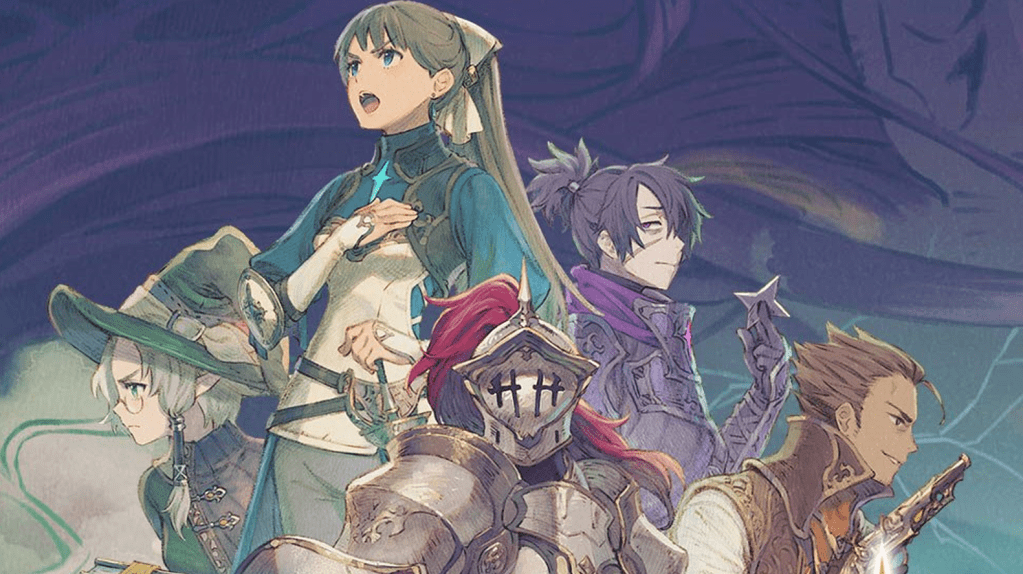
Inspired by classic JRPGs, Fabula Ultima emphasizes dramatic storytelling, emotional arcs, and flexible multiclassing over dungeon crawling realism. Players are encouraged to shape the world alongside the game master, giving them a clear role in the story beyond their characters. It’s so freeform that it might be off-putting for D&D purists, but it’s definitely worth a try.
Vampire: The Masquerade
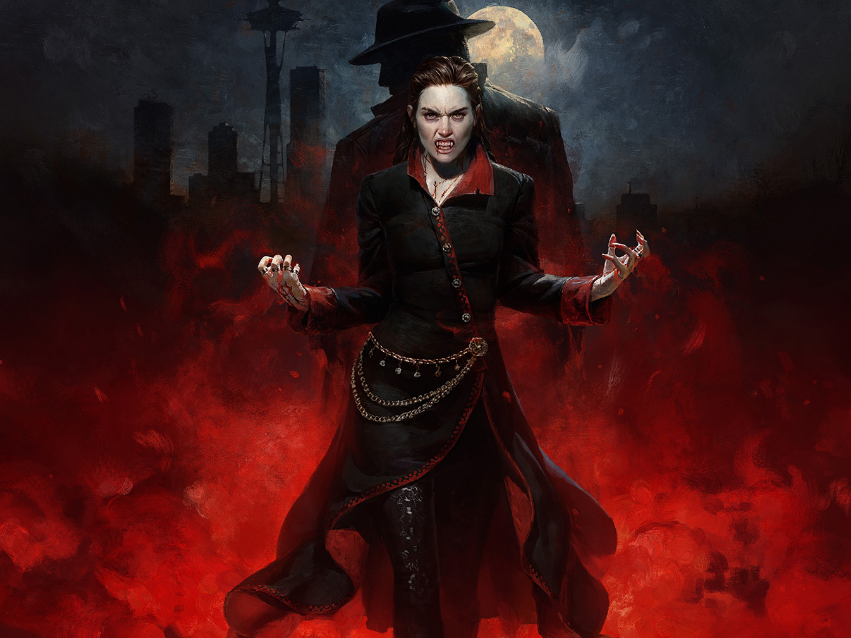
Rather than focusing on treasure hunts and monster fights, Vampire: The Masquerade revolves around politics, morality, and personal horror. The system rewards social manipulation, secrecy, and internal conflict, creating campaigns where emotional tension matters far more than combat statistics or dungeon exploration. It’s also the ideal system to play as the bad guys.
Werewolf: The Apocalypse
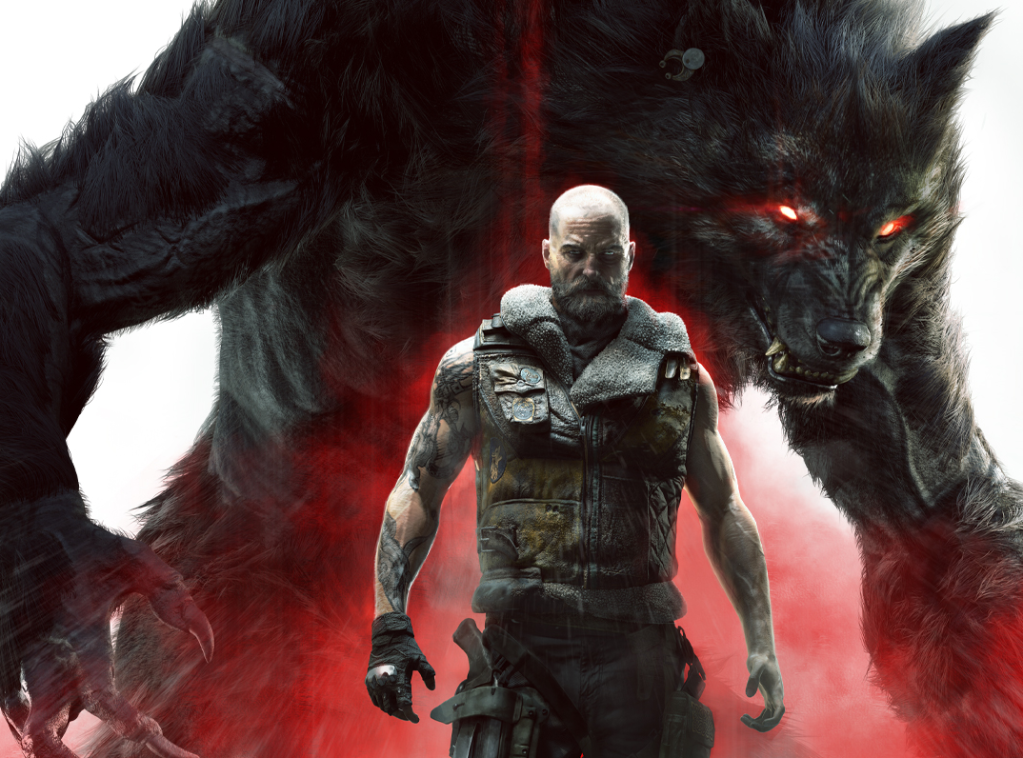
Werewolf: The Apocalypse mixes supernatural horror with environmental and spiritual themes rarely explored in D&D. Its rage-driven mechanics create volatile characters constantly balancing fury and responsibility, while the setting pushes players toward tragic conflicts instead of simple heroic fantasy victories.
Pathfinder
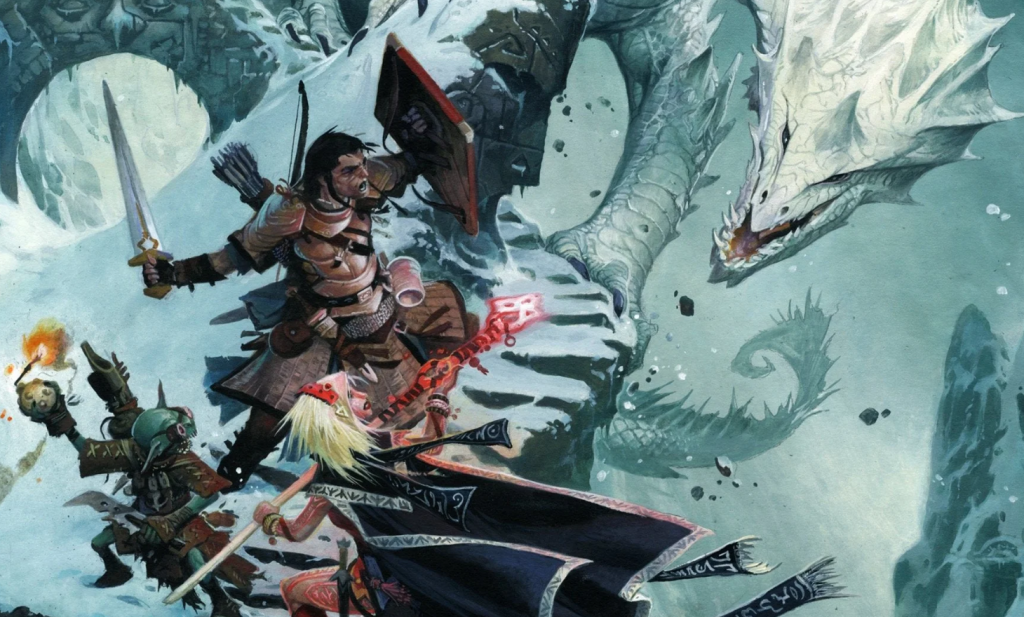
Often seen as D&D’s biggest direct competitor, Pathfinder offers far deeper character customization and tactical combat depth. Players who enjoy complex builds, detailed rules interactions, and meaningful combat choices often prefer it over the more streamlined direction modern D&D has taken. Most people prefer less rules when looking for a D&D alternative, but if you want more rules, this is your pick.
Troika!
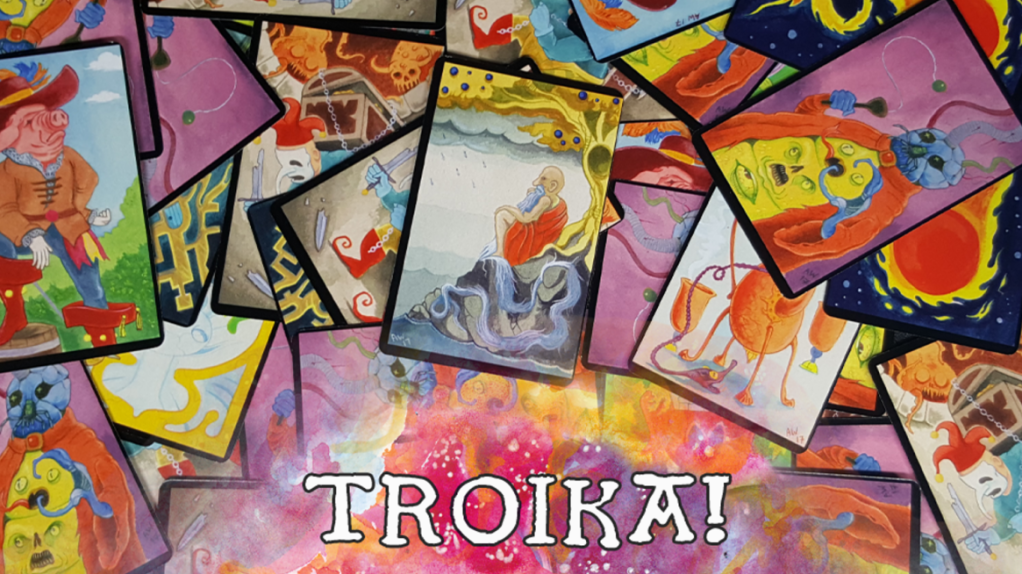
Troika! abandons grounded fantasy logic entirely in favor of bizarre, surreal adventures filled with strange backgrounds, weird dimensions, and unpredictable encounters. Its loose structure encourages chaotic creativity, making it feel more like a psychedelic science-fantasy fever dream than a conventional dungeon crawler. It can be ideal for players and game masters that want strange lore but can’t come up with it.
Legend of the Five Rings
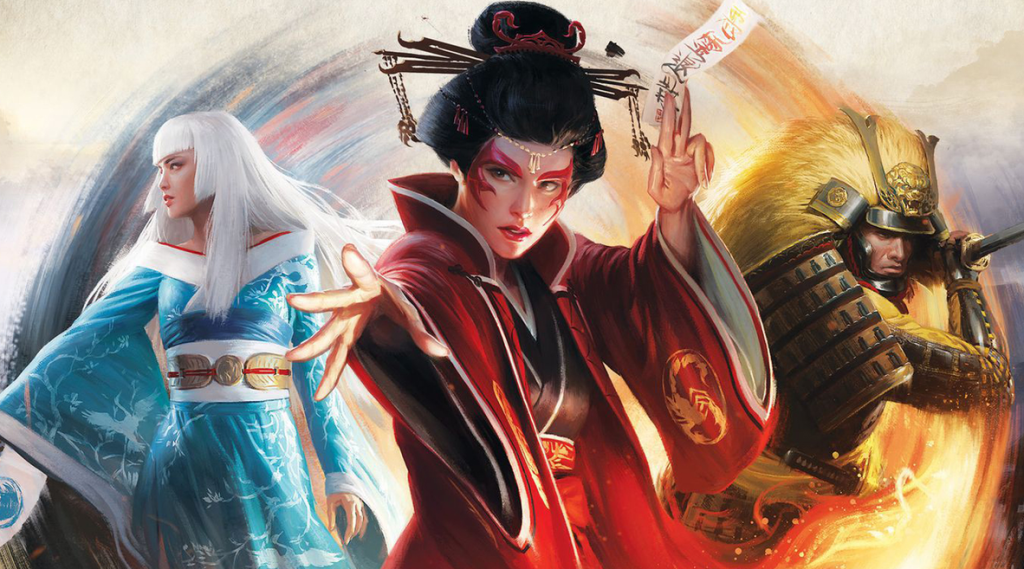
Set in the samurai-inspired world of Rokugan, Legend of the Five Rings places huge emphasis on honor, status, and social conflict. Characters are often punished more for embarrassment or political failure than physical defeat, creating a very different roleplaying experience from D&D. In a way, it’s like if every player was the Paladin, bound to a given set of rules or oaths.