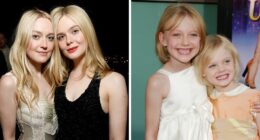

Celebrity voices occasionally provide dubs for bigger productions, especially Studio Ghibli productions. It started when Disney had the U.S. distribution rights during the 2000s and had the likes of Fanning sisters in My Neighbor Totoro, Christian Bale as the titular Howl in Howl’s Moving Castle, and Claire Danes as Princess Mononoke. All of which are rather good dubs. Nowadays though the Ghibli films are distributed by GKids, who keep up the tradition, as seen in The Boy and the Heron and its almost entirely celebrity-based vocal cast.
Even so, Heron raised the standard, at least when it came to using celebrity voices and flawless dubbing. That voice cast included Robert Pattinson, Karen Fukuhara, Gemma Chan, Christian Bale, Mark Hamill, Florence Pugh, Willem Dafoe, Dave Bautista, Mamoudou Athie, Tony Revolori, and Dan Stevens. As the titular Heron, Pattinson’s harsh and raspy voice mimics Danny DeVito’s, but because it’s Batman and not the Penguin, it’s completely unrecognizable and gives the character a lot of life. Similarly, Pugh is remarkable in her ability to portray both the youthful and elderly versions of Kiriko.
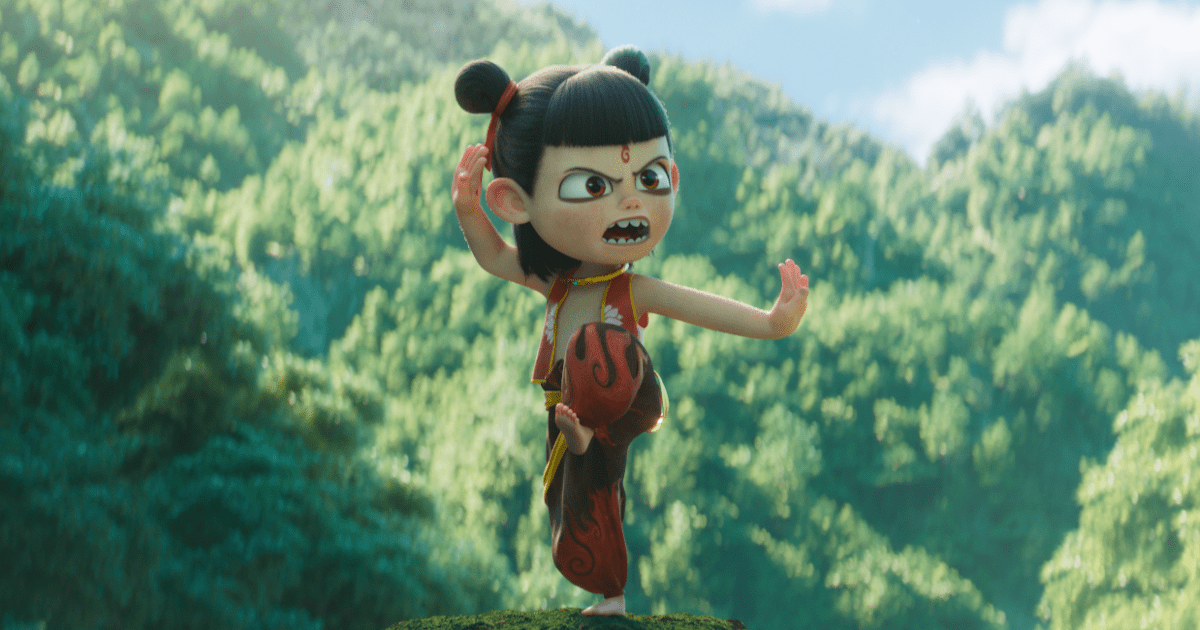
There’s a wealth of both voice acting artists and celebrities present in Ne Zha 2 as well. The cast from the dubbed predecessor, including Aleks Le, Vincent Rodriguez III, and Griffin Puatu, reprise their roles as Ao Bing, Li Jing, and teenage Ne Zha, respectively. Meanwhile Oscar-winner Michelle Yeoh is the only well-known voice this time around, portraying Lady Jin, Ne Zha’s mother. One can only imagine that A24 has her on speed dial thanks to Everything Everywhere All at Once and is using her presence as a marketing ploy to get Americans to go to the theater.
Yet I wouldn’t be lying if I said she was a negative aspect of the dub, and I mean no disrespect to the queen herself. Yeoh’s voice just doesn’t fit that character at all. Yeoh’s voice is of a low register, and her attempts to go to a higher octave to align with her youthful design are unsuccessful.
Should a Dub Performance Mimic the Original Performance?
A good dub can sometimes be defined by how quickly these artists adapt the tone and add elegance to the animation that is displayed on screen, allowing you to feel the characters’ complex emotions even when the translations are one-to-one. Voice actors who do dubs often talk for a long time about how a character should sound and how to give them personality.
In certain instances, their work surpasses the original language of origin. I cannot think of watching Dragon Ball Z without hearing Sean Schemmel’s voice as Goku or Christopher Sabat as Vegeta and Piccolo. Nor would I think of My Hero Academia‘s Izuku Midoriya without Justin Briner. These characters even have a sonority that makes them seem like flawless versions of themselves, giving them depth and new vitality.