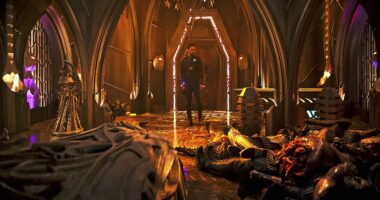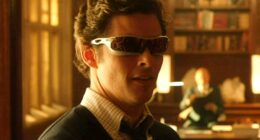

But whereas The Expanse television show leaves the rest to the viewer’s imagination, the books explore Duarte’s innovative solution to defeating the silent alien killers lurking inside the gates. His unique use of the protomolecule gives him the ability to merge the thoughts and experiences of every human inside the Ring space, and, as a single mind under Duarte’s control, humanity could succeed where the Ring makers failed in defeating the “dark gods.” That was the plan, anyway.
“I dreamed too small before,” Duarte says in a climactic Leviathan Falls scene in which the god-emperor has nearly achieved the deity status his title suggests. “I see that now. I thought I could save us by organizing, by keeping us together, and I was right about that… but I didn’t understand how to do it.”
The final solution presented in Leviathan Falls won’t be spoiled here, but the big difference in The Expanse is that the transformation was much more gradual than the viral spread in Pluribus. People in the Ring space had the chance to experience the horror of the loss of privacy and their sense of self while maintaining a tenuous hold on their individuality. All that the infected people in Pluribus could do before “awakening” was convulse a bit.
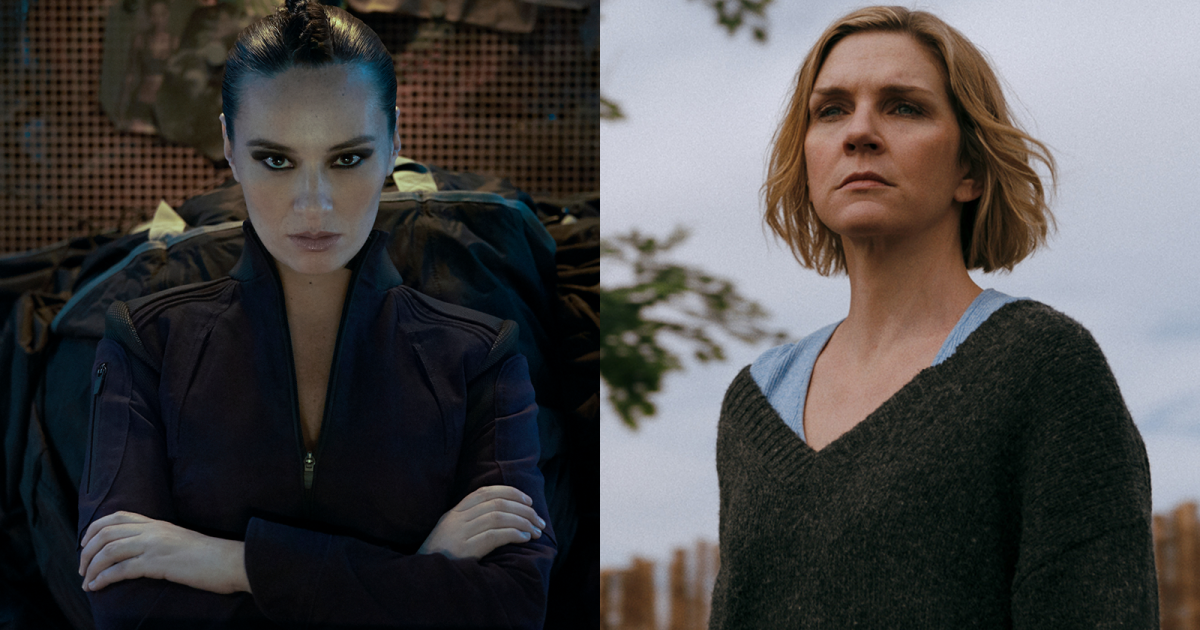
Zosia (Karolina Wydra) makes a big deal out of Carol (Rhea Seehorn) not knowing what it’s like to be “them,” and that she shouldn’t judge before experiencing the joy of a joined mind. For the Belters, Martians, and Earthers of The Expanse, however, that argument falls flat. While a merging might have brought unity to the warring factions of the solar system, the idea was universally rejected by the characters that experienced it, especially as the bond grew stronger.