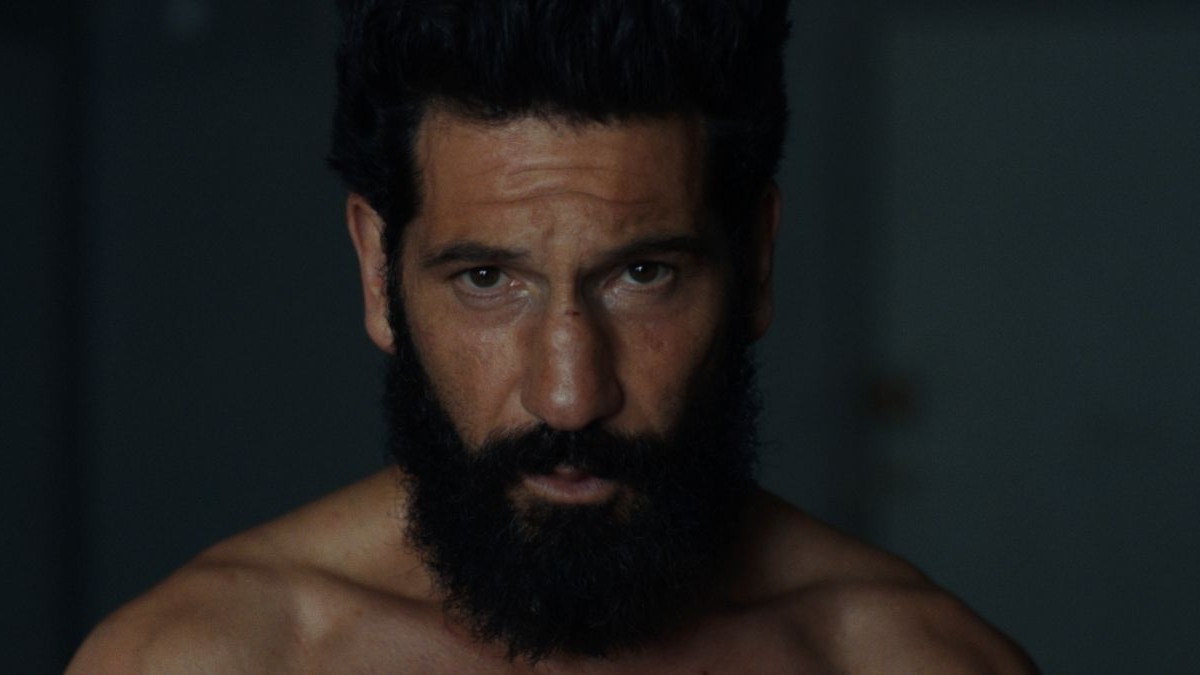

Since this is a one-off from Marvel Studios, no one involved is concerned with stringing this story out. It’s not long before Castle is shooting, stabbing, and punching his way through this swathe of crims so he can at least save Bubbles from The Wire (Andre Royo) and a little girl who reminds him a bit of his dead daughter, which also reminds us that he can do a bit of good while he’s doing a whole lot of antiheroic bad.
What we have here is the extreme opposite of Murdock’s approach to ending the cycle of violence in New York. Consistently weighed down by Catholic guilt and espousing the benefits of salvation and grace, Daredevil is exactly who he’s supposed to be in Born Again. It’s true to his comic book origins, and his belief that Kingpin and Bullseye—who killed his best friend Foggy Nelson—can always have the potential to be saved by the kindness he bestows upon them as undeserving sinners.
That doesn’t mean it isn’t enormously frustrating for viewers to watch. We might know who Matt is and how he’s going to react when Karen pleads with him to just, for the love of god, kill someone, but he isn’t going to do that. And, to be sure, viewers also enjoy it. Following the conclusion of Born Again’s latest season, various jokey memes popped up on social media, including one that posited that if Murdock had been part of Avengers: Endgame, he would have fought against Iron Man and the rest of the team to get Thanos put in a medium security jail.
But Castle ain’t having any of that. While he somewhat admires Murdock and his often futile attempts to use his vigilanteism and legal moxie to broker peace on the streets of New York, Castle’s answer to violence is nearly always to beget more violence. He is also exactly who he’s supposed to be. That’s why he and Murdock continue to be a philosophical match made in comic book heaven. Justice vs punishment is a moral and ethical discussion that never ends.
As such, it’s no accident that Karen Page appears in both of these Marvel projects, albeit as a hallucination in One Last Kill, as the conflicted human caught in the middle of these two guys, often drawn to both sides of their argument. She is us, caught between the intoxicating understanding that Castle will stop the bad guys permanently, while Murdock’s worldview is undeniably pure, believing that morality not only can but must endure in the grey areas of our world.
Marvel isn’t telling us which of these two approaches is correct, nor is it endorsing The Punisher’s violence. It’s giving us the gift of immediately seeing them side by side in this turbulent era of human history, where we’re more aware of what’s happening out there than ever, frequently evaluating violence, institutions, and whether “doing things the right way” still works. We know we can’t just abandon our principles, but we can also acknowledge that the system isn’t always strong enough to uphold them.