
Death to Life
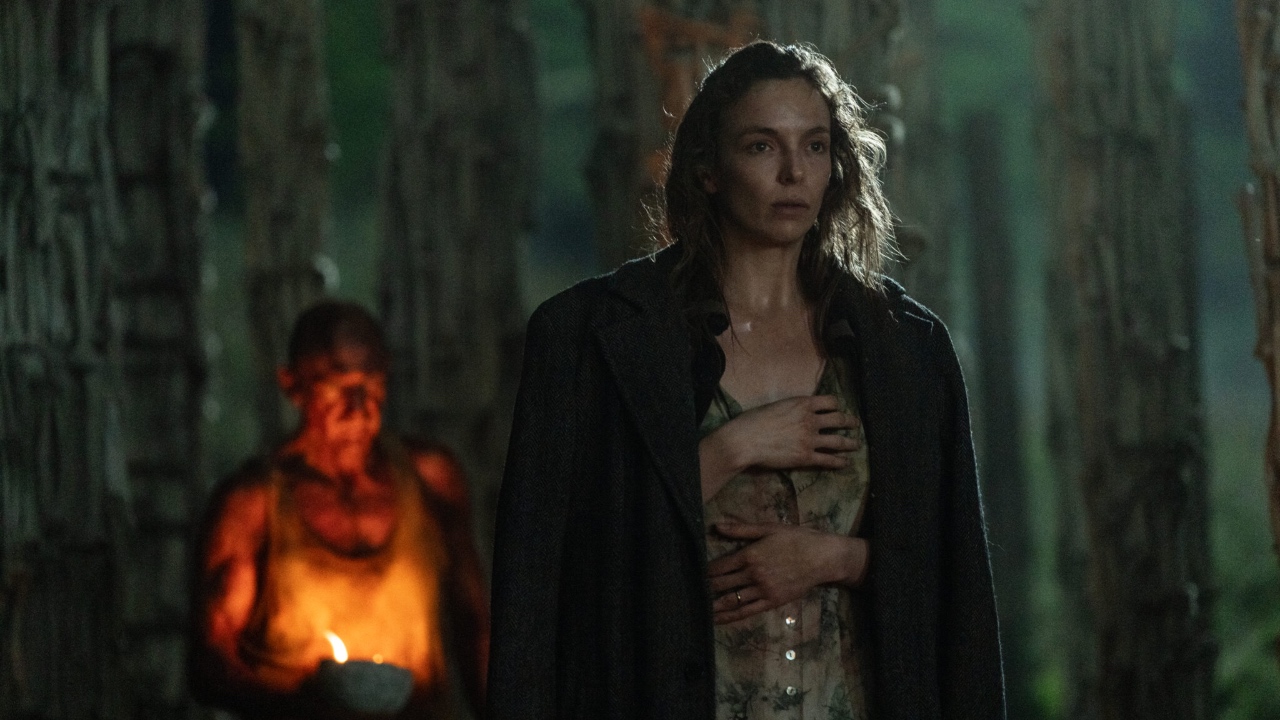
At the end of 28 Years Later, Dr. Kelson drugs Spike so that he can kill Isla, burn the flesh from her bones, and present the boy with his mother’s clean skull. And it is one of the most moving acts of compassion ever committed to screen. Of course Kelson drugs Spike as much as an act of necessity as kindness. Upon examining Isla, Kelson determines that cancer has infected both her body and her brain, stripping away her cognition and identity. She chooses to die on her own terms, and Kelson agrees to help her. Knowing that Spike will fight against the decision, yet also knowing what needs to be done, Kelson (with Isla’s permission) tranquilizes the boy while he and his mother embrace one last time.
Even the decision to present the boy with his mother’s skull is one of mercy. Kelson has already talked about how each skull is just a Memento mori, not the person to whom it once belonged, and that the memory of the person is what matters. By allowing Spike to carry Isla’s skull to a prominent place in the bone temple, Kelson empowers the boy to embrace his mother’s memory and to have agency amid the chaos.
To be clear, Boyle and Garland do not present Isla’s death as a pleasant or easy thing. It still occurs in response to a horrid and debilitating disease, one made worse by the fact that the United Kingdom is quarantined from the rest of the world. The movie takes time to show the sorrow gripping both Spike and Isla, giving respect to their sadness. 28 Years Later knows that the characters live in a brutal world surrounded by death, but (to borrow a phrase from another Boyle film), the movie chooses life.
In fact, much of 28 Years Later is resolutely life-affirming. There’s the beauty of the sky when Spike and his father Jamie (Aaron Taylor-Johnson) run across the bridge from an Alpha. There’s the moment of bravery when Isla comforts an infected woman giving birth. There’s the kindness that Jamie shows Spike when the boy feels guilt over his beginner’s mistakes when shooting the infected. Heck, there’s that insane ending.
28 Years Later may have zombies, but it’s fundamentally about human beings, and it celebrates the way humans continue on even at the end of the world.
Reviving a Genre
To be sure, the humans of 28 Years Later aren’t saintly. And given the Jimmy Saville-style dress and extreme brutality of Sir Jimmy (Jack O’Connell) and his merry band, there may be a lot more person-on-person nastiness to come this January when the sequel 28 Years Later: The Bone Temple hits theaters. Yet even if the story takes a more cynical look at humanity, it’s already set itself apart from the standard zombie stories that were released between 2002 and now.