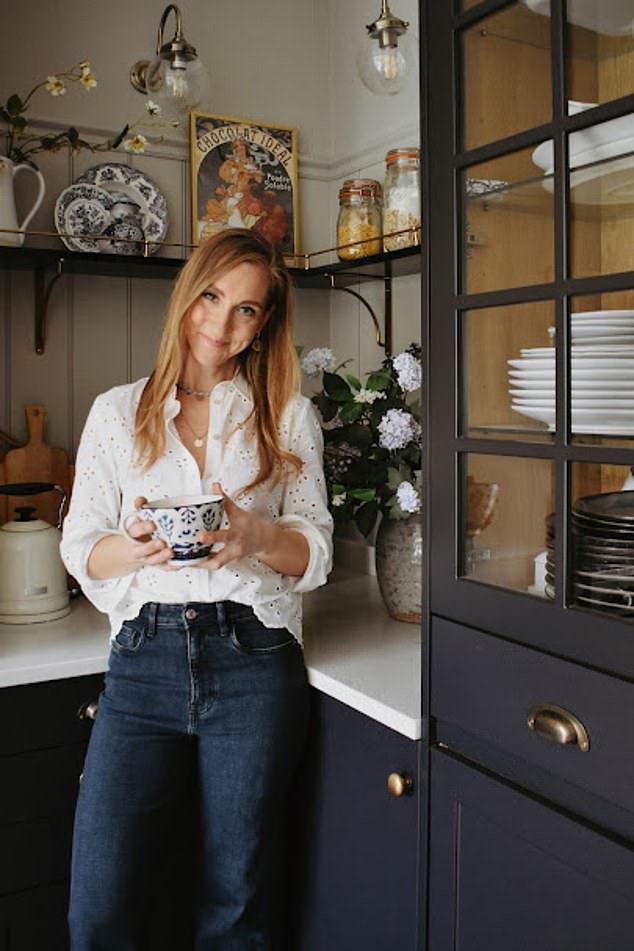

Elle Hervin is a writer and vintage interiors expert, with over one million Instagram followers @elle_the_home_bird. Here she explains how to get a secondhand bargain…
Want a home that feels collected, not copied? It’s time to start shopping second-hand! For me, second-hand pieces are the key to creating a layered, individual aesthetic showcase our personality – leading to a truly authentic and joyful home interior. Here’s my top tips for styling second hand pieces in your home and where to buy them.

Elle Hervin
The dining room
1. Your vintage shopping checklist – wooden chairs (my favourite are Bentwood bistro chairs), dressers, vintage table linens, artwork, brass or silverware, vintage crockery.
2. Add a backdrop to your dining table – if space allows, add floor-to-ceiling bookshelves or a second-hand dresser filled with stacked plates, uneven pottery, brass candlesticks and collected glassware to create depth and interest. If space is limited, add some original artwork to the walls – charity shops often reveal a hidden treasure trove of old paintings, photographs and maps.
3. Mix seating – matching dining sets can often feel too rigid and lack interest. Instead, try two second-hand carver chairs at either end of the table, maybe a bench on one side and mixed vintage chairs in similar tones.

The Home Bird by Elle Hervin. Published by Mitchell Beazley. Photography: Emma Lewis
The kitchen
1. Your vintage shopping checklist – vintage or retro bar stools, pot racks, artwork, ceramic bowls, vintage chopping boards, old French enamel tins, glass-front cabinets, copper pans, wooden crates.
2. Soften modern surfaces with wooden tones – old wood instantly balances stone, quartz and painted cabinetry. Use old chopping boards, bistro-style bar stools and wooden shelving to create a balance.
3. Don’t hide everything away – collected kitchens that feature second-hand pieces feel alive because they reveal personality. Include open shelving or a glass-fronted cabinet with mismatched crockery, vintage glassware, old pottery and striped linens. Arrange items of similar tones in groups of three or five.

The Home Bird by Elle Hervin. Published by Mitchell Beazley. Photography: Emma Lewis
The living room
1. Your vintage shopping checklist – dressers or cabinets (I use an old chest of drawers as a TV stand), oil paintings, brass candlesticks, footstools (which can be reupholstered), antique mirrors, occasional chairs, and vintage pottery.
2. Mix eras deliberately – the difference between a space that looks curated and one that feels a little like a jumble sale is striking a good balance between old and new. Try to avoid locking your room into one period and instead experiment with mixing contemporary items with antique or second-hand pieces – for example, a contemporary lampshade looks wonderful on top of an old console table or battered pine chest.
3. Buy for shape, not perfection – I seek out pieces that look a little worn around the edges; a side table with layers of peeling paint or an aged patina, an old sofa with an interesting silhouette, and mirrors where the glass is foxed from age. These are the pieces that add authenticity to your spaces.

The Home Bird by Elle Hervin. Published by Mitchell Beazley. Photography: Emma Lewis
The bedroom
1. Your vintage shopping checklist – bedside tables, chests of drawers, antique mirrors, lamps, artwork, bedspreads or throws.
2. Mix vintage textiles generously – layer old quilts or bedspreads along with patterned cushions to create a layered feel. I love using vintage suzani throws and cushions in the bedroom, for a colourful and interesting aesthetic.
3. Include pieces with warmth and tone – bedrooms benefit from pieces that have been softened with age, such as worn wood, faded fabric, and aged mirrors; this lends a comforting, cocooning feel and will also add charm and authenticity to the space. For example, pair an old pot cupboard with a vintage lamp for an interesting bedside.

The Home Bird by Elle Hervin. Published by Mitchell Beazley. Photography: Emma Lewis
The bathroom
1. Your vintage shopping checklist – glass storage jars, antique side table, vintage mirror, old brass hooks, second-hand wall cabinet with reeded glass, vintage stool, artwork.
2. Embrace aged brass and imperfect finishes – soften functionality with aged metals and old wood, such as a small antique stool bedside the bath, or reclaimed brass hooks on the back of the door.
3. Add pieces that feel unexpected – bathrooms become more atmospheric when they include pieces you wouldn’t necessarily expect to find there, such as vintage artwork or poster prints (fine to use if in a well-ventilated bathroom), vintage ceramics, an old chair or even a shelf with books.

The Home Bird by Elle Hervin. Published by Mitchell Beazley. Photography: Emma Lewis
My Top Five Shopping Sources for Second Hand Gems
1. Etsy – for vintage fabrics, old pottery, and original artwork.
2. eBay, Vinterior & 1st Dibs – for vintage cabinets, chest of drawers, occasional chairs and larger pieces of furniture.
3. Local flea markets – for copper pots, vintage French enamel, brass and silverware and cutlery. For a wider choice of antiques, I like to visit an antiques fair, such as Newark Antiques Fair, Ardingly Antiques Fair, Sunbury Antiques Market, The Northern Antiques Fair and The Great North Decorative Antique Fair.
4. Local reclamation yards – for rarer and individual pieces, also good for sourcing reclaimed fireplaces and vintage garden furniture.
5. Online sellers – including Love Antiques and The Old Cinema London.

The Home Bird by Elle Hervin. Published by Mitchell Beazley. Photography: Emma Lewis