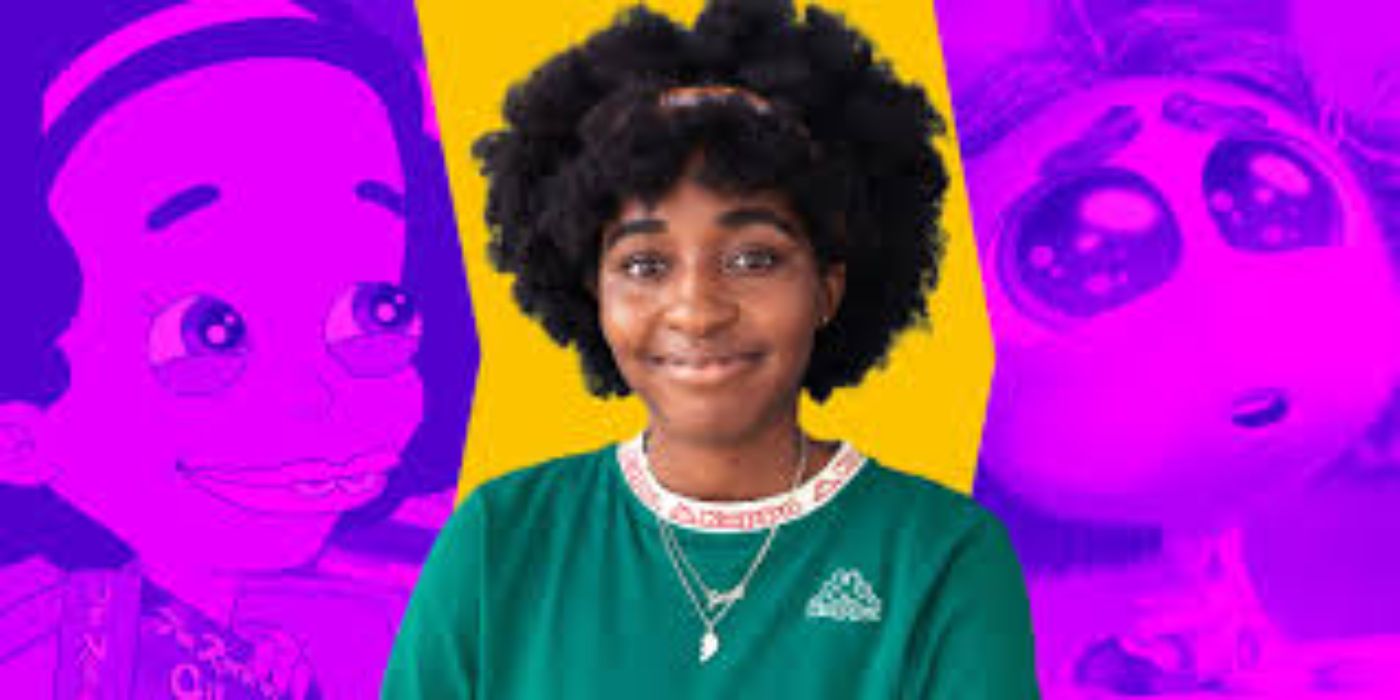

If you keep spotting Ayo Edebiri everywhere, you’re not imagining it. She’s had the kind of run that makes an actor feel instantly recognizable across totally different audiences: prestige-TV fans know her face, animation fans know her voice, and comedy fans know her timing. Add in the fact that clips travel faster than credits, and you get that “I know her from somewhere” feeling even when you can’t immediately place where you first saw her.Another reason the familiarity hits so hard is range. She can play stress without melodrama, comedy without mugging, and sincerity without sounding like she’s chasing a moment. When an actor has that kind of control, their work becomes easy to recognize: you start noticing the cadence, the pauses, the reactions, the way a line lands because it feels like a thought instead of a performance.The quickest way to solve the “where do I know her from?” question is to track the roles that hit multiple corners of pop culture at once—streaming TV, teen comedy, long-running animation, and blockbuster voice acting. Here are seven projects that explain most of that familiarity, plus the “tell” that makes each one stick once the name finally clicks.
The Bear
Bottoms
Big Mouth
Spider-Verse
Mutant Mayhem
Inside Out 2
Abbott Elementary
The Bear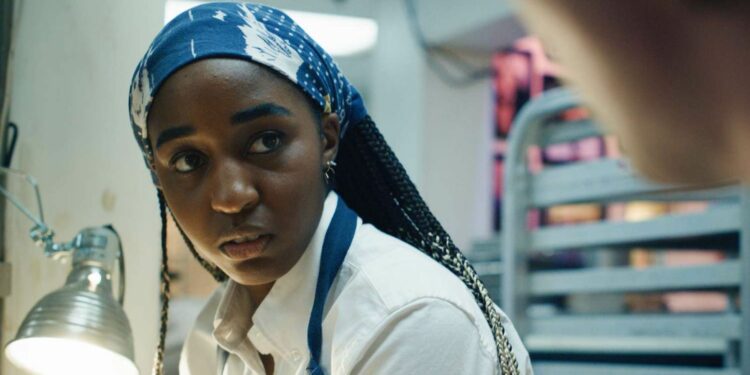
Most people know her best as Sydney Adamu in The Bear. Even if you don’t watch it weekly, the show is so widely clipped and discussed that Sydney has become a modern TV imprint: a character defined by competence under pressure, ambition that doesn’t switch off, and the stress of trying to build something inside chaos.
That’s why she looks familiar to people who “haven’t seen the show.” They’ve seen pieces of it—kitchen blowups, quiet burnout scenes, viral moments—enough for the performance to lodge in their memory. The other reason Sydney sticks is specificity: she’s not written as “the smart one” or “the driven one.” She’s written as someone who is capable, impatient with wasted effort, and still learning how to lead without letting stress shape her personality.
Bottoms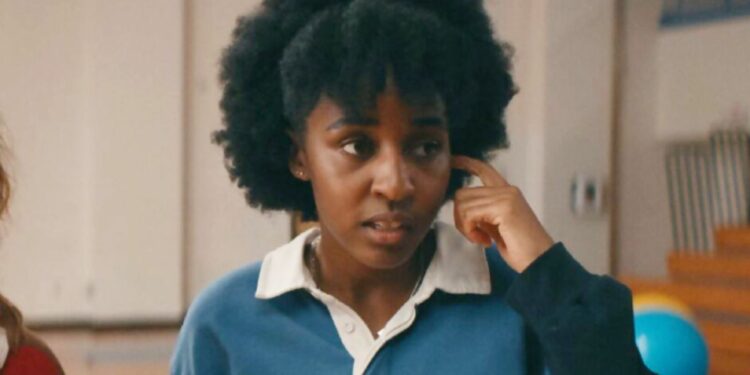
If your familiarity comes from a movie, it’s often Bottoms, where she plays Josie. The film runs on aggressive comedy, but her performance works because she plays the emotional logic underneath the joke—awkwardness, courage, and that specific kind of teen panic you can’t fake.
Even viewers who only caught a few scenes tend to remember her because of her rhythm: blunt delivery, quick pivots, and reactions that feel real instead of “performed.” It’s the role that turns “she’s funny” into “she can carry a story.” Josie isn’t fearless; she’s trying to become brave, and that difference is what makes the character feel human rather than just “a type” in a teen comedy.
Big Mouth
A lot of people recognize her without realizing they’ve been listening to her for years. She voices Missy on Big Mouth, and animation familiarity works differently: you remember timing and emotion before you remember a face. Missy’s storylines have ranged from awkward humor to identity and confidence shifts, which require a voice performance that can pivot fast without sounding artificial.
This creates reverse recognition. You see her in live action and think, “I know that energy,” then later realize your brain filed her voice long ago. Voice work is also deceptive: when it’s good, it feels effortless, which makes people forget it’s an actor doing craft. Once you connect Missy to her, the “familiar” feeling often snaps into place instantly.
Spider-Verse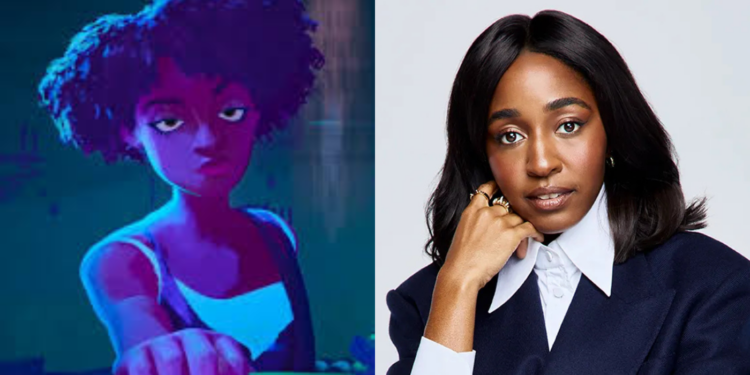
She also shows up in major animation you’ve likely watched more than once. In Spider-Man: Across the Spider-Verse, she voices Glory Grant. It’s not the biggest role in the film, but *Spider-Verse* has such sharp dialogue and such a distinct audio texture that even smaller voice parts can stick—especially in a movie people rewatch and quote.
If you’re someone who mostly knows her from voice work, this is often the credit that connects the dots. You hear that specific cadence, then see her elsewhere and suddenly the familiarity makes sense. In a franchise built on quick banter, any voice that cuts cleanly through the mix becomes memorable faster than you’d expect.
Mutant Mayhem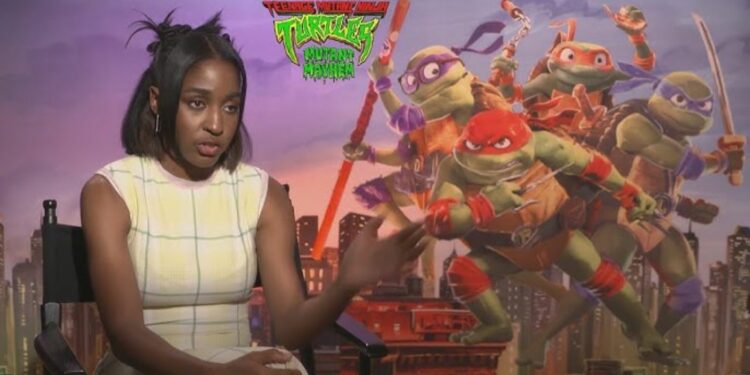
Another big one is April O’Neil in Teenage Mutant Ninja Turtles: Mutant Mayhem. In this version, April isn’t just a classic “supporting human” in a turtle story—she’s a full presence, with anxious confidence, chaotic momentum, and the kind of teen authenticity that matches the movie’s tone.
This role also expands her recognition beyond the comedy/TV crowd. Family audiences and casual moviegoers who don’t watch *The Bear* still heard her here, which widens the familiarity net fast. And because April is such an iconic character, people remember the performance even if they don’t remember the actor’s name—until they see it later and go, “Oh, that was her.”
Inside Out 2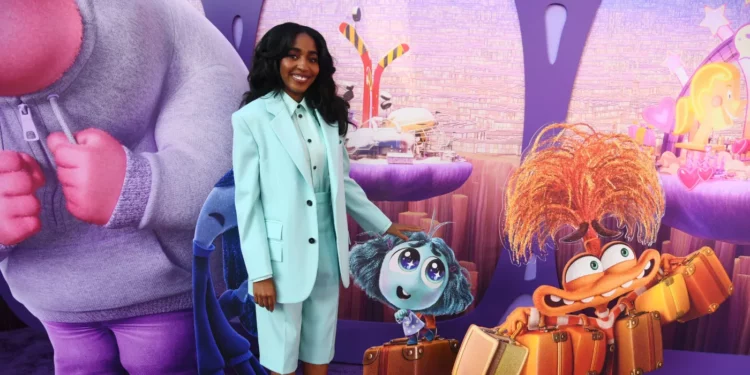
If you saw Pixar’s Inside Out 2, you heard her as Envy—one of the new emotions introduced for Riley’s teen years. This role is a major reason she feels unavoidable lately: Pixar releases reach everyone, not just people who follow TV casting news.
And because emotions are concept characters, voice performances matter even more. If Envy’s tone stuck with you—sharp, quick, slightly needy—you’re more likely to recognize her later even without remembering the credit. It’s the kind of role that spreads familiarity through households: one person watches the movie, then the voice becomes part of the cultural background noise.
Abbott Elementary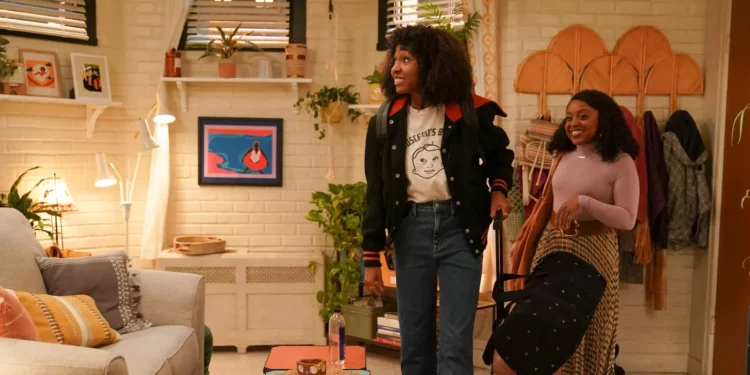
She’s also had a standout guest spot on Abbott Elementary as Ayesha Teagues, Janine’s sister. The role is memorable because it doesn’t feel like stunt casting; it feels like a real family extension of a character viewers already know, with its own personality and friction.
This is the kind of credit that makes someone “feel familiar” in a different way. A huge network sitcom has a broad audience, and even a short appearance can lodge in your memory because it’s attached to characters and dynamics fans already care about. Once you recognize her here, you start spotting her range: she can match a sitcom’s timing without losing the grounded quality that defines her bigger roles.