
Sibling relationships can be complicated at the best of times. Some get along really well. Others not so much. Then there are those that are obsessed with their brother or sister. And we’re not talking about a healthy obsession where the person admires or looks up to their sibling…
She always suspected something was up. From the time her husband’s sister asked him to share a bed while they were on vacation, to when the SIL accused her of ‘grooming’ her husband. But things came to a head recently, when the woman and her partner announced their pregnancy. The sister-in-law had a literal mental breakdown and an ambulance had to be called.
His sister has always been very “territorial” of him and can’t handle the fact that he’s married

Image credits: nd3000 / envato (not the actual photo)
Her unhealthy obsession landed her in the hospital after she had a mental breakdown upon the news that his wife was pregnant
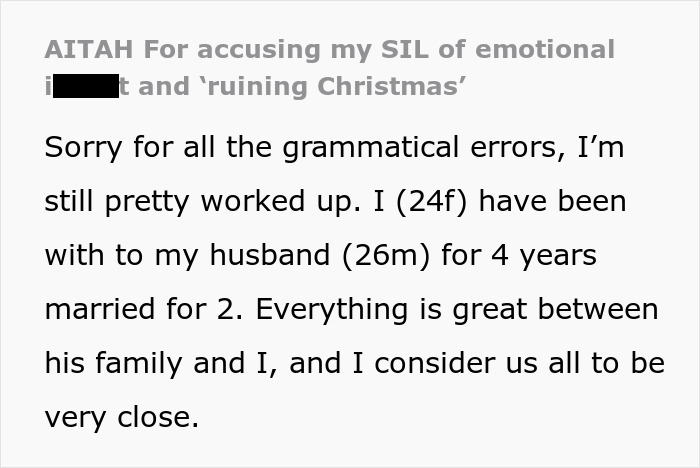




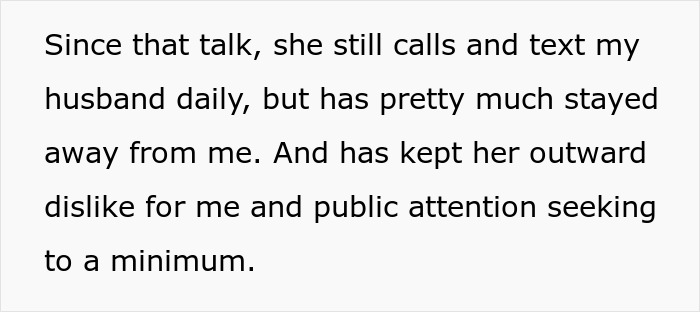







Image credits: africaimages / envato (not the actual photo)
In an update, she revealed that other family members had also suspected something dodgy


The woman later provided a lot more context about the SIL’s mental health struggles

Image credits: camilo jimenez / unsplash (not the actual photo)
How bipolar disorder can wreak havoc on relationships
Bipolar disorder is a mental health condition that can cause major mood fluctuations. It can also interfere with the person’s energy levels, thoughts, feelings, and behaviors, and spill over into their personal relationships.
Someone with bipolar might be very different from one day to the next, and this is due to the different episodes they go through.
During a manic episode, someone who isn’t getting effective treatment may become irritable. This could lead to a lot of disagreements with family, friends or even strangers. They could also engage in potentially harmful behavior like binge drinking, gambling, or overspending.
When someone is having a major depressive episode, they may communicate less, be tearful or sad, and lose interest in things they previously enjoyed. They might also show signs of feeling hopeless and pessimistic.
Then there are mixed episodes. “Sometimes, a person may have symptoms of mania or hypomania and depression at the same time,” explains verywellhealth.com. “This may be confusing or stressful for their partner, who may not know what kind of reaction to expect.”
Those with bipolar can also go through something called rapid cycling. This is when they experience at least four or more episodes of mania, hypomania, and depression within a single year.
It’s important to note that there are different types of bipolar disorder. The first is bipolar I. This is when someone experiences at least one episode of mania or elevated mood for at least one week. Typically, they’ll also experience depression for at least two weeks.
Those with bipolar II have had at least one major depressive episode and at least one hypomanic episode, which is a less intense form of mania.
There’s also something known as cyclothymic disorder. “This is a milder form of bipolar disorder involving many ‘mood swings.’ It is diagnosed when symptoms of depression and hypomania persist for at least two years but do not meet the criteria for a diagnosis of bipolar I or bipolar II,” the site reads.
Living with someone who has bipolar can be challenging — here’s how to cope
Image credits: Getty Images / unsplash (not the actual photo)
Experts warn that it’s important to take care of your own well-being if you have a family member, partner or close friend with bipolar disorder.
Self-care and coping skills are crucial. Make time to exercise, eat healthy, sleep well, and spend time with friends and family to help manage stress and keep your own mental health in check.
Boundaries are also important. Set boundaries with the person by letting them know what’s acceptable and what isn’t. For example, you won’t tolerate mistreatment (words or actions) and you won’t participate in unhealthy behaviors. Don’t forget to spell out consequences should a boundary be overstepped.
“Be gentle and compassionate toward yourself. Negative self-talk and blaming yourself are harmful to your self-esteem and mental health. Self-compassion has been shown to improve well-being,” adds verywellhealth.com.
The site notes that recurrent or extreme changes in mood can have a significant impact on those living with people who have bipolar disorder. The unpredictability can cause quite a lot of distress.
“Research indicates divorce rates are higher in couples in which one partner has the condition,” reveals the site.
Always remember you can seek professional help if things get too much. Reach out to a therapist or join a support group.
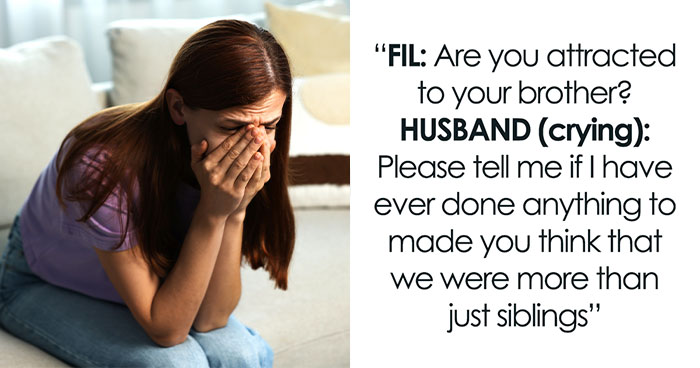
“Are you attracted to your brother?”: a full-on confrontation followed
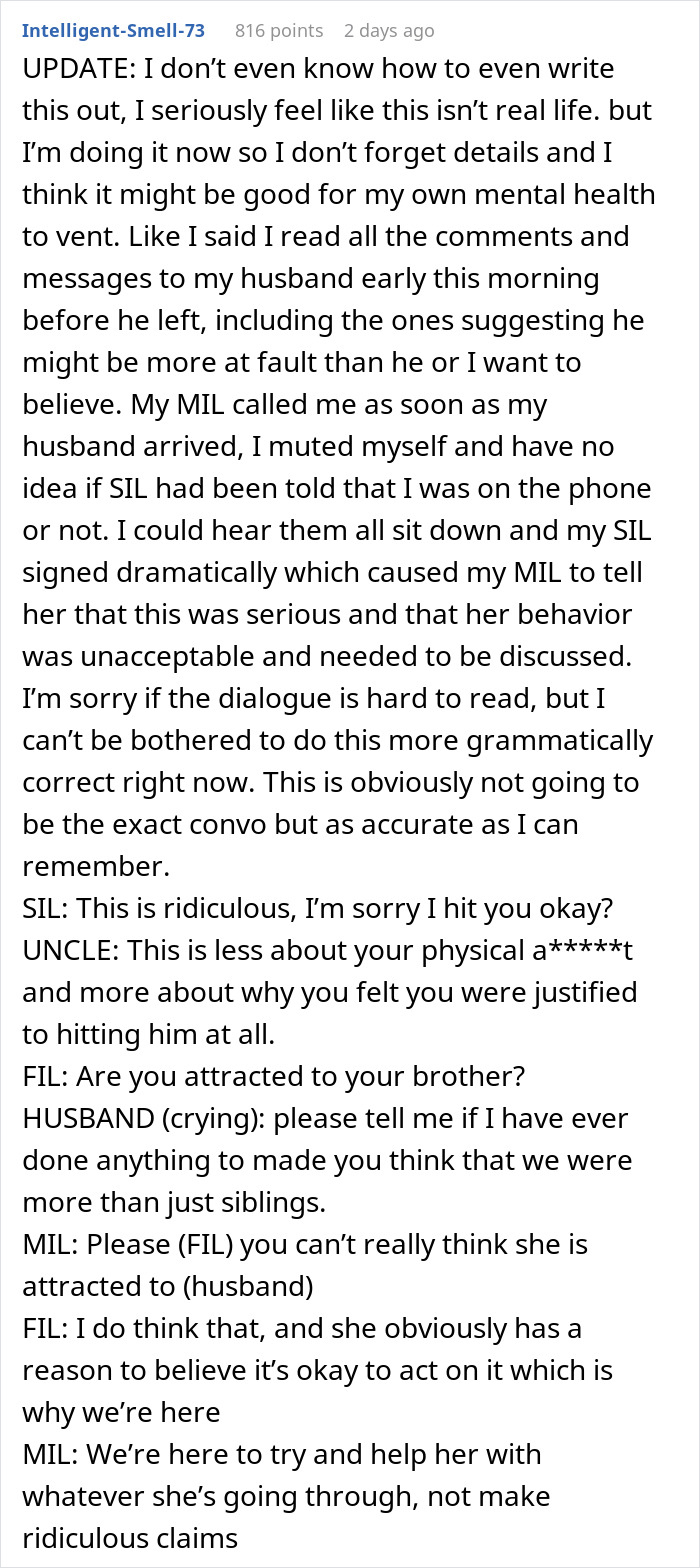
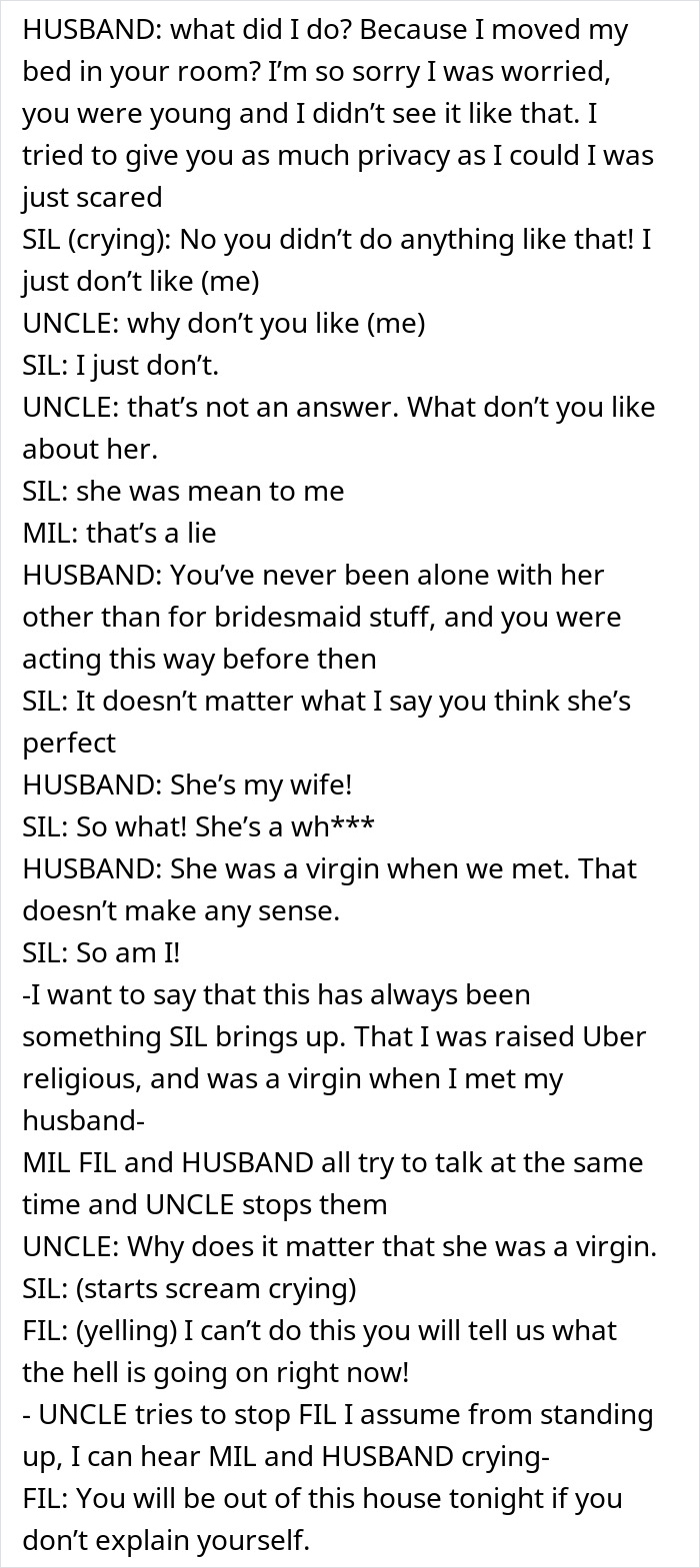
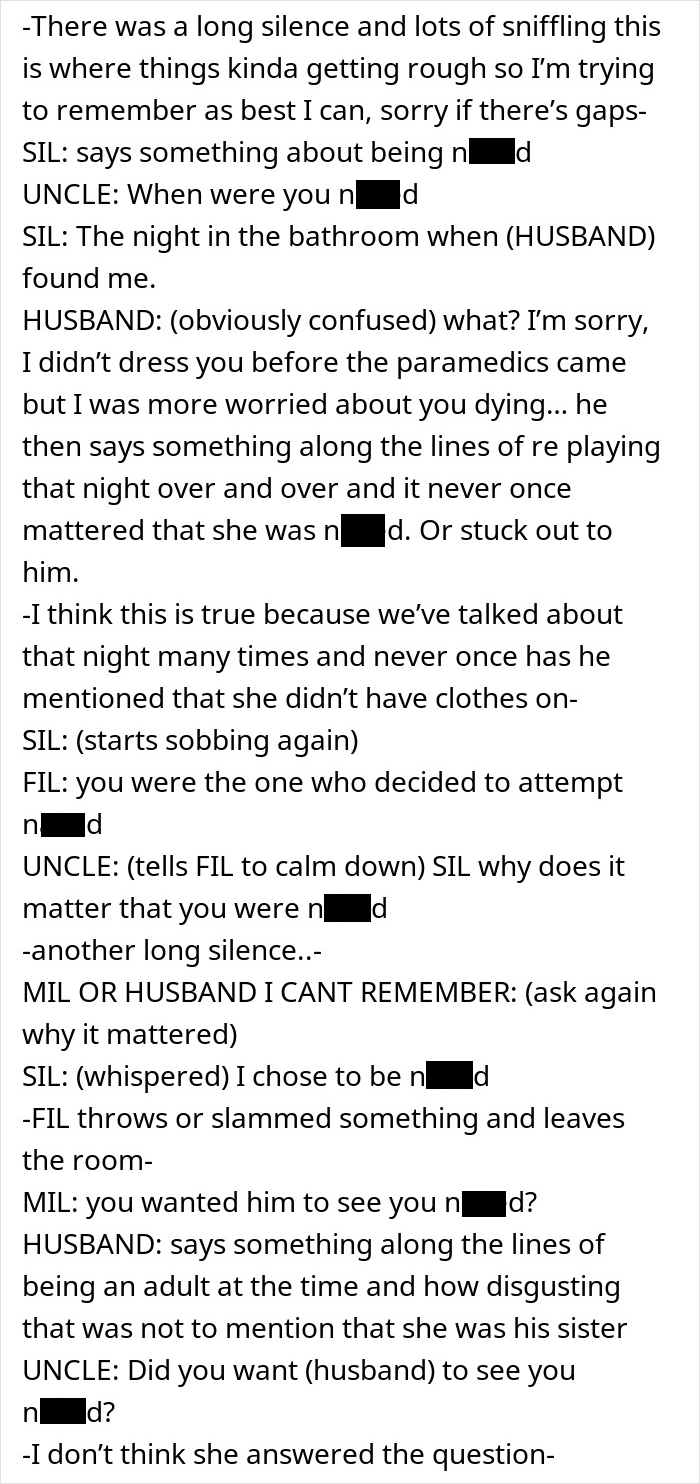

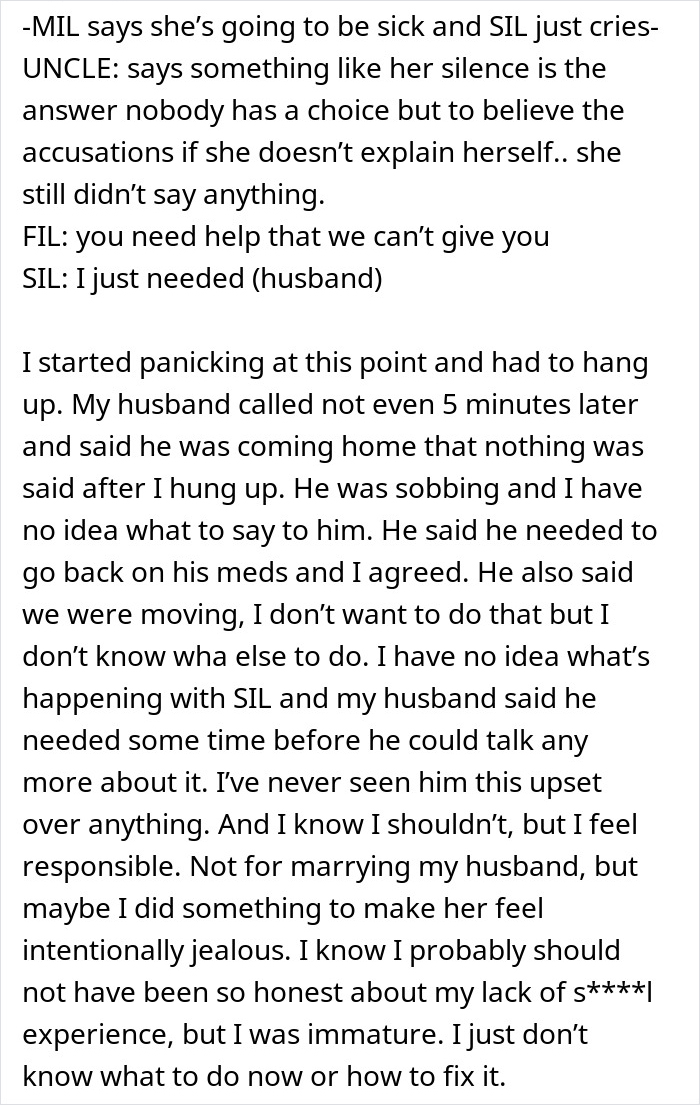
In a final update, the woman revealed that an ambulance had to be called
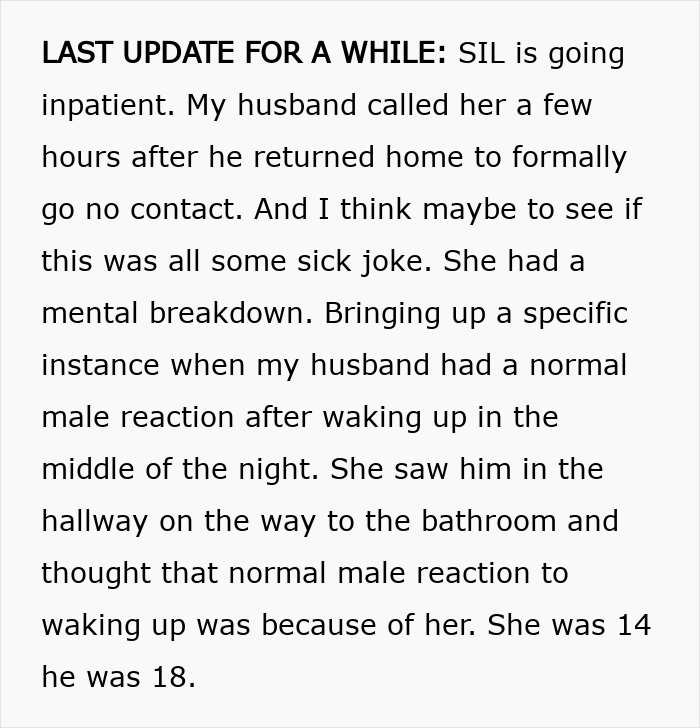
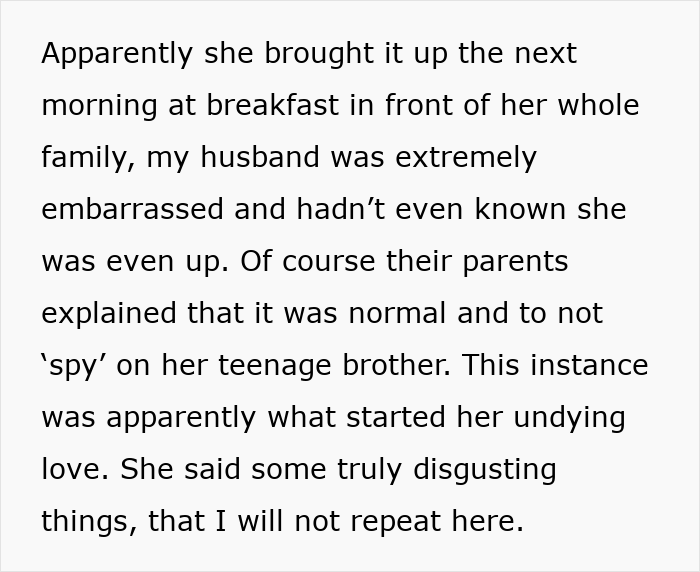
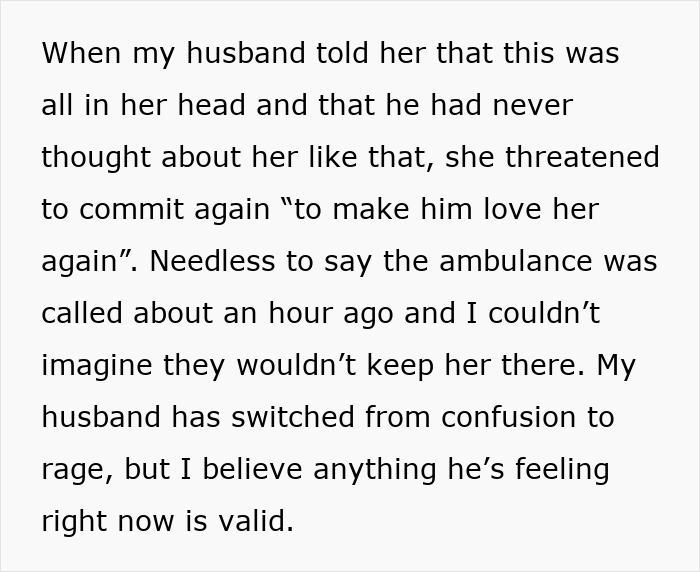
Image credits: Intelligent-Smell-73
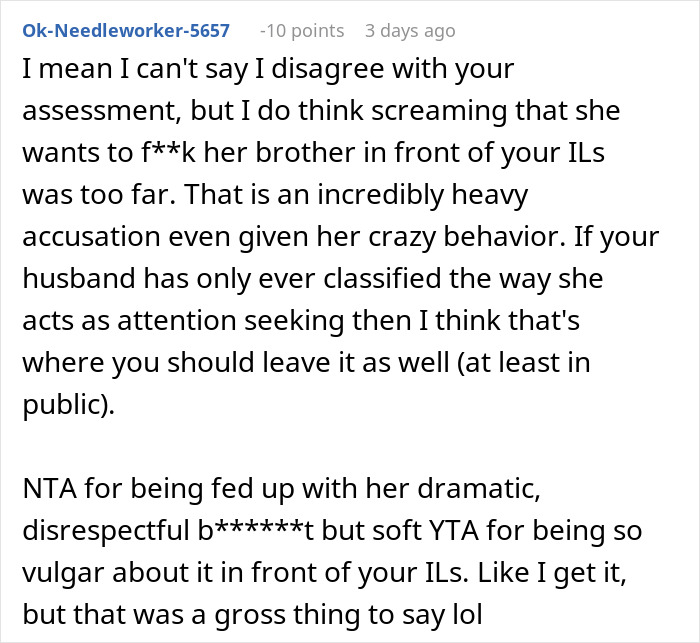
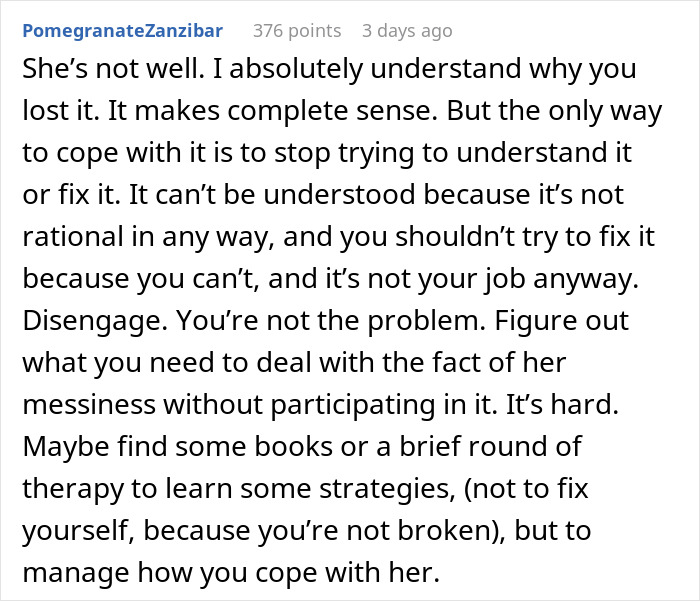
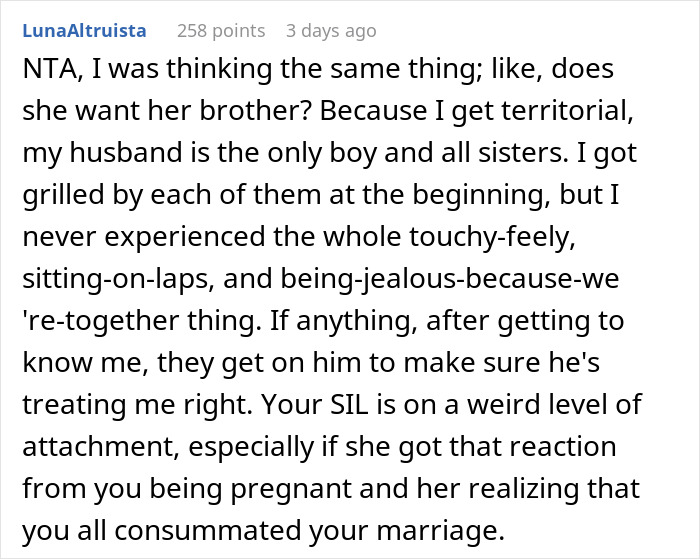
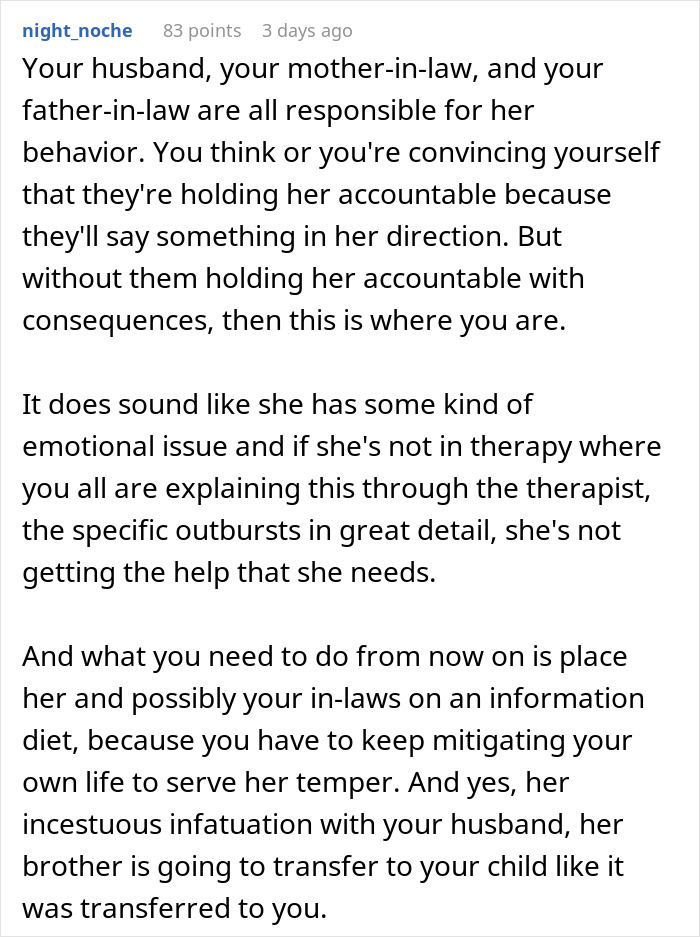
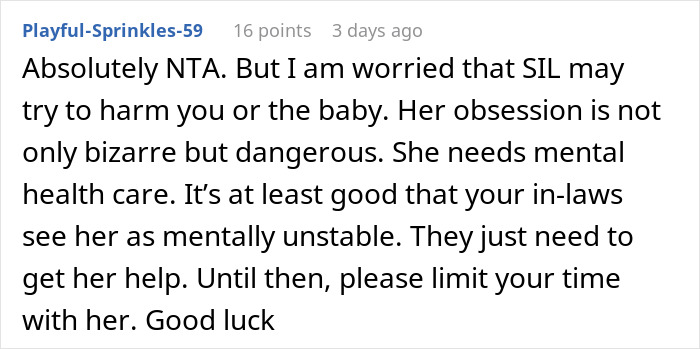
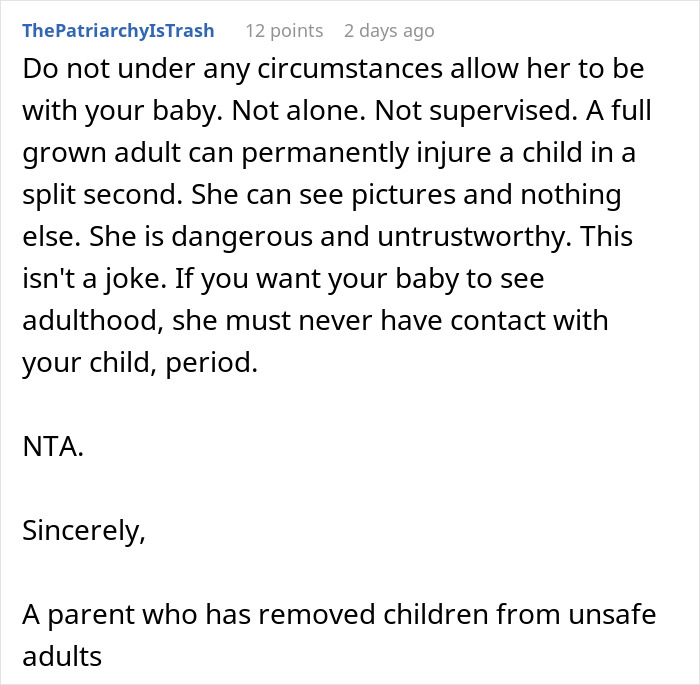
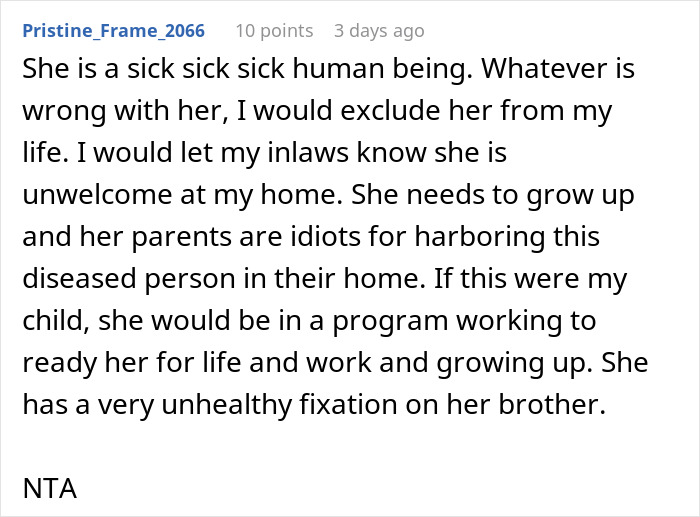
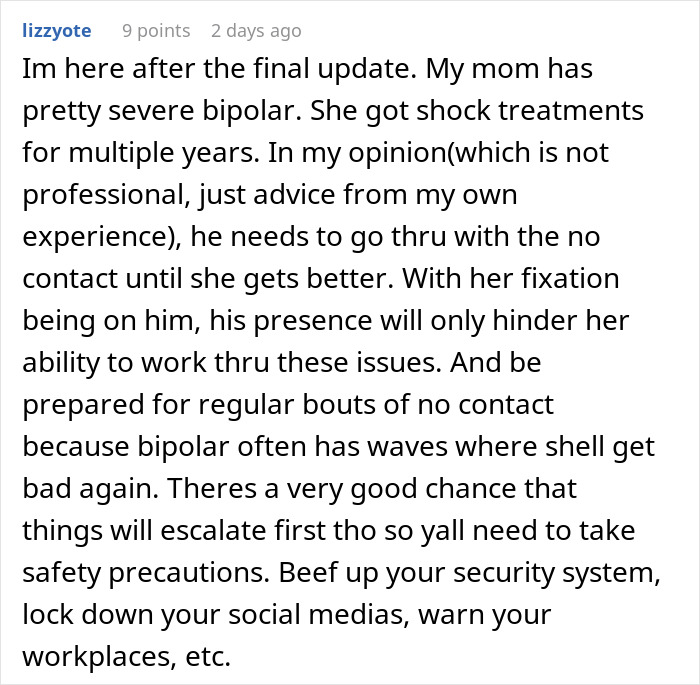
Many people took the wife’s side and felt she was justified
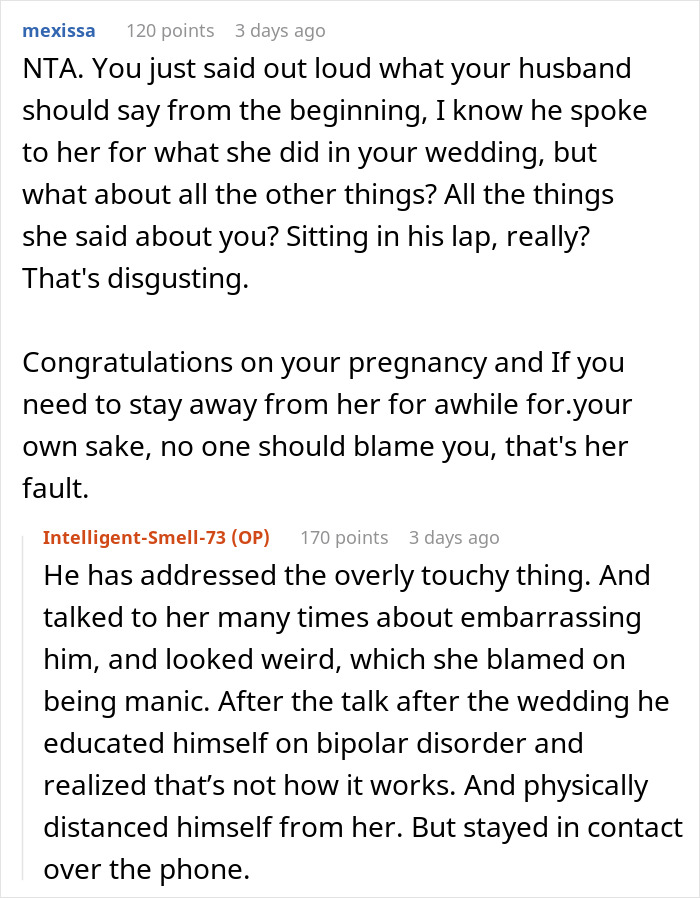
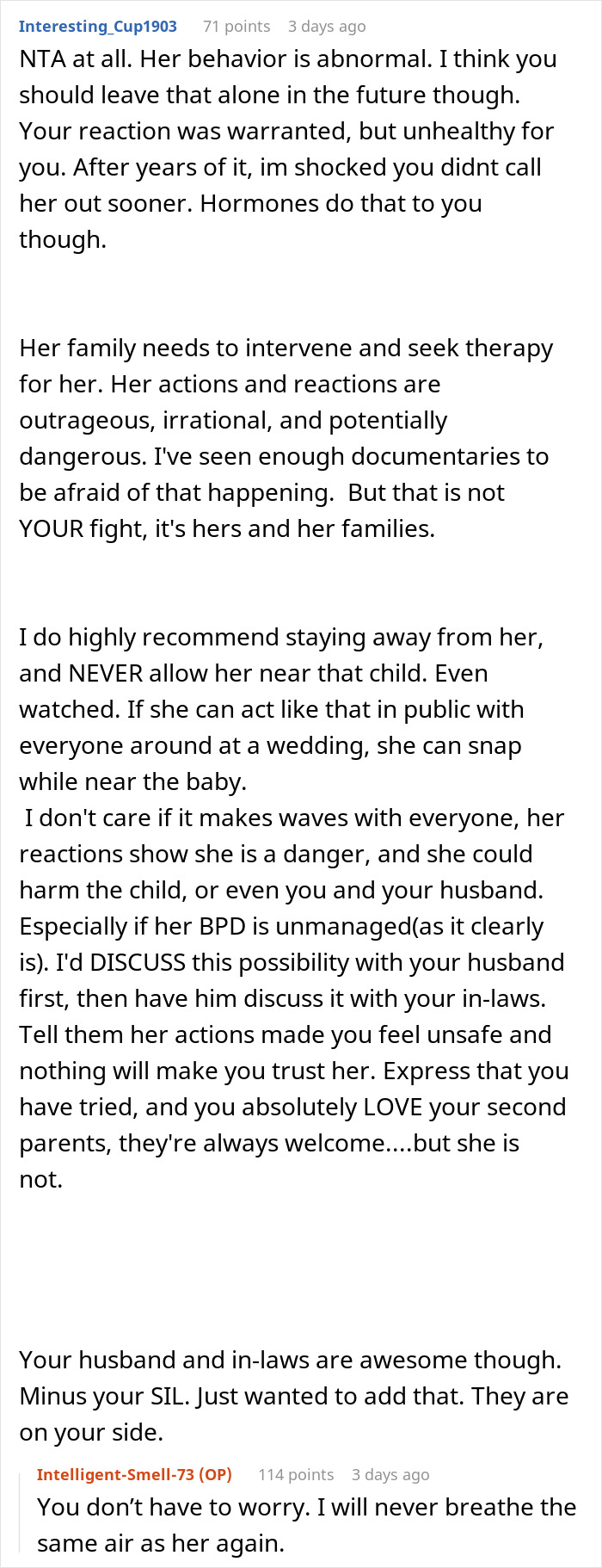
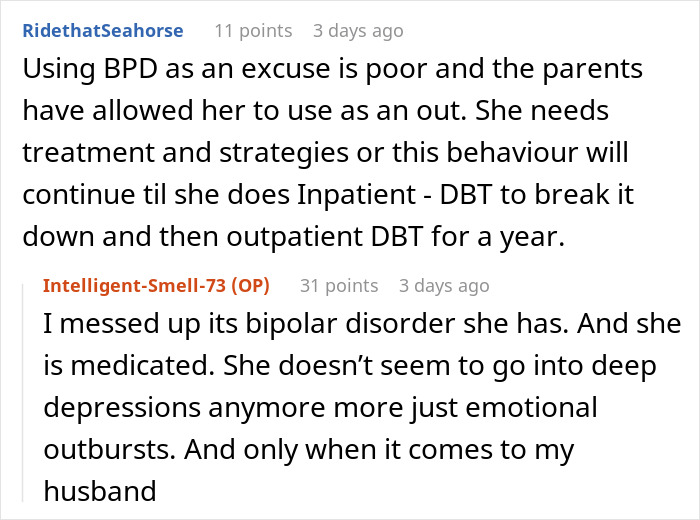



















But some felt she handled the situation horrendously