

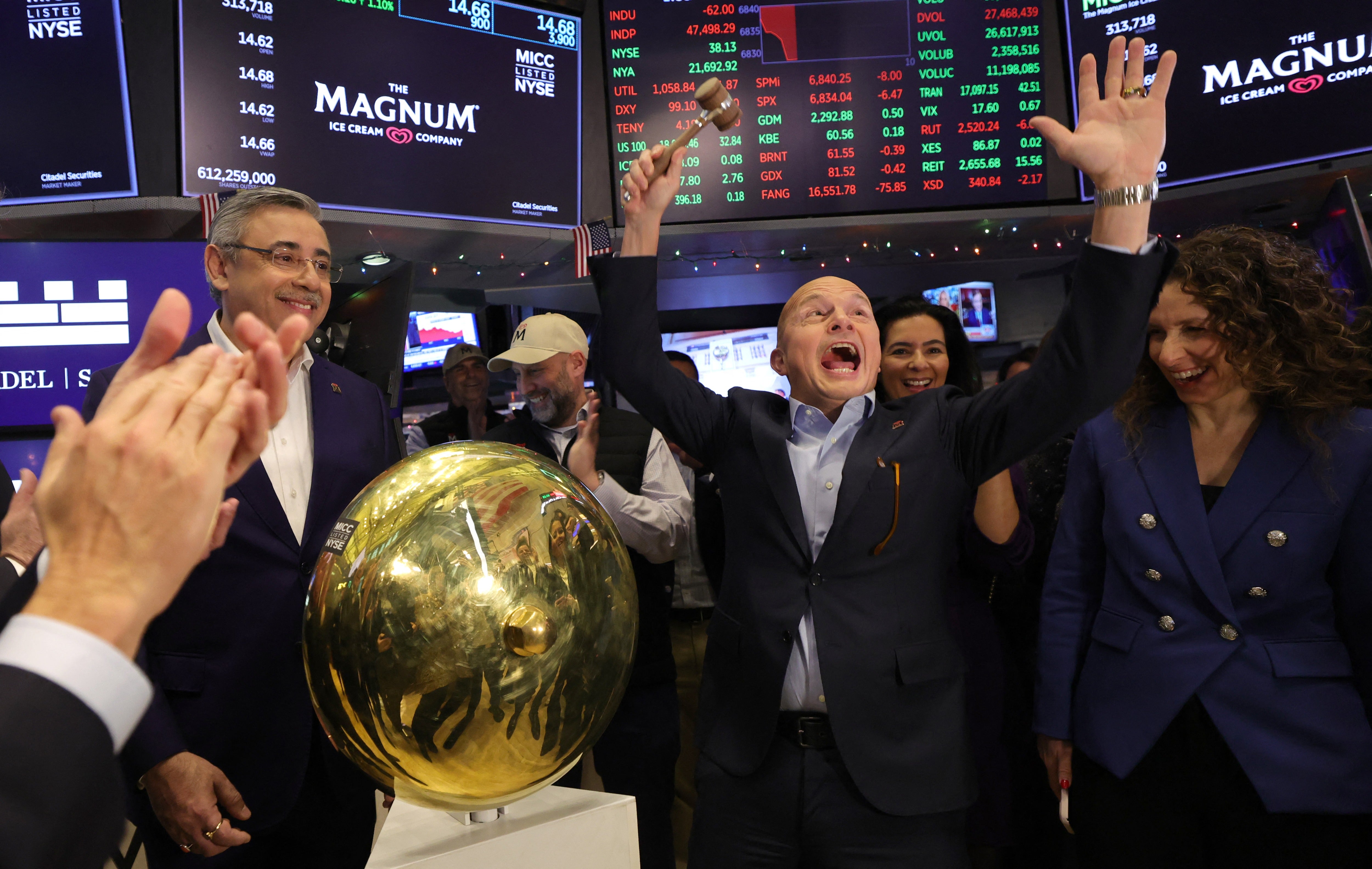
America created about 1,200 new millionaires every day last year as the wealth gap in the country grows.
Wealth management firm UBS recently published its Global Wealth Report, which found that the U.S. accounted for nearly half of newly created millionaires globally in 2025, with more than 440,000 people joining the ranks.
The top one percent of households held 31.6 percent of the wealth in the U.S. during the first fiscal quarter of the year, while the bottom 50 percent held just 2.5 percent, according to data from the Federal Reserve.
“Household wealth is highly concentrated and becoming steadily more concentrated,” Mark Zandi, chief economist at financial research company Moody’s Analytics, told CBS News in January.
Global personal wealth rose by 10.8 percent last year, according to the UBS report, with more than half of it concentrated in the U.S. and mainland China combined.
Elon Musk, a South African native who became a U.S. citizen in 2002, became the world’s first trillionaire last month when his rocket company, SpaceX, went public on Nasdaq. But his net worth dipped below the $1 trillion mark less than two weeks later after a sell-off in shares of SpaceX and his electric car company, Tesla.
President Donald Trump also made a pretty penny last year, raking in at least $2.2 billion, including about $1.4 billion in cryptocurrency earnings, according to his financial disclosure report released last month.
Meanwhile, everyday Americans are struggling to pay for necessities such as groceries and gas.
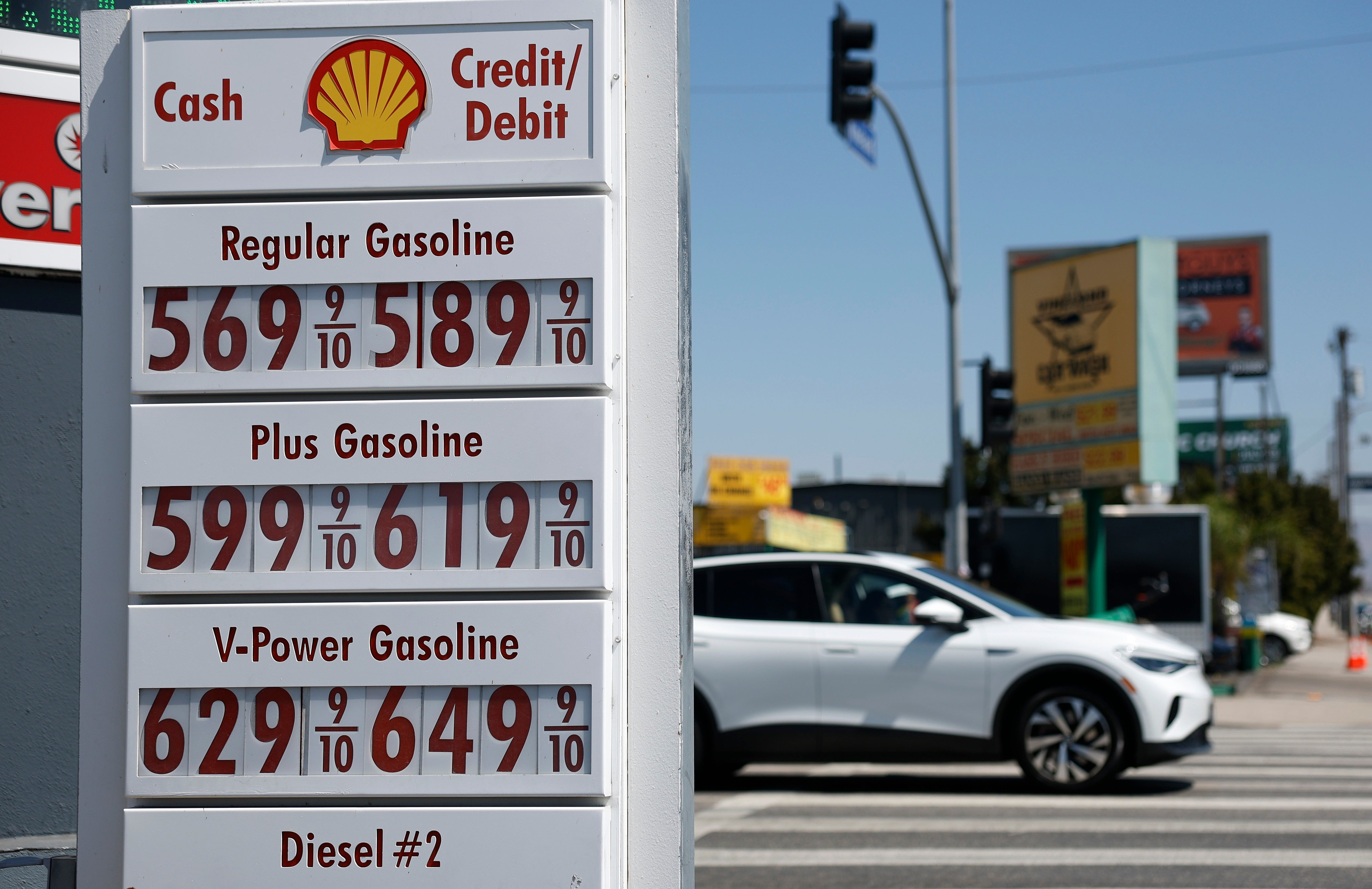
Inflation rose more than four percent in May from the year before, the highest since 2023.
The price of food increased by 3.1 percent and energy costs were up 23.5 percent year over year, according to the Consumer Price Index, which the government uses to track the cost of goods and services over time.
Most Americans believe wealth inequality is an issue, according to an Economist/YouGov poll from January.
Fifty-two percent of Americans think the gap between the rich and the poor is a very big problem, and 28 percent said it’s a somewhat big problem.
Another 14 percent said wealth inequality is a minor problem, and just six percent said it was not a problem.