Batman has featured in countless DC comics, and has earned his status as one of the most successful characters in fiction. At any given time, the hero features in anywhere from five to a dozen titles, ranging from his inclusion on the Justice League to his many miniseries. However, many of these stories, great as they may be, were held back by going a little too hard on fan service.
Fan service isn’t inherently a bad thing, and it can lead to some great moments that readers remember for years. However, it can also hurt the quality or pacing of the story itself, throwing off the tone, wasting good potential, or feeling needlessly shallow. Most Batman comics are worth the read, fan service or not, but so many stories could have been much better with more originality.
10 Batman Vs The Incredible Hulk
Len Wein, Jose Luis Garcia Lopez, & Dick Giordano
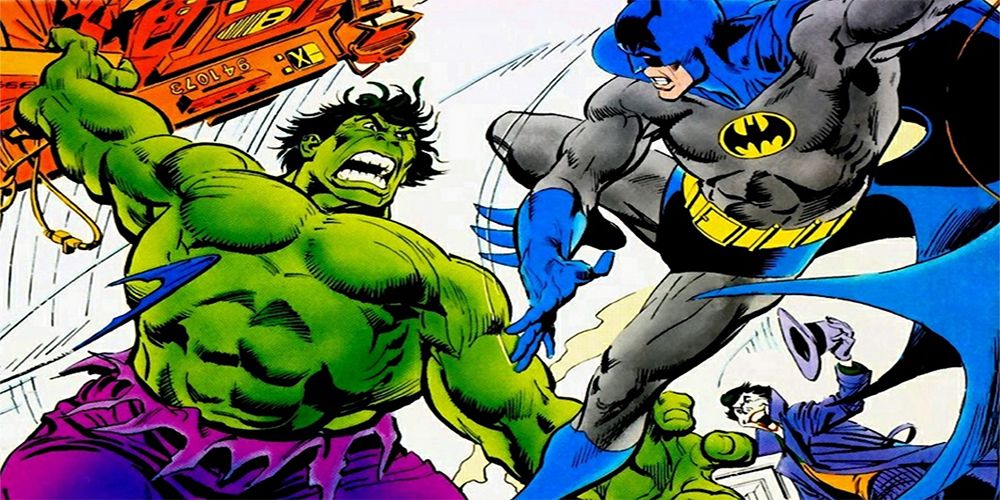
In the 1970s, Marvel and DC started to allow their heroes to crossover. While some of these were great, others made considerably less sense, namely the battle between Hulk and Batman. The story is a fun read with good use of both characters, but its titular battle was simply a bizarre match-up.
Batman vs the Incredible Hulk required Marvel’s green behemoth to be downplayed considerably in order to make his defeat at the hands of DC’s human vigilante work. Not only did it not make sense to see Batman win, it also wasted an opportunity to give either character a better, more fitting grudge match.
9 The Brave And The Bold
Bob Haney, Robert Kanigher, Neal Adams, Dick Giordano & More
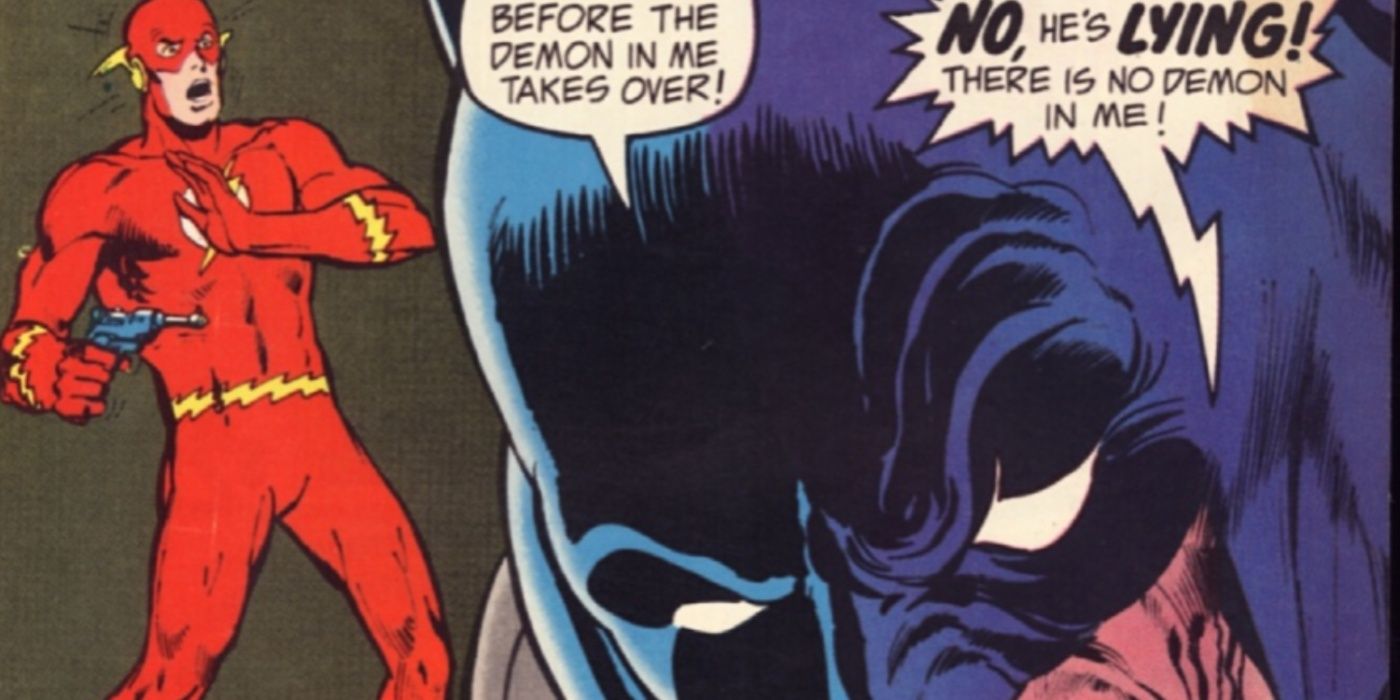
The Brave and the Bold gained prominence in the eyes of fans as being the place where some of the greatest or most obscure heroes in DC would team up. The combinations included the likes of Green Arrow meeting Martian Manhunter or Starman teaming with Black Canary.
However, with the success of Batman towards the end of the Silver Age, aided by the love of Adam West’s Batman TV series, The Brave and the Bold just became a Batman team-up series. It was probably the best thing for the book’s sales, and likely saved the title from the DC Implosion, but readers lost so many great non-Batman team-ups.
8 Batman Failsafe
Chip Zdarsky & Jorge Jimenez
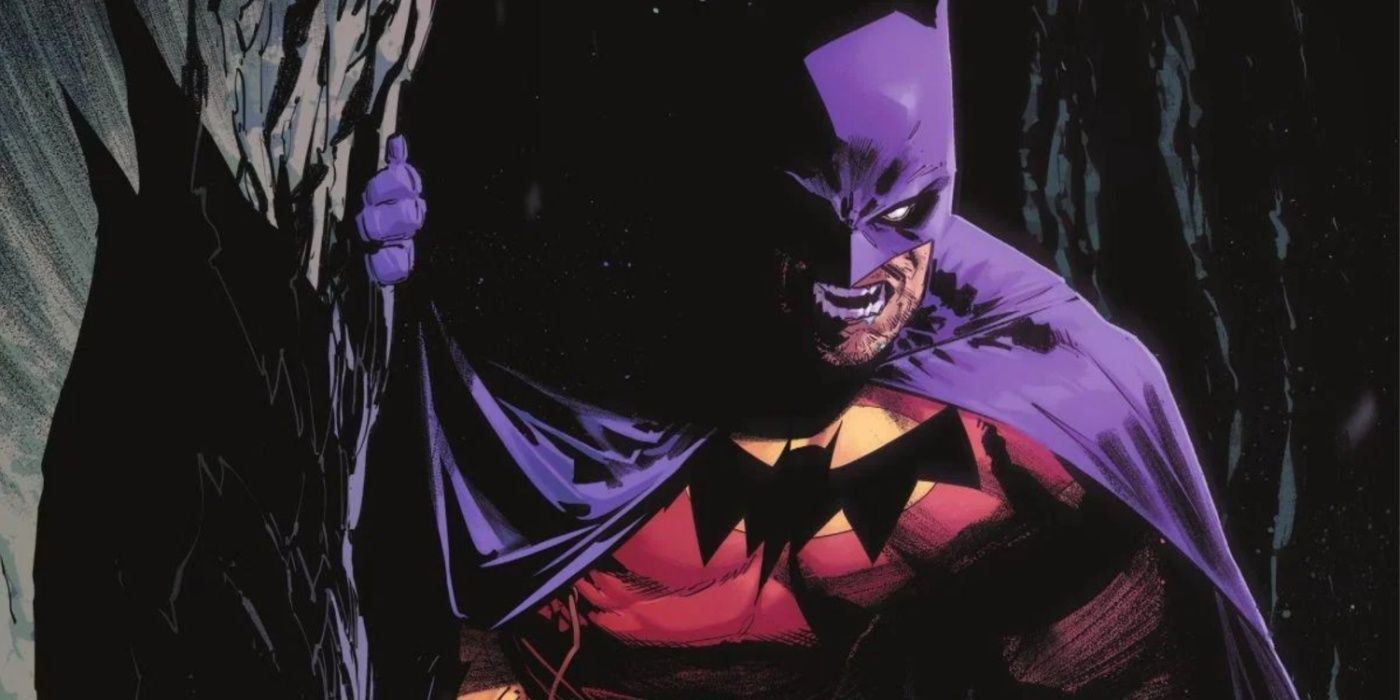
Chip Zdarsky’s first story for his run on Batman was the “Failsafe” arc, which revisited the idea of the hero’s many contingency plans by revealing his strategy to neutralize himself. From the beginning, the story was nostalgia-bait for fans of early 2000s Batman, likely meant to rekindle interest in the character.
Zdarsky’s story was fun, but it felt a lot more like revisiting prior ideas, like Zur-en-Arrh and “Tower of Babel,” rather than what should have been an original first impression. For many, Zdarsky’s run “jumped the shark” before it even got going, with Batman miraculously surviving a fall to Earth from space.
7 Batman & Joker: Deadly Duo
Marc Silvestri
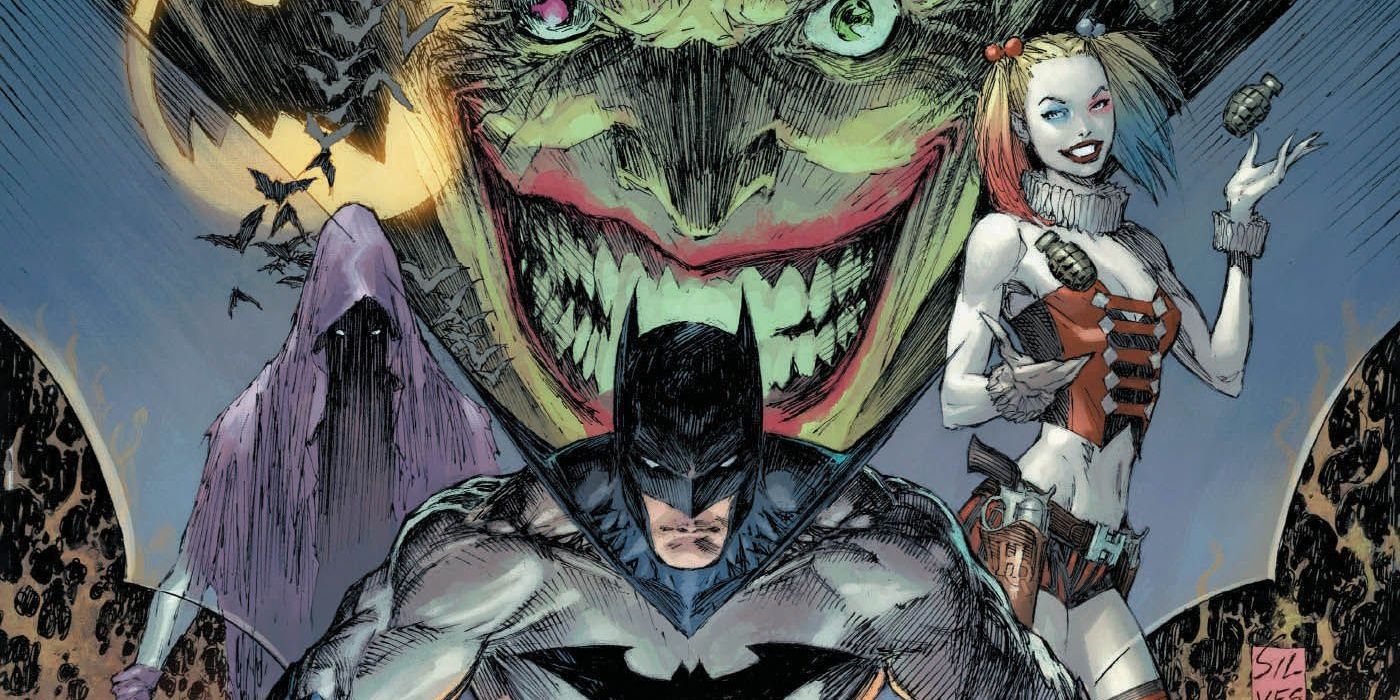
Marc Silvestri’s long-awaited Batman/Joker team-up series, Deadly Duo, quickly became one of the biggest hits of 2022, thanks to a combination of great art and an excellent story. The story followed the unlikely team-up when a villain kidnapped Harley and Jim Gordon, prompting the two enemies to pool resources.
The story is a fun idea, and Silvestri’s execution is fantastic. However, it also hyped up the idea of Batman and Joker’s “frenemy” status, as previous stories like Batman: Europa have done. This does make for a fun story, but it only further entrenches the idea that the hero’s worst enemy can be turned into his ally at the drop of a hat and diminishes the threat of Joker.
6 Batman/Hellboy/Starman
James Robinson & Mike Mignola
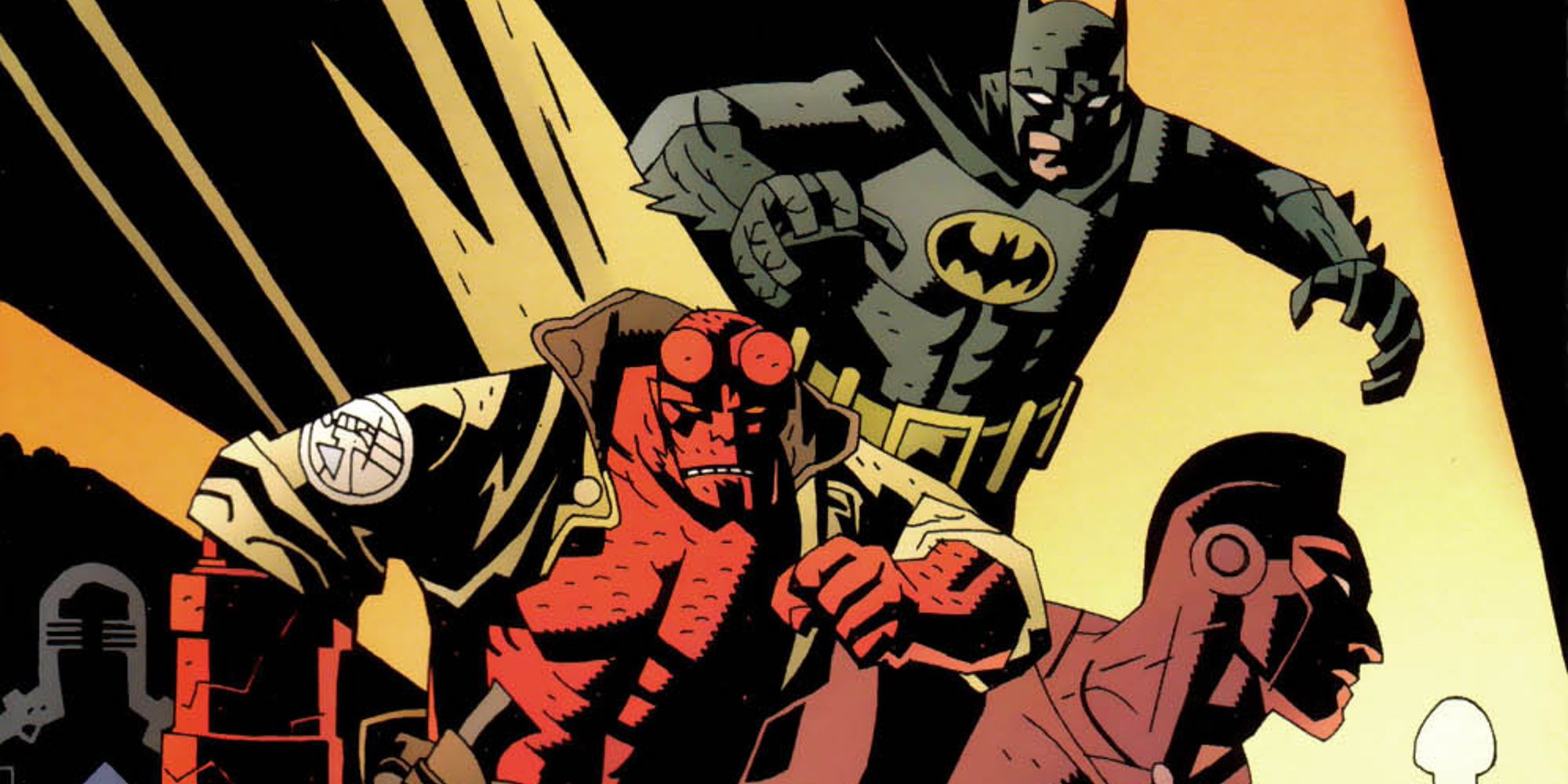
Batman/Hellboy/Starman ranks among the greatest of the Dark Horse/DC crossovers. The miniseries follows the arrival of Hellboy in Gotham after a band of mystical Nazis kidnaps the original Starman, Ted Knight, in hopes of using him to summon an ancient monster. Where the first issue saw Batman team with Hellboy, he was actually absent for most of #2, leaving it to Jack Knight and Hellboy to stop the Nazis.
Read Related Also: Vivek Ramaswamy Says Claims He Is Anti-Israel Are ‘Dead Wrong’ in Republican Jewish Coalition Speech – RedState
It’s completely understandable that Batman would be used to help up-sell two relatively niche superheroes, but it would have worked much better as a story without him. Simply allowing Hellboy and Jack Knight to team up for two issues, rather than dividing the book’s attention, would have made for a better story.
5 Batman: The Last Knight On Earth
Scott Snyder & Greg Capullo
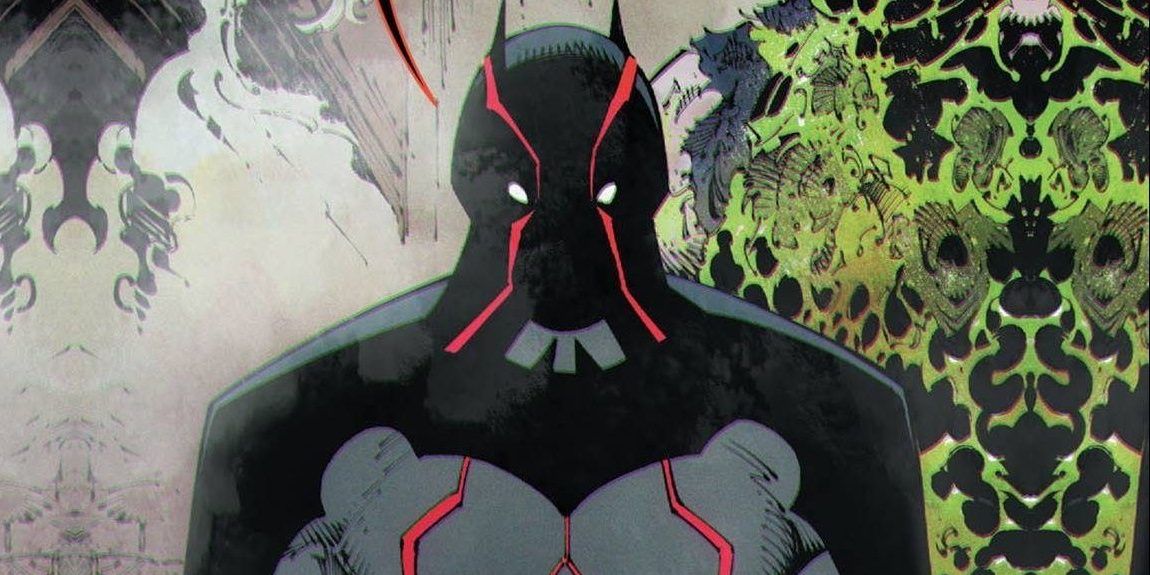
The Last Knight On Earth was created to serve as a spiritual conclusion to Scott Snyder and Greg Capullo’s New 52 Batman run, where it was revealed the hero used clones to continue his legacy into the future. After one such clone awakened in the post-apocalypse, he set out to learn why the world fell, with the disembodied head of Joker along for the ride.
The need to basically make the story a reconciliation between Batman and Joker basically downplayed the hero’s rogues gallery, reducing them all to mere drones. There was no reason Batman would be warm to Joker, especially to the point of letting him become Robin, considering Joker’s history. It was a fantastic comic, but a few aspects felt very much out of place.
Scott Snyder & Greg Capullo
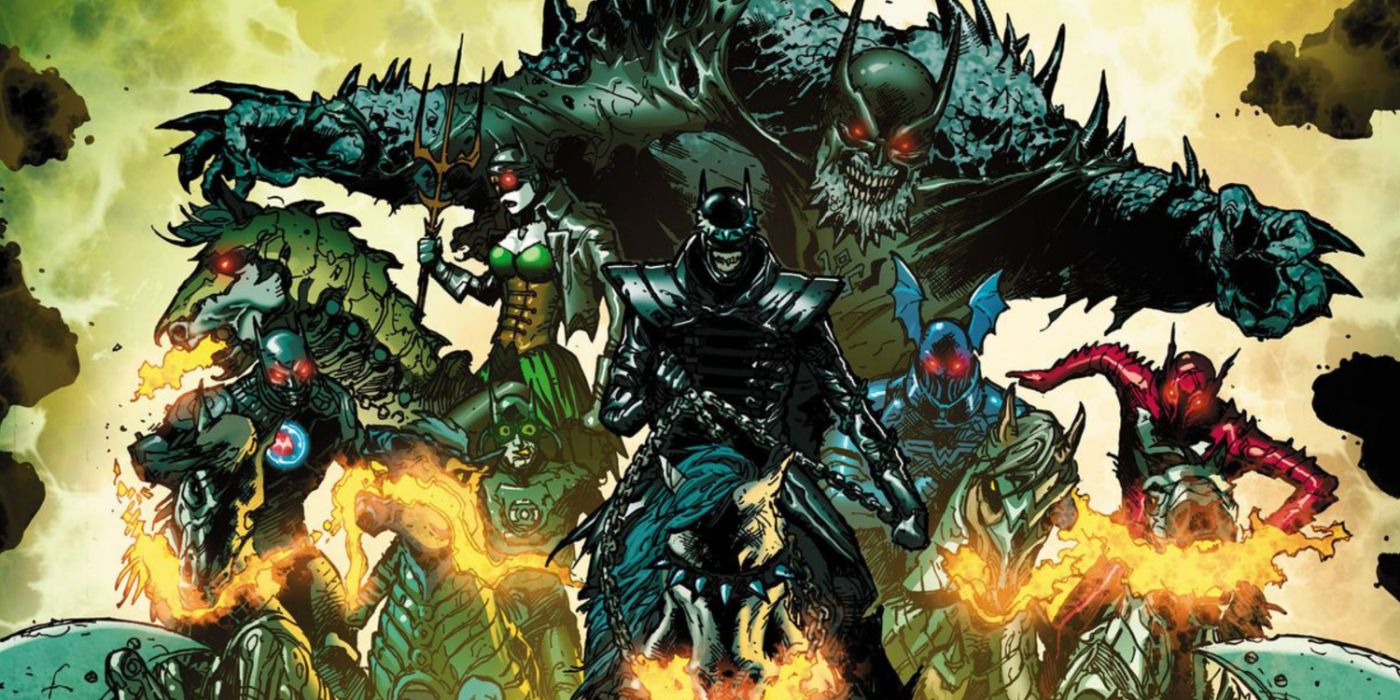
Dark Nights Metal was the first major DC event in the aftermath of Rebirth, and it started out incredibly well, heralding the threat posed by Barbatos and his nightmare Batmen. However, the heavy-handed fan service began almost immediately as the Batman Who Laughs came to dominate the event.
What could have been a fuller exploration of the Dark Multiverse instead just became a showcase of how awesome Batman was in every alternate Earth. There was no chance to see dark variants of the various heroes, and the series hyped up the idea of the endlessly, super-competent hero.
3 The Dark Knight Returns
Frank Miller & Klaus Janson
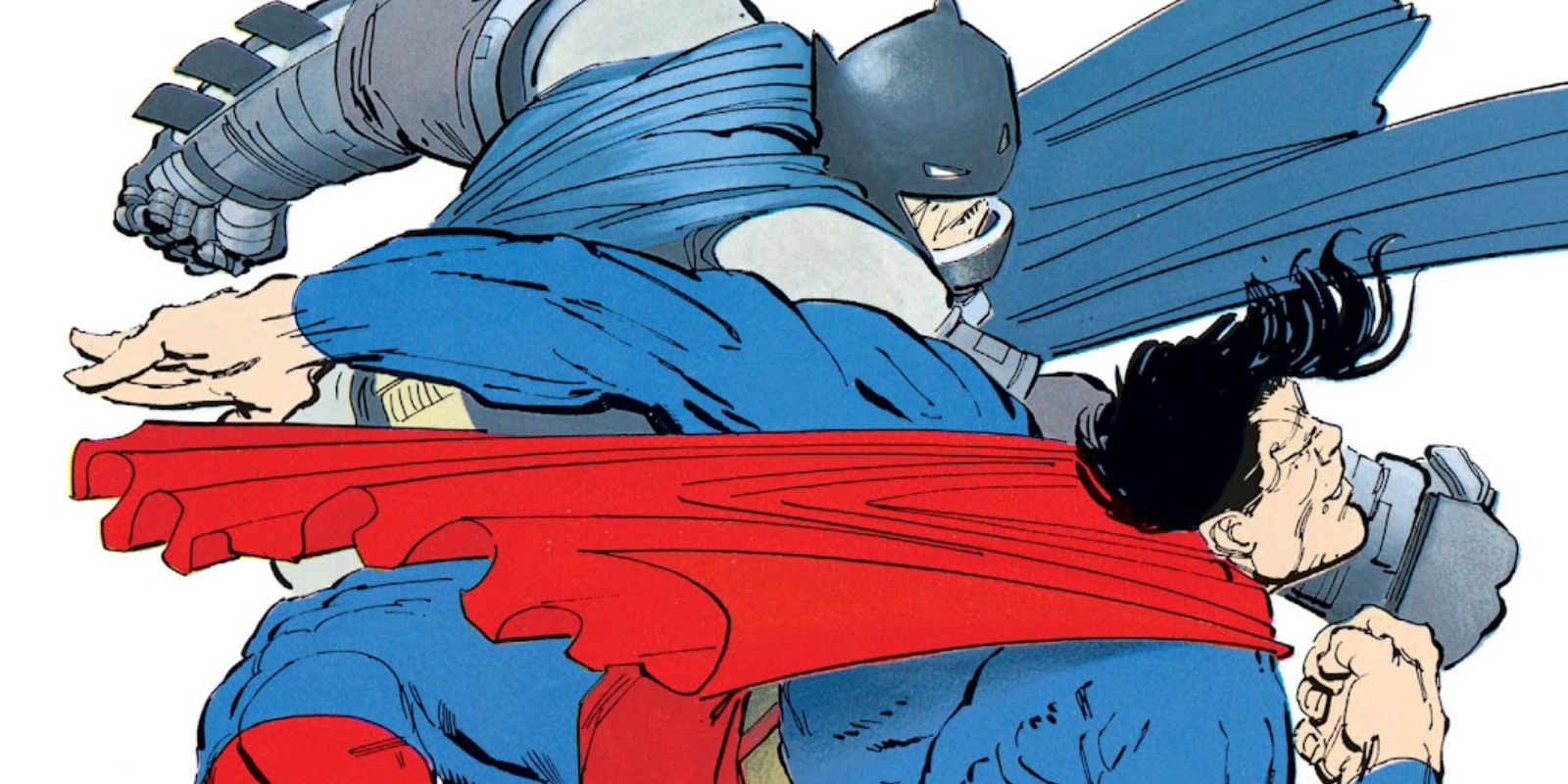
Frank Miller and Klaus Janson’s Dark Knight Returns remains the definitive take on the hero, which many writers still use as their guide on fleshing out Bruce Wayne. The story showed the triumphant return of a retired Bruce Wayne as he stepped back into the cape and cowl when Gotham’s crime wave reached breaking point.
The story’s shaky fan service didn’t actually come so much from Batman but rather how Superman was written to hype up Bruce’s finale. The Man of Steel was reimagined as a government lackey who was a dutiful and willing weapon of the United States – and he was easily defeated by Batman.
2 Batman: Hush
Jeph Loeb & Jim Lee
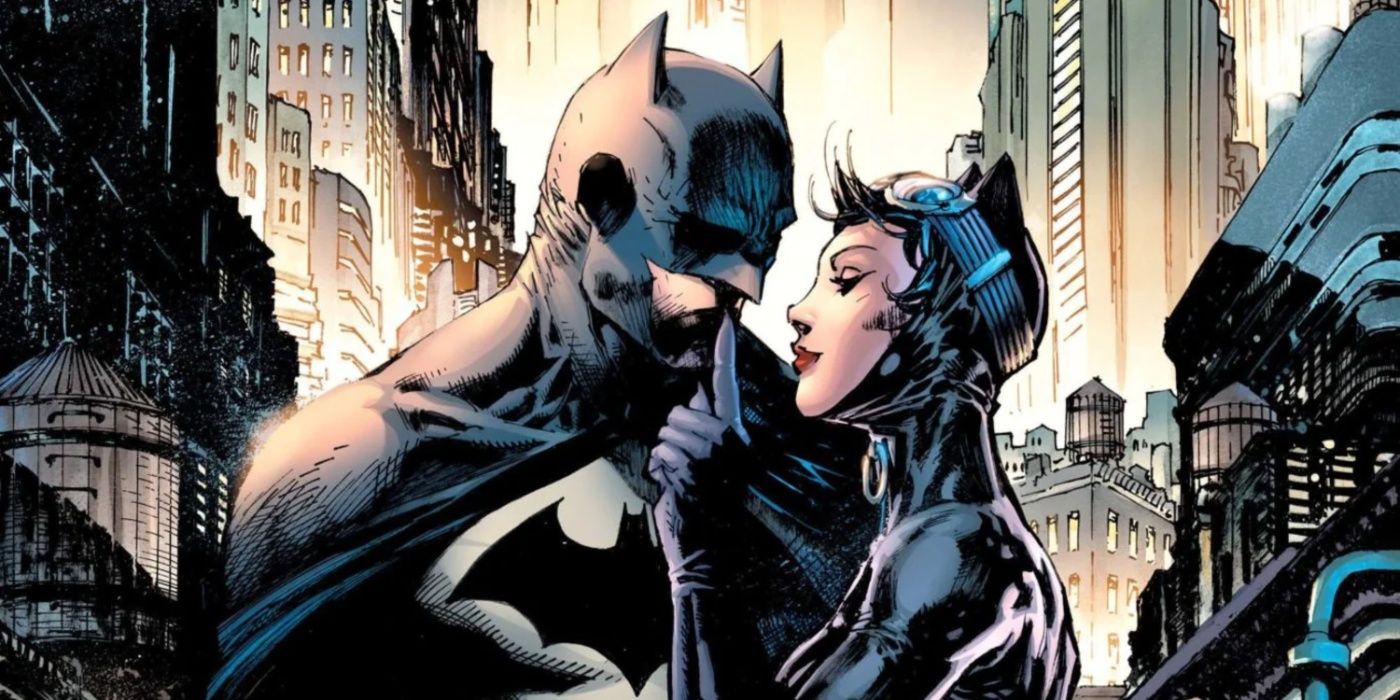
Twenty years after its conclusion, Hush remains one of the greatest modern Batman stories. It told the story of the arrival of a new villain, Hush, later revealed to have a connection to Bruce’s past. The story was excellent, but it also felt like too much of Gotham and Batman’s lore was crammed in to ensure the story worked as a jumping on point.
Although the story made good use of Riddler as the brains behind the story, even this wound up detracting from the value of Hush as a villain, who should have been allowed to stand on his own two feet. The art and story work as a great saga, but it certainly could have used some restraint at times.
1 DKR III: The Master Race
Frank Miller & Andy Kubert
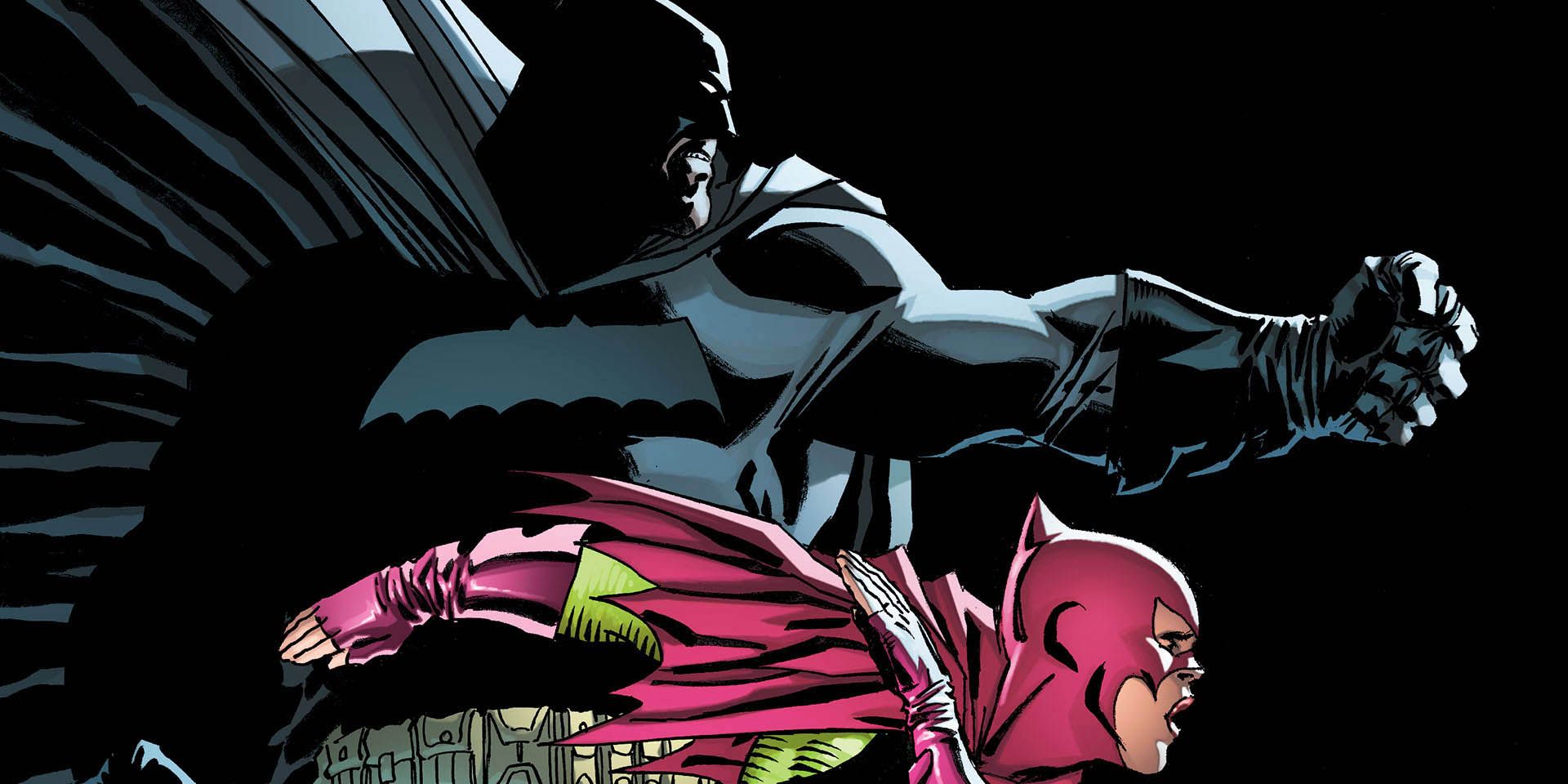
DKR III: The Master Race is, without a doubt, the best of all the continuations of Frank Miller and Klaus Janson’s iconic Dark Knight Returns. Picking up in a broken future after the first two stories, it sees Bruce return seemingly from the dead for one last ride (again), this time against the fanatical Kryptonians of Kandor.
The Master Race is a fun series, but it has a tendency to revisit old threads from the original miniseries. There was nothing wrong with this as a story, and it did help address many of the issues people had with Miller’s take on the hero. However, the whole thing felt more like a much needed course correction than it did a fresh, from-the-heart story.