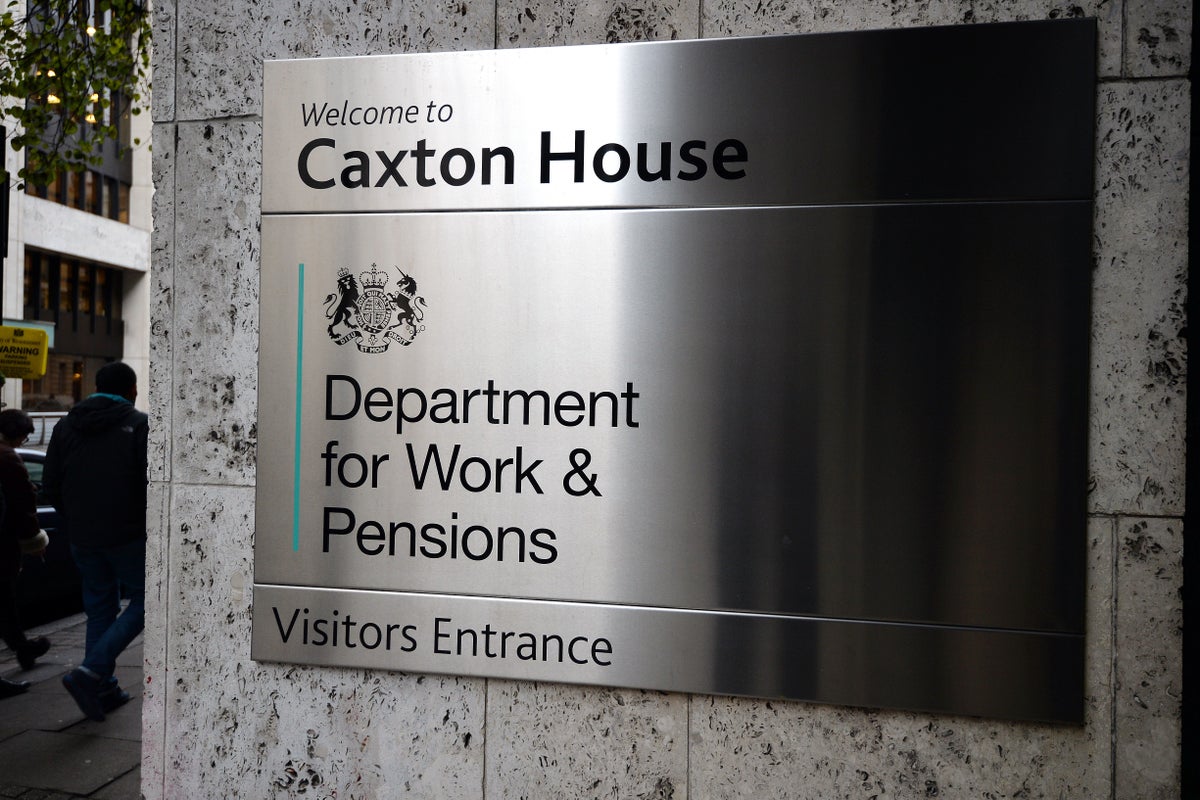
Labour has been urged to ensure its ongoing review of the Personal Independence Payment (PIP) properly engages with disabled people after it halted cuts to the benefit last year.
The health and disability benefit was at the heart of Labour’s plans to axe welfare spending last year, when proposals to tweak its assessment criteria to effectively make it harder to claim were met with fierce opposition from campaign groups and politicians.
Currently claimed by 3.8 million people, PIP is designed to help with extra costs incurred by living with an illness or disability.
Ministers backed down on the plans in late June after over 100 Labour MPs threatened to vote against the government on the measures. The concession – and review – was announced by Sir Stephen Timms in the middle of the debate on the legislation.
The disability and social security minister is now chairing the review, which the Department for Work and Pensions (DWP) has pledged will be ‘co-produced’ with disabled people, addressing one of the key criticisms made against the government’s original plans.

But a group of over 50 charities and disabled people’s organisations has now urged Sir Stephen deliver “clarity” to disabled people about how this will work in practice, more than half a year after the review was established.
In a recent update, the Timms review co-chairs confirmed that a steering group of 12 members had been appointed, out of 340 applications, to oversee the work.
The open letter, convened by Turn2us and Z2K, welcomes the development, but adds: “no group of people on its own can fully reflect the experiences of all disabled people receiving PIP. It will therefore be critical to ensure that the Review engages widely and effectively with a wide range of people who receive this benefit.”
The 52 signatories, which include Trussell, Mind, and the New Economics Foundation, write: “We feel it is crucial that your forthcoming programme of engagement prioritises engaging with people who receive both PIP and means-tested benefits.
“While around one in five people who receive PIP are employed, most PIP claimants also receive means-tested out-of-work benefits. More broadly, 28 per cent of disabled people live in poverty. This group will be particularly affected by any changes to PIP that arise from the Review – especially those who receive the health element of universal credit, which will be linked to PIP under the reformed system.”
“The lack of clarity about what this engagement will look like is causing concern for some disabled people in this group.”
The letter includes the perspective of a PIP claimant named Roxie, a member of Z2K’s disability benefits expert by experience group, who said: “For people like me, PIP is not an abstract policy issue. It is what keeps us safe, housed, warm, and able to cope.
“When a process is presented as fair, transparent and grounded in lived experience, but I cannot see people who rely on PIP to survive reflected at steering level, it creates a deep unease.”
The signatories have called on Sir Stephen and the DWP to ensure that disabled people who rely on PIP are prioritised during the review, as well as publishing documents like agendas, minutes and reports that are presented to the steering group to ensure maximum transparency.
Rose Grayston, interim director of policy & engagement at Z2K, said: “The Timms Review will only succeed if it earns the trust of all the people it directly affects. That means transparency and power sharing, and engaging with disabled people living in poverty who will be most impacted by the Review’s changes. For them, PIP is the difference between stability and crisis.”
A DWP spokesperson said: “We welcome the recognition that disabled people’s voices are central to the Review.
“The steering group has now started to meet and is developing and agreeing a wider programme of engagement as a priority.
“The Review’s co-chairs are providing regular updates on the Review’s progress on GOV.UK, where we will set out plans for wider engagement.”
The full text of the open letter can be found here.