The Dow Jones Industrial Average plunged 528 points when markets opened Monday as the Iran war roils the U.S. economy.
The decline punctuates big losses in the financial market over the past five weeks. Since eclipsing 50,000 in early February, the Dow was down around 3,000 points at Monday’s opening bell.
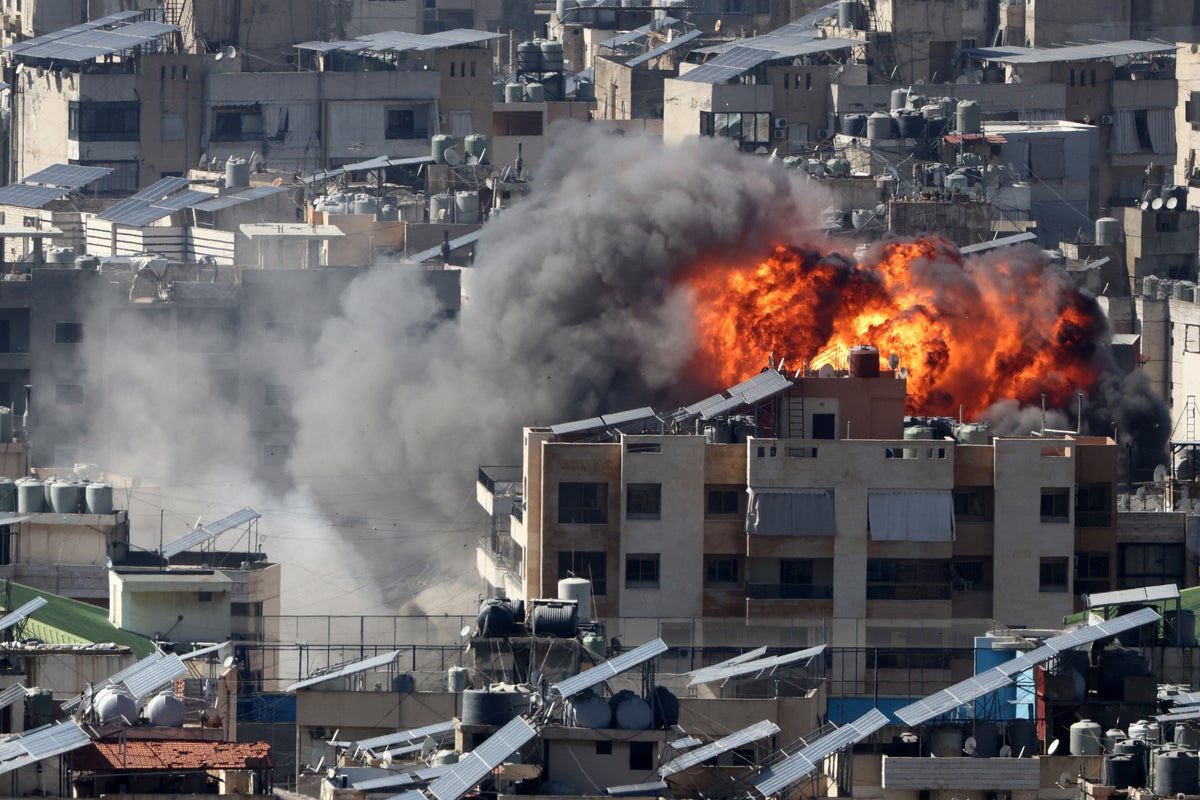
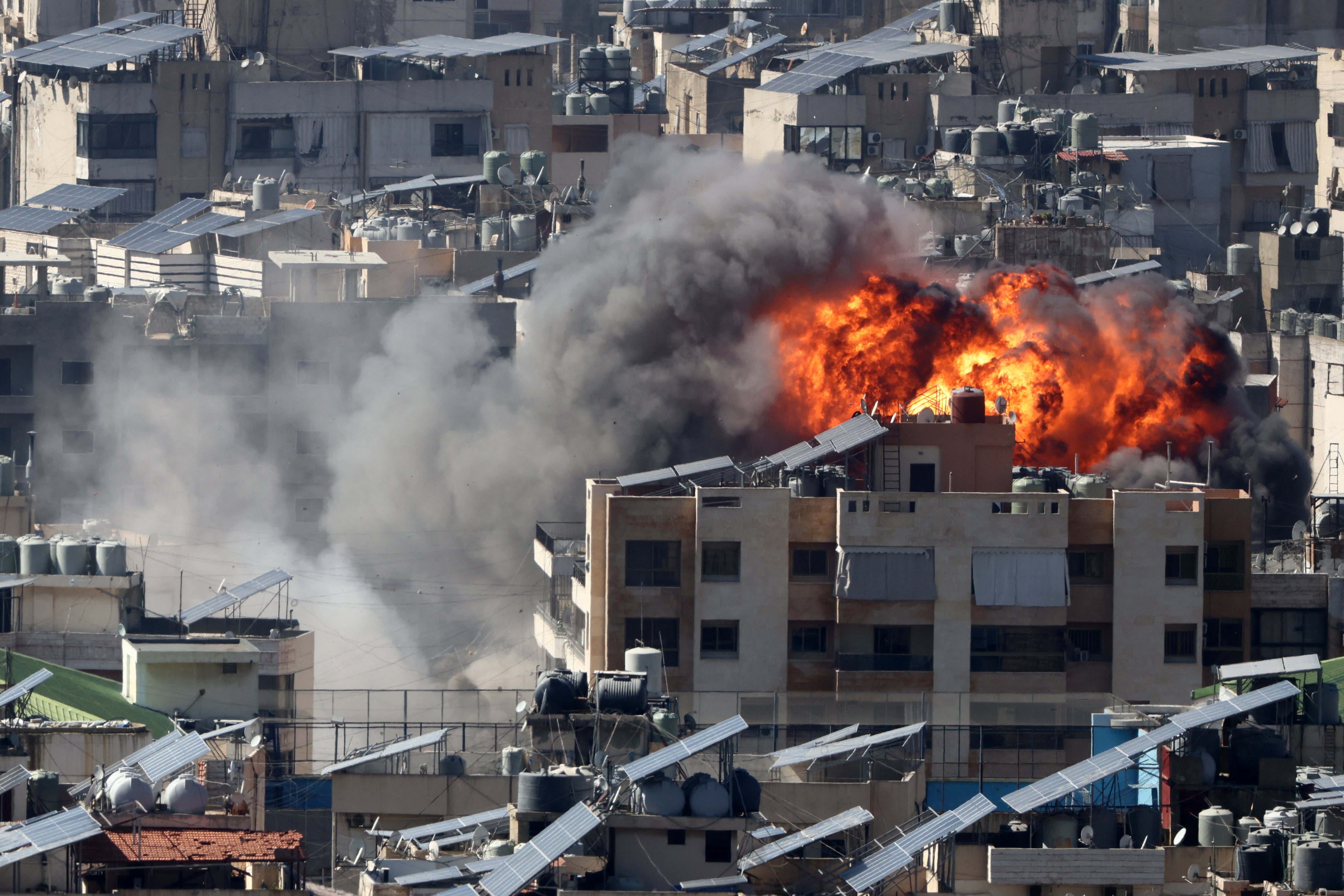
The drop comes amid the fallout of the ongoing U.S. attack on Iran that started February 28. The conflict has slowed shipping in the Strait of Hormuz, pushing oil prices past $100 Sunday for the first time in more than three years.
As oil prices have increased, the cost of an average gallon of gas in the U.S. has jumped 50 cents per gallon since February 26, according to motor club AAA.
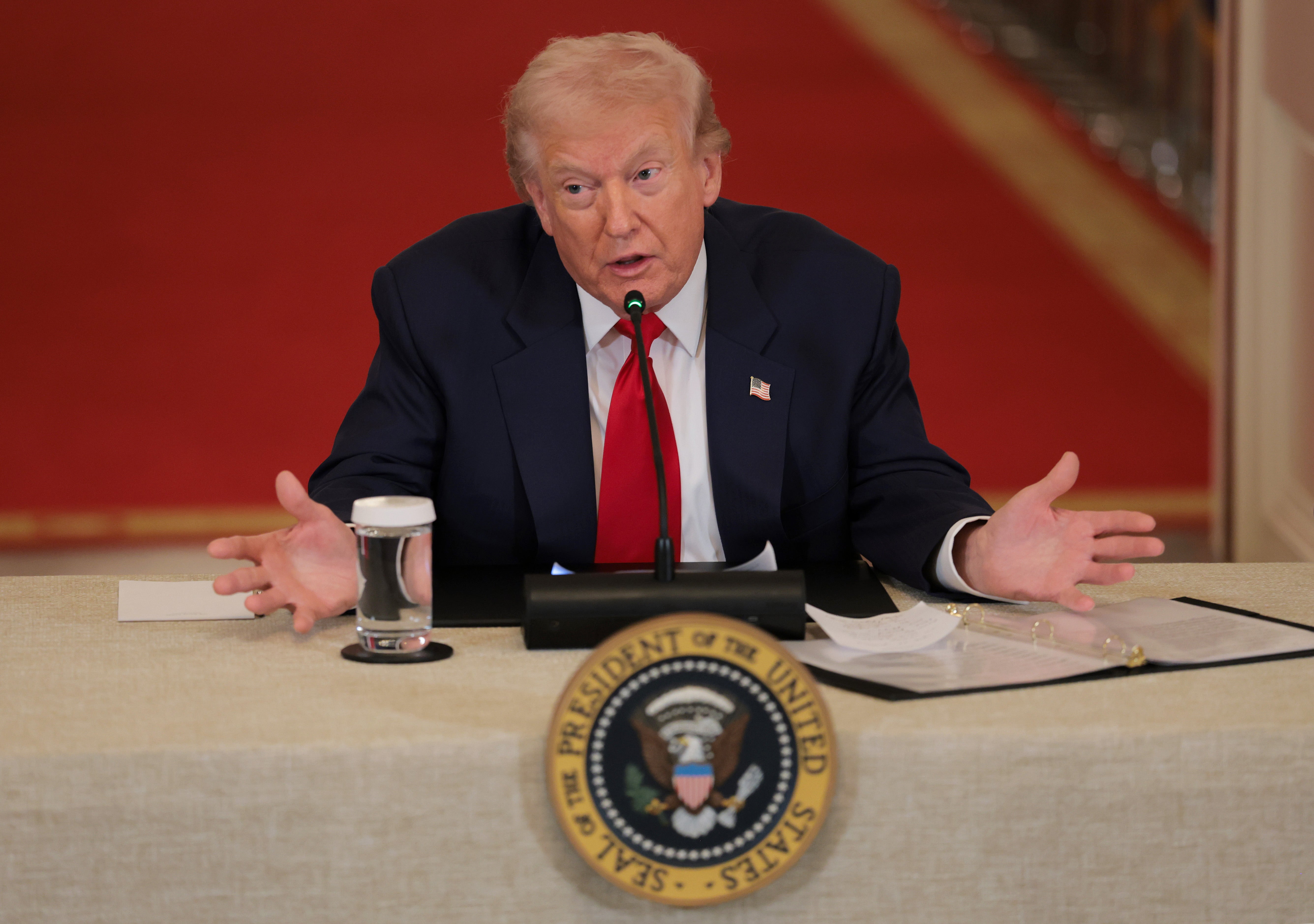
Addressing rising oil prices, President Donald Trump said in a Truth Social post Sunday that the spike in oil prices is “a very small price to pay” and that they will “drop rapidly when the destruction of the Iran nuclear threat is over.”
Monday’s Dow decline comes after the futures market fell more than 1,200 points after a frenetic night of trading before recovering by just under 600 points at the opening bell.
Looking ahead, the economic fallout of the turmoil in the Middle East could be limited if the Iran Conflict ends in a few weeks, according to a March 3 analysis from Morgan Stanley.
But if the conflict lasts longer than that, the market effects could be more pronounced.
“Markets may tolerate uncertainty for now, but prolonged uncertainty will be harder to look through,” Morgan Stanley Wealth Management Head of US Policy Monica Guerra said in the analysis.
A longer conflict could have a pronounced effect on global markets, with Europe and Asia-Pacific potentially facing recessions, a March 4 Charles Schwab analysis noted.
The U.S. market may weather the conflict better than other countries, though.
“The downside scenario would likely see risk appetite decline sharply as markets move to price in rising recession risk,” the Schwab analysis predicted. “U.S. markets would likely not be spared, although they could continue to outperform.”
That being said, historical trends indicate that there’s no need to panic right now, the analysis said.
“Investors should avoid overreacting,” Schwab pointed out. “Geopolitical shocks and crises rarely result in major sustained impacts to global economic growth or financial markets.”