
Electric vehicle drivers will have to pay London’s congestion charge for the first time in the latest move in Sadiq Khan’s war on motorists.
The regular daily congestion charge for non-electrified vehicles has also risen for the first time in five years from £15 to £18.
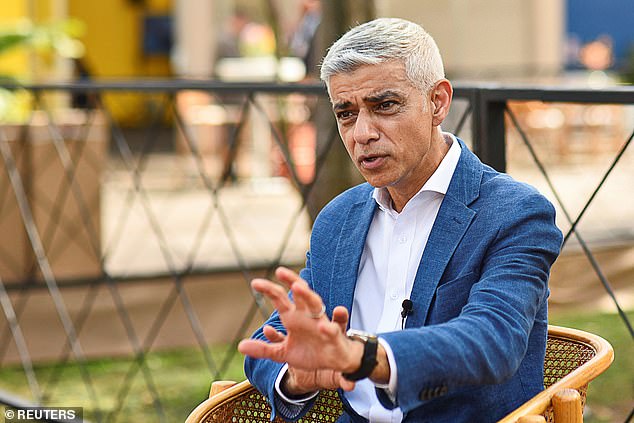
London Mayor Sir Sadiq Khan confirmed in November that electric vehicles would lose their exemption from the fee with the new rules coming into place today.
Critics have said it is a ‘backward step’ which would drive up the cost of motoring and push up prices, as tradesmen and delivery firms will be forced to pass on increased operating costs to consumers.
It comes after it was revealed that Underground and rail fares in the capital will rise by nearly 5 per cent later this year.
A single Tube journey within zone 1 will go up by 10p to £2.90, although bus and tram fares in London will be frozen at £1.75 for unlimited journeys within an hour.
The hike in Transport for London (TfL) fares is double the rate of inflation, but matches the increase in regulated train fares on England’s mainline railway.
TfL daily caps will now rise by between 40p and 70p depending on what zones are travelled through – with the zone 1-2 cap up 40p to £8.90, and the zone 1-3 cap up 50p to £10.50. Travelcard prices will also increase by an average of 4.6 per cent.

Electric vehicle drivers will have to pay London’s congestion charge for the first time in the latest move in Sadiq Khan’s war on motorists continues

The regular daily congestion charge for non-electrified vehicles has also risen for the first time in five years from £15 to £18
The congestion charge, introduced in 2003, covers an area of central London between 7am and 6pm on weekdays, and between noon and 6pm on weekends and bank holidays.
Pure battery-powered EVs had been eligible for a 100 per cent discount, but from Friday this was reduced to 25 per cent for cars, and 50 per cent for vans and lorries.
The electric vehicle discount will be cut further from March 4 2030, to 12. per cent for cars and 25 per cent for vans and lorries.
Reductions of up to 90 per cent will be awarded to residents who live within the zone.
However, those who move into the zone after March 1 2027, will not get a discount unless they use an electric vehicle.
It is paid on top of the ultra-low emission zone charge of £12.50 daily, which motorists driving older more polluting vehicles are forced to pay. However, this charge covers a much larger area and stretches to the borders with the Home Counties after Sir Sadiq expanded it.
Defending the move after the announcement, Sir Sadiq said: ‘While the congestion charge has been a huge success since its introduction, we must ensure it stays fit for purpose, and sticking to the status quo would see around 2,200 more vehicles using the congestion charging zone on an average weekday next year.
‘We must support Londoners and businesses to use more sustainable travel, so I’m pleased that substantial incentives will remain in place for Londoners who switch to cleaner vehicles, as we work to build a greener and better London for everyone.’
It comes ahead of so-called manic Monday, the first working Monday of the year, which is expected to be one of the worst days for breakdowns.
January 5 was given the alliterative title by the AA, which said there could be a spike in calls for help as motorists head out in cars which have been sat idle over Christmas.
Sir Sadiq is hoping to boost bus passenger numbers after they barely increased in a year, which is said to be due to heavy delays caused by growing traffic congestion.
London buses last went up just under two years ago in early 2023, when they rose by 10p to £1.75.
TfL’s finances have been damaged in recent months – partly due to the cyber attack it suffered in September, reported The Standard.
TfL is currently £5million in deficit, despite its plans to have amassed a £150million ‘profit’ since April – and its annual ‘operating surplus’ may only now be £23milion by next April. This is significantly off the £138million in 2023/24.
The Mayor’s office said fares in March 2025 are set to be 9 per cent lower than if fares had risen in line with National Rail fares since 2016, and 16 per cent lower than if they had risen in line with inflation throughout this period.
It added that the bus and tram fare freeze means those fares in London remain only 25p higher than 2016, when Mr Khan was first elected as Mayor, and 23 per cent lower than if they had risen in line with inflation since 2016.