
An online calculator has revealed how much your energy bill could fall over the coming months after Ofgem said prices will drop by 7 per cent from April 1.
The regulator’s price cap will drop from the current £1,758 to £1,641 – a reduction of around £10 a month for the average household using both electricity and gas.
The price cap sets a maximum price that suppliers can charge customers in England, Scotland and Wales for each unit of gas and electricity they use; as well as setting a maximum daily standing charge – the cost of having your home connected to the grid.
The headline price cap figure indicates what a household using gas and electricity and paying by direct debit can expect to pay if their energy consumption is typical.
But it does not limit total bills because people still pay for how much energy they use – so if that is above the average they will pay more; and if below, they will pay less.
Today, a new calculator from AI money-saving tool Nous.co reveals how much your bills are likely to change if you are on a variable tariff for your gas and electricity.
Simply enter your current monthly bill for the expected difference – with the tool also able to recommend how much you could save by switching to a fixed tariff.
Greg Marsh, chief executive of Nous.co, said: ‘Energy bills are falling at last, but we’re still heading for another Awful April as other bills shoot up once again.
‘For most of us, the benefit of lower gas and electricity costs will be more than cancelled out elsewhere. Bills including council tax, water, broadband and mobile contracts are all increasing.
‘Most of us will pay more for our household bills this year – not less. On top of this, most of us are paying hundreds of pounds more than we need to on our bills. Not because we’re careless, but because suppliers make it deliberately difficult to stay on fair deals.’
Ofgem said the fall in the price cap was driven by the Government’s promised £150 cut to the average bill.
Chancellor Rachel Reeves said in November that £150 would be cut from the average household bill from April by scrapping the Energy Company Obligation (Eco) scheme introduced by the Conservatives in government.
Tim Jarvis, director general of markets at Ofgem, said: ‘Today’s announcement will be welcome news for many households.
‘Wholesale energy prices have fallen in recent months, and we’re investing in our network to safeguard the future energy system. The main driver of today’s reduction is the change to policy costs announced by the Chancellor in the budget.
‘Our focus at Ofgem remains on bearing down on the costs within our control, and unlocking the investment needed to support the transition to a more stable energy system over the longer term.
‘We’re also seeing encouraging signs of greater engagement and competition, with switching increasing by almost 20 per cent year on year.’
The Government has told firms that it expects the savings to be passed on in full to all customers from April 1, including those already signed up to fixed tariffs.
However, customers have already been advised that the cut to their bill will depend on the size and type of household and how much energy it uses.
Part of the Government’s planned average £150 cut has also been offset by the rising cost of upgrading electricity and gas networks, dropping Ofgem’s overall cut to the price cap to £117.
Prime Minister Keir Starmer said: ‘Energy bills are at the front of everybody’s mind and I know they’ve been too high for too long.
‘I promised to bring bills down and I meant it. And today, because of the actions this Government took at the last budget, the price cap on energy bills has come down by £117.
‘That means lower energy bills for millions across the country. But I know there is more to do and my Government is pulling every lever to bear down on the cost of living and protect the pound in the pockets of working people.’
Ms Reeves added: ‘Cutting the cost of living is this Government’s number one priority and I know energy bills are one of the biggest concerns, that’s why at the budget I said we would bear down on energy bills.
‘We are cutting the cost of living, cutting the national debt and creating the conditions for growth and investment in every part of the country. It is the right economic plan to build a stronger and more secure economy.’
Energy Secretary Ed Miliband said the energy price cap drop was ‘happening because of the actions we took in the budget’.
But he also told Sky News the Government knows it has ‘got further to go’.
Mr Miliband added: ‘The price cap in 2025 across the year was lower in real terms than 2024. We want to drive it down even lower, so it’s up to £300 lower.’
Ofgem also confirmed a decision to move the costs of the Government’s separate warm home discount from standing charges – the flat rate households pay each day to have energy supplied to their homes – to the hourly unit rate of gas and electricity.
As a result, standing charges will drop by an average of £13, or 4p a day, for customers using both electricity and gas.
Citizens Advice chief executive Dame Clare Moriarty said: ‘A fall in energy prices is welcome but for many people bills remain stubbornly high. For millions of households this has stopped being a temporary hardship and become an ongoing threat to their financial stability.
‘The divide between those who can and cannot keep their homes warm and safe demands urgent action. Too many people, particularly those with disabilities, families with children, and renters, remain trapped in cold, damp homes they cannot afford to heat.’
Dhara Vyas, the chief executive of Energy UK, which represents firms, said: ‘Today’s reduction in the energy price cap is a welcome first step by the Government toward providing meaningful support for households, helping make it more affordable for people to keep their homes safe, comfortable, and warm.
‘While everyone should see savings on their bills from April 1, the effect of moving some policy costs off the gas and electricity unit price will be different.
‘It depends on each household’s energy use, the type of building you live in, how many people live in the property, and even how the bill is paid.
Energy experts at Cornwall Insight said the changes will reduce the cap by about £145 a year once VAT and pricing allowances within the cap methodology are taken into account
It added that increases in charges associated with the operation and maintenance of Britain’s energy networks have offset part of the savings.
Join the debate
Are YOU planning to switch to a fixed tariff after April 1?

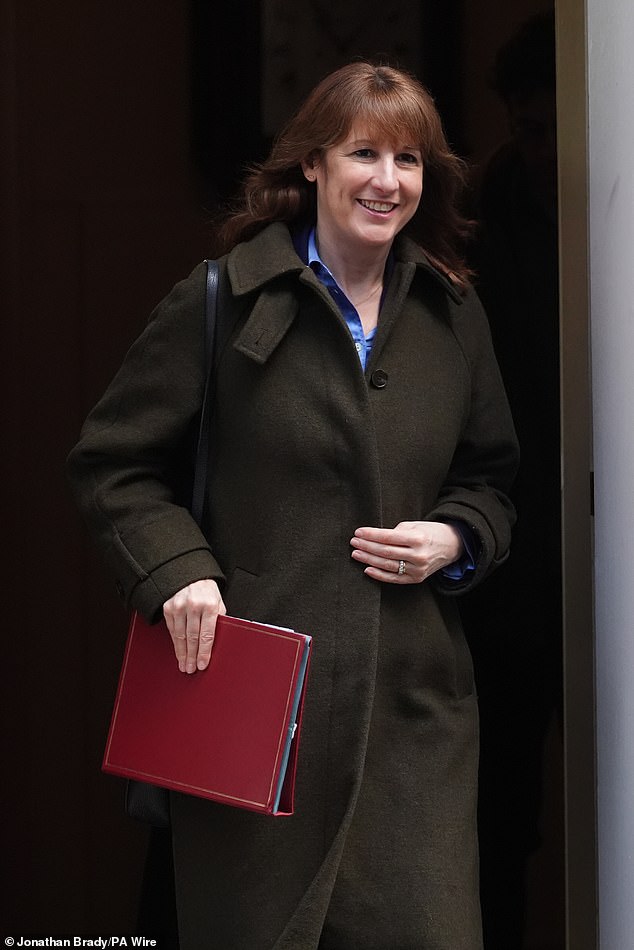
Chancellor Rachel Reeves (pictured on February 4) previously said £150 would be cut from the average household bill from April by scrapping the Energy Company Obligation scheme
Wholesale prices had also risen slightly since the last forecast in December, with the cost of gas particularly volatile due to ‘geopolitical factors’.
Looking further ahead, Cornwall said wholesale costs were still lower than when Ofgem set the January cap level and it expected the cap to remain ‘relatively steady’ throughout 2026, ‘with only a small rise forecast in July’.
Which? energy editor Emily Seymour said: ‘Households can expect a significant cut to their energy bills in April, which will come as a relief to millions of people struggling with cost-of-living pressures.
‘The bulk of this change is expected to be applied to your electricity price per unit, so your exact savings will depend on your usage; look out for communications from your energy provider in the coming weeks to see how it will affect your bills.’
Simon Francis, co-ordinator of the End Fuel Poverty Coalition, urged households to note the changes in unit costs and standing charges, rather than focus on the headline ‘average energy bill’.
He said: ‘We know that energy bills can be confusing and trying to decide when to switch tariffs or change supplier is a big decision which can overwhelm people.
‘As well as setting the price cap, Ofgem should play a greater role in ensuring that the tariffs reaching the market are fair and don’t discriminate against specific customer groups.
‘Sadly the responsibility currently falls to households to pay careful attention to any changes in their unit costs and standing charges.’