
I often hear talk about investing offering better long-term returns than holding money in cash and I’ve been taking this approach for several years.
I now have a stocks and shares Isa totalling around £200,000. This is partly down to an inheritance I received, but also excellent investment returns. This is all in funds and so could be liquidated at short notice.
On the other hand, I have less than £3,000 in cash savings, well below the recommended amount for an emergency pot.
My rationale is that I’ll earn better returns keeping my rainy-day fund invested, but is this unwise?
I’m a young professional, with no mortgage and no dependents. How much money should I be holding in cash? M.C, via email

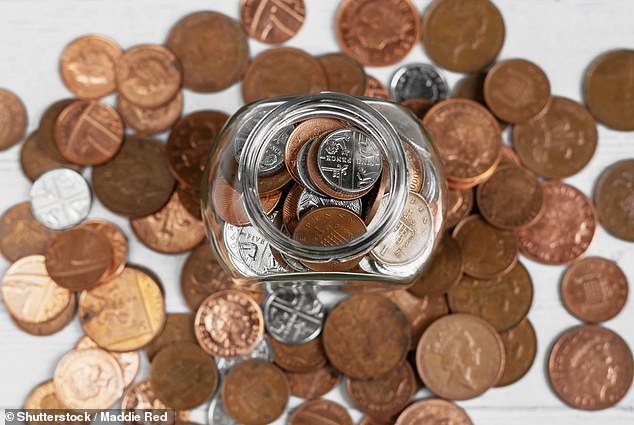
Rainy day fund: This reader holds most of their money in investments, but is worried they don’t have a big enough cash pot
SCROLL DOWN TO ASK YOUR FINANCIAL PLANNING QUESTION
Harvey Dorset, of This is Money, replies: Investing is often touted as a way to grow your money over the long term, and for good reason.
Recent data from Moneyfacts Compare indicates that £100 invested in a typical stocks and shares Isa would have grown to £233 between 2010 and 2025.
In comparison, the average cash Isa with £100 in it would have grown to £130 over the same period.
However, it is important to ensure that you have access to cash should you need to cover emergency costs, for example if something needs fixing urgently in your home, your car breaks down or you are made redundant from work.
It’s also advised not to invest any money you will need to use in the next five years, to allow you to ride out the ups and downs of the market.
This is Money spoke to two financial advisers to find out if you should re-evaluate your holdings, or if you keep pushing most of your money into investments.

Matt Lewis says the rule of thumb for someone in full-time employment, without dependents, is three to six months of essential outgoings of cash reserves
Matt Lewis, financial planner at EQ Investors, replies: It’s great to read of someone who’s already developed a strong investing habit. Many people struggle to get started, so reaching a £200,000 Isa balance at a young age is an impressive position.
You’re right that over the long-term investing has historically delivered stronger returns than holding money in cash. Keeping your entire pot of money invested can feel efficient, especially when markets are rising.
And following the recent UK Budget, with the reduction to cash Isa allowances for those under 65, it’s understandable that people will look down this route.
But the role of cash in a financial plan isn’t about chasing returns. It’s about resilience.
A useful way to think about cash is as a shock-absorber in your financial life. It’s there for the things you can’t predict: a period away from work, a broken boiler (although I appreciate you don’t own a home right now), or even opportunities you want the ability to seize quickly such as a last-minute trip away.
When everything is going well, that cash can feel like it’s sitting idle. But the test of whether your plan is robust isn’t when markets go up, it’s when markets go down.
They will go down at some point. The first key risk is whether you require those funds when markets are up, or when they are down.
If life throws you a curveball at the same time markets are falling, which is not uncommon, you may have to sell investments at precisely the wrong moment. That can set back your long-term progress far more than the interest you would have missed by holding cash.
The second is behavioural risk. If you know your emergency fund is invested, you may find yourself hesitating to use it when you genuinely need to, because you’re reluctant to crystallise a loss. A buffer only works if you feel comfortable dipping into it.
You may believe that you only select winners and are en route to be the next Warren Buffett. While this may be on the cards, but I would encourage you to look at how much cash he holds.
Financial advice 101’s rule of thumb for someone in full-time employment, without dependents, is three to six months of essential outgoings.
If your monthly living costs are modest (let’s imagine £1,500 to £2,000), then a target of £5,000 to £10,000 may be enough. If your spending is higher, or your job security is uncertain, err towards the upper end.
What matters is that the amount feels like it would give you breathing room in a genuinely stressful moment.
From a broader financial-planning perspective, holding £5,000 to £15,000 in cash won’t meaningfully dilute the long-term returns of a £200,000 investment portfolio. But it will dramatically improve the resilience of your plan, and hopefully your peace of mind.
The final piece of this jigsaw will be to understand what the purpose of the money is. Are you saving for property, are you going to relocate, are you going to set up your own business, can you enhance your investments using pension tax relief?
Building a proper cash buffer doesn’t dilute your financial plan; it looks to complete it.
Join the debate
How much cash do YOU think should go into your rainy day fund?
Kristian Manton, financial adviser at Octopus Money, replies: It’s very common for people who feel confident investing to end up with cash savings that fall short of what’s recommended for an emergency fund or financial safety net.
When markets have been strong, it can feel wasteful to leave money sitting in a savings account, but cash plays a very different role in your financial plan to your investments.
If your Isa is the engine that powers your long-term growth, your cash buffer is the stabiliser that protects everything else when life throws a curveball.
The starting point is to work out the right level of cash for your situation.

Kristian Manton says you can benefit from building your cash reserves
I usually suggest aiming for somewhere between three and nine months of spending in an easy access savings account. For those who are retired, that range increases to around twelve to twenty-four months.
The reason that this matters is simple: the biggest threat to a well-built investment plan is being forced to sell those investments at the worst possible moment.
Markets rise and fall. If your car breaks down, your roof needs repairing, or a family emergency crops up during a market downturn, you do not want to be in a position where you have to sell investments at a loss just to cover the bill. That locks in the downturn and slows your long-term growth. A solid cash pot protects you from that.
It gives you breathing room, letting you absorb unexpected costs without touching your investments. And, crucially, it gives your investments time to recover when markets wobble.
For people in retirement, this becomes even more important. A long stretch of poor market performance in the early years of retirement can seriously shorten how long a pension pot lasts. This is what we call sequencing risk.
When you are drawing an income from your investments, withdrawing during a downturn does far more damage than the same downturn would do earlier in life. Holding a healthy amount of cash helps you ride out those periods without needing to sell at a bad time.
That doesn’t mean your current approach has been wrong. Investing your rainy-day fund has clearly not held you back so far, but it does mean the next phase of your plan might benefit from gradually rebuilding your cash reserves.
The purpose of cash is not to deliver high returns, but to act as a financial shock absorber and give you certainty and peace of mind.